We have five factories and 23 years of experience in plant extracts
- 0086-571-85302990
- [email protected]






What criteria should a plant extract importer use when vetting overseas suppliers?
2026-08-15
Buying plant extracts from overseas is rarely as simple as comparing quotes. Two batches of the same botanical can differ dramatically in active compound content, contaminant levels, and batch-to-batch consistency — and those differences eventually show up in your customers' products. For an importer, the real question is not "who offers the best price" but "who can prove they meet the standard you need, shipment after shipment." This article walks through the criteria that matter most when vetting an overseas plant extract supplier, and the questions you should ask before signing anything.
Start with certifications — but verify them
Certifications are the first filter, and for good reason. A supplier that holds recognized food-safety and quality certifications has already been through third-party audits of its facilities, processes, and documentation. For plant extracts bound for food, supplement, or pharmaceutical applications, look for standards such as ISO 22000, ISO 9001, GMP, BRCGS, and, where relevant, HALAL and Kosher certification. If you are sourcing organic material, an organic certification such as Ecocert adds another layer of assurance.
That said, a certificate is only as good as the organization behind it. Ask to see the actual certificates, note the issuing body and validity dates, and check whether the certification covers the specific facility and product line you are buying from. A supplier that hesitates to share this paperwork is a red flag before you even get to samples.
Demand real quality data, not marketing language
The single most useful document in botanical sourcing is the Certificate of Analysis (COA). A meaningful COA is lot-specific and quantifies the active ingredient — for example, "Monacolin K 0.2%–5%" for red yeast rice, or a stated percentage of polyphenols or proanthocyanidins for other extracts — rather than vague claims like "high concentration." It should also report safety parameters: heavy metals, pesticide residues, microbial counts, and, for solvent-extracted products, residual solvents.
Equally important is whether the supplier can actually generate that data in-house. A manufacturer with its own laboratory equipped with instruments such as GC, HPLC, and UV spectrophotometers can test every batch and back its COAs with real results. Suppliers that outsource everything and cannot explain their testing workflow are harder to trust on consistency.
Look at how the product is made
The extraction process determines both the activity and the safety of the final powder. Water extraction, ethanol reflux, and supercritical CO2 extraction produce different yields and different retention of bioactive compounds, and each carries its own cost and residue profile. A serious supplier will be transparent about its process, equipment, and solvent use, and will explain why a particular method suits a particular botanical.
Production environment matters too. For food-grade extracts, a clean production area — for example, a 100,000-class cleanroom — reduces the risk of contamination and supports consistent microbial results. Equipment such as multi-ton extraction tanks, spray drying towers, and vacuum drying systems indicates real manufacturing scale rather than a trading operation repackaging someone else's goods.
Check vertical integration and supply stability
A supplier that controls its own raw material sourcing and production is generally more stable than one that buys and resells. Vertical integration — from raw botanical sourcing through extraction, testing, and warehousing — means fewer handoffs, better traceability, and more control over quality. It also matters for continuity: if a supplier can point to its own production bases and subsidiaries, it is easier to believe it can maintain supply when demand spikes.
Batch consistency is the practical test of stability. Ask for COAs from several recent batches of the same product and compare the active compound levels. Small, explainable variation is normal; wide swings are a warning that the process is not under control.
Understand the commercial terms before committing
Samples, minimum order quantities, and lead times are where good intentions meet reality. A reputable supplier will send a representative sample so you can test it against your own specifications before committing to volume. Be clear about MOQ and lead time in writing, and confirm how the supplier handles non-conforming batches — replacement policy, testing costs, and liability terms should be agreed before, not after, a problem appears.
Communication is a practical criterion that is easy to underestimate. Does the supplier answer technical questions quickly and clearly? Is there a named contact who understands both the product and your market's requirements? Importers who have worked with overseas manufacturers know that responsiveness during the vetting phase is usually a reliable preview of the relationship.
Know the red flags
Some warning signs should end the conversation outright: an unwillingness to provide COAs or certificates, prices far below what the raw material and process could reasonably cost, vague answers about origin or production, and reluctance to send samples. If a supplier cannot document what it sells, every future shipment is a gamble.
A practical checklist for importers
Before you place an order, run through this list:
• Certifications: ISO 22000, ISO 9001, GMP, BRCGS, HALAL/Kosher, organic where needed — verified, not just claimed.
• COA: lot-specific, quantified active ingredients, and full safety parameters.
• Testing capability: in-house laboratory with GC, HPLC, UV, and documented batch testing.
• Production: transparent extraction process, clean production area, real manufacturing equipment.
• Integration: own raw material sourcing and production bases for traceability and stability.
• Commercial terms: samples, MOQ, lead time, and non-conformance policy in writing.
• Communication: responsive, knowledgeable contacts.
Conclusion
Vetting an overseas plant extract supplier is a systematic process, not a single decision. Certifications open the door, quality data and production transparency confirm it, and commercial terms and communication determine whether the partnership lasts. Importers who weigh these criteria carefully — rather than chasing the lowest quote — build supply chains that protect their products and their reputations.
For importers looking for a plant extract supplier with more than two decades of manufacturing experience, Hangzhou Greensky Biological Tech. Co., Ltd. offers vertically integrated production, in-house testing, and certifications including ISO 22000, BRCGS, and HALAL. The company's red yeast rice, standardized to 0.2%–5% Monacolin K, is one example of its focus on quantified, consistent active ingredients. As one of China's established plant extract manufacturers, Greensky supplies botanical extracts, functional red yeast rice, and health product raw materials to markets across Europe, the United States, South Korea, and Russia.
TAGS:
FAQ
- ▶ Hesperidin
- ▶ Citrus Bioflavonoids
- ▶ Plant Extract
- ▶ lycopene
- ▶ Diosmin
- ▶ Grape seed extract
- ▶ Sea buckthorn Juice Powder
- ▶ Fruit Juice Powder
- ▶ Hops Extract
- ▶ Artichoke Extract
- ▶ Mushroom extract
- ▶ Astaxanthin
- ▶ Green Tea Extract
- ▶ Curcumin
- ▶ Horse Chestnut Extract
- ▶ Other Product
- ▶ Boswellia Serrata Extract
- ▶ Resveratrol
- ▶ Marigold Extract
- ▶ Grape Leaf Extract
- ▶ New Product
- ▶ Aminolevulinic acid
- ▶ Cranberry Extract
- ▶ Red Yeast Rice
- ▶ Red Wine Extract
- ▶ blog
Recommended Products
-
Lemon Balm Extract
2026-08-15
-
Cassia Seed Extract
2026-08-15
-
Grapefruit Seed Extract Powder
2026-08-15
-
Andrographis Paniculata Extract Powder
2026-08-15
-
Hawthorn Extract
2026-08-15
-
Purple Sweet Potato Extract
2026-08-15
-
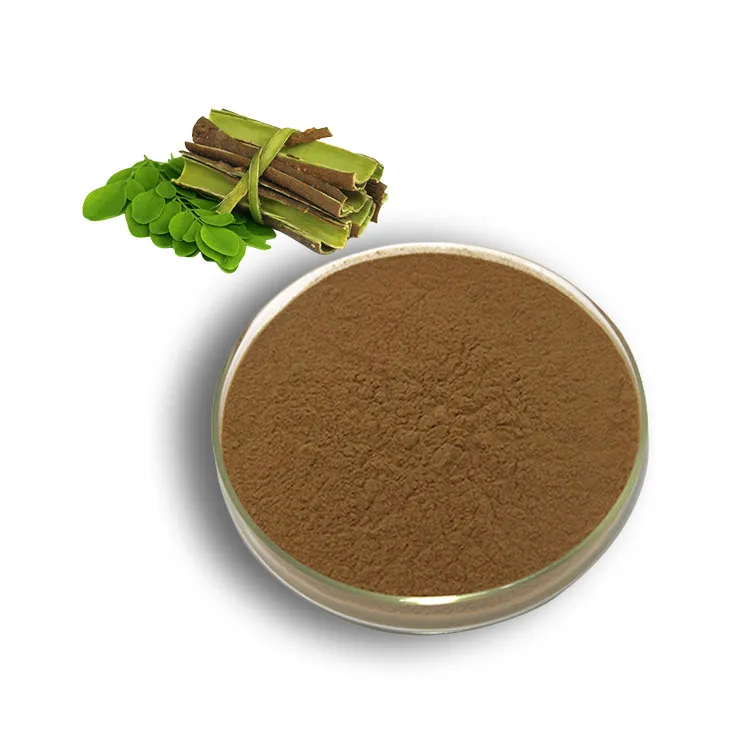
White Willow Bark Extract
2026-08-15
-
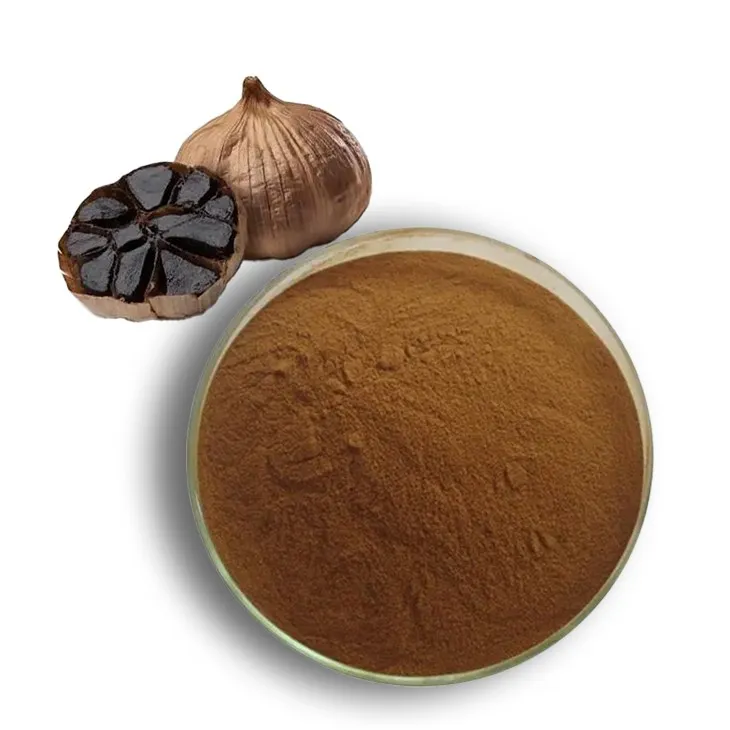
Black Garlic Extract
2026-08-15
-
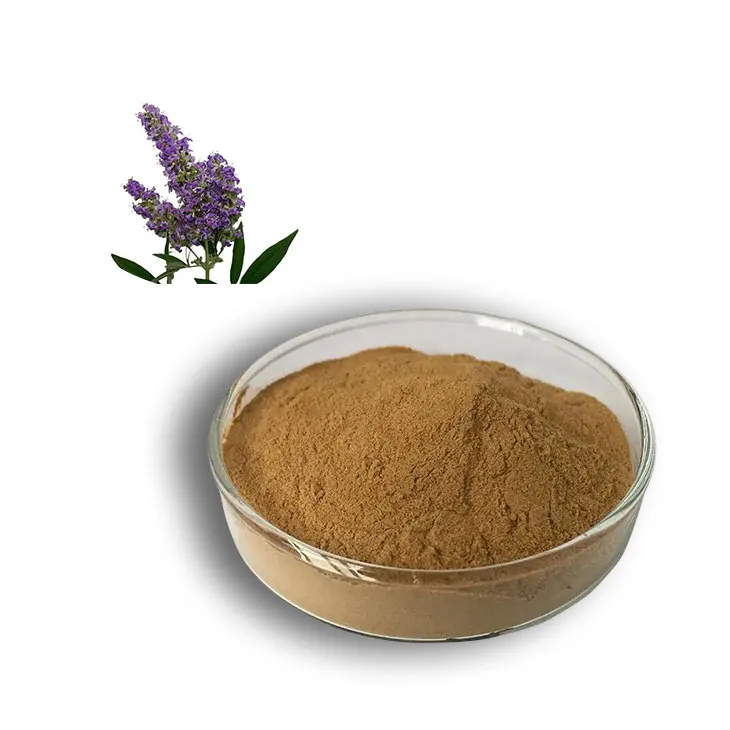
Chasteberry Extract
2026-08-15
-
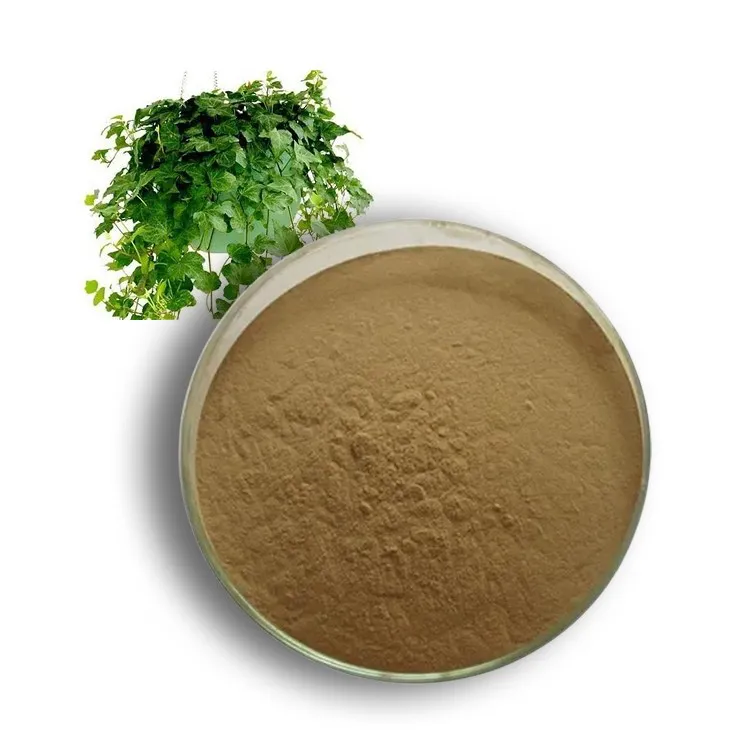
Ivy Extract
2026-08-15
Get a Quote
