- 0086-571-85302990
- [email protected]




What are the grape seed extract side effects for sensitive users?
2026-08-14
Understanding Grape Seed Extract and Its Popularity
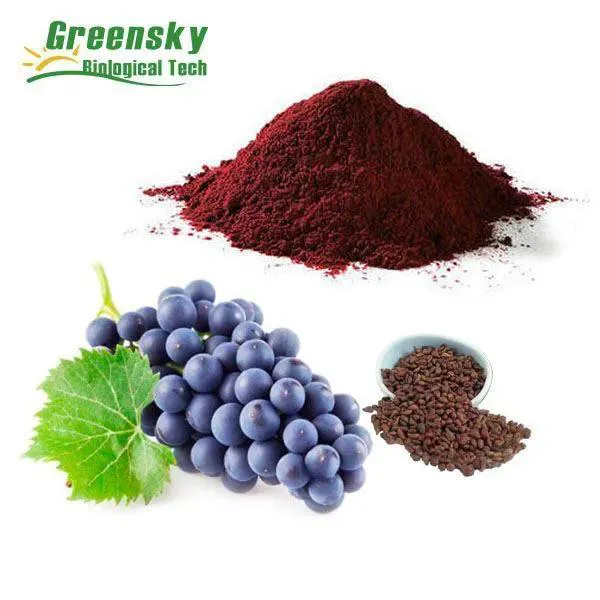
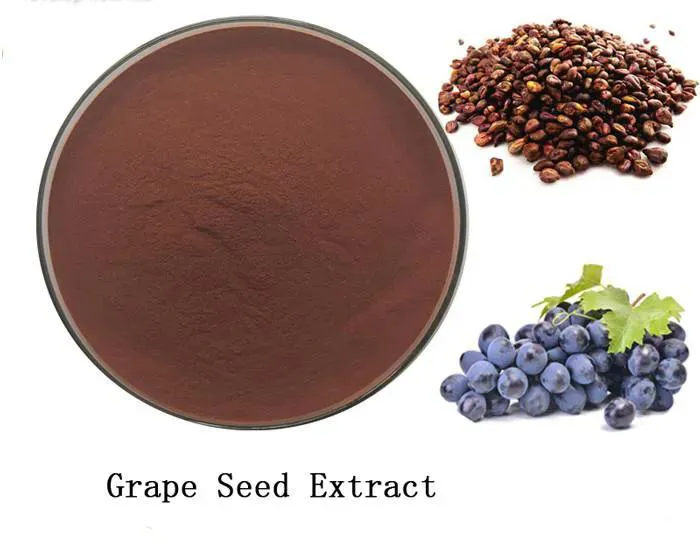
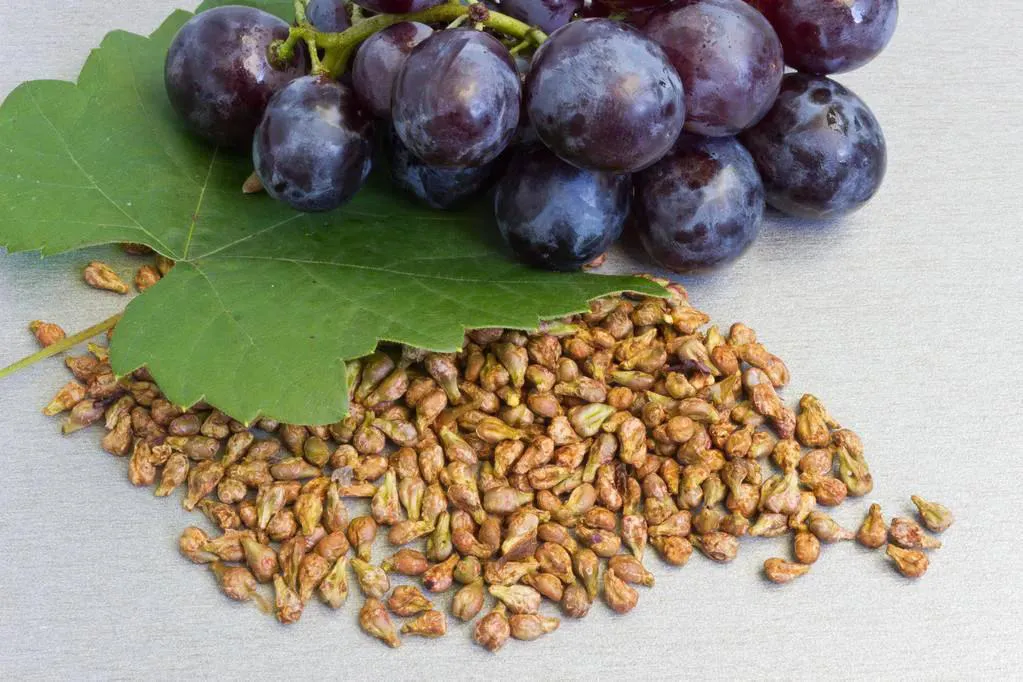
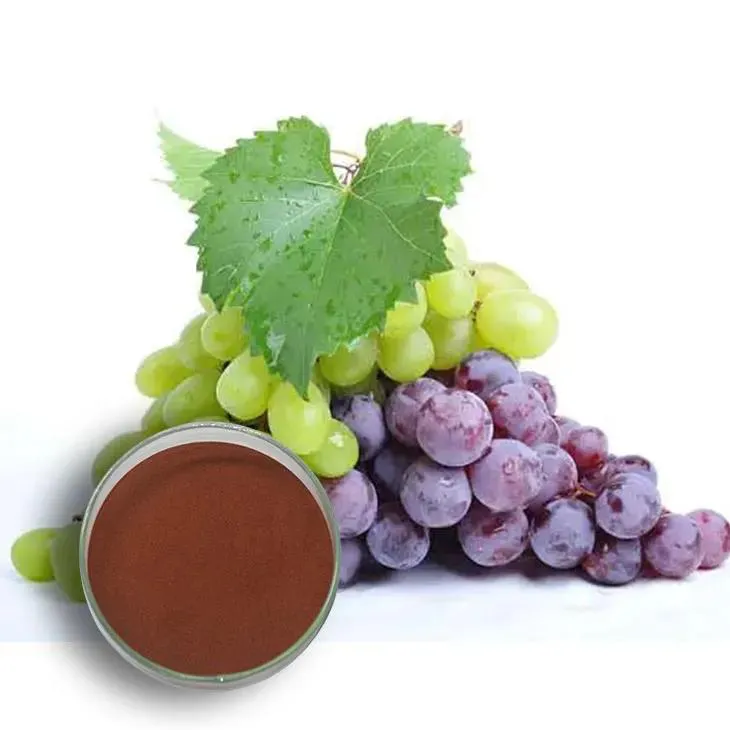
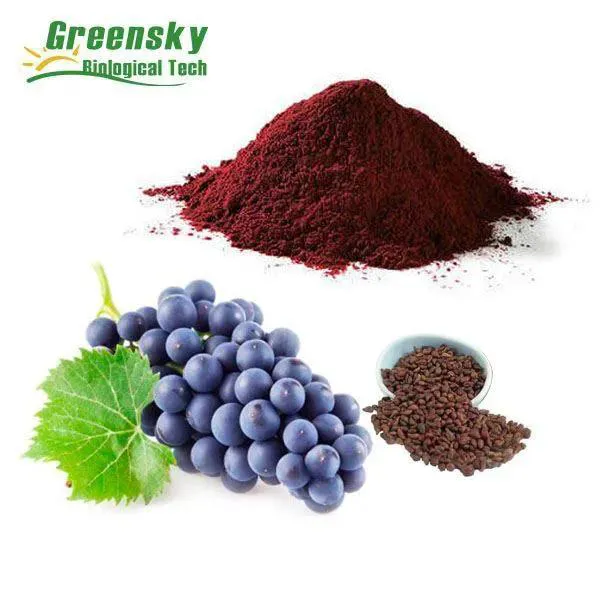
Grape Seed Extract is a widely used dietary supplement derived from the seeds of grapes (Vitis vinifera). Rich in proanthocyanidins — powerful antioxidant compounds — it is commonly taken to support cardiovascular health, improve circulation, reduce oxidative stress, and promote skin vitality. Over-the-counter Grape Seed Extract supplements are available in tablet, capsule, and powder forms, and they are popular among health-conscious consumers looking for natural ways to boost their wellness routines. However, while most people tolerate grape seed extract well, certain individuals may experience side effects, particularly those who are sensitive to its active components. This article provides a detailed, evidence-based overview of grape seed extract side effects for sensitive users.
Is Grape Seed Extract Safe for Most People?
According to clinical data from the National Institutes of Health (NIH) and the LiverTox database, grape seed extract is generally well tolerated when taken orally at recommended doses. In numerous short-term clinical trials lasting up to 8 weeks, adverse events were described as uncommon and minimal. The most frequently reported side effects — such as mild headache, dizziness, nausea, and itchy scalp — occurred at rates similar to those seen in placebo groups, suggesting that many of these symptoms may not be directly caused by the extract itself. Importantly, the LiverTox database assigns grape seed extract a likelihood score of E (unlikely cause of clinically apparent liver injury), meaning there is no credible evidence linking it to liver damage despite widespread use.
Common Side Effects Reported in Clinical Studies
For sensitive users, the following mild side effects have been reported in clinical trials and consumer reports:
- Digestive discomfort — Nausea, indigestion, diarrhea, or constipation may occur, especially when taken on an empty stomach or in high doses. A 2017 safety study found that mild gastrointestinal symptoms appeared in a small number of participants consuming 1,000–2,500 mg daily.
- Headache and dizziness — Some users report mild headaches or lightheadedness, though these symptoms often resolve on their own as the body adjusts.
- Itchy or dry scalp — This is one of the more commonly noted complaints, though its mechanism is not well understood.
- Mild allergic reactions — Individuals with known allergies to grapes or grape-derived products may experience skin itching, rash, or hives.
Who Should Be Extra Cautious?
Certain groups of people are considered "sensitive users" and should exercise caution before taking grape seed extract supplements:
- People with bleeding disorders or on blood thinners — Grape seed extract may slow blood clotting and increase the risk of bruising or bleeding. If you are taking anticoagulants such as warfarin, aspirin, or clopidogrel, consult your doctor before use.
- Individuals scheduled for surgery — Because of its potential anticoagulant effect, it is generally recommended to stop taking grape seed extract at least two weeks before a scheduled surgery to avoid excessive bleeding.
- Pregnant and breastfeeding women — Due to insufficient safety data, grape seed extract is not recommended during pregnancy or breastfeeding.
- People with grape or fruit allergies — Those with known allergies to grapes, red wine, or other grape-derived products should avoid grape seed extract.
- Individuals taking medications metabolized by CYP3A4 — Grape seed extract may interact with drugs processed by the cytochrome P450 3A4 enzyme system. If you are on prescription medications, check with your healthcare provider.
Can Grape Seed Extract Cause Liver Damage?
This is a common concern among sensitive users, but the scientific evidence is reassuring. The LiverTox database — a comprehensive resource on drug-induced liver injury — explicitly states that grape seed extracts have not been associated with serum enzyme elevations during therapy nor have they been implicated in cases of clinically apparent acute liver injury. Multiple large-scale reviews and meta-analyses, including those from the Spanish DILI Registry, the U.S. Drug-Induced Liver Injury Network, and the Latin American DILI Network, have not identified a single case of liver injury attributed to grape seed extract. This makes it one of the safest herbal supplements from a liver safety perspective.
Recommended Dosage for Sensitive Users
There is no officially established dosage for grape seed extract, but clinical studies have used the following ranges:
- For general antioxidant support: 75–300 mg per day
- For chronic venous insufficiency: 150–300 mg once daily, or 360–720 mg daily
- For ocular stress reduction: 200–300 mg once daily
Sensitive users are advised to start with the lowest effective dose (e.g., 75–100 mg per day) and gradually increase if well tolerated. Taking grape seed extract with food may help reduce the likelihood of gastrointestinal discomfort.
How to Choose a High-Quality Grape Seed Extract
For sensitive users, supplement quality matters. When selecting a grape seed extract product, look for manufacturers that follow Good Manufacturing Practices (GMP) and hold third-party certifications such as ISO22000, HACCP, or HALAL. Reputable grape seed extract manufacturers provide transparent sourcing information, standardized proanthocyanidin content, and batch-specific certificates of analysis. Working with reliable grape seed extract suppliers ensures product purity and minimizes the risk of contaminants that could trigger sensitivities. For bulk purchasing, grape seed extract wholesale options from established factories offer consistency and quality assurance at scale.
When to Seek Medical Attention
While serious side effects from grape seed extract are rare, sensitive users should discontinue use and consult a healthcare professional if they experience any of the following: severe headache, confusion, slurred speech, rapid or pounding heartbeat, shortness of breath, severe dizziness, or signs of a serious allergic reaction such as swelling of the face, lips, or throat. These symptoms are uncommon but warrant immediate medical evaluation.
Conclusion
Grape seed extract is a safe and well-tolerated dietary supplement for the vast majority of users. For sensitive individuals, mild side effects such as digestive discomfort, headache, or itchy scalp may occur, but these are typically transient and resolve with dose adjustment or discontinuation. The key to a positive experience is choosing a high-quality product from a trusted manufacturer, starting with a low dose, and being aware of potential interactions with medications. With over 20 years of expertise in botanical extraction, Hangzhou Greensky Biological Tech. Co., Ltd. offers premium grape seed extract and a wide range of plant extracts backed by rigorous quality control and international certifications, making it a reliable partner for businesses seeking high-quality raw materials.
TAGS:

- ▶ Hesperidin
- ▶ Citrus Bioflavonoids
- ▶ Plant Extract
- ▶ lycopene
- ▶ Diosmin
- ▶ Grape seed extract
- ▶ Sea buckthorn Juice Powder
- ▶ Fruit Juice Powder
- ▶ Hops Extract
- ▶ Artichoke Extract
- ▶ Mushroom extract
- ▶ Astaxanthin
- ▶ Green Tea Extract
- ▶ Curcumin
- ▶ Horse Chestnut Extract
- ▶ Other Product
- ▶ Boswellia Serrata Extract
- ▶ Resveratrol
- ▶ Marigold Extract
- ▶ Grape Leaf Extract
- ▶ New Product
- ▶ Aminolevulinic acid
- ▶ Cranberry Extract
- ▶ Red Yeast Rice
- ▶ Red Wine Extract
- ▶ blog
-

Selenium yeast
2026-08-14
-
Uridine-5'-monophosphate Disodium salt
2026-08-14
-
Black Garlic Extract
2026-08-14
-
Scutellaria Extract
2026-08-14
-
Rhodiola Rosea Extract
2026-08-14
-
Elderberry Extract
2026-08-14
-
Shikonin
2026-08-14
-
Sugarcane Extract
2026-08-14
-
Apricot Powder
2026-08-14
-
Horse Chestnut Extract
2026-08-14