- 0086-571-85302990
- [email protected]






What are the challenges in stevia culture?
2026-08-18
Stevia (Stevia rebaudiana) has earned a reputation as the fastest-rising natural sweetener on the market, prized for steviol glycosides that are hundreds of times sweeter than cane sugar yet contribute almost no calories. But the road from tiny seeds to a sweet, high-quality leaf harvest is far from smooth. Growers, especially those supplying processors with high-purity raw material, regularly run into a handful of stubborn obstacles. Understanding these challenges is the key to turning them into manageable parts of a dependable crop plan.
Why Seed Propagation Is the First Hard Knob
The most common mistake in stevia culture is treating it like any other field crop and relying on seed. Stevia is largely self-incompatible and pollinated by insects, which means seedlings vary dramatically from plant to plant. Germination is uneven and noticeably worse under cool conditions, so a single seed tray can produce weak, mixed, and unpredictable stands. Commercial growers have largely moved toward stem cuttings of the top shoots, which root faster and grow more consistently, or toward tissue culture for bulking up elite plants. If you plan to scale up, decide on a clean vegetative propagation route and a reliable nursery early, because it directly shapes the uniformity and sweetness of everything that follows.
A Slow Start Leaves Room for Weeds
Stevia is not an aggressive competitor in its first weeks. Its slow early growth gives weeds a running start, and studies attribute yield losses of roughly 2% to 25% to weed competition while pushing production costs higher. The first two months after transplanting form the critical window, so growers should plan repeated cultivation, roughly every three weeks, or use ground cover and mulch to keep the field clean. Skimping here does not just trim tonnage; it raises the cost per usable leaf at exactly the moment margins are thinnest.
Fungal Diseases Love the Same Conditions Stevia Enjoys
The crop thrives in warm, humid weather, and unfortunately so do its most damaging enemies. Alternaria leaf spot and Septoria steviae leaf blight spread quickly during rainy spells, while Sclerotium rolfsii root rot tends to follow waterlogging. This creates a delicate balancing act: moisture is needed for growth, but poor drainage and excess humidity feed disease pressure. Sound field layout with good drainage, sensible plant spacing for airflow, and careful monitoring of the canopy go a long way. Where chemical sprays are used, growers must respect a pre-harvest interval of at least 20 days so residues stay out of the leaves.
Climate and Soil Are Hard Limits, Not Preferences
Stevia performs best in a temperate, humid climate with roughly 16 hours of daylight. Growth slows noticeably below 20°C or when day length drops under 12 hours, and the plants turn sluggish above 35°C or when frost keeps temperatures low for long stretches. The soil should be a sandy loam around pH 6–7, since the crop tolerates salt and waterlogging poorly. Fields can carry a steady rotation of harvests for several years, but only when the site respects these boundaries from the start. Choosing the right field is often a larger determinant of success than any single input applied later.
Nutrition Draws a Fine Line Between Leaves and Sweetness
Stevia is not a greedy feeder, and overfeeding is a real hazard. Heavy nitrogen pushes lush vegetative growth but dilutes the concentration of steviol glycosides in the leaves, which is the opposite of what a buyer of high-purity sweetener wants. A balanced start around N-P-K of 100–120 / 40–50 / 50–60 kg per hectare is a reasonable reference, with attention to micronutrients. Boron deficiency, for example, shows up as leaf spotting and is usually corrected with an early boron application. Every kilogram of fertilizer should be justified by the sweetness it protects, not just by the bulk it produces.
Harvest Timing Trades Quantity Against Quality
The first cut normally comes 90 to 110 days after transplanting, done about 10 to 15 cm above the ground to encourage regrowth, with a second harvest roughly 50 to 65 days later. Steviol glycosides, the compounds that make the leaf valuable, keep climbing toward a peak when the plant flowers. Yet premium commercial leaf is usually harvested before full bloom, when the balance of sweetness and yield is most favorable; earlier-flowering varieties may taste sweeter but yield less. Getting this timing right determines how much recoverable sweetener a processor receives from each tonne of delivered leaf.
Post-Harvest Handling Decides What the Leaf Keeps
The sweetness the crop worked so hard to build is fragile once cut. Leaves must be dried quickly, ideally in warm air around 40°C or in the shade, because slow or damp drying lets the glycosides degrade. Since only the leaf carries real sweetening value—stems typically hold just 1%–2% of the glycosides—everything about harvesting and drying is aimed at protecting the leaf. It is the reason experienced producers coordinate their field work with what happens immediately afterward, rather than treating harvest as the finish line.
Turning Challenges Into a Reliable Supply
None of these hurdles make stevia impractical; they simply reward growers who plan around them. Reliable vegetative propagation, disciplined weed control, disease-aware field management, sensible nutrition, precise harvest timing, and careful drying come together to deliver consistently sweet, clean leaf. That consistency is exactly what downstream buyers depend on. A producer who masters these details is better placed to supply high purity stevia extract to processors, and it explains why the best results tend to come from experienced stevia extract manufacturers who work directly with trustworthy agricultural partners. For buyers seeking a dependable stevia extract supplier, understanding these cultivation realities helps separate a reliable source from one that talks a good story.
- ▶ Hesperidin
- ▶ Citrus Bioflavonoids
- ▶ Plant Extract
- ▶ lycopene
- ▶ Diosmin
- ▶ Grape seed extract
- ▶ Sea buckthorn Juice Powder
- ▶ Fruit Juice Powder
- ▶ Hops Extract
- ▶ Artichoke Extract
- ▶ Mushroom extract
- ▶ Astaxanthin
- ▶ Green Tea Extract
- ▶ Curcumin
- ▶ Horse Chestnut Extract
- ▶ Other Product
- ▶ Boswellia Serrata Extract
- ▶ Resveratrol
- ▶ Marigold Extract
- ▶ Grape Leaf Extract
- ▶ New Product
- ▶ Aminolevulinic acid
- ▶ Cranberry Extract
- ▶ Red Yeast Rice
- ▶ Red Wine Extract
- ▶ blog
-
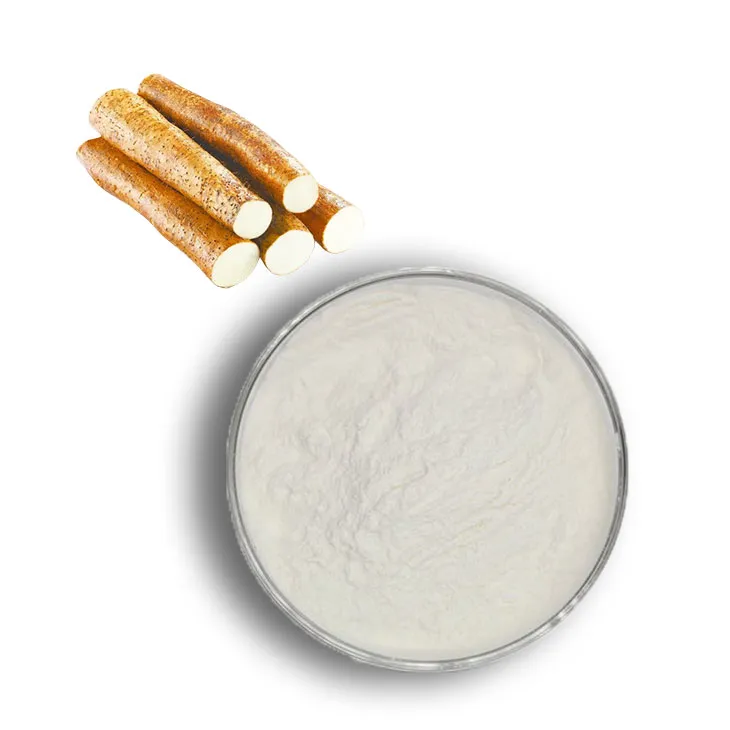
Yam Extract
2026-08-18
-
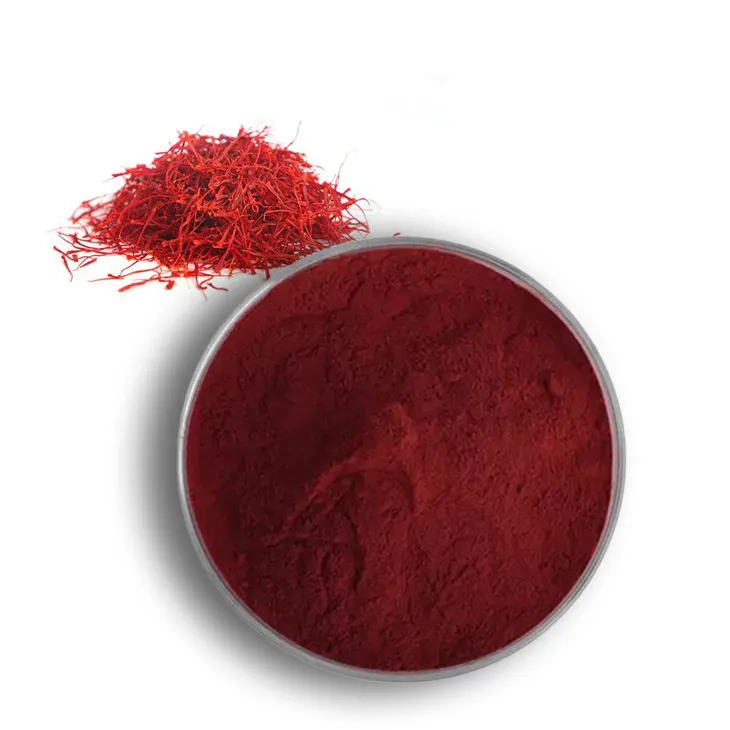
Saffron Extract Powder
2026-08-18
-
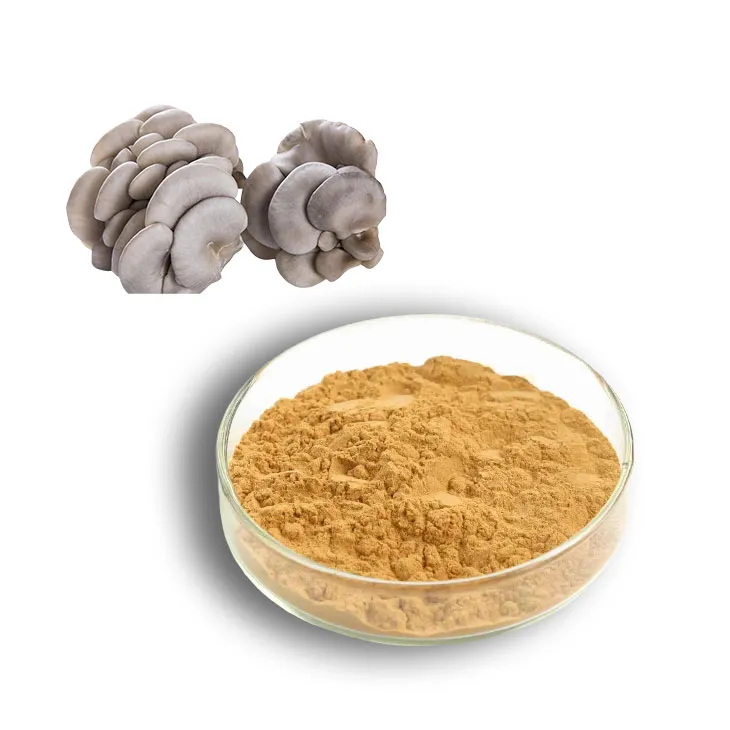
Oyster Mushroom Extract Powder
2026-08-18
-
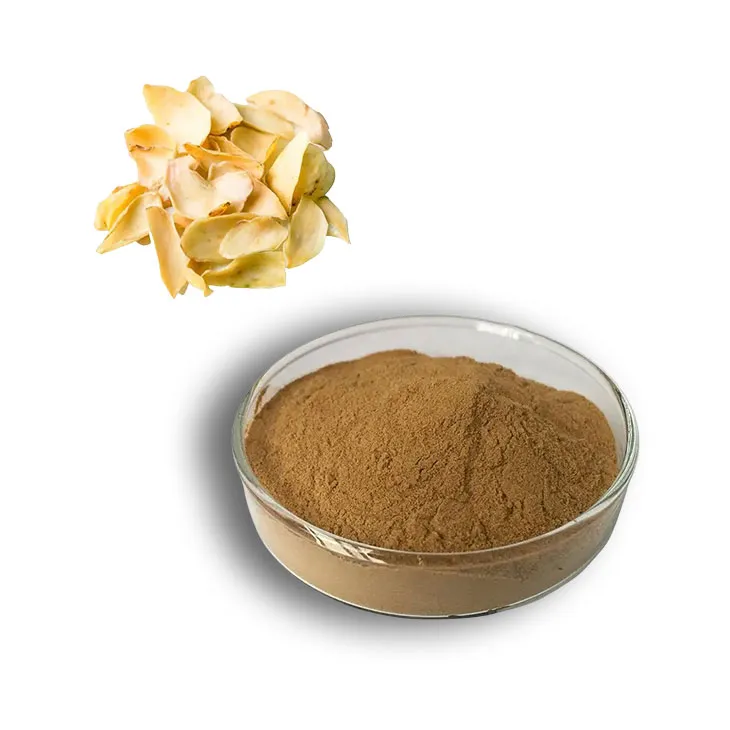
Lily extract
2026-08-18
-
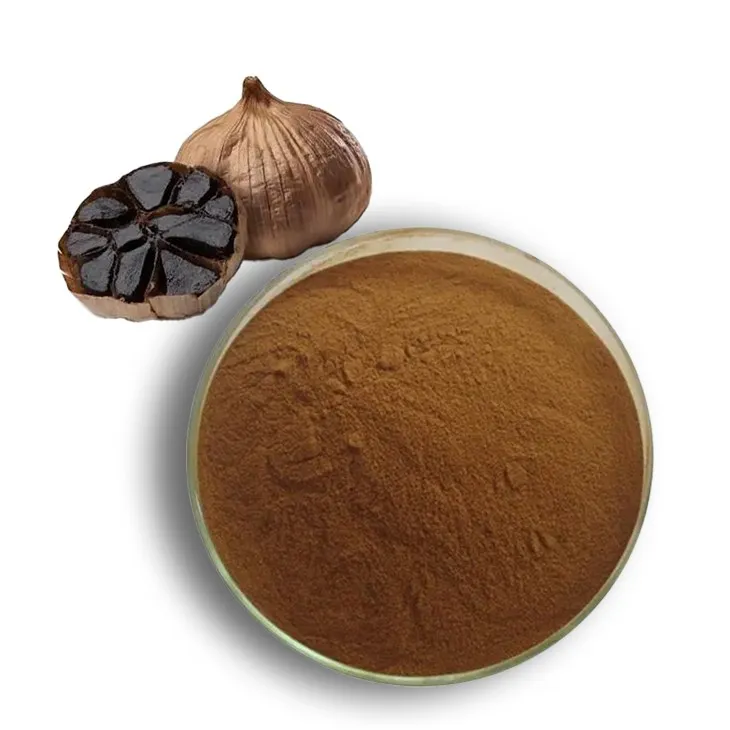
Black Garlic Extract
2026-08-18
-
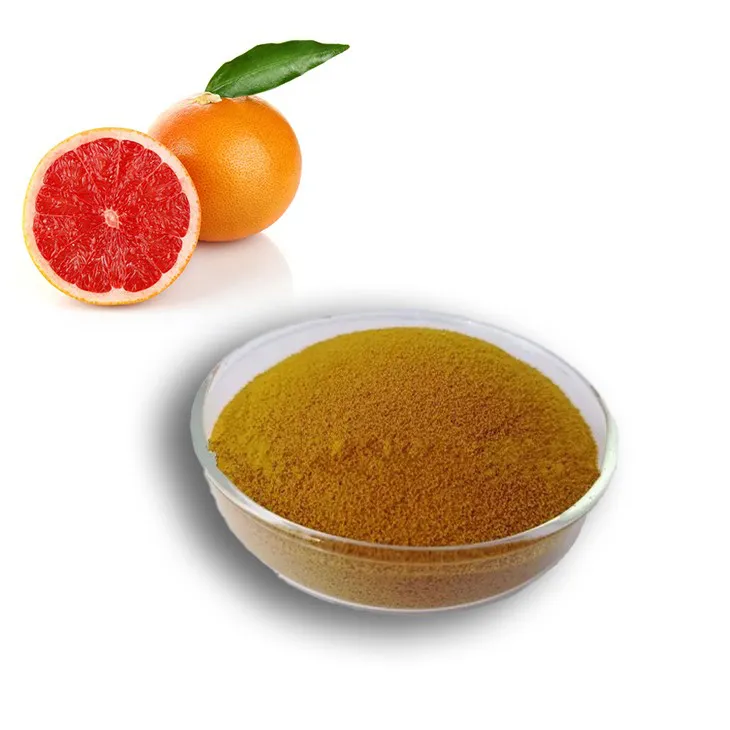
Grapefruit Seed Extract Powder
2026-08-18
-
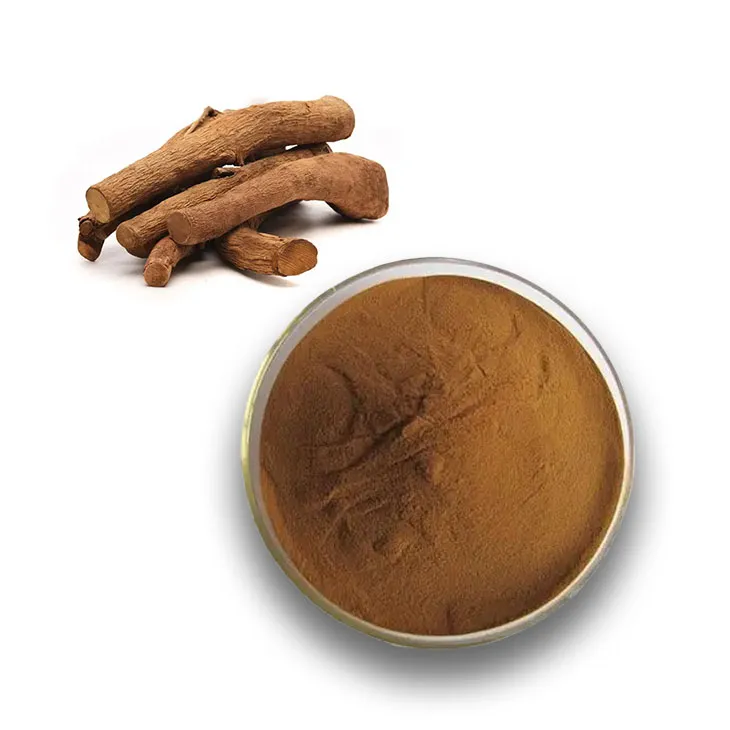
Tongkat Ali Extract
2026-08-18
-
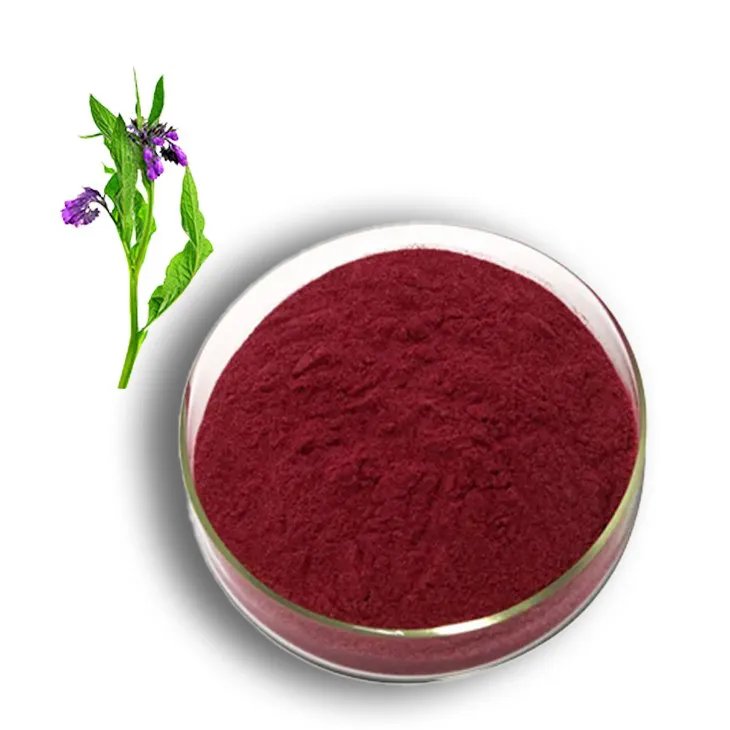
Shikone Extract
2026-08-18
-
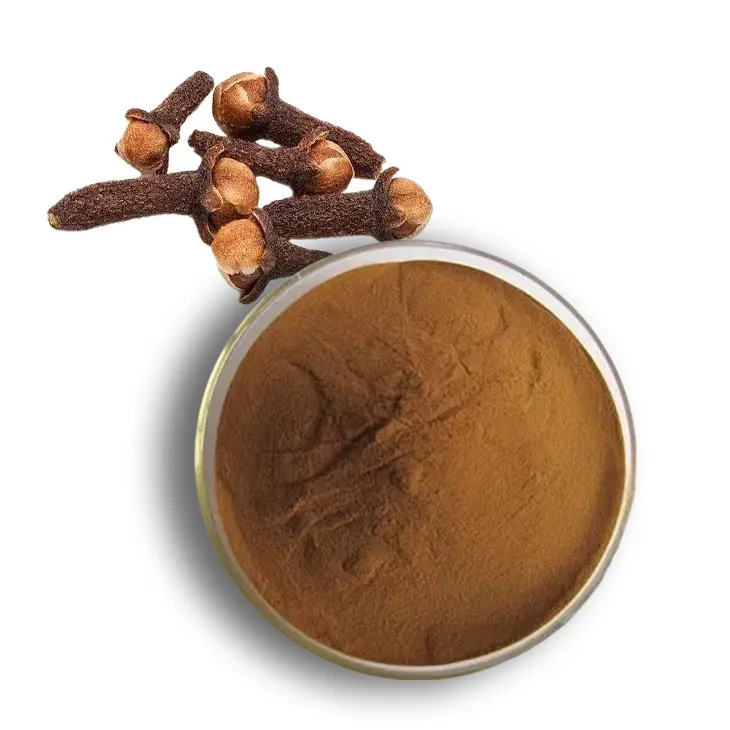
Clove Powder
2026-08-18
-
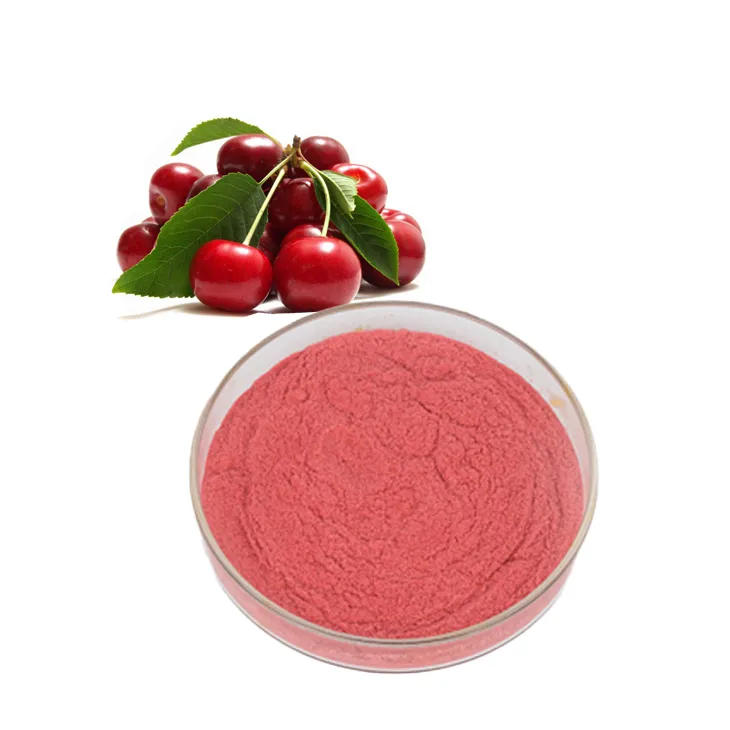
Acerola Extract
2026-08-18
