- 0086-571-85302990
- [email protected]






What are the benefits of resveratrol vs grape seed extract for skin?
2026-08-15
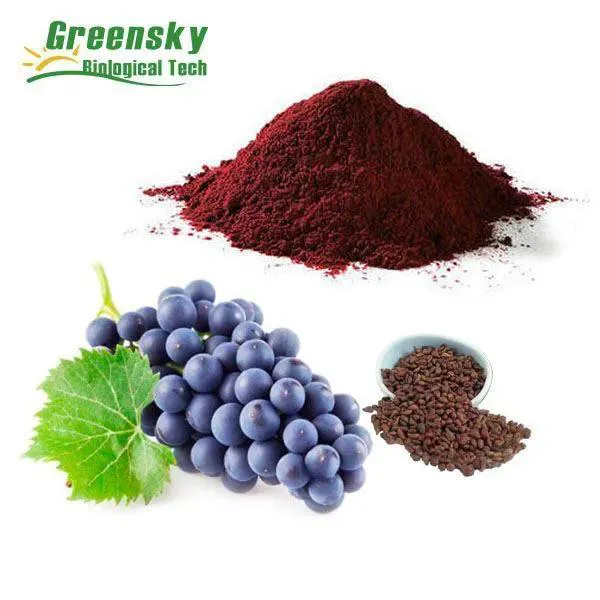
Resveratrol and Grape Seed Extract are two of the most talked-about antioxidants in skincare, and for good reason. Both come from grapes, both fight the free radicals that age your skin, and both show up in everything from serums to supplements. But they are not the same ingredient, and they support your skin in quite different ways.
If you are trying to decide which one deserves a place in your routine, the short answer is: it depends on what your skin actually needs. This guide breaks down the skin-specific benefits of resveratrol vs grape seed extract, how they differ, and how to choose the right one.
What is resveratrol?
Resveratrol is a single polyphenol (a stilbene) that plants produce as a natural defense against stress, injury, and ultraviolet radiation. It is found in grape skins, red wine, blueberries, and Japanese knotweed, which is the most common source for supplements and cosmetic ingredients.
For skin, resveratrol is best known for its ability to switch on the body's own antioxidant defenses and calm the inflammatory response triggered by UV exposure. Because it is a single, well-studied molecule, it is easy to standardize and formulate, which is one reason it appears so often in anti-aging serums and creams.
What is Grape Seed Extract?
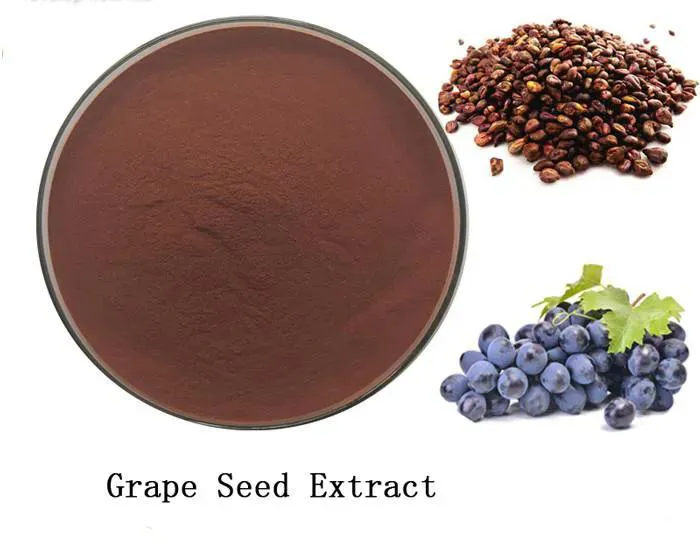
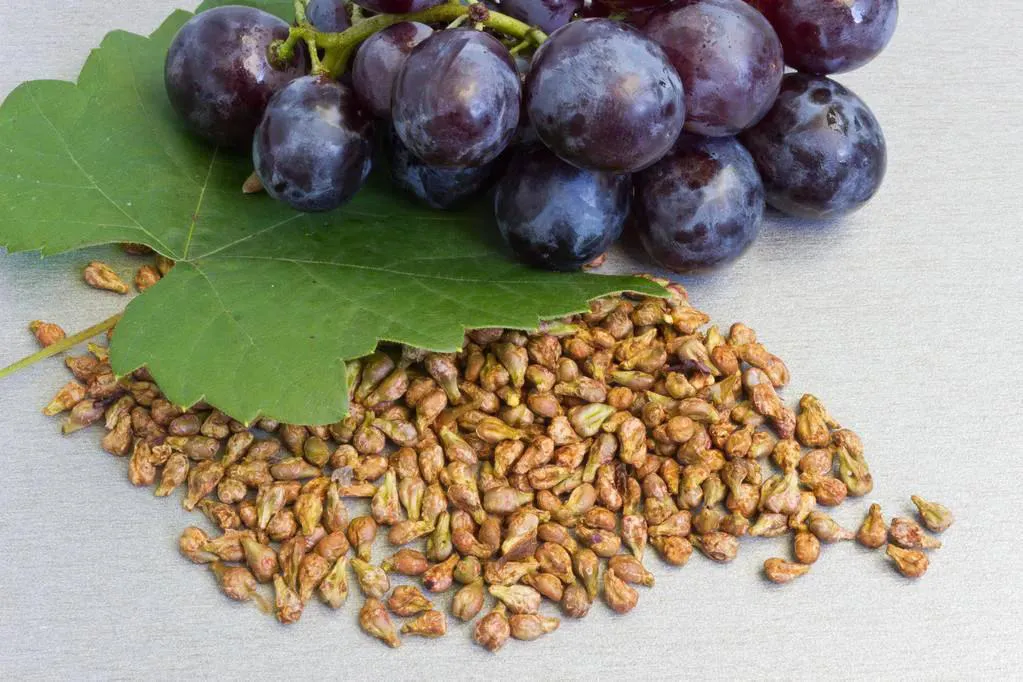
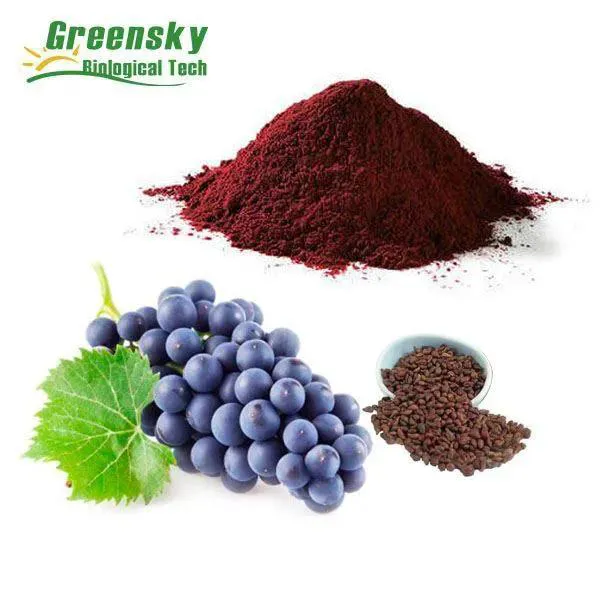
Grape Seed Extract is a completely different story. Instead of being a single compound, it is a concentrated blend of polyphenols, most notably oligomeric proanthocyanidins (OPCs), along with flavonoids and small amounts of vitamin E. These compounds are extracted from the seeds of grapes, not the skins.
OPCs are unusually strong free-radical scavengers, and they have a particular affinity for connective tissue. That makes grape seed extract a go-to ingredient for supporting collagen, skin elasticity, and the microcirculation that keeps skin looking plump and even-toned.
Resveratrol vs grape seed extract: key differences
| Feature | Resveratrol | Grape seed extract |
|---|---|---|
| Source | Grape skins, red wine, Japanese knotweed | Grape seeds |
| Key compounds | Single polyphenol (trans-resveratrol) | OPCs, flavonoids, vitamin E |
| Main skin action | UV defense, calming inflammation, slowing visible aging | Collagen support, elasticity, circulation, antioxidant shield |
| Best for | Mature or sun-exposed skin, anti-aging formulas | Dull, tired, or sagging skin; strengthening skin structure |
| Typical form | Serums, creams, supplements | Creams, powders, supplements |
Skin benefits compared
1. Antioxidant protection
Both ingredients neutralize free radicals, but they do it through different mechanisms. Resveratrol works partly by boosting your skin's own antioxidant enzymes, while grape seed extract delivers a dense supply of OPCs that directly soak up oxidative stress. If your main concern is everyday environmental damage, either one helps; if you want maximum antioxidant density, grape seed extract tends to come out ahead.
2. UV defense and photoaging
This is where resveratrol shines. Research has shown that resveratrol can help limit the damage UV light does to skin cells, reducing the oxidative and inflammatory signals that lead to premature wrinkles and uneven pigmentation. It is not a sunscreen, but it is a useful supporting player in any routine for sun-exposed skin.
3. Collagen and elasticity
Grape seed extract is the stronger choice here. Its OPCs help protect collagen and elastin from breakdown and support the connective tissue that keeps skin firm. Many people notice improved elasticity and a smoother texture with consistent use, which is why grape seed extract is such a common ingredient in firming and anti-aging products.
4. Skin tone and circulation
Grape seed extract also supports healthy microcirculation, which helps deliver oxygen and nutrients to skin cells. Better circulation is linked to a more even, brighter complexion. Resveratrol, meanwhile, helps calm redness and inflammation, making it a good option for reactive or sensitive skin.
Which one is better for your skin?
There is no single winner, because they address different needs. If your priority is defending against UV damage, calming inflammation, and slowing the visible signs of aging, resveratrol is the more targeted choice. If your priority is firmness, elasticity, collagen support, and an overall antioxidant shield, grape seed extract is the better fit.
Many people use both, and the two actually complement each other well since they work through different pathways. A routine that combines resveratrol for photoaging defense with grape seed extract for structure and elasticity covers more ground than either one alone.
Choosing a quality ingredient
Whether you are formulating a skincare product or sourcing ingredients for a supplement line, quality starts with the raw material. Look for resveratrol standardized to trans-resveratrol, the biologically active and stable form, and grape seed extract standardized to a high OPC content, typically 70% to 95%. Reliable suppliers provide certificates of analysis and clear documentation of purity and active compound levels.
A manufacturer with a dedicated laboratory and strict quality systems makes this much easier. Grape seed extract and resveratrol from Greensky are produced under food-grade clean conditions, with independent testing by GC, HPLC, and UV, and the company holds certifications including ISO22000, BRCGS, HALAL, and Kosher. With more than twenty years of experience in plant extracts, Greensky supplies consistent, well-documented ingredients to formulators and brands worldwide.
Frequently asked questions
Can I use resveratrol and grape seed extract together?
Yes. They work through different pathways, so combining them is generally safe and can give more complete skin support than either ingredient on its own.
Is grape seed extract or resveratrol better for anti-aging?
It depends on the aging concern. Resveratrol is stronger for UV-related aging and inflammation, while grape seed extract is stronger for collagen, firmness, and elasticity. Many anti-aging formulas include both.
Are these ingredients suitable for sensitive skin?
Both are generally well tolerated. Resveratrol's calming effect can be helpful for reactive skin, and grape seed extract is gentle when used at appropriate concentrations. As with any active ingredient, patch testing is a sensible first step.
Where can I buy resveratrol and grape seed extract in bulk?
For brands and formulators, sourcing directly from a manufacturer is the most reliable route. Greensky supplies both ingredients with full documentation, and you can learn more about the grape seed extract benefits for skin and resveratrol on their product pages.
TAGS:
- ▶ Hesperidin
- ▶ Citrus Bioflavonoids
- ▶ Plant Extract
- ▶ lycopene
- ▶ Diosmin
- ▶ Grape seed extract
- ▶ Sea buckthorn Juice Powder
- ▶ Fruit Juice Powder
- ▶ Hops Extract
- ▶ Artichoke Extract
- ▶ Mushroom extract
- ▶ Astaxanthin
- ▶ Green Tea Extract
- ▶ Curcumin
- ▶ Horse Chestnut Extract
- ▶ Other Product
- ▶ Boswellia Serrata Extract
- ▶ Resveratrol
- ▶ Marigold Extract
- ▶ Grape Leaf Extract
- ▶ New Product
- ▶ Aminolevulinic acid
- ▶ Cranberry Extract
- ▶ Red Yeast Rice
- ▶ Red Wine Extract
- ▶ blog
-
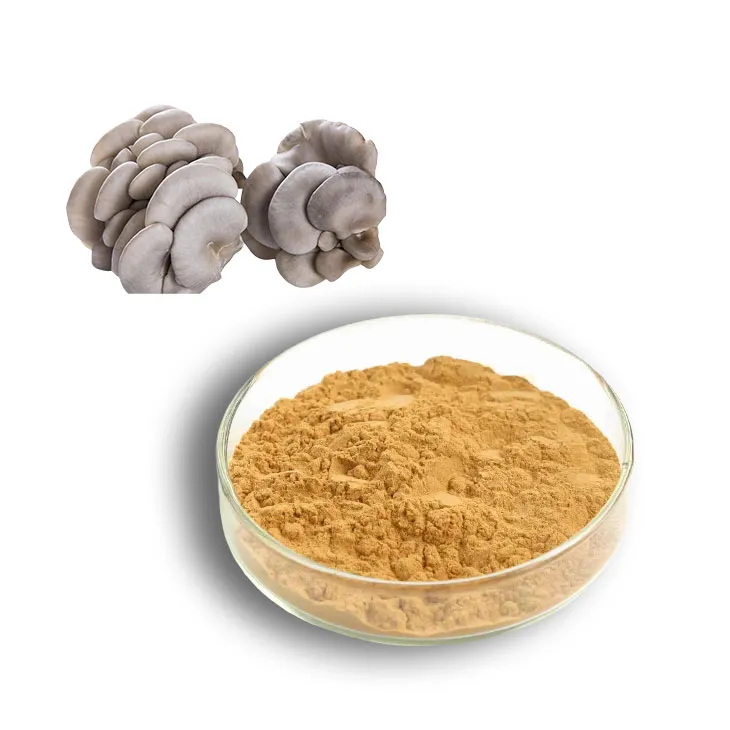
Oyster Mushroom Extract Powder
2026-08-15
-
Rose Hip Extract
2026-08-15
-
Cassia Seed Extract
2026-08-15
-
Mangosteen extract powder
2026-08-15
-
Polygonum multiflorum extract
2026-08-15
-
Yellow Pine Extract
2026-08-15
-
Green Tea Extract
2026-08-15
-
Senna Leaf Extract
2026-08-15
-
Astaxanthin
2026-08-15
-
Medicinal Marshmallow Extract
2026-08-15
