- 0086-571-85302990
- [email protected]






What are the benefits of horse chestnut extract for veins?
2026-08-13
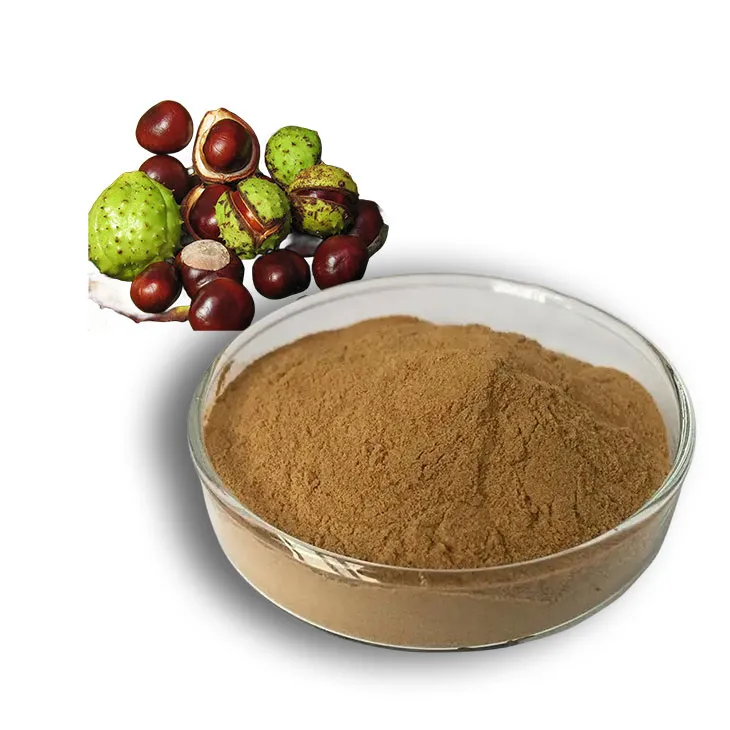
Horse Chestnut Extract has earned a reputation as one of the most studied natural ingredients for vein health, and that reputation is backed by real clinical data. For people who deal with heavy, aching legs, visible varicose veins or persistent ankle swelling, this botanical extract is often the first thing a knowledgeable practitioner recommends. The question is not whether it works, but what exactly it does, how much you need, and how to choose a product that is both safe and effective.
This guide answers those questions clearly, drawing on the clinical evidence behind Horse Chestnut Extract and explaining how it supports the veins from the inside out.
What Horse Chestnut Extract actually is
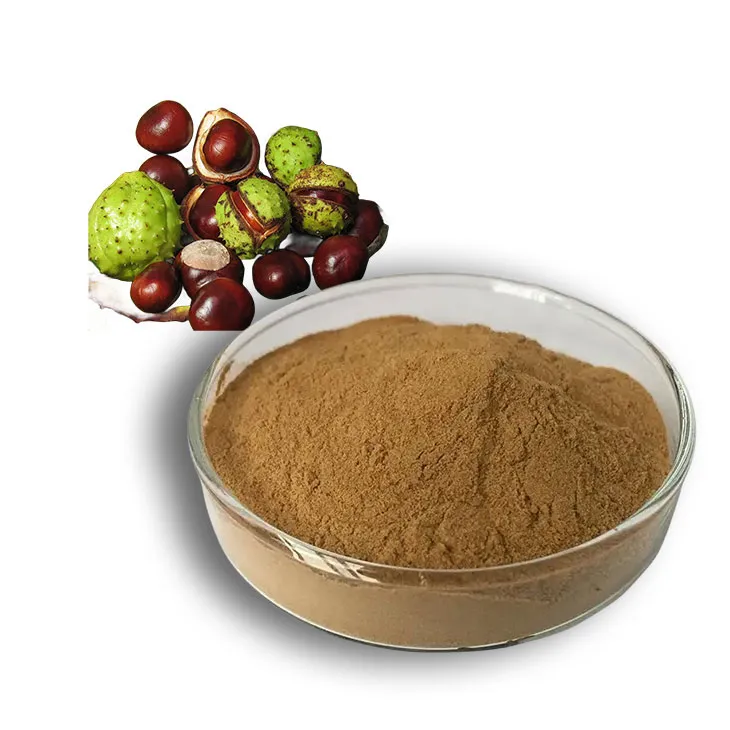
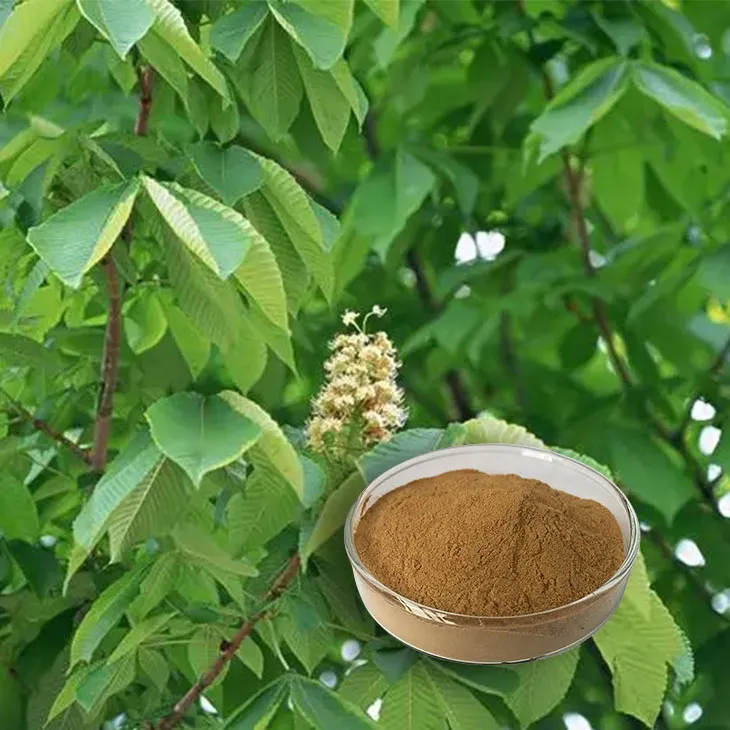
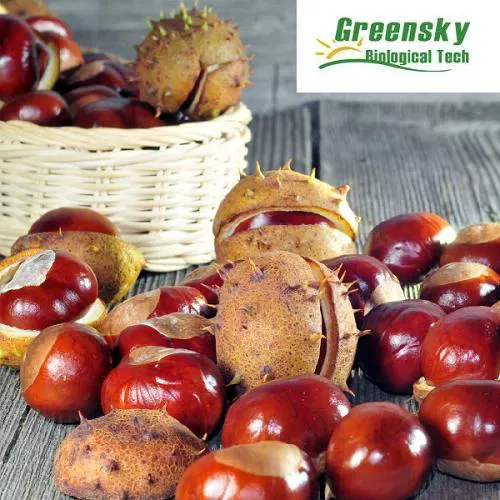
Horse chestnut comes from the seeds of the tree Aesculus hippocastanum, a species native to the Balkans that is now widely planted across Europe and North America. Despite its name, the tree is not related to the sweet chestnut you might roast in the winter, and its raw seeds are not safe to eat. What makes the seed valuable is a group of compounds centered on a saponin called aescin (also written escin), which is responsible for most of the extract's effects on the veins.
The key point is that benefits come from processed, standardized extracts, not from the raw plant. Raw seeds, bark, leaves and flowers contain a toxic compound called esculin that must be removed during manufacturing. This is one reason the quality and sourcing of the extract matter so much, and it is why buyers should only work with horse chestnut extract suppliers who can document their production process.
How it works for the veins
The active compound aescin works at a very specific point in the vascular system. Veins carry blood back to the heart, helped along by one-way valves that stop blood from pooling in the legs. When these valves weaken or the vein walls lose tone, blood collects and the veins can bulge, a condition known as chronic venous insufficiency. Over time this produces the classic symptoms: swelling, aching, a feeling of heaviness, and visible varicose veins.
Aescin helps by tightening the tiny gaps between the cells that line the blood vessels, reducing the leakage of fluid into the surrounding tissue. That fluid pooling is what causes much of the swelling and heaviness people notice. By limiting this leakage, horse chestnut extract eases the pressure in the legs and supports the veins in doing their job more efficiently.
What the clinical evidence shows
Horse chestnut extract is the most thoroughly studied herbal treatment for varicose veins and chronic venous insufficiency. A Cochrane review that combined six trials involving more than 500 participants found that the extract significantly reduced lower leg volume compared with a placebo, with measurable decreases in both ankle and calf circumference. In one of the trials, 63% of people taking the extract reported improvement in leg pain, compared with 44% on placebo.
Importantly, its effectiveness has been compared directly with compression stockings, the standard non-surgical treatment for venous insufficiency, and found to be similar. Most people notice improvement within about four weeks of consistent use. This is why many clinicians regard standardized horse chestnut extract as a genuine option for managing mild to moderate vein symptoms, rather than a vague wellness trend.
The main benefits for veins
When you understand how the extract works, its benefits for the veins fall into a clear pattern. The most consistent and best-documented benefit is the relief of leg swelling and heaviness, driven by the reduction in fluid leakage through the vein walls. For people who stand for long hours or feel their legs tire by the end of the day, this is often the first improvement they notice.
Pain and aching in the legs also respond well, as the reduced pressure inside the veins takes tension off the surrounding tissue. Varicose veins themselves become less uncomfortable, even if the extract does not erase the veins that have already bulged. Because the same venous mechanism is involved, horse chestnut extract has also long been used to ease the discomfort of hemorrhoids, which are essentially veins that swell in the lower rectal area. In short, the benefits all trace back to one effect: helping the veins move blood more effectively and holding fluid where it belongs.
Dosage and standardization
The clinical research points to a specific and consistent dose. The most commonly studied regimen is 300 mg of horse chestnut seed extract taken twice a day, standardized to deliver 50 mg of aescin per dose, for a total of about 100 mg of aescin daily. Products that are standardized to an aescin content of 17% or higher are generally considered optimal for this purpose.
Standardization matters because it guarantees that every dose contains a reliable amount of the active compound, rather than an unpredictable pinch of plant powder. This is the same reason serious manufacturers invest in equipment such as HPLC and UV analysis to verify the aescin content of every batch. If a label cannot tell you the standardized aescin level, it becomes difficult to know whether the product matches the doses used in the research.
How to choose a quality extract
Because raw horse chestnut is unsafe and the active compound must be carefully extracted and standardized, the difference between a good extract and a poor one is largely a matter of manufacturing discipline. Look for a supplier that operates under recognized quality systems such as ISO 22000, ISO 9001 or GMP, and that can provide documentation for both the raw material and the finished product, including testing for heavy metals, pesticide residues and microbial contamination.
For businesses sourcing ingredients at scale, working with an experienced plant extract supplier with vertical integration, from sourcing and extraction to final testing, gives you confidence that every batch is consistent and traceable. A manufacturer with its own laboratory and certifications such as BRCGS, HALAL and Kosher is far more likely to deliver a product that matches what the clinical trials used.
Safety considerations
Standardized horse chestnut seed extract is generally well tolerated when taken as directed, with side effects mostly limited to occasional digestive discomfort, dizziness or itching. The most important rule is to use only processed extracts that have had esculin removed. Raw horse chestnut seeds, bark and leaves are unsafe and should never be consumed.
People taking blood-thinning medications such as warfarin or aspirin should speak with a healthcare professional or pharmacist before using horse chestnut extract, since it may add to the effect of these drugs. Those with kidney conditions should also exercise caution. As with any supplement, it is wise to confirm the product is safe for your own situation before you begin.
The bottom line
For anyone dealing with swollen, heavy or aching legs, varicose veins, or the broader discomfort of chronic venous insufficiency, horse chestnut extract offers some of the strongest clinical support found among herbal remedies. Its benefits come from a well-understood mechanism, it has been tested against a placebo and even against compression stockings, and it works at a dose that is easy to standardize.
The key is choosing a properly standardized extract from a manufacturer you can trust. Hangzhou Greensky Biological Tech. Co., Ltd. has more than two decades of experience in the research and production of active botanical ingredients, and supplies high-quality horse chestnut extract as part of a large catalog of plant extracts. If you are sourcing this ingredient for your own brand, ask each supplier the same things: how the extract is standardized, how it is tested, and what certifications stand behind their facility.
TAGS:
- ▶ Hesperidin
- ▶ Citrus Bioflavonoids
- ▶ Plant Extract
- ▶ lycopene
- ▶ Diosmin
- ▶ Grape seed extract
- ▶ Sea buckthorn Juice Powder
- ▶ Fruit Juice Powder
- ▶ Hops Extract
- ▶ Artichoke Extract
- ▶ Mushroom extract
- ▶ Astaxanthin
- ▶ Green Tea Extract
- ▶ Curcumin
- ▶ Horse Chestnut Extract
- ▶ Other Product
- ▶ Boswellia Serrata Extract
- ▶ Resveratrol
- ▶ Marigold Extract
- ▶ Grape Leaf Extract
- ▶ New Product
- ▶ Aminolevulinic acid
- ▶ Cranberry Extract
- ▶ Red Yeast Rice
- ▶ Red Wine Extract
- ▶ blog
-
Chasteberry Extract
2026-08-13
-
Bayberry Extract
2026-08-13
-
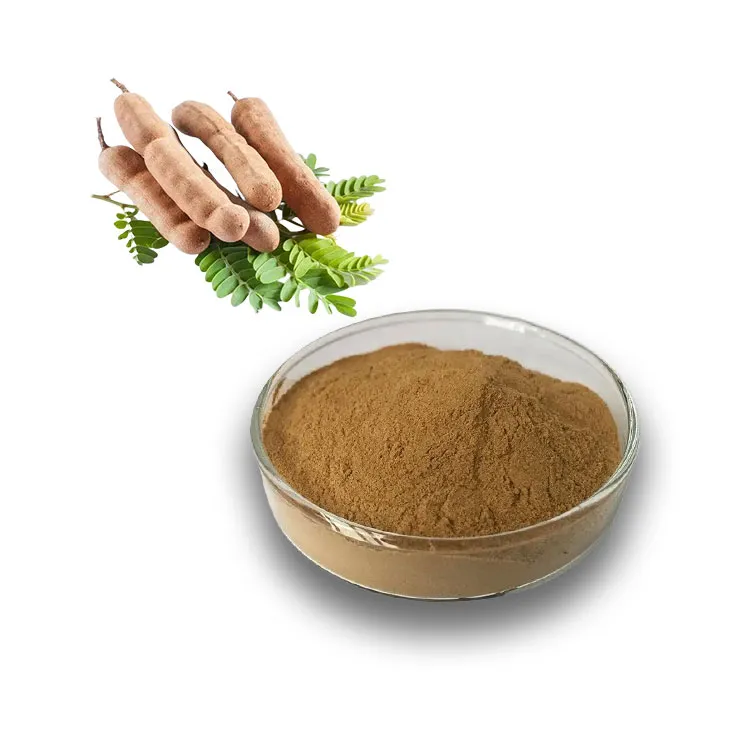
Tamarind extract powder
2026-08-13
-
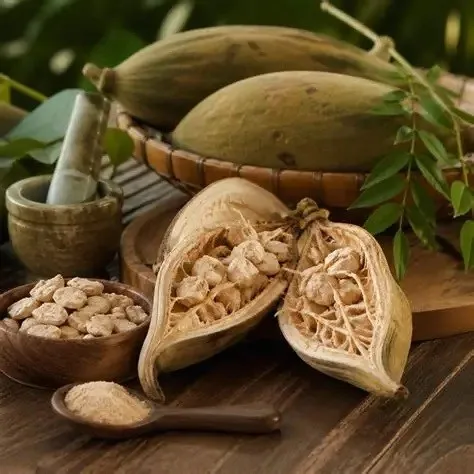
Baobab Fruit Extract
2026-08-13
-
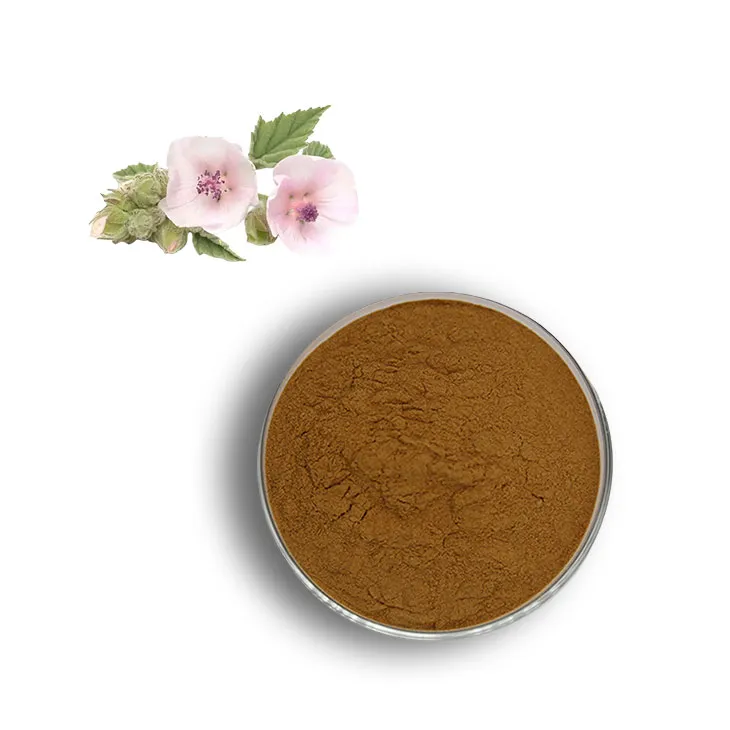
Medicinal Marshmallow Extract
2026-08-13
-
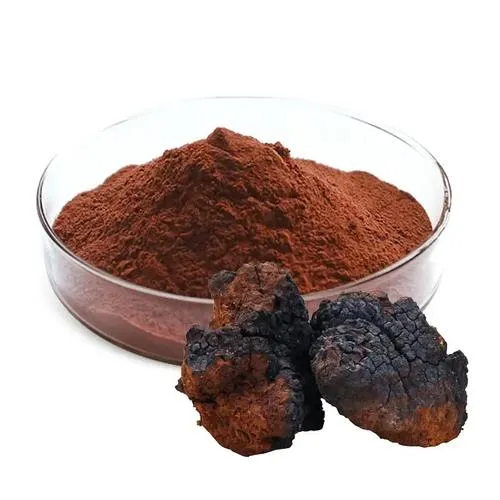
Chaga Mushroom Extract
2026-08-13
-
Beta Carotene
2026-08-13
-
Honeysuckle Pollen
2026-08-13
-
Saffron Extract Powder
2026-08-13
-
Grape Seed Extract
2026-08-13
