We have five factories and 23 years of experience in plant extracts
- 0086-571-85302990
- [email protected]




What are the benefits of green tea vs green tea extract?
2026-08-13
Related Product
Green Tea Extract
Green Sky Bio is the largest plant extract manufacturer exporter and supplier, provide plant extract, annual production 2500 tons China
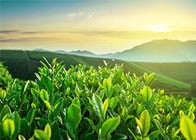
Green tea has been valued for centuries as a simple, refreshing drink. In recent years, its concentrated form, Green Tea Extract, has become just as familiar on supplement shelves. Both come from the same Camellia sinensis plant, yet they are used very differently. This article breaks down the differences between green tea and Green Tea Extract, compares their benefits, and helps you decide which one fits your lifestyle and goals.
What is green tea?
Green tea is a beverage made by steaming fresh leaves of the Camellia sinensis plant and then steeping them in hot water. Because the leaves are hardly fermented, they keep a large share of their natural compounds, especially a group of plant pigments and antioxidants called catechins. The most studied catechin is epigallocatechin gallate, usually shortened to EGCG. A cup of green tea delivers a modest, gentle dose of these compounds along with a small amount of caffeine and the amino acid L-theanine.
What is Green Tea Extract?
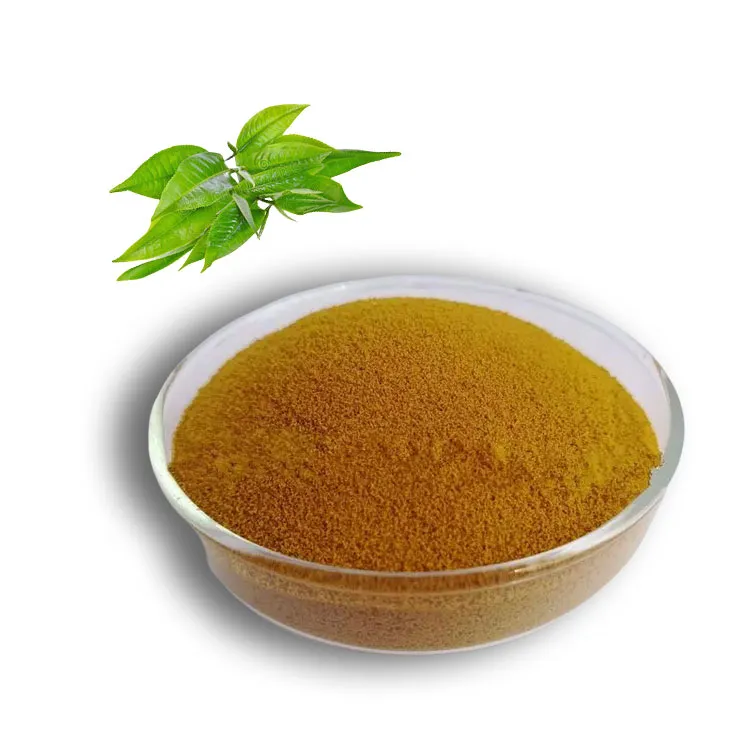
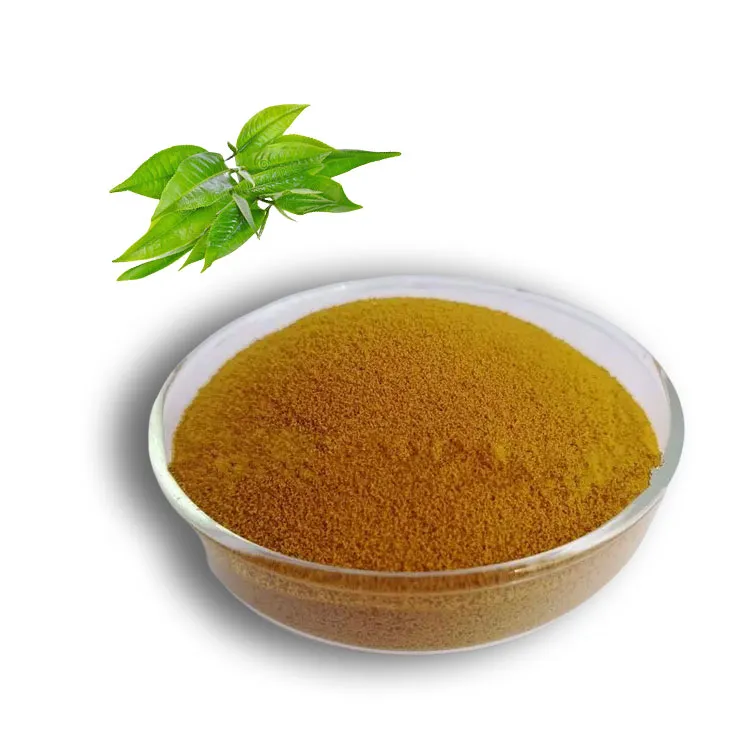
Green tea extract is produced by taking green tea leaves and processing them into a concentrated powder or liquid. The active compounds are extracted and often standardized, which means the manufacturer guarantees a specific level of polyphenols or EGCG in every batch. Because the extract is many times more concentrated than a brewed cup, a single capsule can provide the equivalent of several cups of tea. This makes it a practical option for people who want a consistent, measurable intake without drinking a lot of liquid.
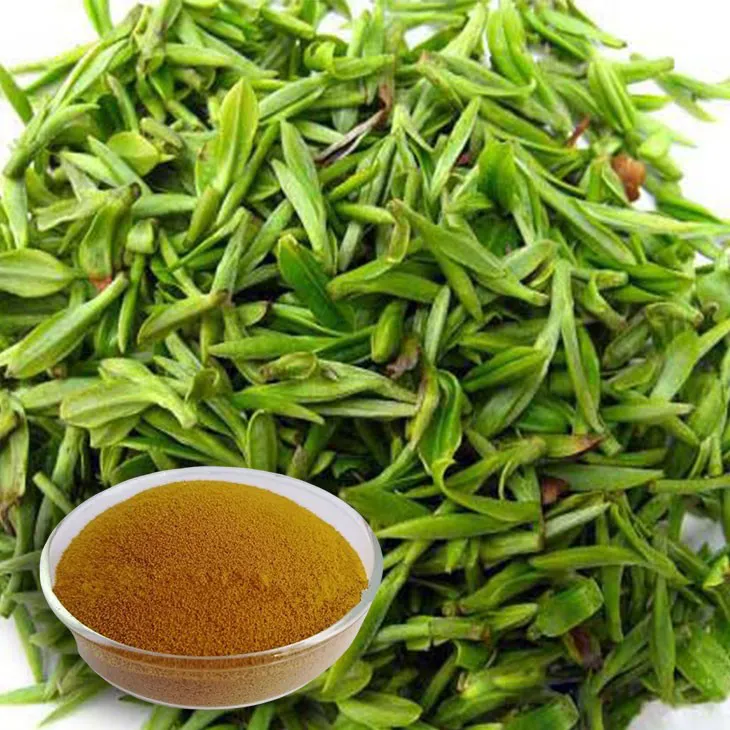
Green tea vs green tea extract: the core differences
The main difference comes down to concentration, convenience, and how the body receives the compounds. Brewed green tea is gentle, hydrating, and pleasant to drink, but the amount of active ingredients varies with the leaves, water temperature, and brewing time. Green tea extract delivers a standardized, reproducible dose in a small serving, which is why it is widely used in supplements and functional foods.
| Feature | Green tea (brewed drink) | Green tea extract |
|---|---|---|
| Form | Hot or iced beverage | Capsule, tablet, or powder |
| Concentration | Low, varies by brew | High, standardized |
| Caffeine | Present in each cup | Can be decaffeinated |
| Convenience | Needs time and water | Quick and portable |
| Best for | Daily hydration and routine | Consistent, targeted intake |
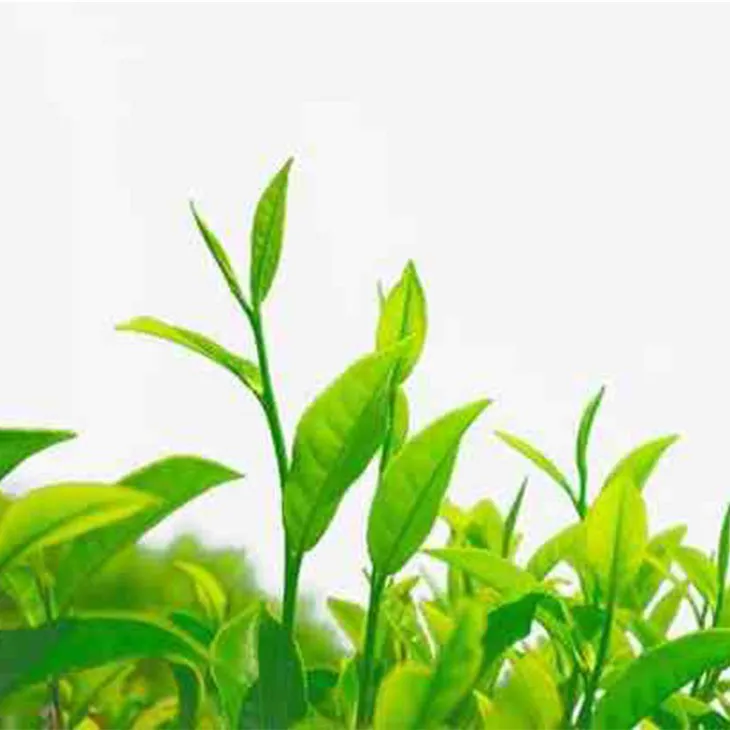
Health benefits of green tea and green tea extract
Both forms share the same foundation of beneficial compounds, led by catechins and EGCG. Research has linked regular intake of green tea catechins with support for cardiovascular health by helping maintain healthy cholesterol and blood pressure levels, as well as supporting normal blood sugar balance. Green tea is also well known as a natural source of antioxidants that help the body manage everyday oxidative stress.
For weight management, green tea and its extract are often studied together with regular exercise and a balanced diet. The caffeine and catechins in green tea are thought to support metabolism and fat oxidation, which is why green tea extract is a frequent ingredient in weight management formulas. Because the extract is concentrated, it can deliver a more noticeable catechin intake than drinking tea alone, which matters if you are taking it for a specific goal.
Green tea extract is also popular in skincare and beauty products. Applied topically or taken as a supplement, its antioxidants are used to support skin health and help protect the skin from the visible effects of daily environmental stress. Many formulators turn to green tea extract for skin care because the standardized polyphenol content makes results easier to control.
Which one should you choose?
There is no single right answer, because the two forms serve different purposes. If you enjoy the ritual of drinking tea, want gentle daily hydration, and prefer a natural, low-dose intake, brewed green tea is a great choice. If you want a consistent, concentrated dose of catechins, have a busy schedule, or are formulating a food or supplement product, green tea extract offers a more practical and measurable option. Many people use both, drinking tea for pleasure while turning to an extract for a targeted supplement.
What to look for in a high-quality green tea extract
Quality matters a great deal with herbal extracts. Look for a product that lists its polyphenol or EGCG content clearly, and check that it comes with purity and safety documentation. For food and beverage makers, working with a reliable green tea extract supplier who can provide batch-specific testing, certificates, and stable supply is essential for keeping your own products consistent. Depending on your target audience, you may also want an organic or decaffeinated version.
Sourcing green tea extract for your brand
If you are a supplement brand, food manufacturer, or distributor looking to add green tea ingredients to your lineup, sourcing from an experienced green tea extract manufacturer gives you access to standardized raw materials backed by proper documentation. A dependable manufacturer should be able to provide certificates such as ISO, HALAL, and Kosher, as well as export-ready paperwork that supports your own regulatory submissions. True vertical integration, from raw leaf to finished extract, also helps ensure stable pricing and consistent quality across batches.
A note on safety
Green tea is safe for most people as part of a normal diet. Because extracts are concentrated, it is sensible to follow the dosage on the product label, take them with food, and speak with a healthcare professional first if you have a liver condition, are pregnant or breastfeeding, or take prescription medication. As with any extract, "more" is not automatically "better," so a well-dosed, standardized product is usually the smartest choice.
The bottom line
Green tea and green tea extract both come from the same remarkable leaf, but they suit different needs. Brewed tea is about gentle daily enjoyment, while extract is about concentrated, consistent intake. Understand the difference, and you can choose the form that best supports your health goals, your routine, or your product line.
TAGS:
FAQ
- ▶ Hesperidin
- ▶ Citrus Bioflavonoids
- ▶ Plant Extract
- ▶ lycopene
- ▶ Diosmin
- ▶ Grape seed extract
- ▶ Sea buckthorn Juice Powder
- ▶ Fruit Juice Powder
- ▶ Hops Extract
- ▶ Artichoke Extract
- ▶ Mushroom extract
- ▶ Astaxanthin
- ▶ Green Tea Extract
- ▶ Curcumin
- ▶ Horse Chestnut Extract
- ▶ Other Product
- ▶ Boswellia Serrata Extract
- ▶ Resveratrol
- ▶ Marigold Extract
- ▶ Grape Leaf Extract
- ▶ New Product
- ▶ Aminolevulinic acid
- ▶ Cranberry Extract
- ▶ Red Yeast Rice
- ▶ Red Wine Extract
- ▶ blog
Recommended Products
-
Dan Shen Root Extract/Salvia Root Extract
2026-08-13
-
Hericium erinaceus extract powder
2026-08-13
-
Withania Somnifera Extract
2026-08-13
-
Hedyotis Diffusa Extract
2026-08-13
-
Acerola Juice Powder
2026-08-13
-
Curcumin
2026-08-13
-
Phosphatidylserine
2026-08-13
-
Clove Powder
2026-08-13
-
Natural grape seed extract
2026-08-13
-
Tongkat Ali Extract Powder
2026-08-13
Get a Quote