- 0086-571-85302990
- [email protected]





What are the benefits of edible rosemary extract in food products?
2026-08-18
What Are the Benefits of Edible Rosemary extract in Food Products?
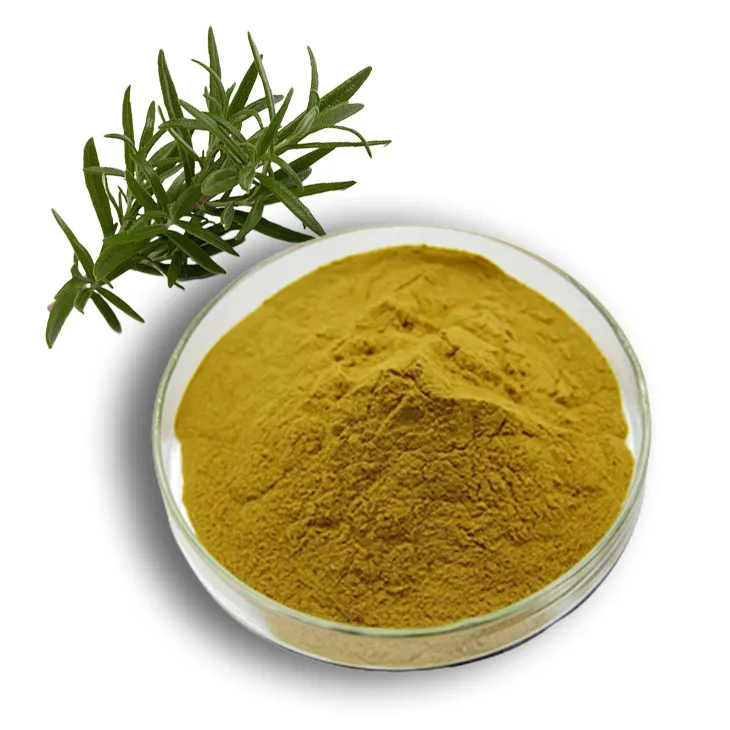
Consumers today want food that stays fresh, looks appealing and tastes right — without a long list of synthetic additives printed on the label. This shift has pushed manufacturers to look for natural ingredients that can do heavier lifting, and edible rosemary extract has become one of the most trusted answers. Extracted from the leaves of the rosemary plant, it is rich in natural antioxidants, essential oils and nutrients, and it is increasingly used across the food and beverage industry to extend shelf life, improve taste and enhance nutritional value.
If you are developing a new recipe, reformulating a classic product or simply trying to move away from chemical preservatives, it helps to understand exactly what this ingredient can and cannot do. Below is a practical look at the main benefits of adding edible Rosemary extract to your food products, and what to keep in mind when sourcing it.
1. A Natural Antioxidant That Protects Fats and Oils
The most widely recognised benefit of rosemary extract is its antioxidant power. Its active compounds, mainly carnosic acid, carnosol and rosmarinic acid, help slow down lipid oxidation — the chemical reaction that causes oils, nuts, snacks, sauces and processed meats to turn rancid and develop off-flavours. By delaying oxidation, the extract helps products keep their texture, colour and aroma for longer, so you can offer a longer shelf life without relying on heavy synthetic preservation.
2. A Clean-Label Substitute for Synthetic Preservatives
Many food producers are working to reduce synthetic antioxidants such as BHT and BHA. Rosemary-based ingredients give formulators a natural option that still delivers strong protection. Because the extract is a robust antioxidant and typically shows antimicrobial activity as well, it supports both the prevention of oxidation and the control of spoilage organisms — two goals that once required several different additives.
3. Versatile Across Many Food Categories
Edible Rosemary extract performs well in a wide range of formats. It can be supplied as a water-soluble form that suits beverages, sauces, marinades and liquid seasonings, or as an oil-soluble form designed for frying oils, dressings, mayonnaise and other fat-based products. This flexibility also extends to bakery fillings, snack seasonings, meat and poultry products, and functional food formulas, making it a convenient single ingredient for a varied product line.
4. Good Heat Stability for Processing
Rosemary-derived antioxidants are valued for their stability under high temperatures. Baking, frying, pasteurisation and retort processing expose ingredients to strong heat, and ingredients that degrade quickly lose their protective value. Rosemary extract keeps its activity well in these conditions, which is why it is regularly chosen for processed foods that go through intensive manufacturing steps.
5. A Cleaner Profile That Resonates With Consumers
Keeping a short, recognisable ingredient list matters more than ever in food retail. Because the extract comes from a familiar herb and is described simply on packaging, it supports a clean-label marketing story while still giving you the functional performance you expect from a technical ingredient. In short, you get preservation benefits and a consumer-friendly image at the same time.
How to Choose a Reliable Supplier
The benefits above only appear when the extract itself is consistent, pure and correctly matched to your application. That is why sourcing matters as much as the ingredient choice. Look for a manufacturer that can supply both water-soluble and oil-soluble specifications, provide clear documentation on active compound content, and back its product with recognised quality certifications.
A rosemary extract supplier with dedicated production facilities offers a real advantage here. Hangzhou Greensky Biological Tech. Co., Ltd. has specialised in natural plant extracts since 2004, bringing more than two decades of experience in sourcing, processing and quality control. Its 100,000-class clean production area meets food-grade requirements, its independent laboratory is equipped with instruments such as GC, HPLC and UV for batch testing, and its production lines are certified against internationally recognised standards including ISO22000, BRCGS, Ecocert Organic, ISO9001, HALAL and Kosher. These systems help ensure every batch of edible rosemary extract you receive is stable, traceable and suitable for food use.
As with any functional ingredient, the right choice depends on your recipe, your processing conditions and your market. Edible rosemary extract offers a proven combination of antioxidant protection, process tolerance, product versatility and a consumer-friendly story — which is why so many food manufacturers treat it as a core part of their clean-label toolbox.
TAGS:
- ▶ Hesperidin
- ▶ Citrus Bioflavonoids
- ▶ Plant Extract
- ▶ lycopene
- ▶ Diosmin
- ▶ Grape seed extract
- ▶ Sea buckthorn Juice Powder
- ▶ Fruit Juice Powder
- ▶ Hops Extract
- ▶ Artichoke Extract
- ▶ Mushroom extract
- ▶ Astaxanthin
- ▶ Green Tea Extract
- ▶ Curcumin
- ▶ Horse Chestnut Extract
- ▶ Other Product
- ▶ Boswellia Serrata Extract
- ▶ Resveratrol
- ▶ Marigold Extract
- ▶ Grape Leaf Extract
- ▶ New Product
- ▶ Aminolevulinic acid
- ▶ Cranberry Extract
- ▶ Red Yeast Rice
- ▶ Red Wine Extract
- ▶ blog
-
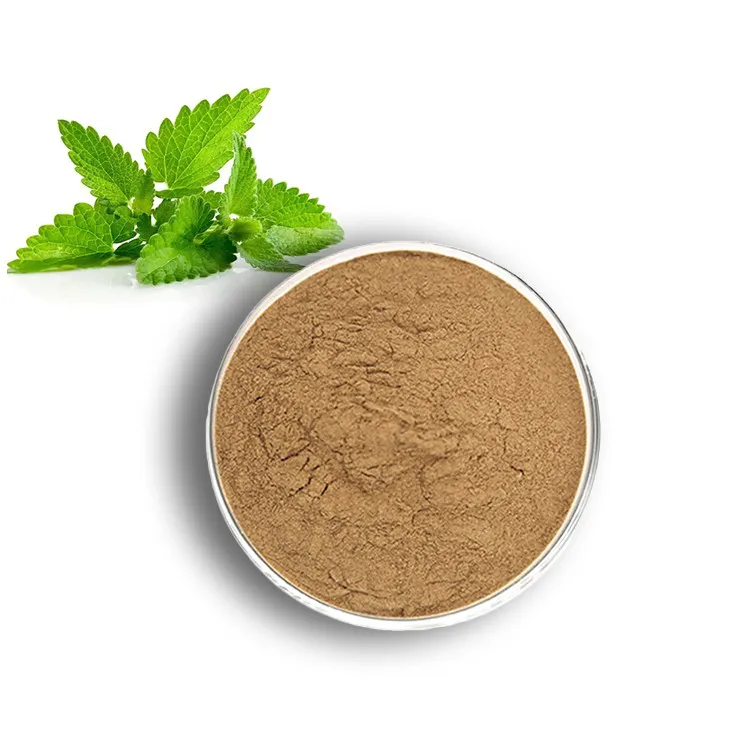
Lemon Balm Extract
2026-08-18
-
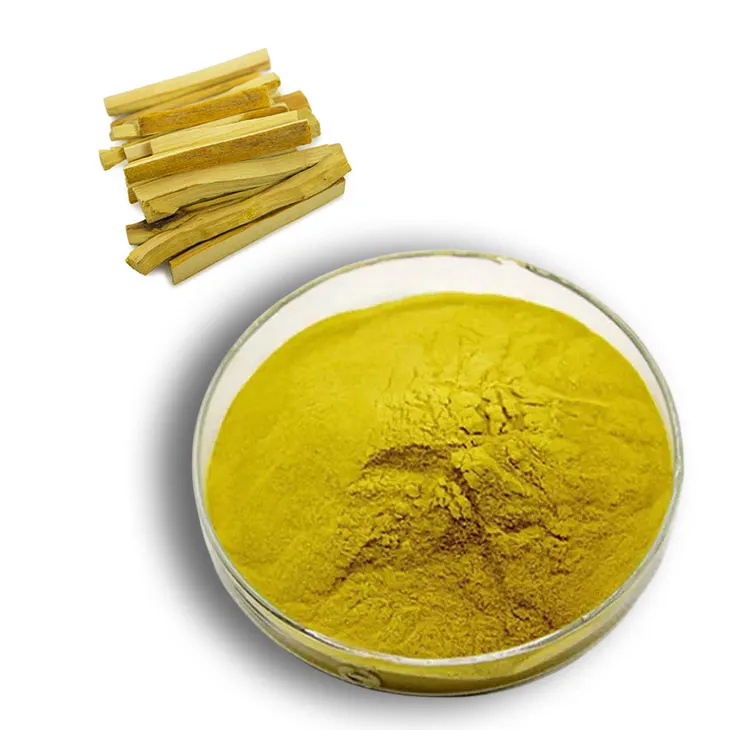
Berberis aristata Extract
2026-08-18
-
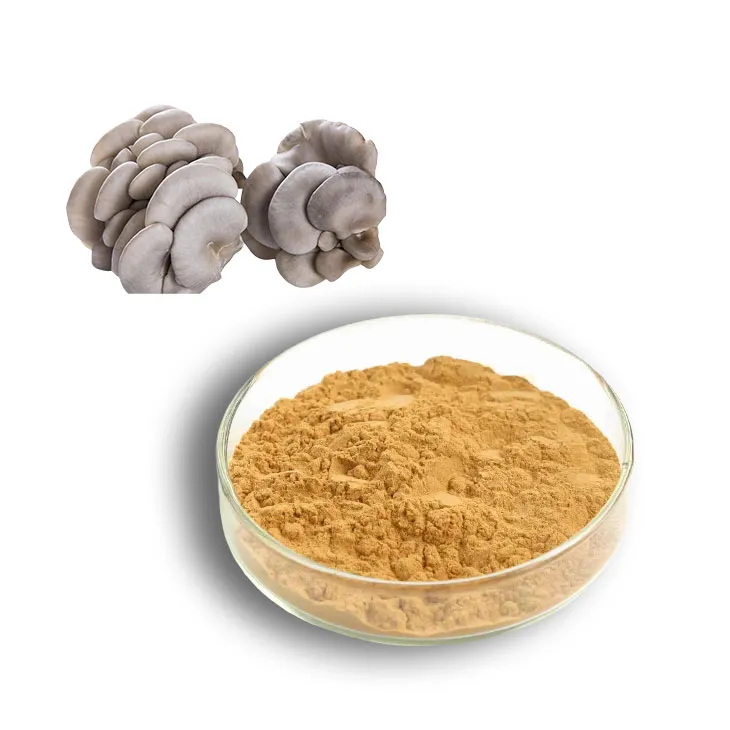
Oyster Mushroom Extract Powder
2026-08-18
-
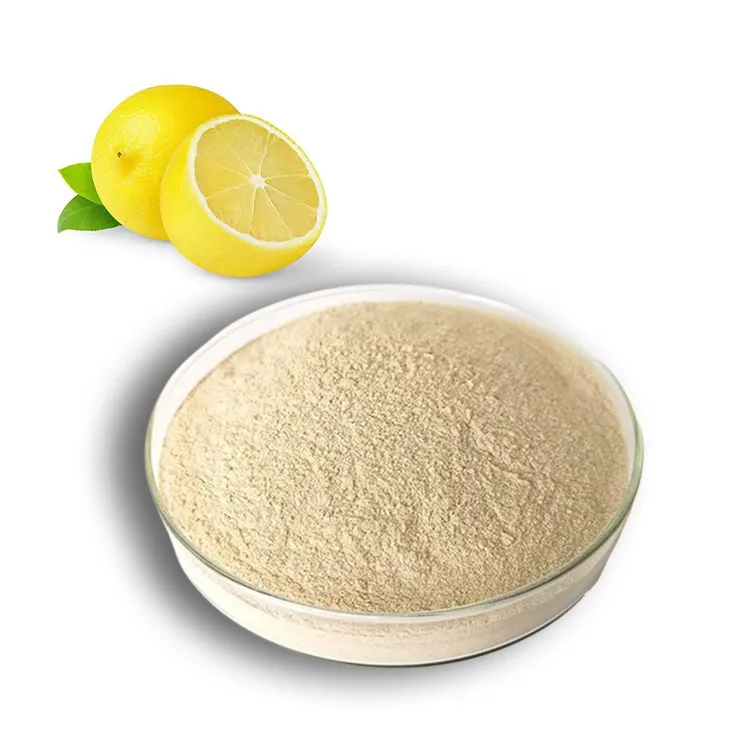
Lemon Extract
2026-08-18
-
Grapefruit Seed Extract Powder
2026-08-18
-
Black Seed Extract
2026-08-18
-
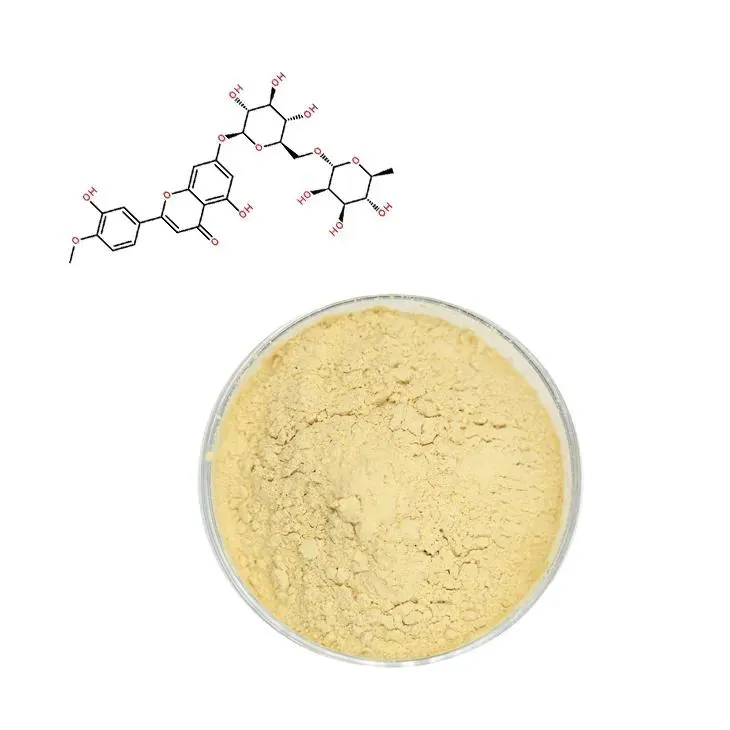
Diosmin
2026-08-18
-
Hawthorn Extract
2026-08-18
-
Medicinal Marshmallow Extract
2026-08-18
-
Baobab Fruit Extract
2026-08-18