- 0086-571-85302990
- [email protected]





What are the benefits of an astaxanthin coq10 combination supplement?
2026-08-18
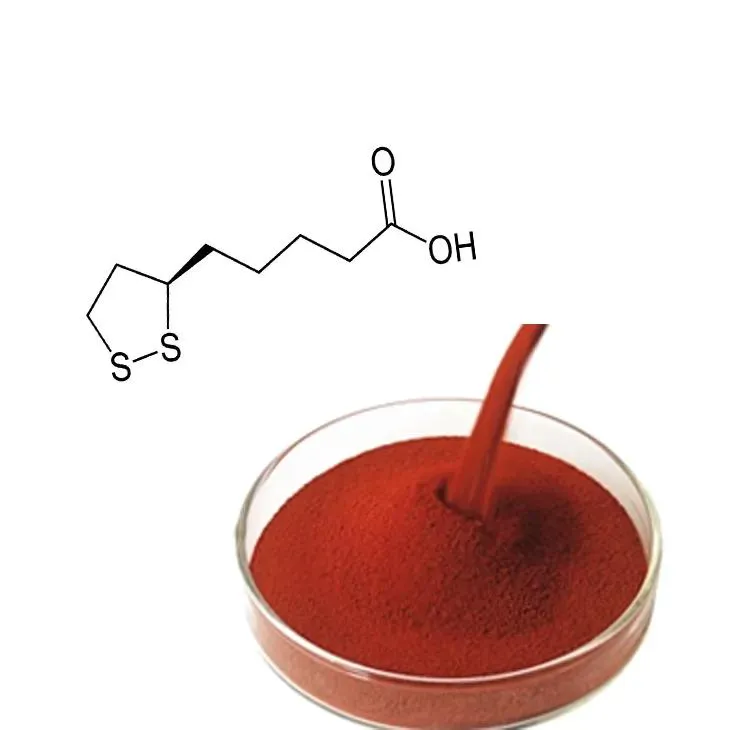
Astaxanthin and coenzyme Q10 (CoQ10) are two of the most talked-about fat-soluble nutrients in the supplement world. On their own, each one has a loyal following among people who care about heart health, eye health, and healthy aging. Together, they are often described as a natural pairing because they work through different but complementary mechanisms. Astaxanthin is a red carotenoid pigment produced by microalgae, while CoQ10 is a compound your body makes naturally and also takes in from food. When combined in a single supplement, the two support energy production, cardiovascular function, eye protection, and graceful aging.
This article looks at what each nutrient does, why they work so well side by side, and what to consider when choosing a combination supplement.
What is Astaxanthin?
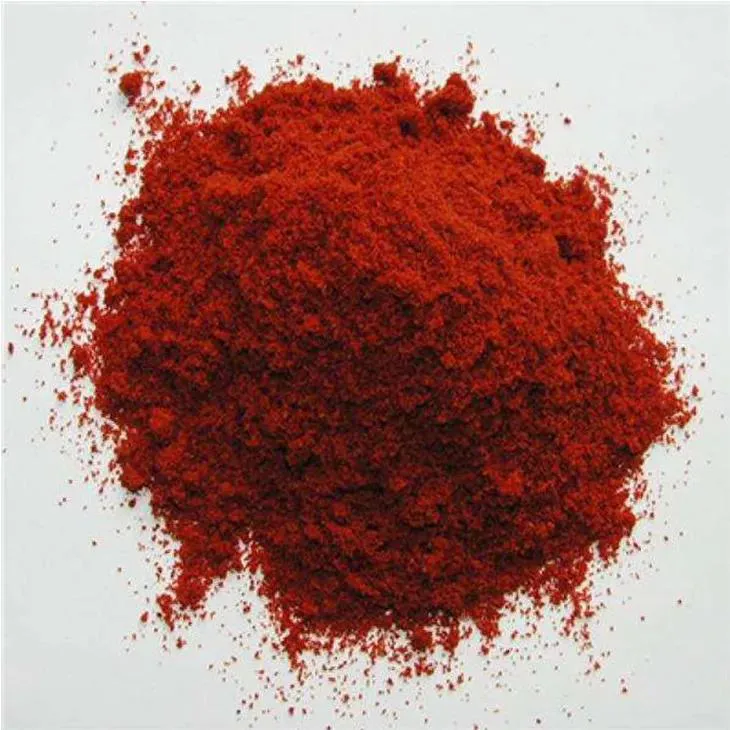
Astaxanthin is a red-orange carotenoid found in microalgae such as Haematococcus pluvialis. It is the pigment that gives salmon, shrimp, and flamingos their pink color. What makes astaxanthin stand out is its molecular shape, which lets it span the full width of the cell membrane and neutralize free radicals both inside and outside the cell. For this reason, many researchers regard it as one of the most powerful natural antioxidants known.
Beyond its antioxidant role, astaxanthin has been studied for its support of the eyes, skin, cardiovascular system, and immune response. Because it is fat-soluble, it tends to accumulate in tissues that are rich in fats, including the retina, skin, and the membranes around the heart.
What is CoQ10?
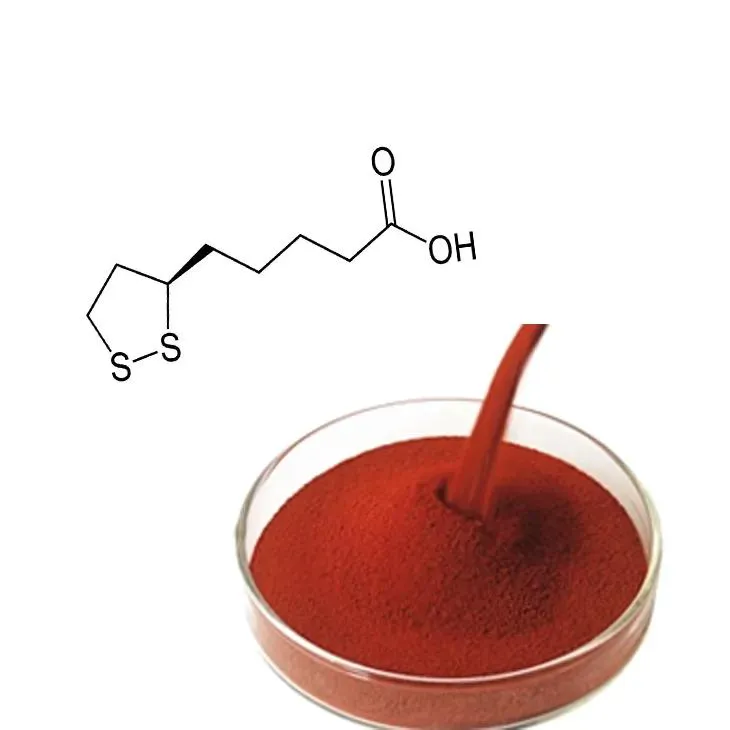
Coenzyme Q10, also known as ubiquinone, is a fat-soluble compound that every cell in the body uses to generate energy. It is especially concentrated in organs with high energy demands, such as the heart, brain, liver, and kidneys. The body produces CoQ10 on its own, but natural production declines with age. Certain medications used for cholesterol management are also known to lower CoQ10 levels, which is one reason many people look for ways to keep their levels up.
CoQ10 sits inside the mitochondria, the tiny power plants of the cell, where it helps convert food into usable energy. It also acts as an antioxidant in its own right, protecting the energy-producing machinery from oxidative damage.
Why combine astaxanthin and CoQ10?
The two nutrients complement each other in several practical ways:
- They protect different parts of the cell. Astaxanthin works along the cell membrane, while CoQ10 works deep inside the mitochondria.
- Both support the cardiovascular system, but through different routes. Astaxanthin helps shield LDL cholesterol from oxidation, while CoQ10 supports the energy supply of the heart muscle itself.
- CoQ10 helps produce energy, and astaxanthin helps protect the structures that produce it, so the pair supports stamina and recovery from different angles.
- Both are fat-soluble, which means they are absorbed best when taken with a meal that contains fat.
In short, the combination offers broader coverage than either nutrient alone, which is why many supplement brands now formulate them together.
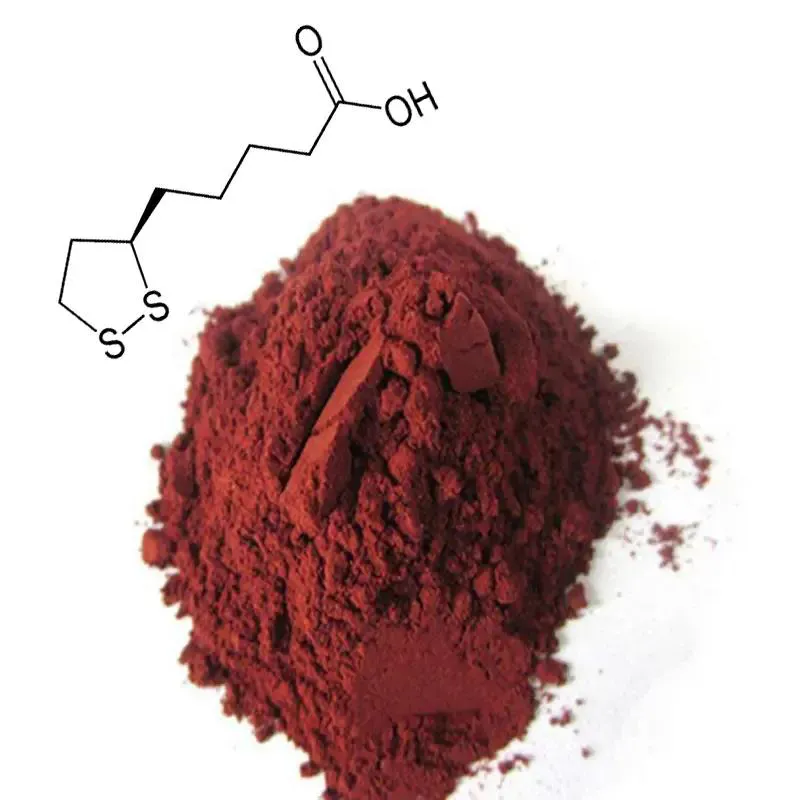
Key benefits of an astaxanthin and CoQ10 combination
1. Cardiovascular support
The heart is one of the most energy-hungry organs in the body, and it also relies heavily on CoQ10. Studies on CoQ10 supplementation have reported benefits for blood pressure and for maintaining healthy cholesterol-related markers. Astaxanthin adds a layer of protection by reducing oxidative stress on blood vessels. Together, the two give the cardiovascular system both fuel and armor.
2. Eye health
The retina is packed with fats and is constantly exposed to light, which makes it vulnerable to oxidative stress. Astaxanthin has been studied for its ability to reach the eye and support visual comfort, especially for people who spend long hours in front of screens. CoQ10 has also been examined for its role in supporting the health of the optic nerve. For anyone concerned about long-term eye health, the pairing is a sensible addition to a daily routine.
3. Skin health and healthy aging
Astaxanthin accumulates in the skin, where it helps defend against damage caused by UV light and everyday pollution. Regular intake has been linked to improvements in skin texture, moisture, and the appearance of fine lines. CoQ10 contributes to skin firmness by supporting the energy supply of skin cells, which naturally slows with age. Together, the two nutrients support skin from the inside out.
4. Cellular energy and endurance
CoQ10 is a direct participant in the production of ATP, the molecule your cells use for fuel. Astaxanthin, meanwhile, protects the mitochondria where that fuel is made. This combination is popular among active people and older adults who want to maintain steady energy levels and recover well from physical activity.
5. Brain and cognitive support
The brain is another organ with very high energy needs and a high fat content, making it sensitive to oxidative stress. Both astaxanthin and CoQ10 have been studied for their potential to support memory, focus, and overall cognitive function as part of a healthy lifestyle.
6. Immune support
Astaxanthin has been shown to support a balanced immune response, helping the body stay resilient during seasonal changes. CoQ10 supports the energy needs of immune cells. For people looking to support their defenses year-round, the two nutrients make a practical team.
Who may benefit from this combination?
The combination is most often considered by adults who want to support heart health, protect their eyes and skin, maintain energy as they age, or keep their immune system strong. It is also a common choice for people taking cholesterol-lowering medication, since those drugs can deplete CoQ10. As with any supplement, it is wise to talk with a healthcare professional before adding it to your routine, especially if you take prescription medication or have an existing health condition.
Choosing a quality combination supplement
Not all supplements are created equal, and the quality of the raw ingredients matters as much as the formula. Here are a few things to look for:
- Purity and potency. Check that the astaxanthin comes from a natural source such as Haematococcus pluvialis and that the CoQ10 is present at a meaningful dose.
- Third-party testing. Reputable manufacturers test their products for heavy metals, microbial contamination, and label accuracy.
- A reliable supplier. For brands and formulators, working with an experienced manufacturer of plant extracts and health ingredients helps ensure consistent quality batch after batch.
If you are a supplement brand looking for a dependable source of raw materials, it pays to choose a supplier with a long track record. Greensky, a manufacturer of natural plant extracts and health product raw materials, supplies high-quality astaxanthin and related ingredients to customers around the world. Their astaxanthin is produced under strict quality controls and is available for bulk orders. For those building a heart-health product line, Greensky also offers red yeast rice, a traditional fermented ingredient that is often paired with CoQ10 in cholesterol-support formulas.
The bottom line
Astaxanthin and CoQ10 are two well-researched nutrients that work together to support the heart, eyes, skin, energy levels, and immune defenses. Their complementary mechanisms make the combination a practical choice for anyone focused on healthy aging. As with any supplement, quality matters, so choose products made with pure, well-tested ingredients from a supplier you can trust.
- ▶ Hesperidin
- ▶ Citrus Bioflavonoids
- ▶ Plant Extract
- ▶ lycopene
- ▶ Diosmin
- ▶ Grape seed extract
- ▶ Sea buckthorn Juice Powder
- ▶ Fruit Juice Powder
- ▶ Hops Extract
- ▶ Artichoke Extract
- ▶ Mushroom extract
- ▶ Astaxanthin
- ▶ Green Tea Extract
- ▶ Curcumin
- ▶ Horse Chestnut Extract
- ▶ Other Product
- ▶ Boswellia Serrata Extract
- ▶ Resveratrol
- ▶ Marigold Extract
- ▶ Grape Leaf Extract
- ▶ New Product
- ▶ Aminolevulinic acid
- ▶ Cranberry Extract
- ▶ Red Yeast Rice
- ▶ Red Wine Extract
- ▶ blog
-
Pomegranate Extract
2026-08-18
-
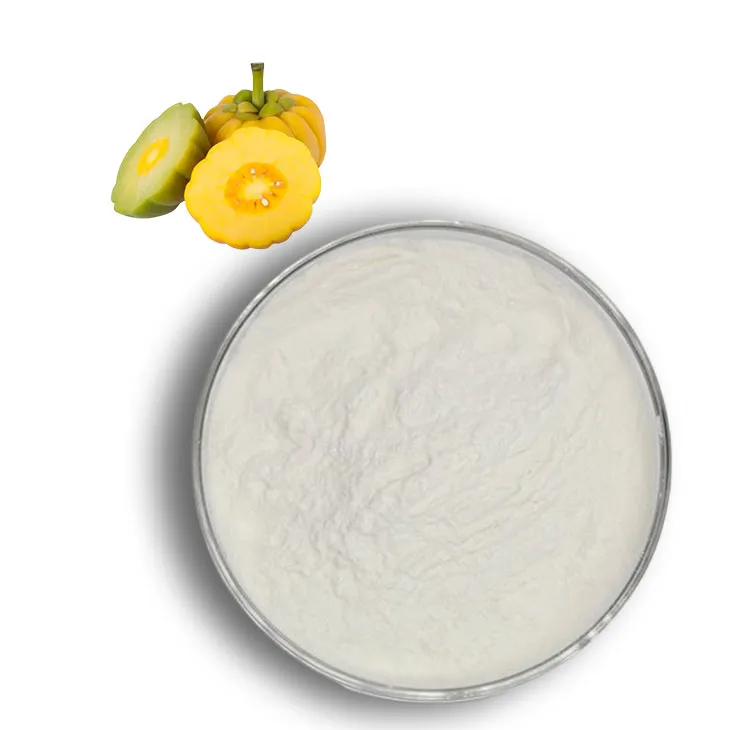
Garcinia Cambogia Extract
2026-08-18
-
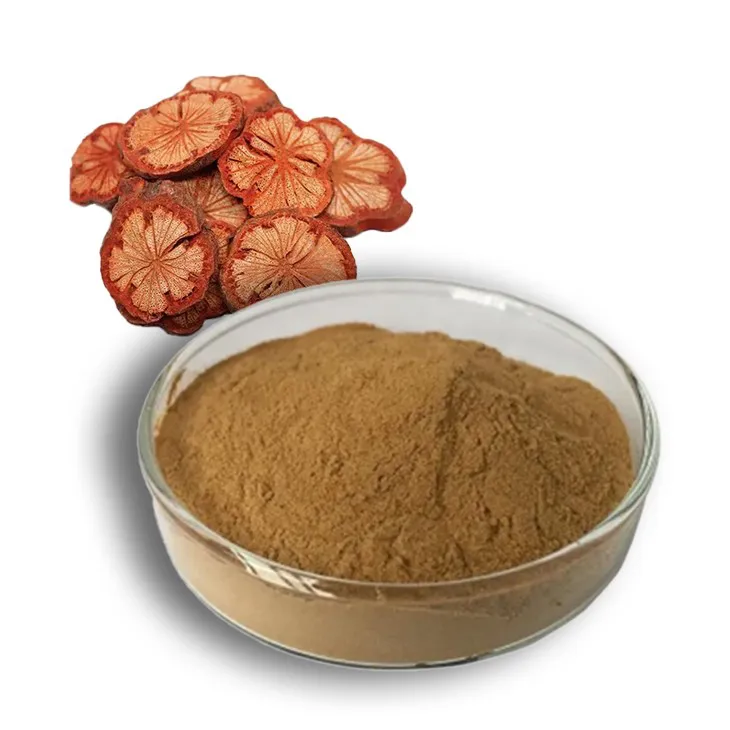
Red Vine Extract
2026-08-18
-
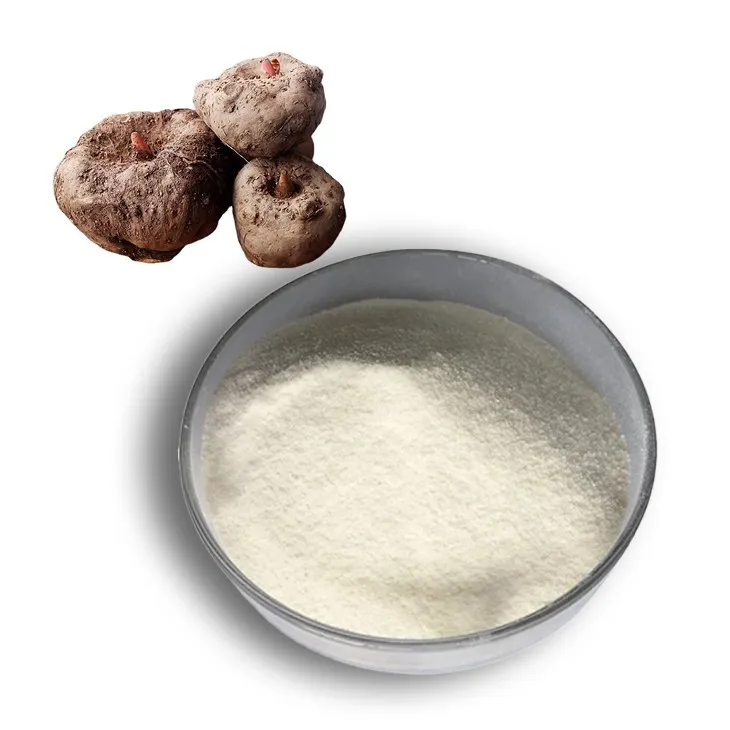
Konjac Powder
2026-08-18
-
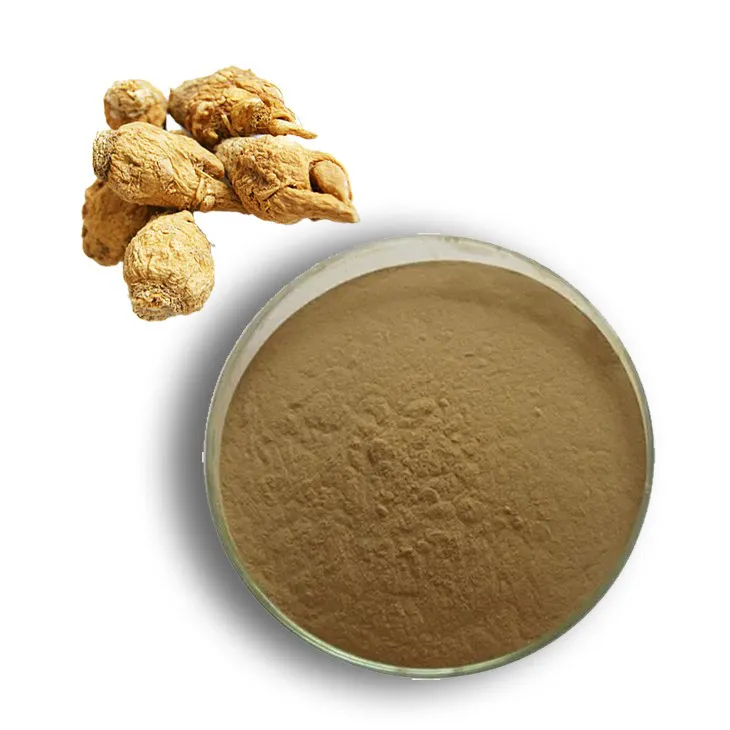
Maca Extract
2026-08-18
-
Cranberry Extract
2026-08-18
-
Phellodendron Extract
2026-08-18
-
Pine bark Extract Powder
2026-08-18
-
Camu Camu Extract
2026-08-18
-
Oyster Mushroom Extract Powder
2026-08-18