We have five factories and 23 years of experience in plant extracts
- 0086-571-85302990
- [email protected]






What are the active compounds in artemisia extract?
2026-08-15
Artemisia is one of the largest and most widely distributed plant genera in the world, and its extracts have been part of traditional medicine for centuries. The most famous member, Artemisia annua (sweet wormwood), gained global attention after artemisinin was isolated from its leaves in the 1970s and went on to become the foundation of modern antimalarial therapy. Yet artemisinin is only one piece of a much larger chemical picture. Today, artemisia extract is used across the supplement, functional food, and pharmaceutical industries, and understanding its full range of active compounds is essential for formulators and buyers who want to source the right material for their products.
Artemisinin: the flagship sesquiterpene lactone
Artemisinin is a sesquiterpene lactone with a distinctive endoperoxide bridge, a rare chemical feature that is central to its antimalarial activity. It is produced mainly in the glandular trichomes of Artemisia annua leaves, and its concentration varies widely depending on the cultivar, growing conditions, and harvest timing. Because artemisinin has limited oral bioavailability on its own, most commercial extracts are standardized to a defined artemisinin content, and research has shown that the surrounding plant chemistry can influence how well it is absorbed by the body.
Flavonoids: the supporting players
Beyond artemisinin, artemisia species are rich in flavonoids such as Quercetin, rutin, and kaempferol, along with a range of methoxylated flavones. These polyphenolic compounds contribute antioxidant and anti-inflammatory activity, and they appear to work alongside artemisinin rather than in isolation. Some studies suggest that flavonoids present in the leaf matrix can improve the bioavailability of artemisinin and enhance its overall efficacy, which is a good reason why whole-plant extracts are often preferred over isolated single compounds in product development.
Terpenes and essential oils
The aromatic character of artemisia comes from its volatile terpenes. Depending on the species, the essential oil fraction can be dominated by compounds such as camphor, thujone, 1,8-cineole (eucalyptol), artemisia ketone, and artemisia alcohol. These monoterpenes and sesquiterpenes contribute antimicrobial, anti-inflammatory, and insect-repellent properties, and they are a key reason artemisia extracts are also used in personal care and aromatherapy applications.
Coumarins
Coumarins are another notable class found in artemisia. These benzopyrone derivatives are known for their antimicrobial, antioxidant, and blood-thinning properties. While they are present in smaller amounts than the major terpenoids, they add to the overall bioactivity of the extract and regularly appear in phytochemical analyses of the genus.
Phenolic acids and caffeoylquinic acids
Artemisia extracts also contain phenolic acids, including chlorogenic acid and other caffeoylquinic acid derivatives. These compounds are strong antioxidants and are increasingly studied for their metabolic and liver-support benefits. For formulators working on antioxidant or general wellness products, this fraction is often just as important as the more famous terpenoids.
Other bioactive constituents
Depending on the species and the extraction method, artemisia can also yield alkaloids, acetylenes, sterols, and saponins. Each of these contributes to the complex, multi-target activity that makes artemisia extract interesting for research and product development. It is worth noting that the exact profile of active compounds changes with the plant species, the plant part used, the harvest season, and the extraction process, which is why consistent quality control from the supplier matters so much.
Why the whole spectrum matters
The key takeaway for product developers is that artemisia extract is not a single-molecule ingredient. Its value comes from the combined action of terpenoids, flavonoids, coumarins, and phenolic acids, which together deliver antioxidant, anti-inflammatory, and antimicrobial effects. This is why many commercial ingredients are standardized to a marker compound while retaining the broader phytochemical profile of the source plant.
Sourcing quality artemisia extract
For manufacturers and formulators, the quality of the raw material determines the quality of the finished product. When choosing a plant extract supplier, look for one with documented quality control, clean production facilities, and the ability to provide a certificate of analysis for every batch. A manufacturer with in-house laboratories equipped with HPLC and GC can verify both the marker compound content and the broader phytochemical profile of each lot.
As a china plant extract manufacturer with more than 20 years of experience, Greensky produces a wide range of plant extracts under food-grade production standards. The company operates a 100,000-class clean production area, maintains certifications including ISO22000, BRCGS, and HALAL, and can support custom standardization and the export documentation needed for global regulatory submissions.
Conclusion
Artemisia extract is a chemically rich botanical ingredient whose active compounds, from artemisinin to flavonoids, terpenes, coumarins, and phenolic acids, work together to deliver a broad range of biological activities. Understanding this chemistry helps buyers choose the right extract for their application and ask the right questions when evaluating suppliers. If you are developing a product around artemisia or any other botanical, working with an experienced plant extract manufacturer is the first step toward consistent, high-quality results.
TAGS:
FAQ
- ▶ Hesperidin
- ▶ Citrus Bioflavonoids
- ▶ Plant Extract
- ▶ lycopene
- ▶ Diosmin
- ▶ Grape seed extract
- ▶ Sea buckthorn Juice Powder
- ▶ Fruit Juice Powder
- ▶ Hops Extract
- ▶ Artichoke Extract
- ▶ Mushroom extract
- ▶ Astaxanthin
- ▶ Green Tea Extract
- ▶ Curcumin
- ▶ Horse Chestnut Extract
- ▶ Other Product
- ▶ Boswellia Serrata Extract
- ▶ Resveratrol
- ▶ Marigold Extract
- ▶ Grape Leaf Extract
- ▶ New Product
- ▶ Aminolevulinic acid
- ▶ Cranberry Extract
- ▶ Red Yeast Rice
- ▶ Red Wine Extract
- ▶ blog
Recommended Products
-
Maca Extract
2026-08-15
-
Grapefruit Seed Extract Powder
2026-08-15
-
Thunder God Vine Extract
2026-08-15
-
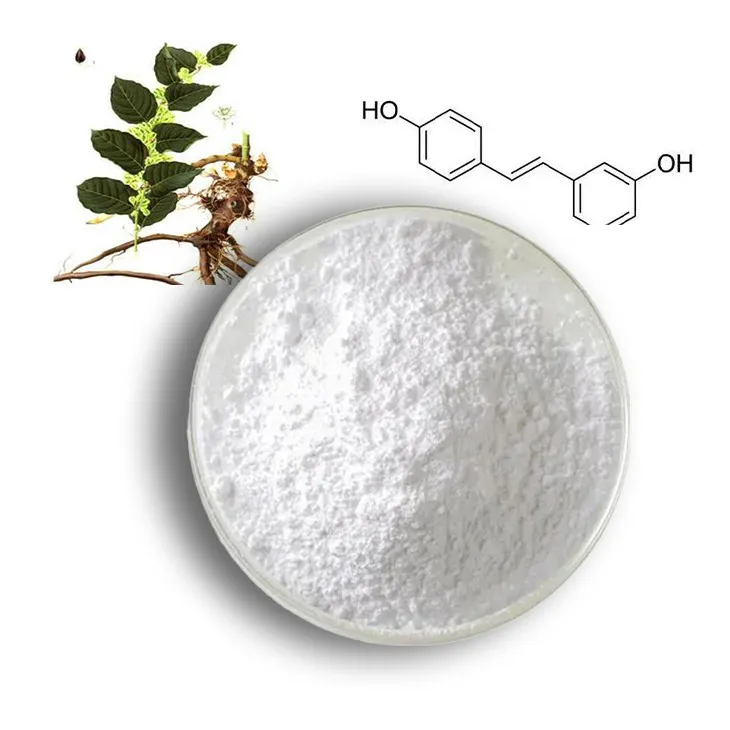
Resveratrol
2026-08-15
-
Longan Extract
2026-08-15
-
Epimedium extract powder
2026-08-15
-
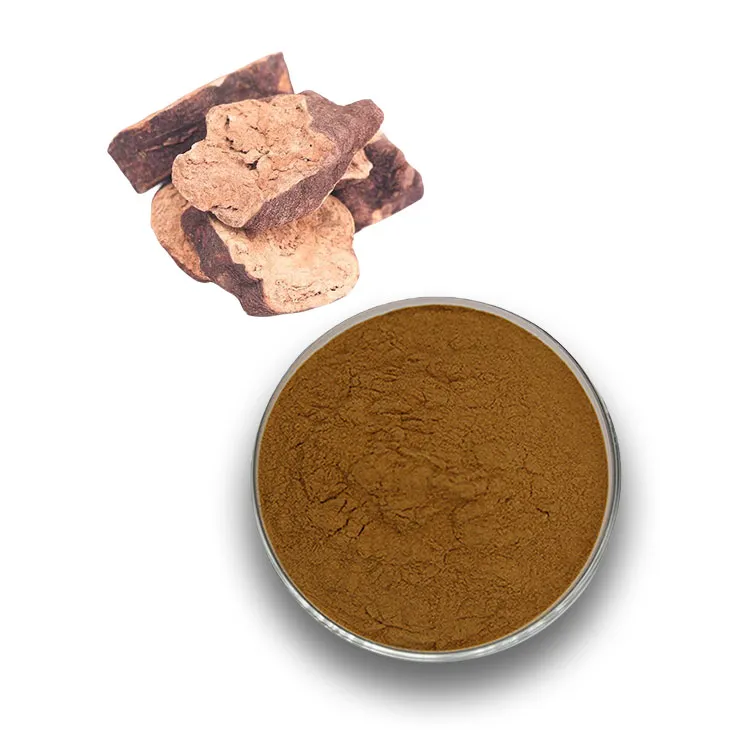
Polygonum multiflorum extract
2026-08-15
-
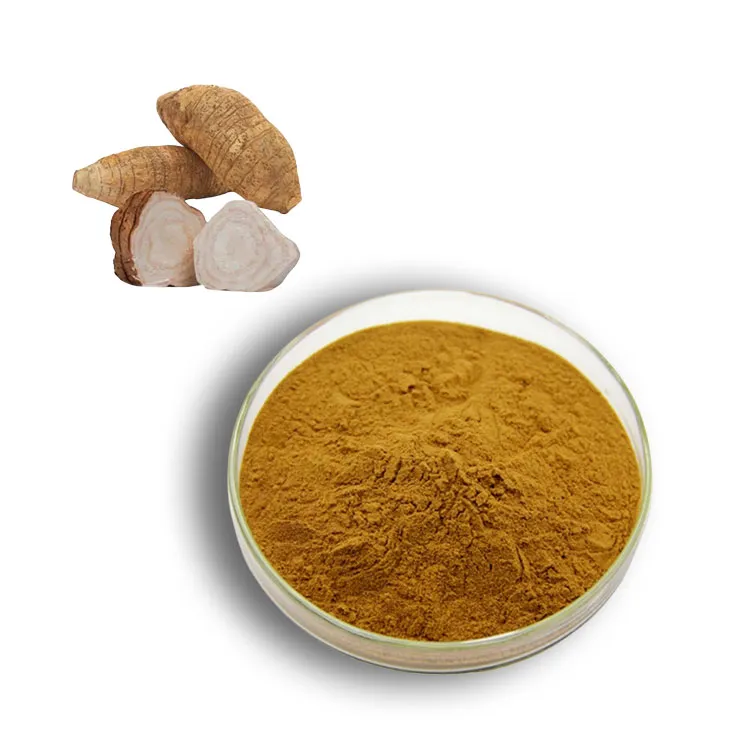
Pueraria Lobata Extract
2026-08-15
-
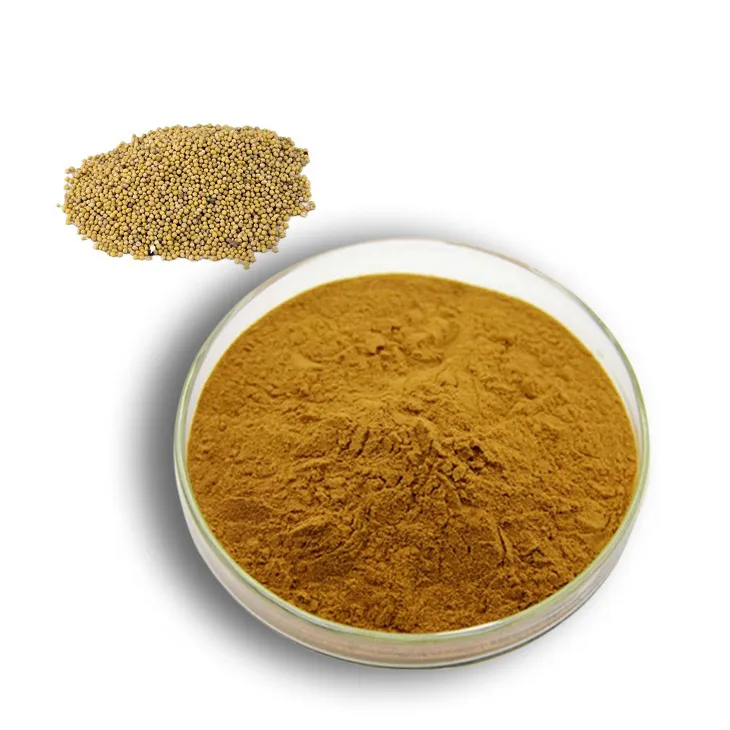
White mustard seed extract
2026-08-15
-
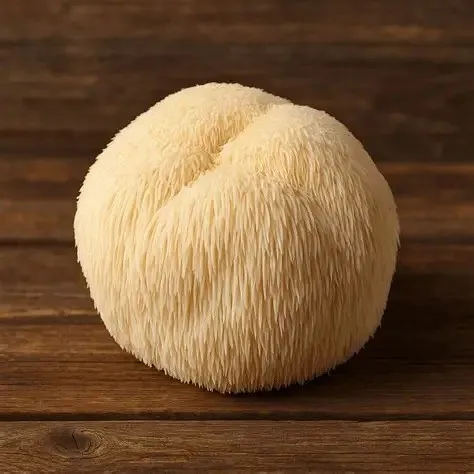
Lion's Mane Mushroom Extract
2026-08-15
Get a Quote
