- 0086-571-85302990
- [email protected]




Stevia vs stevia leaf extract: Which is more cost-effective at scale?
2026-08-13
When a beverage, food or supplement brand decides to replace sugar with a natural sweetener, the first budget question is rarely about taste. It is about cost: should you bring in whole stevia leaves and process them yourself, or buy stevia leaf extract from a specialized supplier? At small batch sizes the two look similar on paper. As production scales up, however, the difference shows up in freight, storage, labor, quality control and consistency. This article compares stevia leaves and stevia leaf extract across the cost factors that actually matter at volume, so you can decide which one belongs in your supply chain.
What you are actually comparing
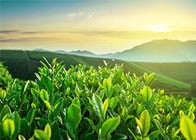
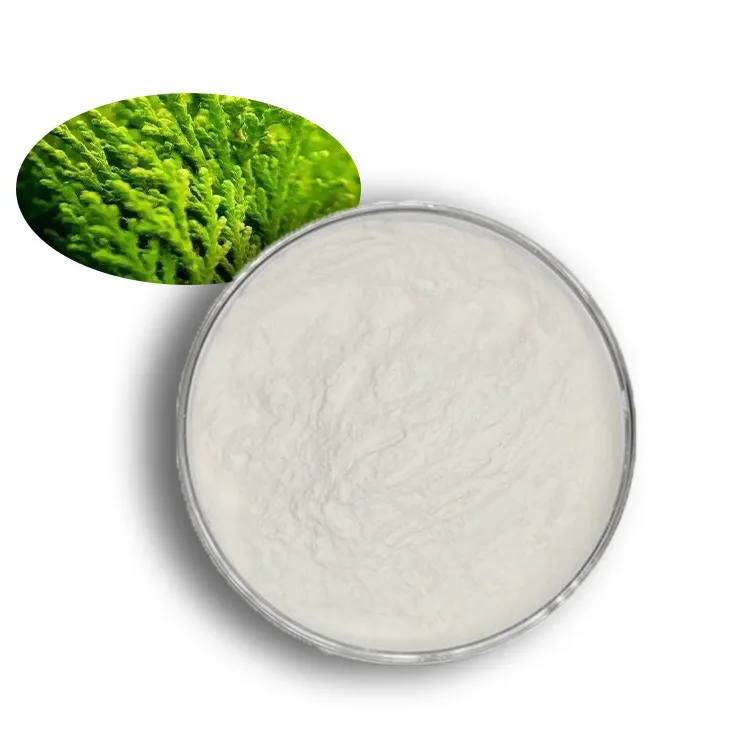
Stevia (Stevia rebaudiana) is a plant whose leaves naturally contain sweet compounds called steviol glycosides. In its raw form, those leaves are an agricultural material: they carry water, fiber, chlorophyll and other plant matter along with the sweet glycosides. Stevia leaf extract, by contrast, is made by taking dried stevia leaves through industrial extraction and refining to produce a high-intensity sweetener of steviol glycosides. The result is a white to off-white, free-flowing powder that is roughly 200 to 350 times sweeter than sugar.
That single difference, concentration, is the reason the two options behave so differently on a cost sheet. You are not buying the same ingredient in two forms. You are buying sweetness at two very different densities.
The metric that matters: sweetness per unit, not weight per unit
Raw stevia leaves are cheap per kilogram, but cheap per kilogram is misleading. What you actually pay for is sweetness. A kilogram of dried leaves delivers only a small amount of usable glycosides after extraction, while a kilogram of high-purity extract carries the sweetness of a very large volume of sugar. When you convert both options into cost per unit of delivered sweetness, the picture flips dramatically in favor of the extract.
This is why comparing price per kilogram between leaves and extract is a trap. The correct comparison is cost per sweetness equivalent, and by that standard the concentrated stevia extract routinely delivers more usable sweetening power for every dollar spent.
How the cost factors compare at scale
The table below summarizes where the money goes for each option once you move past small batches.
| Cost factor | Whole stevia leaves | Stevia leaf extract |
| Sweetness concentration | Low; most weight is fiber and moisture | High; 200-350x sweeter than sugar |
| Freight and storage per sweetness unit | High; bulky and heavy | Low; compact dry powder |
| On-site processing needed | Yes; you run extraction in-house | No; ready to formulate |
| Consistency between batches | Variable; depends on harvest and season | High; standardized purity |
| Shelf life and stability | Shorter; moisture and microbial risk | Long; dry and stable |
| Formulation flexibility | Limited | High; blend to target sweetness |
Why extract wins as production scales
The first advantage is logistics. Concentrated extract means dramatically less volume to ship, store and handle for the same sweetness output. Warehouse space, freight containers and handling labor all shrink. For a manufacturer running continuous production, that is not a small saving; it compounds on every order.
The second advantage is consistency. Whole leaves vary with harvest, climate and processing, so in-house extraction produces batch-to-batch variation that forces you to re-test and re-formulate. A standardized extract with defined Rebaudioside A purity gives you the same sweetness profile every time, which cuts quality control costs and protects your finished product from tasting different between runs.
The third advantage is fewer points of failure. Processing raw leaves requires extraction equipment, skilled operators and a reliable quality lab. When you buy extract, you outsource that entire operation to a manufacturer that already runs it at scale. You reduce capital, labor and risk all at once.
When whole leaves still make sense
Whole stevia leaves are not always the wrong choice. For very small batches, artisanal formulations, or operations that already run their own extraction lines and want full control over sourcing, raw leaves can be justified. Some brands also prefer leaves for marketing claims around unprocessed ingredients.
The catch is that these advantages fade quickly as volume grows. The inconsistency, bulk and processing burden that are tolerable at small scale become expensive at large scale. For most food and beverage producers, the crossover point arrives early, and past it the extract becomes the more cost-effective partner.
Purity is the real lever on cost
Within stevia leaf extract, the compound that drives both sweetness and cost is Rebaudioside A (and, in next-generation products, Reb M and Reb D). Higher and more consistent purity means predictable sweetness, easier formulation and lower total cost even when the per-kilogram price is higher. Buying cheap, low-purity powder to save money usually backfires because you need far more of it to hit the same sweetness.
This is why the reliability of your supplier matters as much as the price. A stevia extract supplier that can guarantee purity level and repeatability protects your yields and your brand.
Sourcing bulk stevia leaf extract from a trusted manufacturer
Greensky (Hangzhou Greensky Biological Tech. Co., Ltd.) is a professional manufacturer of natural plant extracts founded in 2004, with more than 20 years of experience in developing and producing active botanical ingredients. Its stevia leaf extract is a natural sweetener refined from the leaves of Stevia rebaudiana, offered as a white to off-white powder with 40% to 99% Rebaudioside A, and is widely used across the food, beverage and health food industries as a zero-calorie sugar substitute.
Greensky produces in a 100,000-class clean production area that meets food-grade requirements, runs an independent laboratory equipped with GC, HPLC and UV, and holds certifications including ISO22000, BRCGS, HALAL, Kosher and ISO9001. With export markets in Europe, the United States, South Korea and Russia, the company supplies extract to manufacturers who need consistent quality batch after batch.
The bottom line
For most scaling manufacturers, stevia leaf extract is the more cost-effective choice because it concentrates sweetness, standardizes quality and eliminates in-house processing at every stage of the supply chain. Whole leaves make sense only for small, artisanal or fully integrated operations. If cost per sweetness equivalent is your real metric, the extract wins at volume.
If you are evaluating a switch to stevia leaf extract for a new product line, contact Greensky at [email protected] to discuss purity options, specifications and bulk pricing. A short conversation about your target sweetness and batch size is the fastest way to see whether the extract model fits your budget.
TAGS:
- ▶ Hesperidin
- ▶ Citrus Bioflavonoids
- ▶ Plant Extract
- ▶ lycopene
- ▶ Diosmin
- ▶ Grape seed extract
- ▶ Sea buckthorn Juice Powder
- ▶ Fruit Juice Powder
- ▶ Hops Extract
- ▶ Artichoke Extract
- ▶ Mushroom extract
- ▶ Astaxanthin
- ▶ Green Tea Extract
- ▶ Curcumin
- ▶ Horse Chestnut Extract
- ▶ Other Product
- ▶ Boswellia Serrata Extract
- ▶ Resveratrol
- ▶ Marigold Extract
- ▶ Grape Leaf Extract
- ▶ New Product
- ▶ Aminolevulinic acid
- ▶ Cranberry Extract
- ▶ Red Yeast Rice
- ▶ Red Wine Extract
- ▶ blog
-
Black Seed Extract
2026-08-13
-
Andrographis Paniculata Extract Powder
2026-08-13
-
Camu Camu Extract
2026-08-13
-
Rose Hip Extract
2026-08-13
-
Thunder God Vine Extract
2026-08-13
-
Epimedium extract powder
2026-08-13
-
Carrageenan Extract Powder
2026-08-13
-
Feverfew Extract
2026-08-13
-
Chia Seed Powder
2026-08-13
-
Lycopene
2026-08-13