- 0086-571-85302990
- [email protected]






Should I consult a doctor before taking moringa powder for breastfeeding?
2026-08-15
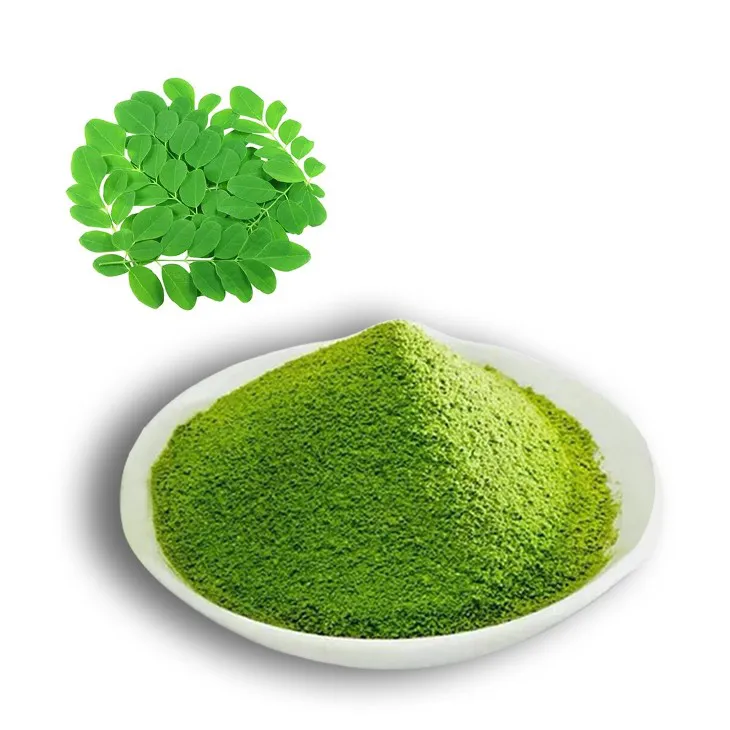
Breastfeeding is a time when almost every food and supplement that reaches your plate deserves a second look. If you have been reading about Moringa powder and its reputation as a natural milk booster, you are probably asking the same careful question new mothers everywhere ask: should I consult a doctor before taking it? The short answer is yes, and this article explains exactly why that step matters, what the research actually says, and how to have a productive conversation with your healthcare provider.
Why Consulting a Doctor Matters Before Taking Moringa
No supplement, no matter how natural, is automatically safe for every person. Your body during breastfeeding is supporting two lives, and what you consume passes, in varying degrees, to your baby through breast milk. A doctor or a qualified lactation consultant can review your individual health history and flag interactions that a general article cannot. For example, moringa may influence blood clotting, so anyone with a history of blood clots or who is taking blood-thinning medication should raise this with a professional before adding it.
It is also worth remembering that your pregnancy and delivery history, current medications, allergies, and any existing conditions such as low blood pressure or thyroid concerns all shape whether moringa is a good fit for you. A quick consultation closes the gap between general advice and your personal situation.
What the Research Says About Moringa and Breastfeeding
Moringa oleifera leaves have a long history of traditional use in Asia and Africa as a food and a medicine for nursing mothers. Modern clinical interest has focused on whether the leaves can support breast milk production, and the available evidence is encouraging. One small study found no adverse effects in nursing mothers who ingested moringa leaves, and the LactMed database notes that studies involving mothers and breastfed infants have not identified serious short-term adverse effects from commonly studied leaf preparations.
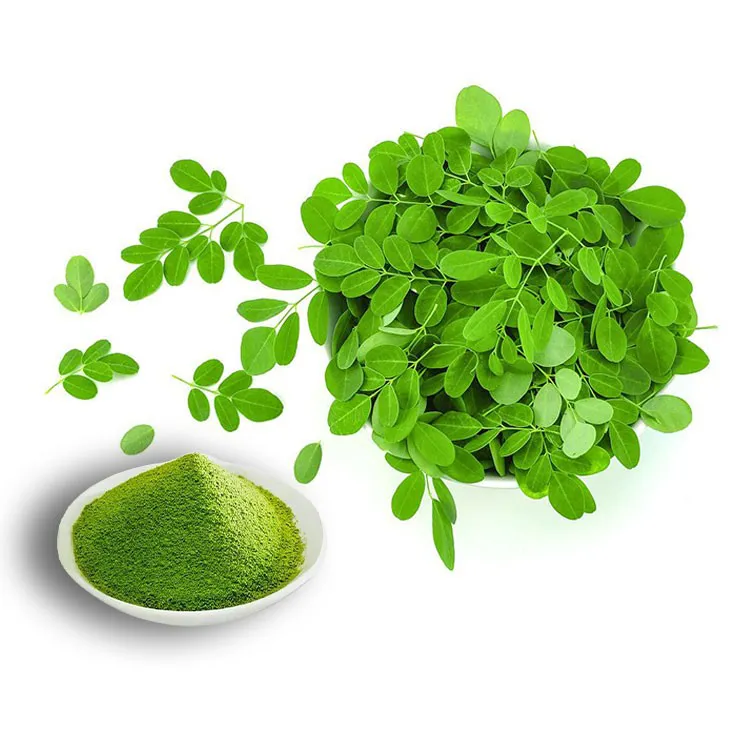
That said, "natural" does not mean "risk-free." The parts of the plant matter enormously. Leaf-based products such as moringa leaf powder are the form most often studied and most commonly used for lactation support. Root, bark, and flower preparations are different and are generally best avoided during pregnancy and breastfeeding because of concerns about uterine effects and toxicity. Always read the label and confirm you are using a leaf-based product.
The Potential Benefits for Nursing Mothers
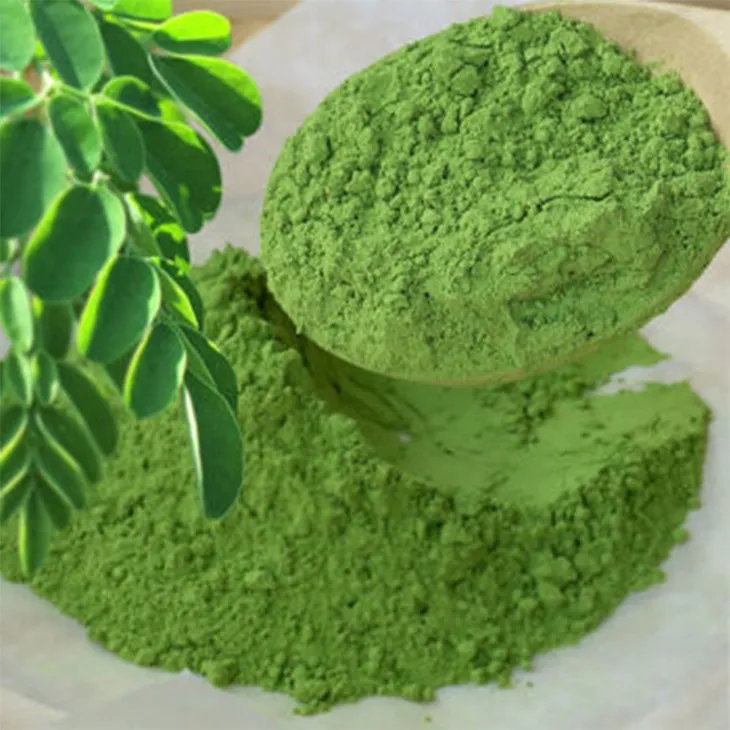
Moringa leaves are unusually nutrient-dense. They provide protein, iron, calcium, and vitamins A and C, nutrients that are especially important while breastfeeding. Iron can help protect against the anemia that many new mothers face, calcium supports bone health during heavy mineral demand, and the antioxidant content helps reduce oxidative stress.
The most talked-about benefit is galactagogue activity, meaning the ability to support milk supply. Traditional use and several studies suggest that moringa may help some mothers increase or maintain their breast milk production. It is important to set realistic expectations: moringa is a supportive ingredient, not a substitute for addressing modifiable factors such as latch, feeding frequency, hydration, and rest, which lactation specialists say are the foundations of healthy milk supply.
Risks and Precautions to Discuss With Your Doctor
Before you start, it helps to be specific about the questions you want answered. Ask your doctor or lactation consultant about the right dose for your situation, how long you should continue, and whether moringa could interact with any medication you are taking. If you have a bleeding disorder, a scheduled surgery, low blood pressure, or a thyroid condition, mention these explicitly.
Digestive upset or an allergic reaction is possible but uncommon, so starting with a small amount and observing how you and your baby respond is a sensible approach. If your baby seems unsettled, develops a rash, or you notice any unusual reaction, stop and contact your healthcare provider promptly.
Choosing a Quality Moringa powder
Product quality varies widely, and this is where sourcing matters. A high-quality leaf powder should come from a manufacturer that can document its origin, testing, and certifications. If you are sourcing for a brand, retail line, or formulation project, working with an experienced moringa powder supplier helps ensure consistent quality and traceable documentation, which is especially important when the final product is intended for use by breastfeeding mothers.
Greensky, a plant extract manufacturer founded in 2004 and headquartered in Hangzhou, produces Moringa powder from the leaves of the Moringa oleifera tree. The company operates a vertically integrated group with its own laboratories, food-grade clean production areas, and certifications including ISO22000, BRCGS, HALAL, and Kosher, offering best moringa powder options for brands looking for a dependable raw material partner.
A Practical Roadmap for Safe Use
The path forward is simple. First, book a consultation with your doctor or a lactation consultant before you begin any new supplement, including moringa powder for breastfeeding. Second, choose a leaf-based product from a trustworthy source and verify the label. Third, start with a modest dose, such as a small teaspoon stirred into a smoothie or warm drink, and adjust gradually only under professional guidance. Finally, keep your healthcare provider informed if you continue long-term.
Moringa powder can be a helpful, nutrient-rich addition to a nursing mother's routine when used thoughtfully. The key is to pair its benefits with proper medical advice and high-quality sourcing, giving you confident peace of mind while you care for your baby.
- ▶ Hesperidin
- ▶ Citrus Bioflavonoids
- ▶ Plant Extract
- ▶ lycopene
- ▶ Diosmin
- ▶ Grape seed extract
- ▶ Sea buckthorn Juice Powder
- ▶ Fruit Juice Powder
- ▶ Hops Extract
- ▶ Artichoke Extract
- ▶ Mushroom extract
- ▶ Astaxanthin
- ▶ Green Tea Extract
- ▶ Curcumin
- ▶ Horse Chestnut Extract
- ▶ Other Product
- ▶ Boswellia Serrata Extract
- ▶ Resveratrol
- ▶ Marigold Extract
- ▶ Grape Leaf Extract
- ▶ New Product
- ▶ Aminolevulinic acid
- ▶ Cranberry Extract
- ▶ Red Yeast Rice
- ▶ Red Wine Extract
- ▶ blog
-
Natural grape seed extract
2026-08-15
-
Black Rice Extract
2026-08-15
-
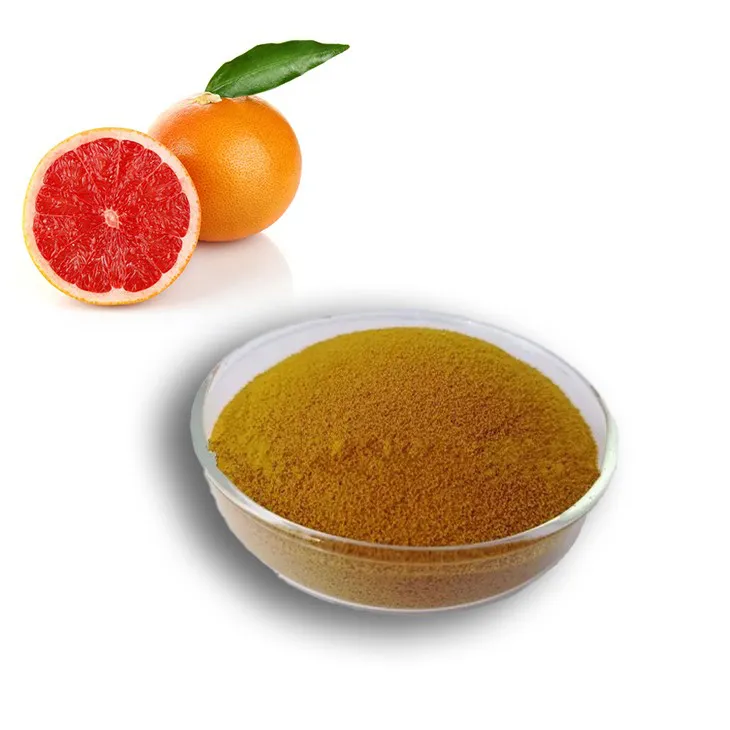
Grapefruit Seed Extract Powder
2026-08-15
-
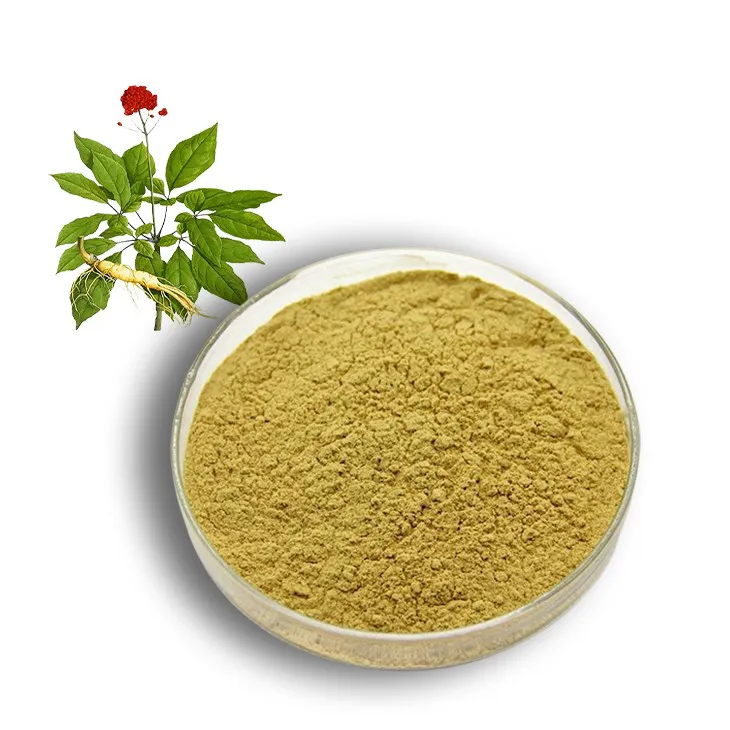
Panax Ginseng Leaf Extract
2026-08-15
-
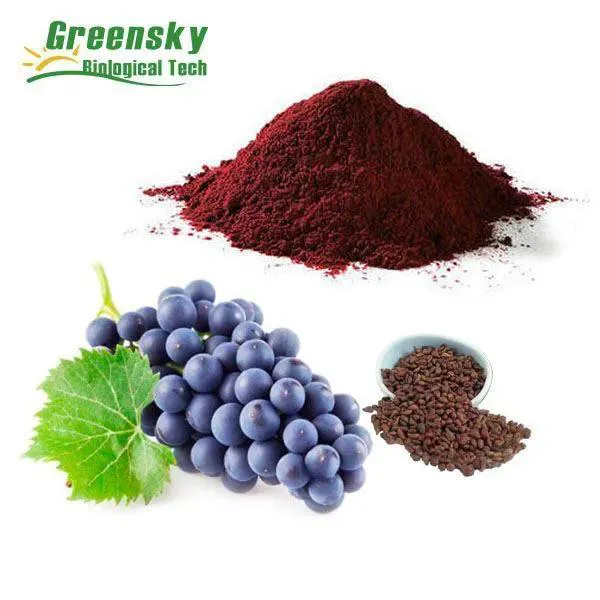
Grape Seed Extract
2026-08-15
-
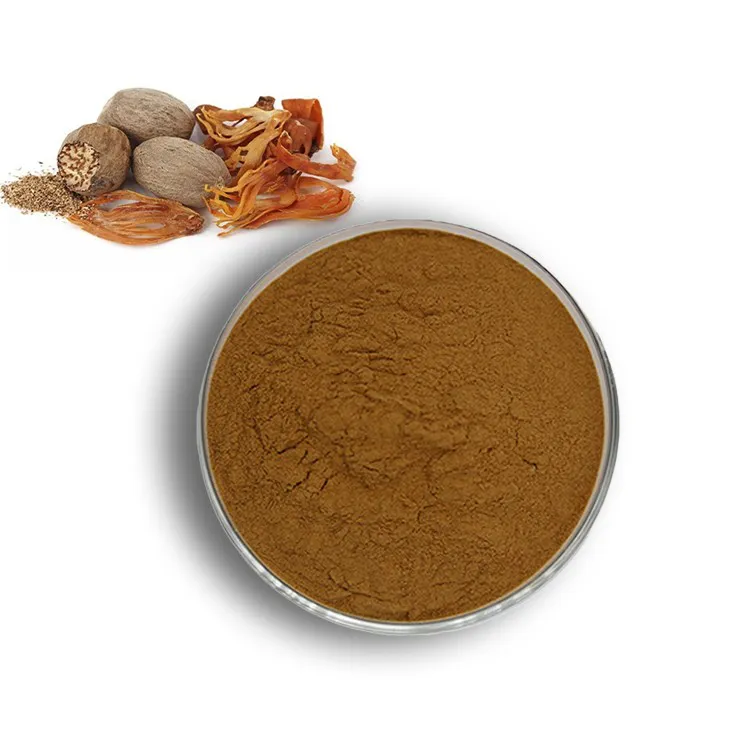
Nutmeg Extract
2026-08-15
-
Peppermint Extract Powder
2026-08-15
-
Oat Straw Extract Powder
2026-08-15
-
Rose Hip Extract
2026-08-15
-
Mango flavored powder
2026-08-15
