We have five factories and 23 years of experience in plant extracts
- 0086-571-85302990
- [email protected]





How much lycopene should I take for skin benefits?
2026-08-13
Related Product
Lycopene
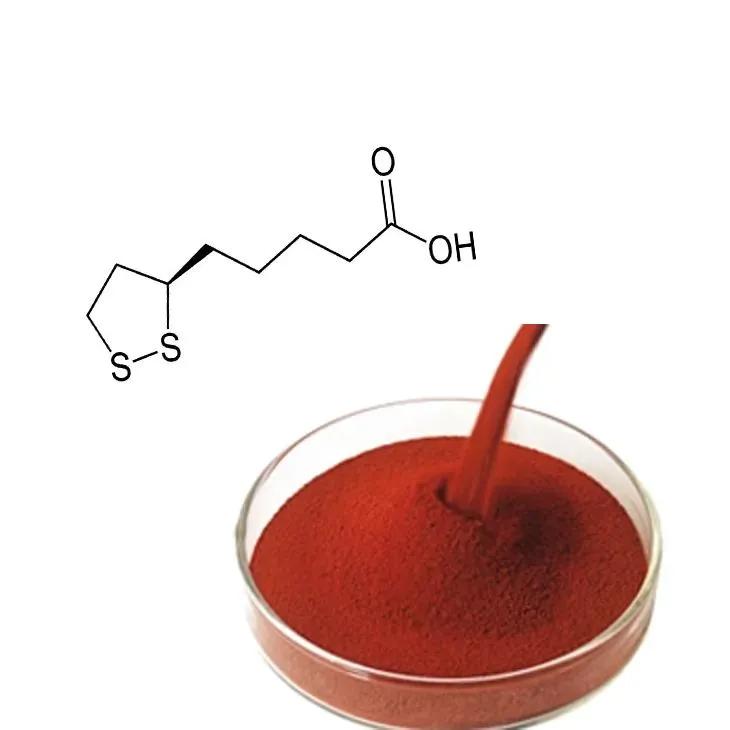
The lycopene produced by Green Sky Bio is of high quality, focusing on plant extracts for 21 years
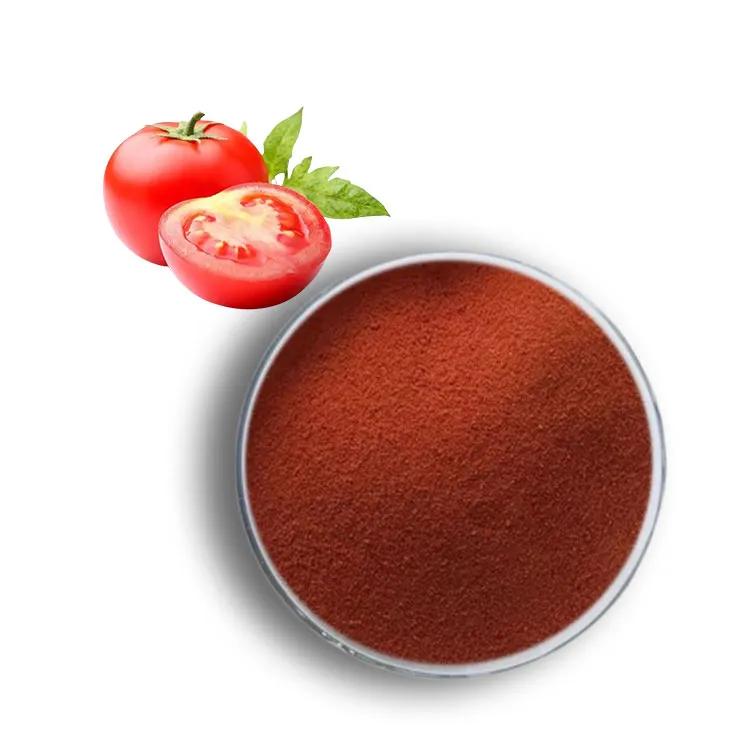
Lycopene is the red carotenoid that gives tomatoes, watermelon, and pink grapefruit their color, and it has become one of the most talked-about ingredients in skin care and supplement circles. If you are looking into it for your skin, the most common question is simple: how much Lycopene should you actually take to see benefits? The short answer is that most adults do well with about 10 to 30 mg a day, with many clinical studies using around 15 mg, but the details of timing, food, and consistency matter just as much as the number itself.
Before diving into dosage, it helps to understand what Lycopene does. As a powerful antioxidant, it helps neutralize singlet oxygen and other reactive molecules that are generated when your skin is exposed to ultraviolet light. Over time, this can support the skin's natural defenses, reduce visible redness after sun exposure, and help maintain a healthy, even-looking complexion. Because lycopene is fat-soluble, it settles into the skin and other tissues gradually, which is why results build up over weeks rather than overnight.
How much lycopene should you take for skin benefits?
For most healthy adults, a practical daily intake of 10 to 30 mg of lycopene is the range that appears in clinical research. Many studies that looked at skin photoprotection used around 15 mg per day, often delivered as a tomato extract complex, while softgel products commonly provide 20 to 30 mg per serving. If you are new to lycopene or have a sensitive stomach, it is reasonable to start at 10 mg a day for the first couple of weeks and then increase toward 20 to 30 mg if you tolerate it well.
It is worth noting that more is not automatically better. Intakes well above 30 to 45 mg a day rarely add extra benefit and can, over a long period, cause a harmless orange-red tint to the skin known as lycopenemia. This is benign and fades once intake returns to normal levels. Sticking with the recommended range gives you the skin-supporting effects without unnecessary excess.
Why lycopene matters for skin health
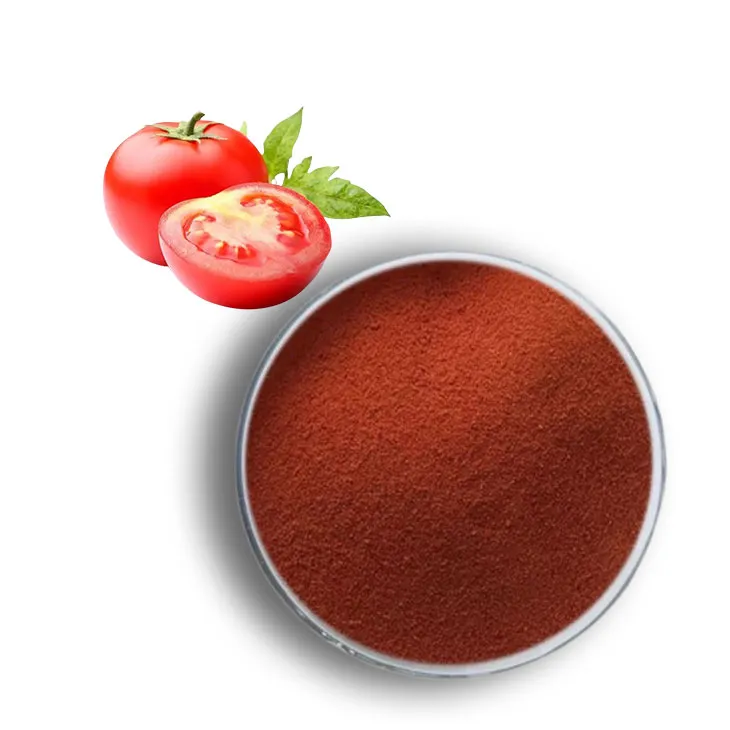
The skin is constantly exposed to environmental stress, and ultraviolet light is one of the biggest sources of free radical damage. Lycopene works in the lipid-rich layers of the skin, helping to stabilize cell membranes and protect them from oxidative damage. This is why a consistent intake of lycopene is often linked to better tolerance of sun exposure, less visible redness, and a smoother, more resilient-looking complexion.
It is important to set realistic expectations. Oral lycopene is not a sunscreen and should never replace sun protection. It works as an extra layer of internal support that complements sunscreen, shade, and protective clothing. When used alongside good sun habits, it can help your skin recover more gracefully and maintain a healthier appearance over time.
Food sources vs. supplements
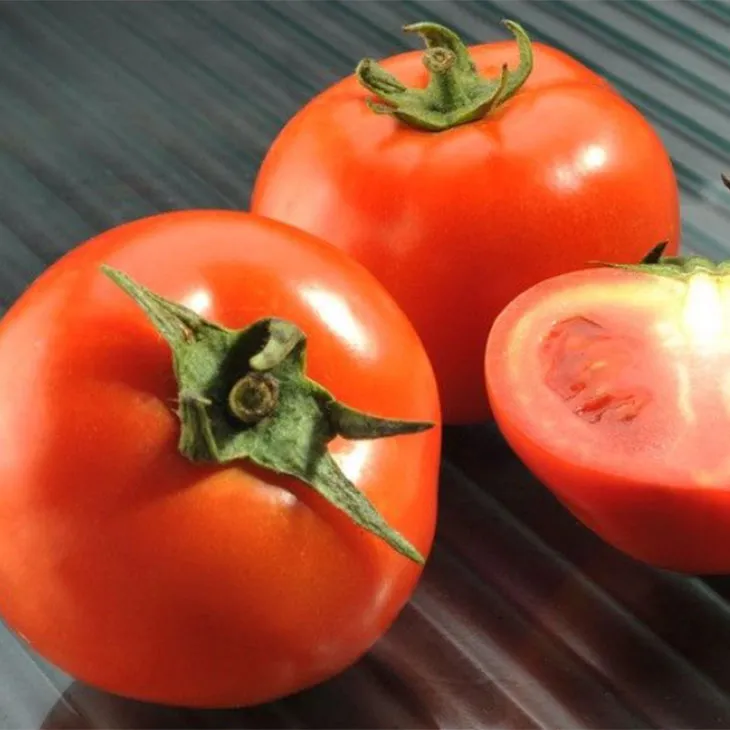
You can raise your lycopene intake through food, supplements, or a combination of both. Cooked tomato products are among the richest sources because heat and processing make the lycopene easier for your body to absorb. Tomato paste, sauces, and soups deliver more usable lycopene per serving than raw tomatoes. Watermelon, pink grapefruit, and papaya also contribute, though in smaller amounts.
For people who want a precise, convenient dose, a standardized lycopene supplement is a practical option. A well-made supplement gives you a known amount in one or two capsules, which is helpful if you travel often, have dietary restrictions, or simply prefer not to rely on cooking. A hybrid approach, eating tomato-rich meals most days and adding a 10 to 15 mg capsule on low-tomato days, is an easy way to stay consistent.
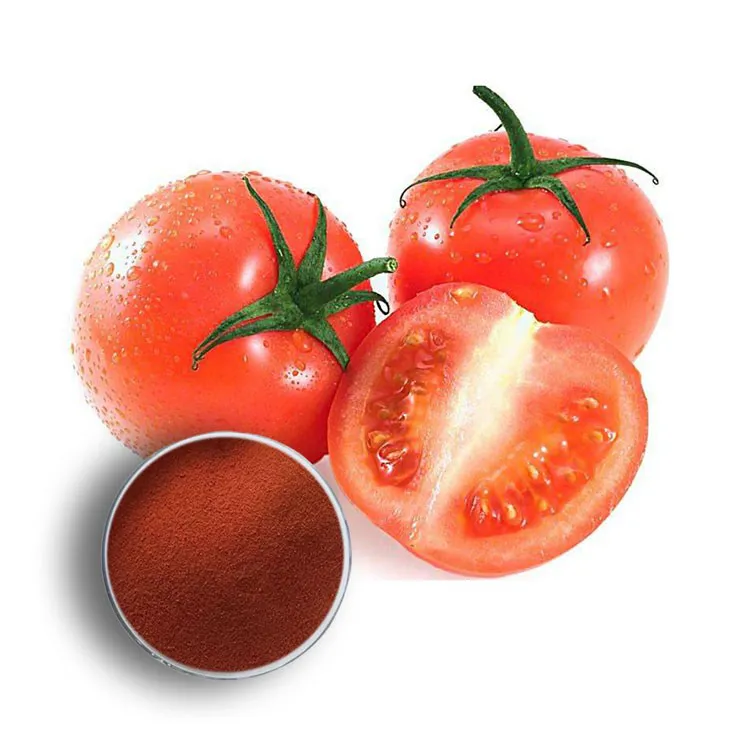
How to take lycopene for best absorption
Because lycopene is fat-soluble, taking it with food makes a real difference. Always take a lycopene supplement with a meal that contains some fat, such as a dish cooked with olive oil, to help your body absorb it properly. Taking it on an empty stomach means much of it passes through without being used. Splitting the dose, for example 10 mg at lunch and 10 mg at dinner, can help keep your blood levels steady and is easier on sensitive stomachs.
Consistency matters more than precise timing. Lycopene builds up in the skin slowly, so daily intake over several weeks is what produces visible results. Missing a day here and there is not a problem, just resume with your next meal.
How long before you see results
Skin benefits from lycopene are not immediate. Because the carotenoid accumulates gradually in the skin, most studies supplement for 8 to 12 weeks before measuring changes in skin redness or tolerance to UV exposure. If you are starting a lycopene routine for your skin, plan to stay consistent for at least two to three months before judging whether it is working for you.
Safety and who should be cautious
Lycopene from food and supplements is generally well tolerated by most people. The most common side effect at high intakes is the harmless orange tint mentioned earlier, and occasional digestive upset can occur if capsules are taken without food. Anyone with a confirmed tomato allergy should avoid tomato-derived supplements. If you take blood-thinning or blood-pressure medication, or if you are pregnant or breastfeeding, it is wise to check with your healthcare provider before starting a supplement.
Choosing a quality lycopene product
When you are ready to add lycopene to your routine, the quality of the ingredient matters. A reliable lycopene extract should come from a manufacturer with strong quality control, documented purity, and consistent production standards. Greensky, a professional plant extract manufacturer founded in 2004, produces lycopene extract as part of its broad catalog of botanical ingredients, backed by an independent laboratory and certifications such as ISO22000, HALAL, and Kosher. Working with an experienced supplier helps ensure you get a stable, dependable ingredient for your formulation.
For brands and formulators looking for a dependable source, choosing the right lycopene for skin products starts with a trustworthy manufacturer. Greensky's vertically integrated operation, from research and development through production, makes it a practical partner for companies building lycopene-based supplements and skin care products. To learn more about lycopene extract and the full range of plant extracts, you can explore the product catalog or contact the sales team directly.
TAGS:
FAQ
- ▶ Hesperidin
- ▶ Citrus Bioflavonoids
- ▶ Plant Extract
- ▶ lycopene
- ▶ Diosmin
- ▶ Grape seed extract
- ▶ Sea buckthorn Juice Powder
- ▶ Fruit Juice Powder
- ▶ Hops Extract
- ▶ Artichoke Extract
- ▶ Mushroom extract
- ▶ Astaxanthin
- ▶ Green Tea Extract
- ▶ Curcumin
- ▶ Horse Chestnut Extract
- ▶ Other Product
- ▶ Boswellia Serrata Extract
- ▶ Resveratrol
- ▶ Marigold Extract
- ▶ Grape Leaf Extract
- ▶ New Product
- ▶ Aminolevulinic acid
- ▶ Cranberry Extract
- ▶ Red Yeast Rice
- ▶ Red Wine Extract
- ▶ blog
Recommended Products
-
Angelica sinensis extract
2026-08-13
-
Chasteberry Extract
2026-08-13
-
Citrus bioflavonoids
2026-08-13
-
Hedyotis Diffusa Extract
2026-08-13
-
Red Date Extract
2026-08-13
-
Sugarcane Extract
2026-08-13
-
Bayberry Extract
2026-08-13
-
Cat Claw Extract
2026-08-13
-
Acai Berry Extract
2026-08-13
-
Gamma-Aminobutyric Acid
2026-08-13
Get a Quote