- 0086-571-85302990
- [email protected]






How much lycopene is actually absorbed from a 500 mg supplement?
2026-08-15
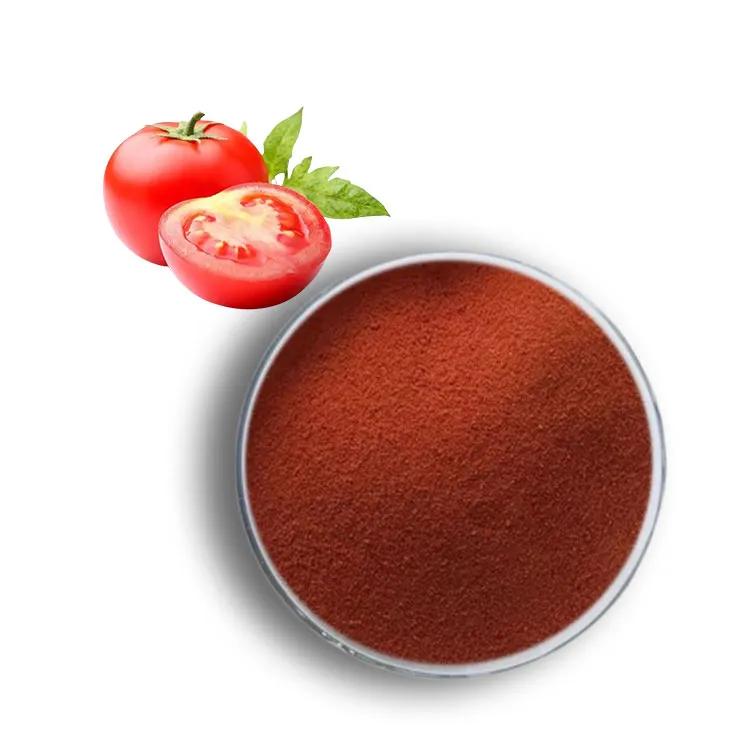
Lycopene is one of the most popular antioxidant supplements on the market, and "500 mg" is a number that shows up on many product labels. But what does that number really mean, and how much of it actually reaches your bloodstream? The honest answer is more complicated than the label suggests, and it matters whether you are choosing a supplement for yourself or sourcing raw material for a product line.
What "500 mg" on a Lycopene label usually means
Most commercial lycopene supplement products provide between 2 mg and 50 mg of actual Lycopene per serving. When a label says "500 mg," it almost never means 500 mg of pure lycopene. In most cases the number refers to the total weight of the capsule contents or the weight of the whole tomato extract, of which lycopene is only a small fraction.
Tomato extract is commonly standardized to around 5% to 10% lycopene. So a 500 mg capsule of a 10% extract delivers about 50 mg of actual lycopene, and a 5% extract delivers only about 25 mg. In other words, the number on the front of the bottle is not the amount of lycopene you are actually taking.
How lycopene is absorbed
Lycopene is a fat-soluble carotenoid. It has to be released from the food or supplement matrix, emulsified with dietary fat, and packed into micelles in the small intestine before it can cross into the bloodstream. Because of this, absorption depends heavily on what else is in your digestive tract.
Studies consistently show that lycopene absorption from dietary sources ranges from about 10% to 30%, and that consuming it with fat makes a large difference. In one well-known study, eating tomato salsa with avocado increased lycopene absorption by more than four times compared with salsa eaten on its own.
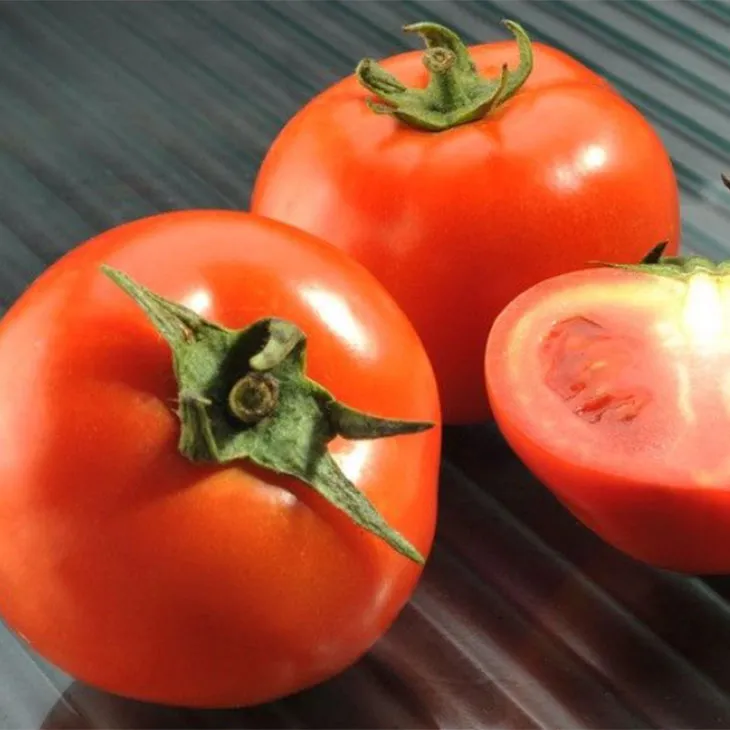
The dose-response reality: absorption is saturable
Here is the part that most labels do not tell you: the fraction of lycopene that is absorbed falls as the dose rises. In a dose-response study, absorption dropped from 34% of a 10 mg dose to just 5% of a 120 mg dose. In another study, a larger 38 mg purified dose was absorbed at only about 2.6%.
In plain terms, doubling the dose does not double the amount absorbed. Beyond a certain point, extra lycopene mostly passes through the body unabsorbed.
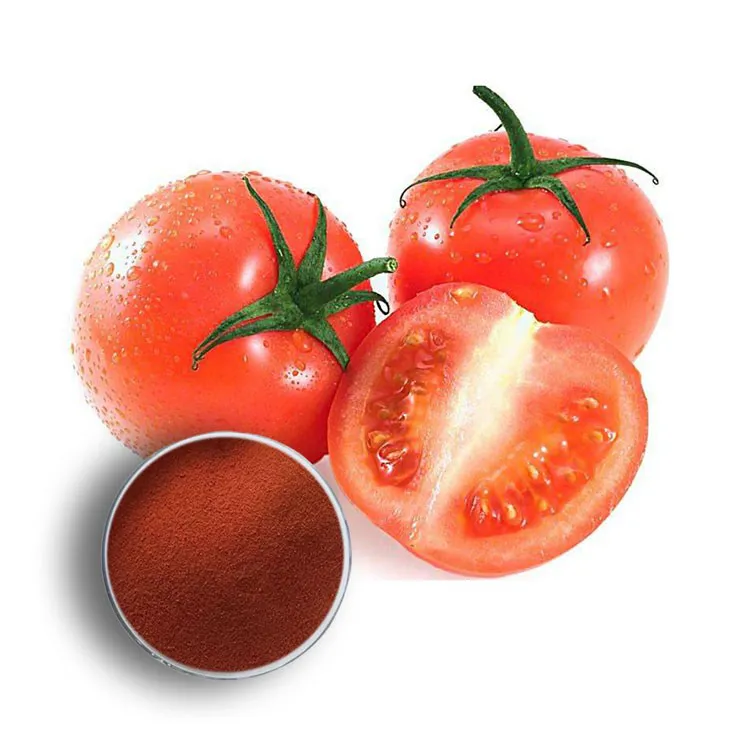
So how much is actually absorbed from a 500 mg supplement?
The answer depends on what the "500 mg" actually refers to. If the label really meant 500 mg of pure lycopene, which is very rare, the absorbed fraction would be in the low single digits, following the saturation pattern seen in studies. In that case most of the dose would pass through unabsorbed, and only a small portion would enter the bloodstream.
More commonly, a "500 mg" product contains a tomato extract with a much smaller amount of actual lycopene. If the real lycopene content is 25 to 50 mg, then at a typical absorption rate of 10% to 30%, the amount that reaches the bloodstream is roughly 2.5 to 15 mg per serving.
The practical takeaway: the amount of lycopene your body actually absorbs is determined by the real lycopene content and the formulation, not by the big number on the label.
What improves lycopene absorption
Take it with fat. A meal containing at least 5 to 10 g of fat, from oils, avocado, nuts, or eggs, noticeably improves uptake. Lycopene simply cannot be absorbed well on an empty stomach.
Prefer processed or cooked tomato products. Heating and processing break down cell walls and improve release, which is why processed tomato products are consistently more bioavailable than raw tomatoes.
Look for oil-based or emulsified formulations. Cis-isomers of lycopene are estimated to be several times more bioavailable than the all-trans form, and oil-based or emulsified preparations generally absorb better than plain dry powders.
What to look for in a quality lycopene product
For consumers, check the supplement facts panel for the actual lycopene content rather than the total serving weight, look for third-party testing, and confirm that the source is clearly stated. For manufacturers and brands, the reliability of the ingredient matters as much as the label. Working with a lycopene manufacturer that can document consistent lycopene content, provide a certificate of analysis for every batch, and operate under recognized food-safety systems is the surest way to protect the quality of a finished product.
Greensky, a professional botanical ingredient manufacturer based in Hangzhou with more than twenty years of experience, produces lycopene extract and a wide range of other plant extracts for the global market. The company operates a 100,000-class clean production area, maintains an independent laboratory equipped with HPLC, GC, and UV instruments, and holds certifications including ISO22000, BRCGS, HALAL, and Kosher. With fully integrated research, production, and quality control, Greensky supports supplement and food manufacturers with dependable botanical ingredients and complete export documentation.
Bottom line
Lycopene is a well-studied antioxidant, and supplements can be a convenient way to raise your intake. But absorption is dose-dependent and saturable, and "500 mg" labels can be misleading. Focus on the actual lycopene content, take the product with fat, and choose a formulation designed for absorption. Whether you are a consumer or a manufacturer sourcing raw materials, the quality and transparency of the ingredient matter far more than the number on the front of the bottle.
- ▶ Hesperidin
- ▶ Citrus Bioflavonoids
- ▶ Plant Extract
- ▶ lycopene
- ▶ Diosmin
- ▶ Grape seed extract
- ▶ Sea buckthorn Juice Powder
- ▶ Fruit Juice Powder
- ▶ Hops Extract
- ▶ Artichoke Extract
- ▶ Mushroom extract
- ▶ Astaxanthin
- ▶ Green Tea Extract
- ▶ Curcumin
- ▶ Horse Chestnut Extract
- ▶ Other Product
- ▶ Boswellia Serrata Extract
- ▶ Resveratrol
- ▶ Marigold Extract
- ▶ Grape Leaf Extract
- ▶ New Product
- ▶ Aminolevulinic acid
- ▶ Cranberry Extract
- ▶ Red Yeast Rice
- ▶ Red Wine Extract
- ▶ blog
-
Elderberry Extract
2026-08-15
-
Troxerutin
2026-08-15
-
Green coffee bean Extract
2026-08-15
-
Cocoa Extract
2026-08-15
-
Garcinia Cambogia Extract
2026-08-15
-
Sea buckthorn oil
2026-08-15
-
Yellow Pine Extract
2026-08-15
-
Marigold Extract
2026-08-15
-
Chaste Berry Extract
2026-08-15
-
Sugarcane Extract
2026-08-15
