We have five factories and 23 years of experience in plant extracts
- 0086-571-85302990
- [email protected]





How is red wine extract made from grape skins?
2026-08-17
Related Product
Red Wine Extract
We are a professional plant extract manufacturer in China, focusing on the R&D and production of Red Wine Extract extract, pr
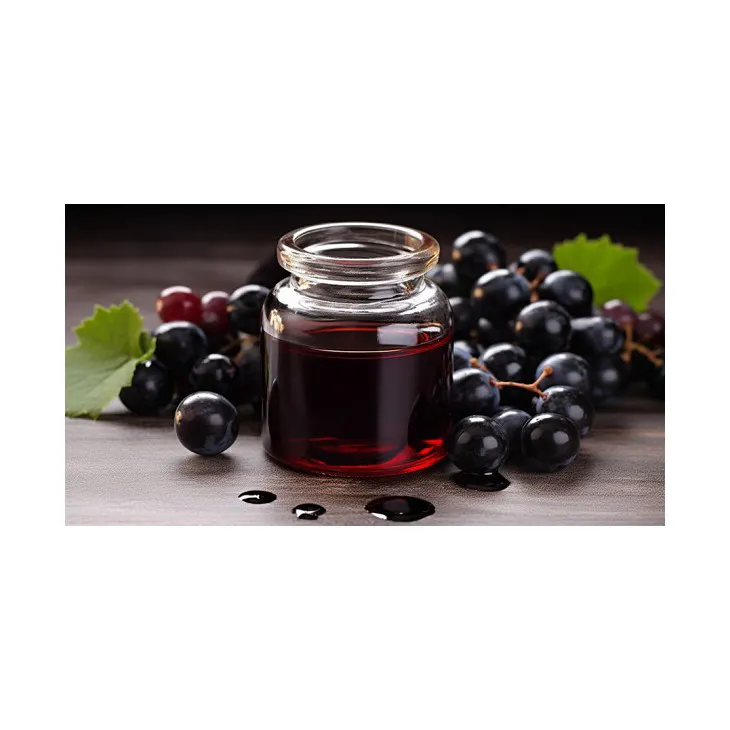
How is Red Wine Extract made from grape skins?
Red Wine Extract is one of the most popular polyphenol-rich ingredients used in dietary supplements and functional foods today. Many people know it comes from red grapes, but fewer understand exactly how grape skins are turned into the fine powder found in capsules and product formulations. This article walks through the process step by step, from the winery by-product to a standardized, quality-controlled extract that manufacturers rely on.
Where does the raw material come from?
The starting point is what winemakers leave behind. After red grapes are pressed and fermented, the solid remains — mainly skins, and some seeds — are collected as pomace. These skins are the most valuable part for extraction because they hold a concentrated store of polyphenols, including anthocyanins (the pigments behind red wine's color) and resveratrol. Instead of discarding this pomace, manufacturers like red wine extract producers carefully clean and prepare the skins before any extraction begins.
Cleaning and drying the grape skins
Fresh pomace contains high moisture and residual sugars, which makes it unstable. To obtain a clean raw material, the skins are washed to remove impurities and then dried. Industrial facilities use low-temperature drying to protect heat-sensitive polyphenols from degrading. Once the moisture is reduced to a suitable level, the dried skins are milled into a fine powder or coarse substrate, giving the extraction solvents a large surface area to work with.
Solvent extraction concentrates the beneficial compounds
The core of the process is extraction. The ground grape skins are mixed with a solvent — typically an ethanol-water mixture — in large extraction tanks. The solvent dissolves the polyphenols out of the plant tissue. Because the temperature and solvent ratio are tuned to the target compound, this stage determines both the yield and the quality of the final extract. Mature producers run this in multi-ton extraction equipment so that thousands of kilograms of skins can be processed in a single batch while keeping conditions consistent.
Filtration and concentration
After extraction, the liquid is separated from the spent plant material through filtration, leaving a polyphenol-rich liquid. This solution still contains a lot of solvent and water, so it is concentrated under reduced pressure and low temperature. Working at low temperature is essential here — intense heat would destroy the delicate anthocyanins and resveratrol that give the extract its value. The result is a thick, concentrated liquid with a much higher content of active polyphenols.
Drying into powder form
To turn the concentrate into a stable, portable ingredient, it is dried. Spray drying is the most common method: the liquid is atomized into a fine mist and quickly dried with warm air, producing a free-flowing powder. It produces a consistently colored, easy-to-handle material that can be packed into bags, capsules, or blended into formulations. Because spray drying is fast, the polyphenols are exposed to high temperatures only briefly, helping preserve their activity.
Standardization and quality control
A good extract is not simply "from grape skins" — it is standardized to a consistent content of active compounds. In an in-house laboratory, samples are analyzed with instruments such as High-Performance Liquid Chromatography (HPLC) and gas chromatography (GC) to confirm polyphenol content, purity, and absence of contaminants. Batch-to-batch consistency is what allows formulators to dose an ingredient with confidence. Reputable suppliers test every lot and document results before release.
Packing and traceability
Finally, the powder is packed under controlled conditions, typically in a dust-free production area, and labeled with batch numbers so the entire chain can be traced back to the raw material. This traceability matters for buyers who need to submit documentation in regulated markets.
How Red Wine Extract compares to Grape Seed Extract
Since the two come from the same fruit, they are easy to confuse. The skin-derived extract is rich in anthocyanins and resveratrol, while grape seed extract is dominated by proanthocyanidins. Choosing between them depends on the formulation target: if the goal is a red-wine-profile antioxidant with resveratrol and color pigments, the skin-derived extract is the natural fit. For standardized proanthocyanidins, seed extract is the better option.
Why supplier capabilities matter
The purity and consistency of red wine extract depend heavily on the producer's equipment and process control. A supplier with an integrated facility, low-temperature concentration, spray-drying capacity, and its own plant extract manufacturing laboratory is far better positioned to deliver a reliable ingredient than one relying on outsourced processing. Certifications such as ISO22000 and BRCGS further signal that food-safety controls are in place throughout production.
From winery pomace to a standardized powder, making red wine extract from grape skins is a well-controlled chain of cleaning, solvent extraction, low-temperature concentration, spray drying, and rigorous lab testing. Understanding this process helps buyers evaluate suppliers and choose an ingredient that matches their product's quality expectations.
TAGS:
FAQ
- ▶ Hesperidin
- ▶ Citrus Bioflavonoids
- ▶ Plant Extract
- ▶ lycopene
- ▶ Diosmin
- ▶ Grape seed extract
- ▶ Sea buckthorn Juice Powder
- ▶ Fruit Juice Powder
- ▶ Hops Extract
- ▶ Artichoke Extract
- ▶ Mushroom extract
- ▶ Astaxanthin
- ▶ Green Tea Extract
- ▶ Curcumin
- ▶ Horse Chestnut Extract
- ▶ Other Product
- ▶ Boswellia Serrata Extract
- ▶ Resveratrol
- ▶ Marigold Extract
- ▶ Grape Leaf Extract
- ▶ New Product
- ▶ Aminolevulinic acid
- ▶ Cranberry Extract
- ▶ Red Yeast Rice
- ▶ Red Wine Extract
- ▶ blog
Recommended Products
-
Tormentil Extract
2026-08-17
-
Aguaje Extract
2026-08-17
-
Angelica sinensis extract
2026-08-17
-
Almond Extract Powder
2026-08-17
-
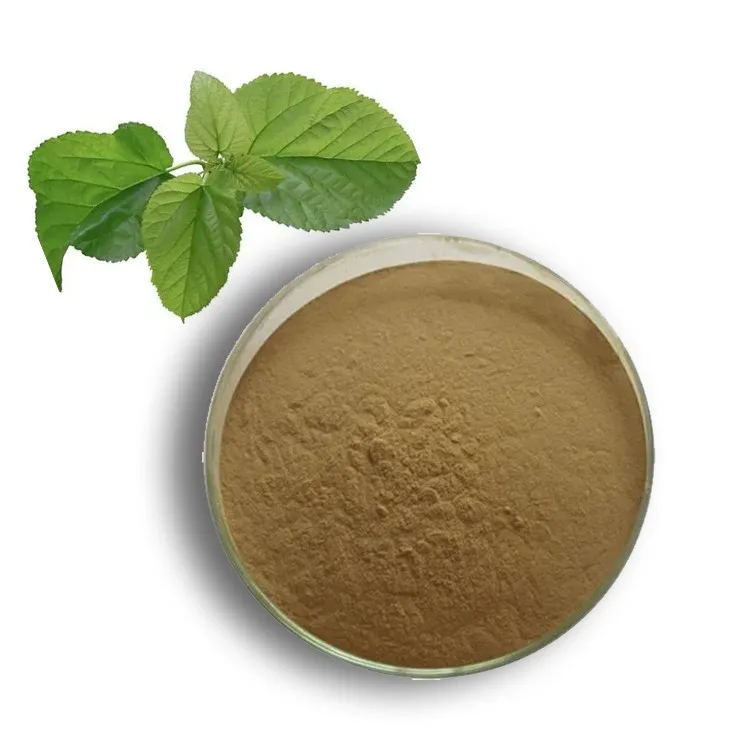
Mulberry leaf Extract
2026-08-17
-
Hawthorn Extract
2026-08-17
-
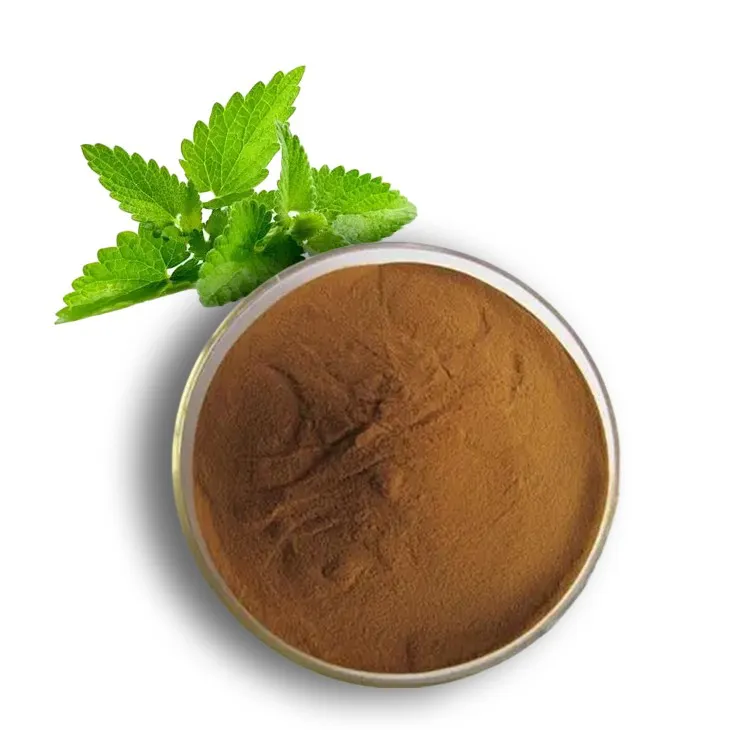
Peppermint Extract Powder
2026-08-17
-
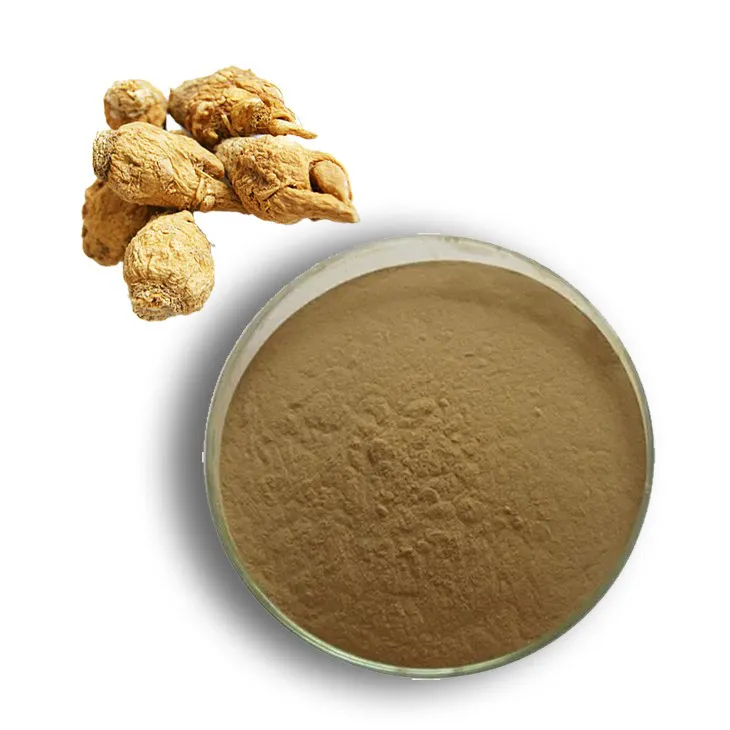
Maca Extract
2026-08-17
-
Senna Leaf Extract
2026-08-17
-
Mango flavored powder
2026-08-17
Get a Quote