- 0086-571-85302990
- [email protected]






How is polygonum multiflorum extract standardized?
2026-08-13
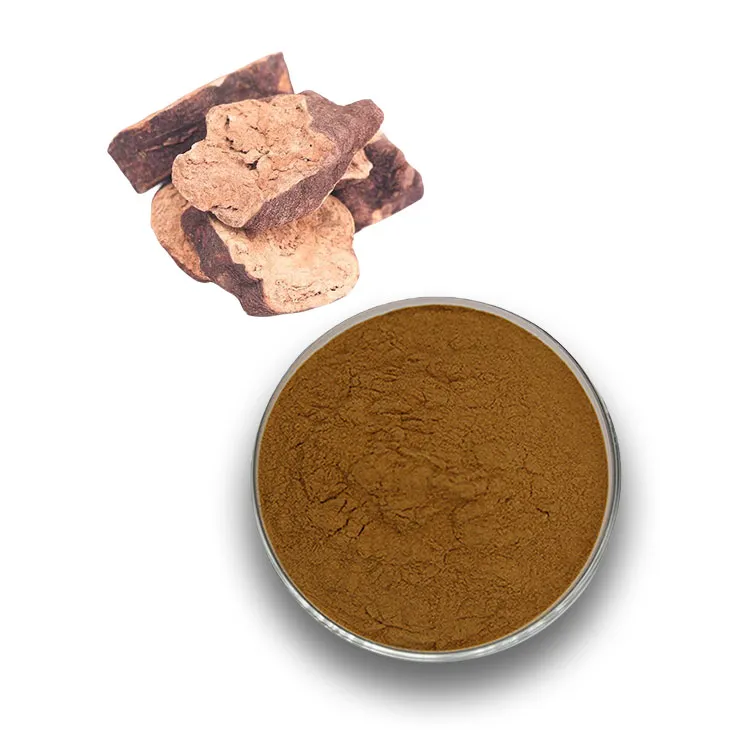
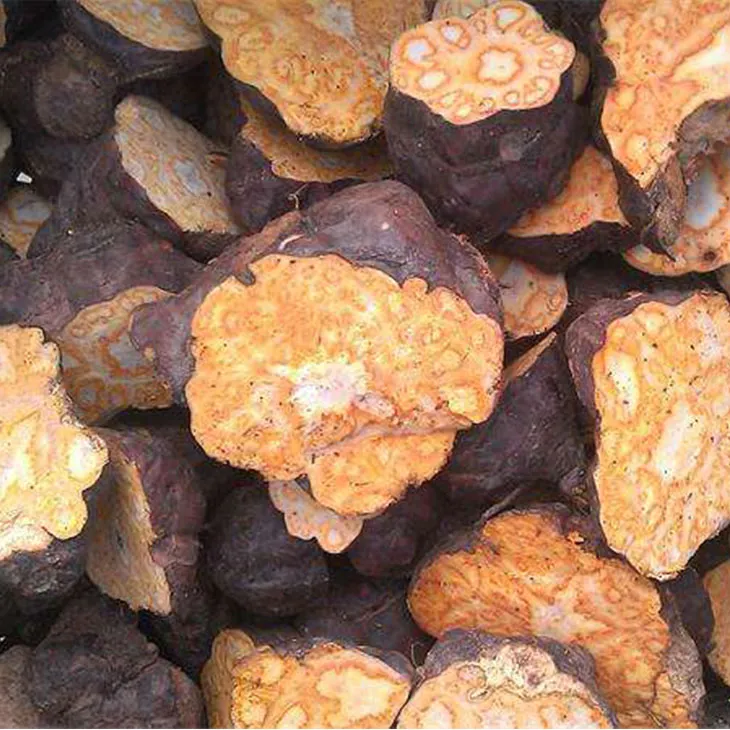
Polygonum multiflorum, known in traditional Chinese medicine as He Shou Wu or Fo-ti, has been used for centuries to support healthy hair, skin, and overall vitality. As demand for this botanical grows in the nutraceutical and cosmetic industries, one question keeps coming up among formulators and buyers: how is polygonum multiflorum extract standardized? The answer matters because a standardized extract delivers a consistent, reproducible level of active compounds in every batch, which is essential for product safety, efficacy, and regulatory compliance.
What Does Standardization Mean for a Botanical Extract?
Standardization is the process of ensuring that each batch of an extract contains a defined, measurable amount of one or more marker compounds. Rather than relying on the natural variation of raw plant material, a standardized extract is adjusted so that the concentration of key active ingredients falls within a specified range. For Polygonum multiflorum extract, this means controlling the levels of the stilbene glycosides and anthraquinones that are characteristic of the herb.
The Key Marker Compounds in Polygonum Multiflorum
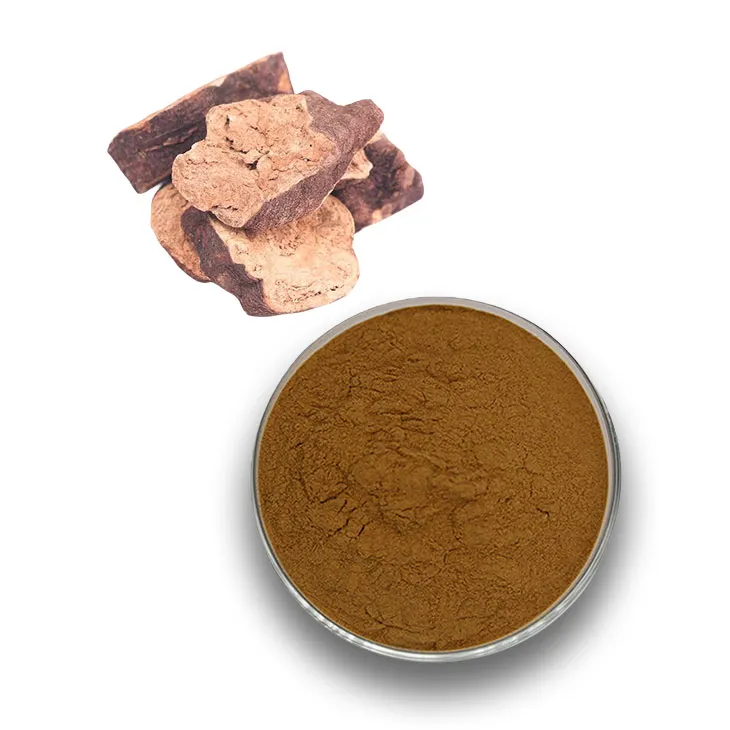
The quality of Polygonum multiflorum extract is judged primarily by its content of 2,3,5,4'-tetrahydroxystilbene-2-O-beta-D-glucoside, commonly abbreviated as THSG. This stilbene glycoside is the main bioactive marker and is widely associated with the herb's antioxidant properties. Alongside THSG, manufacturers also monitor the anthraquinones emodin and physcion, as well as related compounds such as chrysophanol and rhein, because these contribute to both the biological activity and the safety profile of the extract.
Reference Standards and Pharmacopoeia Requirements
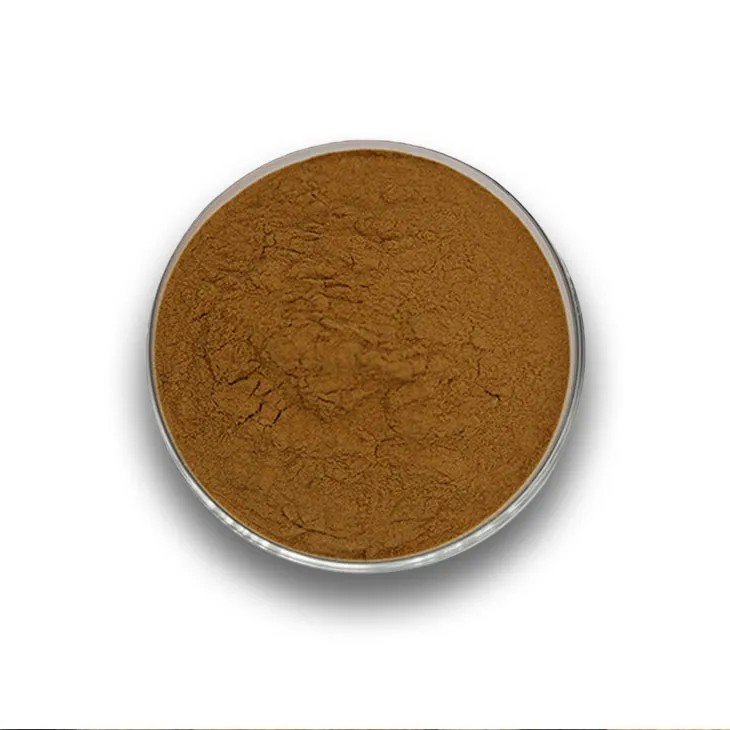
Standardization is anchored to official reference standards. Under the Chinese Pharmacopoeia, for example, the content of THSG in raw and processed Polygonum multiflorum decoction pieces should not be less than 1.0% and 0.70% respectively, while the combined content of emodin and physcion should not be less than 0.1%. These figures give buyers a clear benchmark against which a supplier's certificate of analysis can be compared, and they illustrate why working with an experienced plant extract manufacturer is important when sourcing this ingredient.
How Standardization Is Measured in the Laboratory
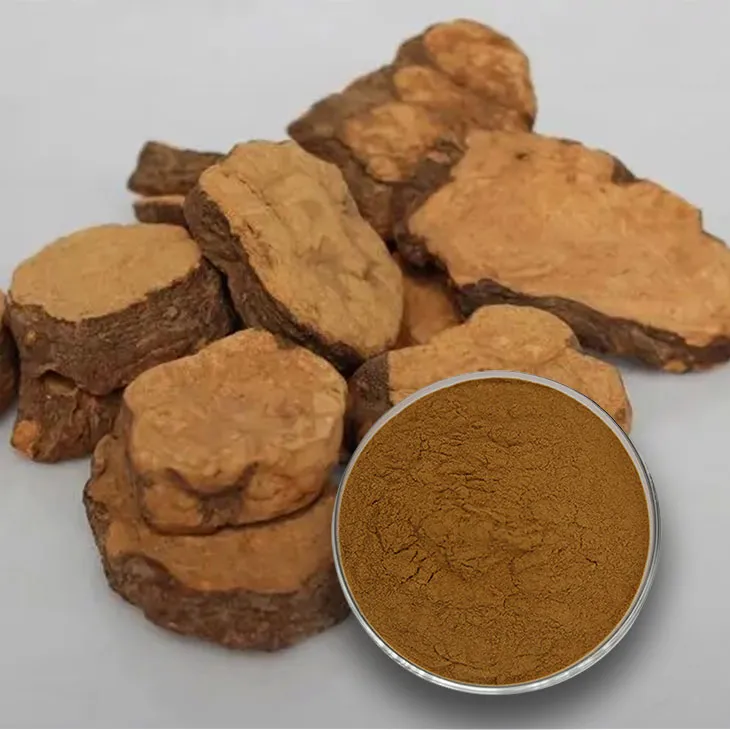
The most reliable way to verify standardization is through high-performance liquid chromatography, or HPLC. This technique separates the individual compounds in the extract and quantifies them against certified reference standards, producing precise measurements of THSG, emodin, and physcion content. Many reputable suppliers also use ultraviolet spectroscopy and thin-layer chromatography as supporting methods, and they document every result in a certificate of analysis that accompanies each shipment.
Why Standardization Matters for Your Product
For manufacturers of supplements, functional foods, and cosmetic ingredients, a standardized Polygonum multiflorum extract removes guesswork. Consistent marker content means your finished product delivers the same dose of active compounds from batch to batch, which supports label claims, quality control, and consumer trust. It also simplifies regulatory submissions, because you can point to a documented specification rather than relying on variable raw material.
Sourcing a Reliable Standardized Extract
When choosing a supplier, look for a plant extract supplier that operates its own independent laboratory equipped with HPLC, GC, and UV instrumentation, and that holds recognized certifications such as ISO22000, BRCGS, and HALAL. These credentials indicate that the company can consistently deliver extracts that meet the stated specification. Greensky, a plant extract manufacturer founded in 2004 with fully integrated research, production, and testing, produces polygonum multiflorum extract from carefully selected roots and verifies marker content in every batch before release.
In short, polygonum multiflorum extract is standardized by measuring its key marker compounds, especially THSG and the anthraquinones emodin and physcion, using HPLC against official pharmacopoeia standards. By choosing a supplier that can document these values reliably, you ensure that your products are consistent, compliant, and effective.
- ▶ Hesperidin
- ▶ Citrus Bioflavonoids
- ▶ Plant Extract
- ▶ lycopene
- ▶ Diosmin
- ▶ Grape seed extract
- ▶ Sea buckthorn Juice Powder
- ▶ Fruit Juice Powder
- ▶ Hops Extract
- ▶ Artichoke Extract
- ▶ Mushroom extract
- ▶ Astaxanthin
- ▶ Green Tea Extract
- ▶ Curcumin
- ▶ Horse Chestnut Extract
- ▶ Other Product
- ▶ Boswellia Serrata Extract
- ▶ Resveratrol
- ▶ Marigold Extract
- ▶ Grape Leaf Extract
- ▶ New Product
- ▶ Aminolevulinic acid
- ▶ Cranberry Extract
- ▶ Red Yeast Rice
- ▶ Red Wine Extract
- ▶ blog
-
Resveratrol
2026-08-13
-
Saw Palmetto Extract
2026-08-13
-
Baobab Fruit Extract
2026-08-13
-
Stevia Extract
2026-08-13
-
Mangosteen extract powder
2026-08-13
-
Artichoke Leaf Extract
2026-08-13
-
Fig Extract
2026-08-13
-
Yam Extract
2026-08-13
-
Marigold Extract
2026-08-13
-
Liposomal Berberine HCl
2026-08-13
