- 0086-571-85302990
- [email protected]




How is organic curcumin certified?
2026-08-18
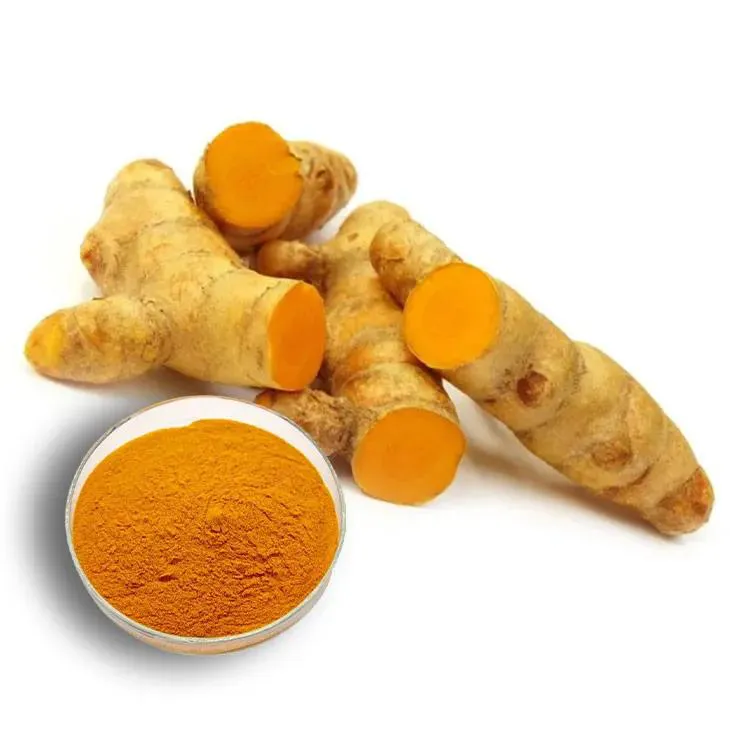
When a supplement brand puts "organic Curcumin" on a label, that claim carries legal weight in every major market. Organic certification is not a badge a manufacturer can simply print on a package. It is a formal, audited status granted by accredited certification bodies only after the farming practices, the raw material, and the processing facility all meet defined standards. For buyers sourcing organic curcumin for their formulations, understanding how certification actually works is the difference between a defensible claim and a compliance risk.
What makes Curcumin "organic" in the first place
Organic status begins long before the extraction tank. At the farm level, turmeric must be grown without synthetic pesticides, synthetic fertilizers, genetically modified organisms, sewage sludge, or ionizing radiation. Under the USDA National Organic Program, for example, the land must complete a three-year transition period during which only approved inputs are used, and the farm is subject to annual inspection by an accredited certifying agent.
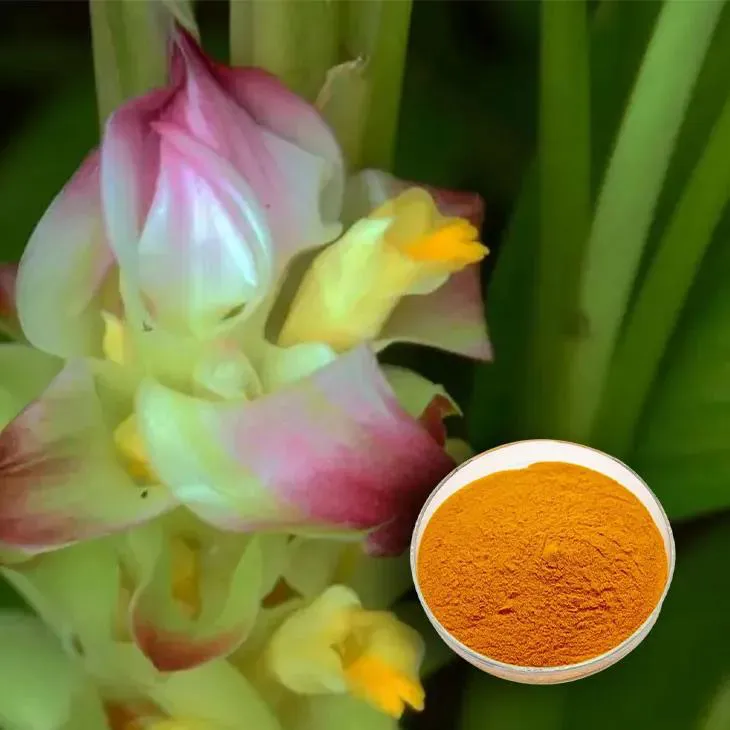
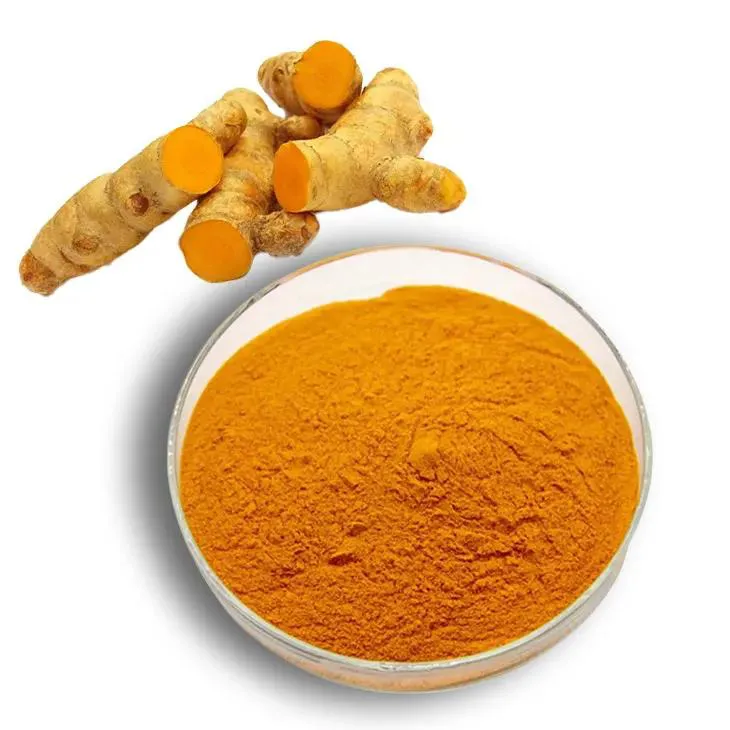
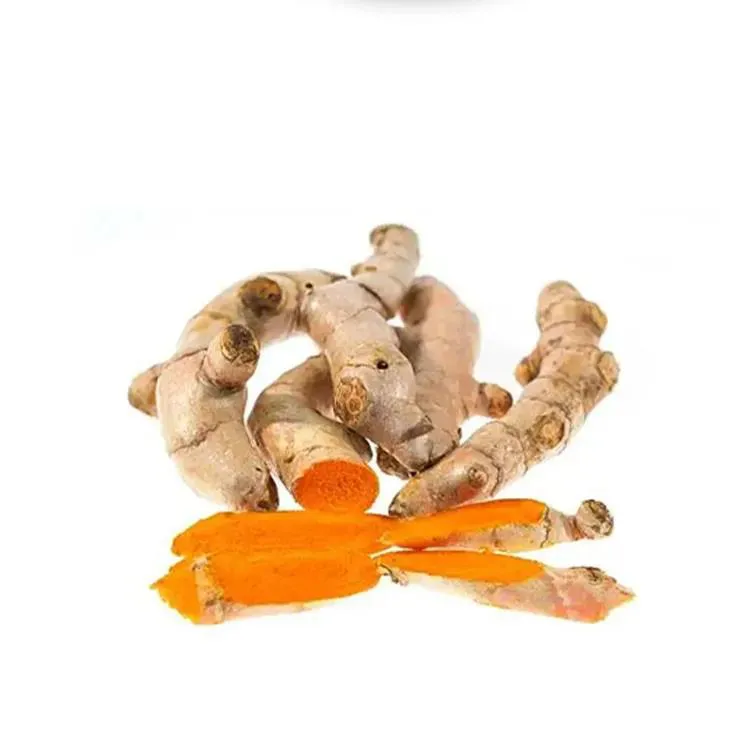
The botanical source matters too. Authentic organic turmeric extract comes from Curcuma longa, the species that carries therapeutically meaningful levels of Curcuminoids. Once the rhizomes are harvested, the crop moves to a processing facility that must keep the organic integrity of the ingredient intact through separation, extraction, and drying. That is why certification covers the whole chain, not just the field.
The main organic certification programs
There is no single global "organic" label. Depending on the destination market, a supplier's certificate may come from one of several recognized programs:
- USDA Organic — the standard for products sold in the United States, administered under the National Organic Program with a three-year land transition period, annual on-site inspection, and strict record-keeping.
- EU Organic — governed by Regulation (EU) 2018/848, with enhanced traceability requirements and the familiar green leaf logo for certified products sold in Europe.
- Ecocert — one of the world's largest certification bodies, which audits producers against both USDA and EU organic standards and is widely recognized across international markets.
- Other national programs — including Japan's JAS organic standard and China's national organic certification, each with its own rules and inspection regimes.
A supplier targeting multiple markets should hold certifications that match each destination. Equivalency arrangements between programs such as USDA and EU Organic help smooth international trade, but the buyer should always confirm the certificate actually covers the specific product and facility being supplied.
How the certification process works, step by step
Whether the certifier is Ecocert, USDA-accredited, or another recognized body, the process follows the same basic shape:
- Application and documentation review. The producer submits farm records, input lists, processing procedures, and traceability systems for review against the relevant organic standard.
- On-site inspection. An inspector visits the farm and the processing facility to verify that practices match the documentation, checking everything from seed sources to cleaning procedures between batches.
- Residue and contaminant testing. Samples are analyzed for prohibited pesticide residues and heavy metals, confirming that the material meets the limits set by the organic standard and the destination market.
- Certification decision. If everything passes, the certification body issues an organic certificate listing the certified scope, the certificate number, and the validity period.
- Annual renewal. Organic certification is not permanent. It is renewed each year through fresh inspection and testing, with spot checks possible in between.
How to verify a supplier's organic certificate
A certificate is only as good as the verification behind it. When evaluating a potential supplier of organic curcumin powder, ask for the certificate itself and check the details rather than accepting the claim at face value:
- Confirm the name of the certification body and look it up in that body's public database to verify the certificate number is active.
- Check that the certified scope covers the exact product you are buying and the facility that produces it, not just the company name.
- Request batch-specific certificates of analysis showing curcuminoid content, pesticide residue results, and heavy metal levels for every shipment.
- Ask how the supplier handles cross-contamination risk, since organic material processed in a facility that also runs conventional lines needs clear segregation controls.
Beyond organic: food safety and quality certifications
Organic certification answers one question: how the crop was grown. It does not, by itself, tell you how the facility is managed day to day. That is why serious buyers look for quality management and food safety certifications alongside organic status. Systems such as ISO 22000 for food safety management, ISO 9001 for quality management, GMP for good manufacturing practice, and retailer standards like BRCGS all demonstrate that the manufacturer runs controlled, documented, and audited operations. Halal and Kosher certifications, meanwhile, open doors in markets where religious dietary compliance is a purchasing requirement.
Why certification matters when choosing a curcumin manufacturer
For a formulator, the cost of a certification gap is not a paperwork headache — it is a recall, a rejected shipment, or a label claim that cannot be defended. Working with a Curcumin Manufacturer that holds the right certifications reduces that risk at the source. Greensky, a professional manufacturer of natural plant extracts founded in 2004, produces curcumin in a 100,000-class clean production area supported by an independent laboratory equipped with GC, HPLC, and UV. The company holds ISO22000, BRCGS, Ecocert Organic Standard, SGS-GMP, ISO9001, HALAL, and Kosher certifications, along with export food production registration. With over 20 years of experience and full vertical integration from research to production, Greensky can supply organic curcumin with the documentation needed for global regulatory submissions.
The bottom line
Organic curcumin certification is a layered process that starts in the soil and ends with an audited certificate on a supplier's desk. Understanding the programs, the inspection steps, and the verification checks lets you source with confidence instead of taking a label at face value. Ask for the certificate, verify it, and choose a manufacturer whose certifications match the markets you serve.
TAGS:
- ▶ Hesperidin
- ▶ Citrus Bioflavonoids
- ▶ Plant Extract
- ▶ lycopene
- ▶ Diosmin
- ▶ Grape seed extract
- ▶ Sea buckthorn Juice Powder
- ▶ Fruit Juice Powder
- ▶ Hops Extract
- ▶ Artichoke Extract
- ▶ Mushroom extract
- ▶ Astaxanthin
- ▶ Green Tea Extract
- ▶ Curcumin
- ▶ Horse Chestnut Extract
- ▶ Other Product
- ▶ Boswellia Serrata Extract
- ▶ Resveratrol
- ▶ Marigold Extract
- ▶ Grape Leaf Extract
- ▶ New Product
- ▶ Aminolevulinic acid
- ▶ Cranberry Extract
- ▶ Red Yeast Rice
- ▶ Red Wine Extract
- ▶ blog
-
Green coffee bean Extract
2026-08-18
-
Milk Thistle Extract
2026-08-18
-
Chia Seed Powder
2026-08-18
-
Sea buckthorn oil
2026-08-18
-
Black Pepper Extract
2026-08-18
-
Quercetin
2026-08-18
-
Lavender Extract
2026-08-18
-
Fig Extract
2026-08-18
-
Magnolia Bark Extract
2026-08-18
-
Kidney Bean Extract
2026-08-18