- 0086-571-85302990
- [email protected]






How is liposomal curcumin manufactured in a factory setting?
2026-08-14
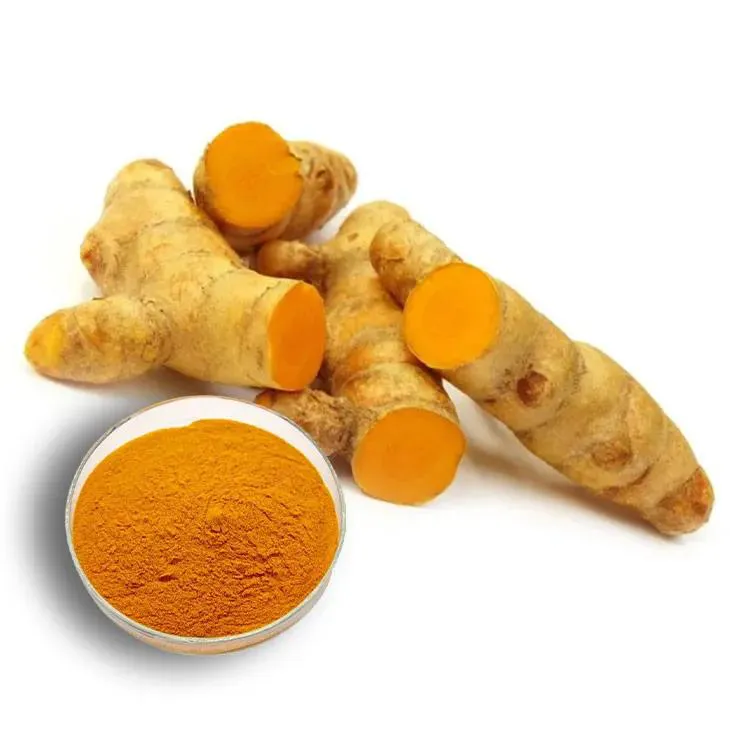
Curcumin is one of the most studied natural compounds in the world, prized for its antioxidant and anti-inflammatory activity. Yet for all its promise, plain Curcumin performs poorly in the human body: it is nearly insoluble in water, degrades quickly, and is metabolized so fast that only a tiny fraction reaches the bloodstream. Liposomal encapsulation solves this problem by wrapping Curcumin inside a phospholipid bilayer, dramatically improving solubility, stability, and absorption. But taking this technology from a laboratory beaker to a production line is a disciplined engineering effort. This article walks through how liposomal curcumin is actually manufactured in a factory setting, step by step.
Why Liposomal Technology Is the Answer
Before any equipment is switched on, it helps to understand what the factory is trying to achieve. Free curcumin is a hydrophobic crystal that barely dissolves in water, so it cannot be absorbed efficiently. In a liposome, curcumin molecules are held inside small spherical vesicles made of phospholipids, the same material that forms cell membranes. These nano-sized particles change curcumin from an insoluble crystal into a stable, water-dispersible colloid. The result is far better absorption and steadier performance in the body. Producing this consistently at scale is what separates a genuine manufacturing facility from a lab bench.
Stage 1: Sourcing and Testing Raw Materials
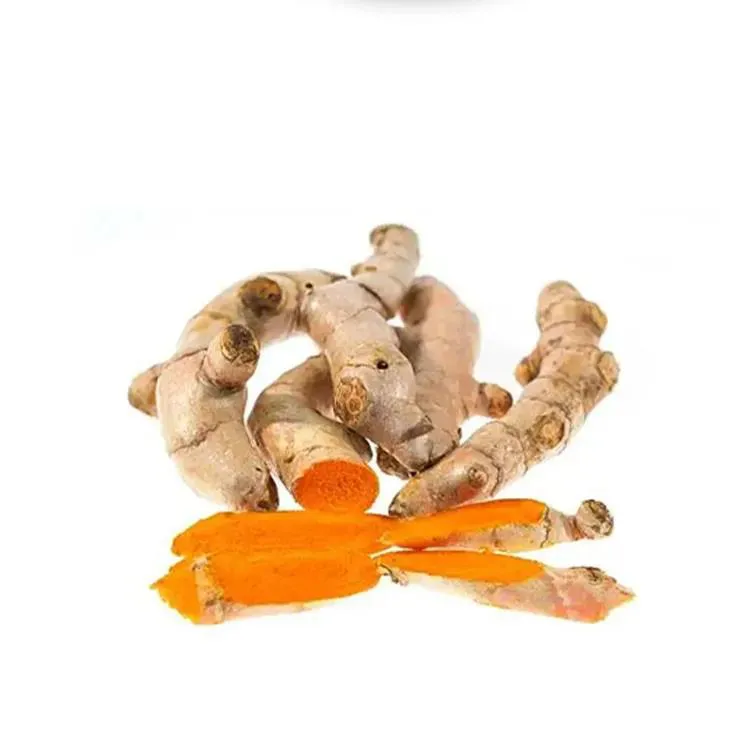
Every batch begins with raw materials. The two essential inputs are high-purity curcumin and pharmaceutical-grade phospholipids, usually derived from soy lecithin. A responsible manufacturer verifies each incoming lot before it enters production, checking curcumin content, phospholipid composition, heavy metals, solvent residues, and microbial load. This upfront screening is essential because failures here cannot be corrected later. Greensky, a professional curcumin manufacturer and supplier, sources curcumin from certified turmeric rhizomes and subjects every delivery to laboratory analysis before it is released for use.
Stage 2: Dissolving Phospholipids and Curcumin
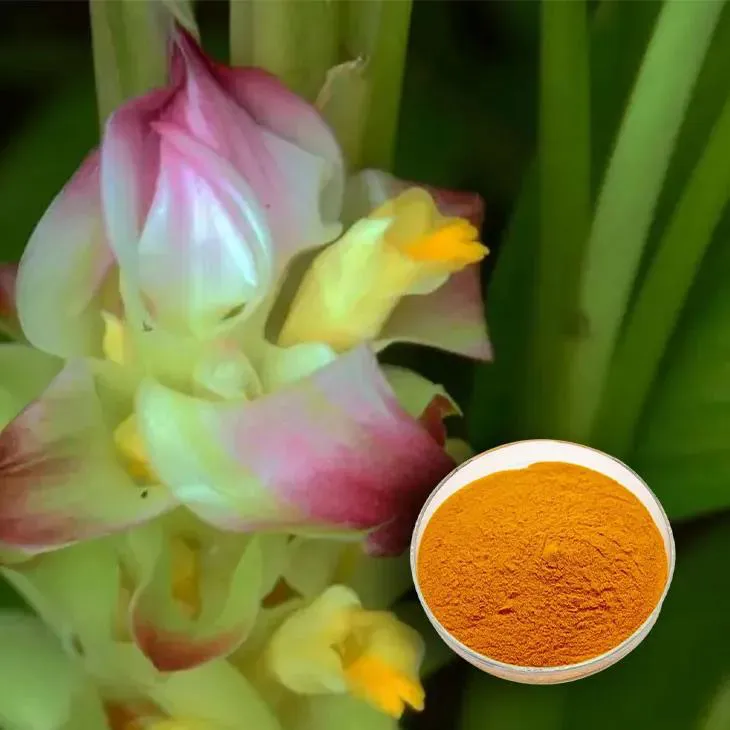
The manufacturing process itself usually follows one of three commercial routes: thin-film dispersion, reverse-phase evaporation, or melt-emulsification. In the most common approach, phospholipids and curcumin are weighed to a precise ratio and dissolved together in an organic solvent such as ethanol. The mixture is stirred overnight to ensure the lipids are fully dispersed into the alcoholic phase. In a factory, this is done in closed, temperature-controlled vessels rather than glass flasks, with mixing parameters logged for every batch.
Stage 3: Forming the Lipid Bilayer
Next, the solvent is removed under vacuum to leave a thin, dry lipid film on the surface of the vessel. A hydration solution is then added and the mixture is rotated at a controlled temperature, roughly 50 to 60 degrees Celsius, for about 30 minutes. This step causes the lipids to self-assemble into multilamellar vesicles, large onion-like structures that are not yet suitable for delivery. At this point the factory has created a crude liposome dispersion that must be refined in the following stages.
Stage 4: Particle Size Reduction via Homogenization
Large, uneven vesicles absorb poorly, so the dispersion must be broken down into small, uniform particles. Factories do this with high-pressure homogenization, which forces the liquid through a narrow valve at extremely high pressure, or with ultrasonic treatment and extrusion through polycarbonate membranes. The goal is liposomes in the 50 to 500 nanometer range. Melt-emulsification systems can reach average particle sizes of around 187 nanometers, a size that supports efficient oral absorption. Particle size is measured after this step and is one of the most important indicators of liposome quality.
Stage 5: Purification and Encapsulation Efficiency Testing
Not all of the curcumin ends up inside the liposomes; some remains free in the surrounding liquid. This free drug is removed through purification, which is also the stage where encapsulation efficiency is measured. Encapsulation efficiency, the percentage of curcumin that is actually trapped inside the vesicles, is a decisive quality metric. High encapsulation efficiency means the liposomes can deliver curcumin more effectively to its target site. Factories track this value for every batch and reject any lot that falls below specification.
Stage 6: Drying to a Stable Powder
For many customers, the final product is a dry powder rather than a liquid. The refined liposome dispersion is dried using spray drying or freeze drying to produce a stable, free-flowing powder that can be blended into capsules, tablets, beverages, and other finished goods. This stage demands careful control of temperature and feed rate, because liposomes are thermodynamically delicate and can leak or aggregate if mishandled. A well-run factory protects the liposome structure through drying so the consumer receives the full benefit of the technology.
Quality Control and Cleanroom Standards
Liposomal production is far more demanding than conventional extraction. Because liposomes are unstable under stress, the entire line must be controlled: temperature, pressure, pH, protection from light, and the exclusion of oxygen that oxidizes phospholipids. This is why serious manufacturers operate under GMP-compliant systems in clean production areas. A trusted curcumin supplier maintains a 100,000-class clean production area, an independent laboratory equipped with GC, HPLC, and UV instruments, and certifications such as ISO 22000, GMP, HALAL, and Kosher. Every finished lot is tested for curcumin content, encapsulation efficiency, particle size, heavy metals, and microbial limits before release.
Choosing the Right Manufacturing Partner
Manufacturing liposomal curcumin at industrial scale is not something a small workshop can do reliably. It requires specialized homogenization equipment, precise process control, analytical testing, and a clean environment to keep the product stable and safe. Businesses looking to source this ingredient should look for a manufacturer with genuine vertical integration, from raw botanical material through to finished ingredient, and with documented quality systems. By working with an established liposomal curcumin producer, customers gain consistent batches, reliable documentation, and a partner who understands both the science and the practical realities of scale-up.
Conclusion
Turning curcumin into a liposomal form is a multi-stage industrial process: sourcing and testing raw materials, dissolving phospholipids and curcumin, forming the lipid bilayer, reducing particle size, purifying and measuring encapsulation efficiency, and finally drying the product into a stable powder, all under strict quality control and cleanroom conditions. Each step is designed to overcome the natural limitations of curcumin and deliver a product with real, reliable absorption. For companies in the pharmaceutical, nutraceutical, and functional food industries, choosing a manufacturer that can execute this process consistently at scale is the key to bringing a high-performing liposomal curcumin ingredient to market.
TAGS:
- ▶ Hesperidin
- ▶ Citrus Bioflavonoids
- ▶ Plant Extract
- ▶ lycopene
- ▶ Diosmin
- ▶ Grape seed extract
- ▶ Sea buckthorn Juice Powder
- ▶ Fruit Juice Powder
- ▶ Hops Extract
- ▶ Artichoke Extract
- ▶ Mushroom extract
- ▶ Astaxanthin
- ▶ Green Tea Extract
- ▶ Curcumin
- ▶ Horse Chestnut Extract
- ▶ Other Product
- ▶ Boswellia Serrata Extract
- ▶ Resveratrol
- ▶ Marigold Extract
- ▶ Grape Leaf Extract
- ▶ New Product
- ▶ Aminolevulinic acid
- ▶ Cranberry Extract
- ▶ Red Yeast Rice
- ▶ Red Wine Extract
- ▶ blog
-
Diosmin
2026-08-14
-
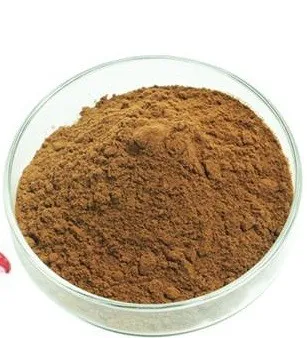
Cayenne Pepper Extract
2026-08-14
-
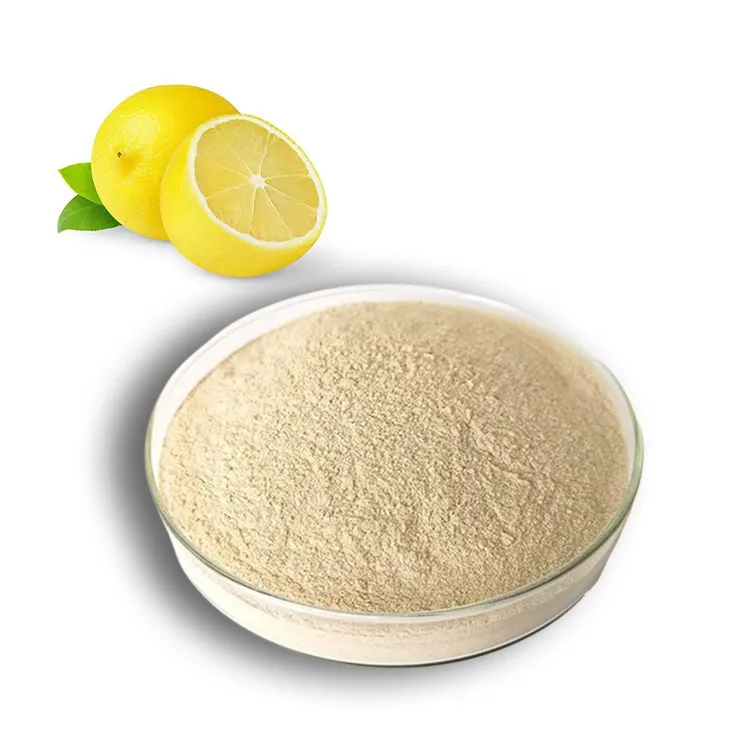
Lemon Extract
2026-08-14
-
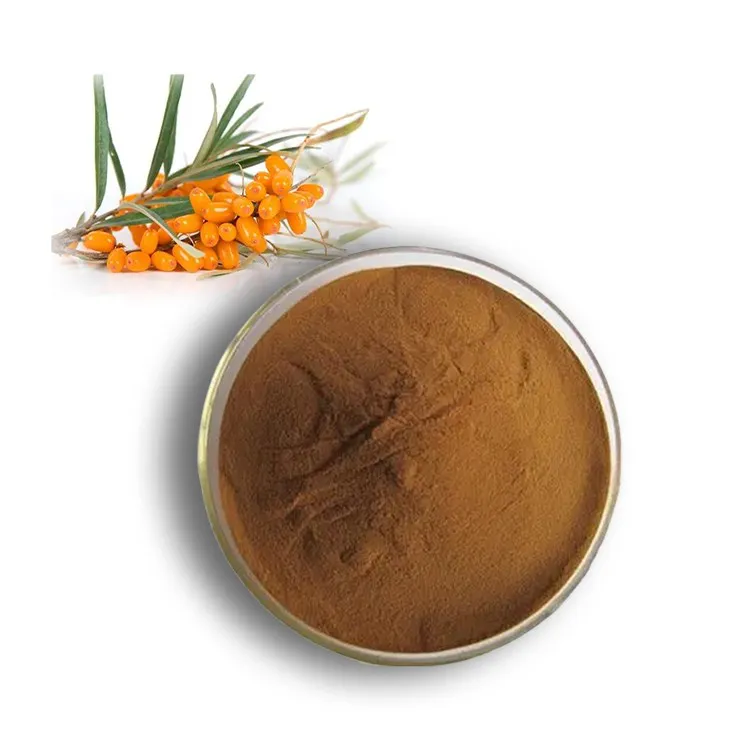
Buckthorn bark extract
2026-08-14
-
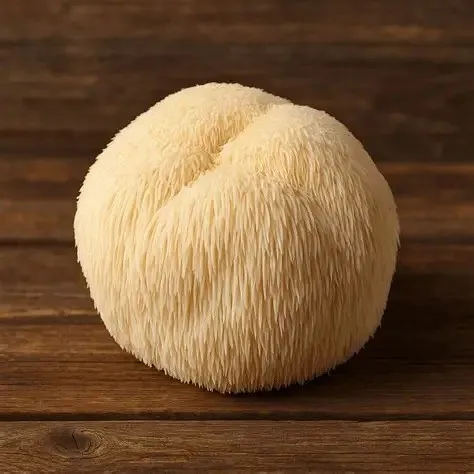
Lion's Mane Mushroom Extract
2026-08-14
-
Astaxanthin
2026-08-14
-
Horse Chestnut Extract
2026-08-14
-
Hawthorn Extract
2026-08-14
-
Purple Sweet Potato Extract
2026-08-14
-
Wheat Germ Extract
2026-08-14
