We have five factories and 23 years of experience in plant extracts
- 0086-571-85302990
- [email protected]






How is green tea extract powder manufactured?
2026-08-13
Related Product
Green Tea Extract
Green Sky Bio is the largest plant extract manufacturer exporter and supplier, provide plant extract, annual production 2500 tons China
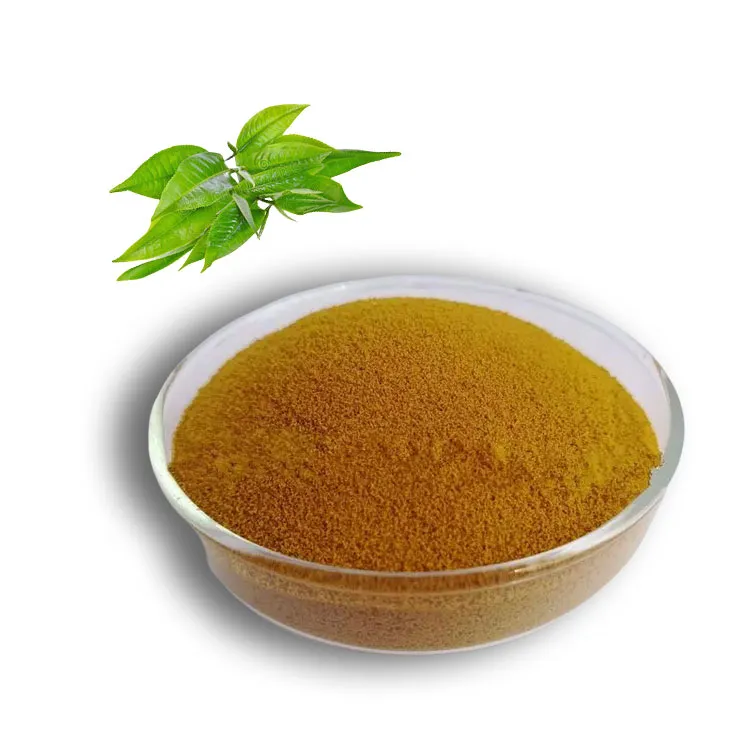
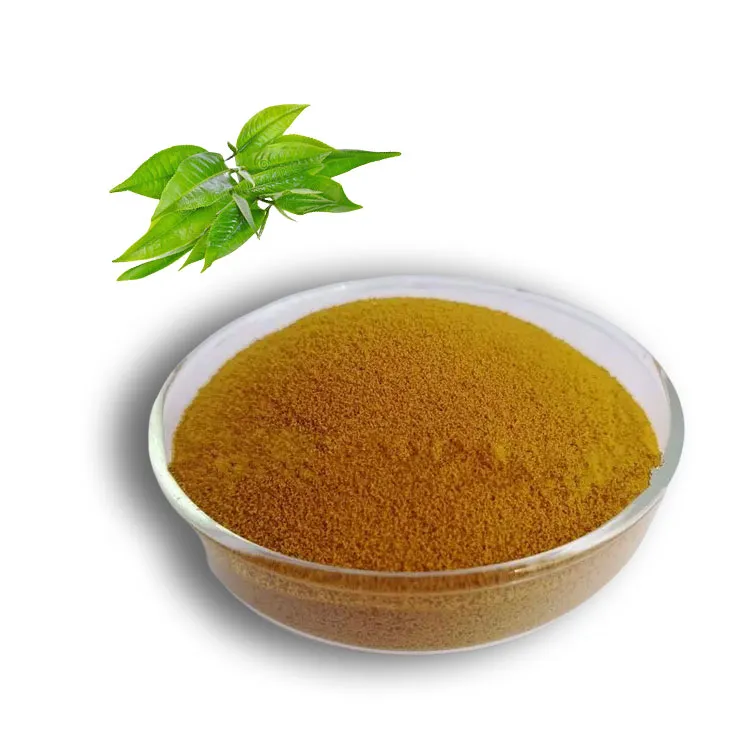
Green Tea Extract powder has become one of the most widely used natural ingredients in dietary supplements, functional foods, and cosmetics. Behind every consistent batch of this fine green powder lies a carefully controlled manufacturing process that transforms fresh Camellia sinensis leaves into a concentrated, standardized extract. For buyers sourcing from a green tea extract manufacturer, understanding how the powder is actually made is essential for evaluating quality, reliability, and long-term supply. This article walks through each stage of production, from leaf selection to final packaging.
Raw Material Selection and Preparation
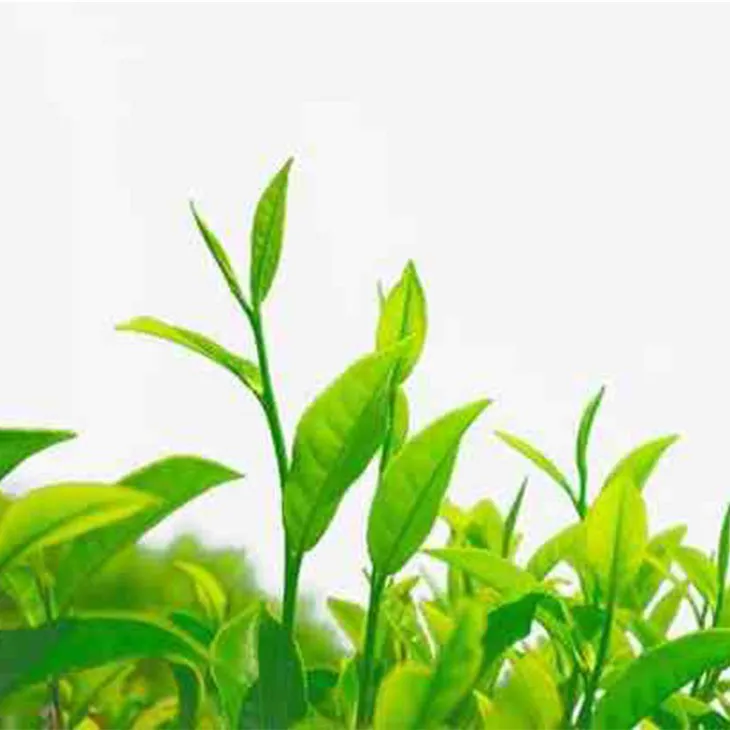
The quality of Green Tea Extract powder begins long before any extraction equipment is switched on. Manufacturers start by selecting tea leaves from Camellia sinensis plants, with the youngest leaves and buds generally preferred because they carry the highest concentrations of catechins, especially epigallocatechin gallate (EGCG). Harvest timing matters: leaves picked in the early morning, when moisture and active compound levels are most favorable, tend to produce a higher-quality extract. Once harvested, the leaves must be processed quickly to prevent oxidation, which would otherwise degrade the very compounds the extract is meant to preserve.
Initial Processing and Leaf Treatment
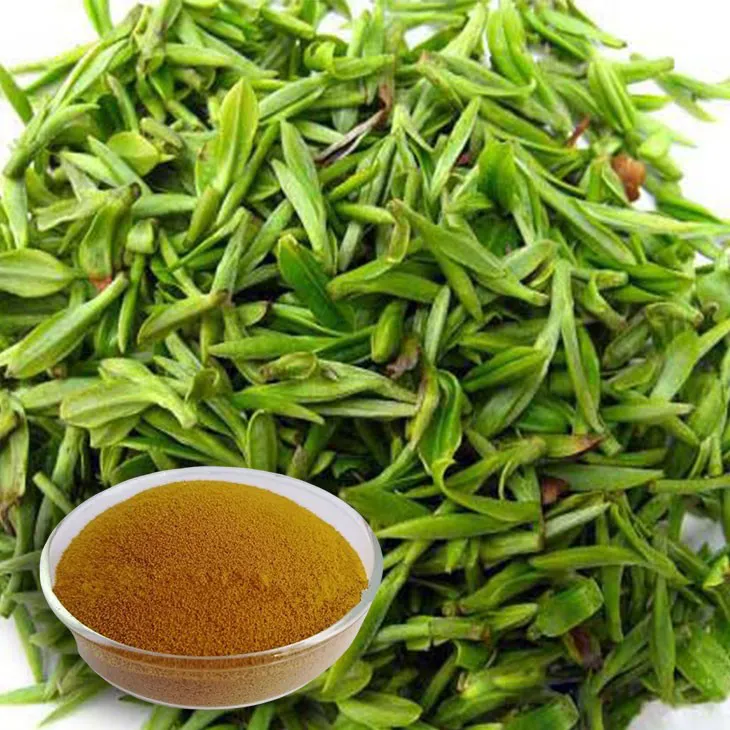
Immediately after harvest, the leaves go through a short withering stage to reduce moisture under controlled conditions. This is followed by a heat treatment, often called "fixing," in which the leaves are exposed to high temperatures for a brief period. This step deactivates the enzymes responsible for oxidation, locking in the green color and preserving catechins instead of allowing them to convert into theaflavins and thearubigins found in black tea. Getting this step right is what separates genuine Green Tea Extract from a product that has lost its characteristic profile.
The Extraction Process
Once the processed leaves are ground into a fine powder to increase surface area, the actual extraction begins. There are several methods used across the industry, and the choice of method directly influences the composition and purity of the final green tea extract powder. Solvent extraction, typically using water or food-grade ethanol, is the most common and economical approach. More advanced producers also use supercritical carbon dioxide extraction, which offers superior selectivity and leaves no solvent residue, and ultrasound-assisted extraction, which shortens processing time while protecting heat-sensitive compounds.
At a vertically integrated facility such as Hangzhou Greensky Biological Tech. Co., Ltd., which has been producing botanical extracts since 2004, this stage is supported by substantial in-house equipment. Large multi-functional extraction tanks, high-efficiency low-temperature concentrators, and spray drying towers allow the company to control the process from raw leaf to finished powder under one roof, rather than outsourcing critical steps to third parties.
Concentration, Purification, and Standardization
The crude extract produced during extraction is far too dilute to use directly. It must first be filtered to remove solid particles and impurities, then concentrated through evaporation under carefully controlled conditions to reduce water content while protecting the active compounds. Finally, the extract is standardized so that each batch contains consistent levels of key components, particularly EGCG and total catechins. This standardization step is what allows formulators to rely on a predictable dose from batch to batch.
Quality Control and Testing
Quality control is arguably the most important stage in green tea extract powder production. A reputable manufacturer will test every batch for catechin content and EGCG levels, screen for heavy metals, pesticide residues, and microbiological contaminants, and evaluate stability under different storage conditions. These checks are only meaningful when backed by a properly equipped laboratory. Greensky maintains an independent laboratory fitted with GC, HPLC, and UV instruments, and operates a 100,000-class clean production area that meets food-grade requirements without radiation treatment. Its facilities are certified under ISO22000, BRCGS, Ecocert Organic, SGS-GMP, ISO9001, HALAL, and Kosher, giving buyers confidence that testing is not just claimed but verifiable.
Final Processing and Packaging
After quality control, the concentrated extract is transformed into its final commercial form. Spray drying is the most common method for producing green tea extract powder, converting the liquid concentrate into a free-flowing powder that is easy to handle, store, and blend. Depending on the customer's needs, the same extract can also be encapsulated for supplements or incorporated into liquid formulations. Proper packaging follows, protecting the powder from moisture, light, and oxygen so that it remains stable during shipping and storage.
Why Manufacturing Process Matters for Buyers
For brands and formulators, the manufacturing process behind green tea extract powder is not a technical detail to be overlooked. It determines the consistency of active compound levels, the absence of contaminants, and the reliability of supply. Working with an experienced green tea extract suppliers that controls the full production chain, from leaf sourcing to finished powder, reduces the risk of batch-to-batch variation and helps ensure that the final product meets both regulatory and consumer expectations. With over two decades of experience and export markets spanning Europe, the United States, South Korea, and Russia, Greensky offers a practical example of how disciplined manufacturing translates into dependable ingredients.
Frequently Asked Questions
What is the optimal temperature for green tea extraction? The optimal range is generally between 60 and 70°C, which allows efficient extraction of catechins while preserving heat-sensitive compounds.
Does the extraction method affect the final product? Yes. Different methods change the concentration and composition of active compounds. Supercritical CO2 extraction offers higher selectivity and no solvent residue, while solvent extraction is more economical for large volumes.
Why is standardization important? Standardization ensures every batch contains consistent levels of EGCG and total catechins, making the powder reliable for both formulation and research applications.
How long does the whole process take? From fresh leaves to finished powder, the process can take anywhere from several days to a few weeks, depending on the extraction method and the depth of quality control required.
What factors most influence quality? Raw material quality, harvest timing, processing methods, extraction technique, and the rigor of quality control all play a decisive role in the final product.
TAGS:
FAQ
- ▶ Hesperidin
- ▶ Citrus Bioflavonoids
- ▶ Plant Extract
- ▶ lycopene
- ▶ Diosmin
- ▶ Grape seed extract
- ▶ Sea buckthorn Juice Powder
- ▶ Fruit Juice Powder
- ▶ Hops Extract
- ▶ Artichoke Extract
- ▶ Mushroom extract
- ▶ Astaxanthin
- ▶ Green Tea Extract
- ▶ Curcumin
- ▶ Horse Chestnut Extract
- ▶ Other Product
- ▶ Boswellia Serrata Extract
- ▶ Resveratrol
- ▶ Marigold Extract
- ▶ Grape Leaf Extract
- ▶ New Product
- ▶ Aminolevulinic acid
- ▶ Cranberry Extract
- ▶ Red Yeast Rice
- ▶ Red Wine Extract
- ▶ blog
Recommended Products
-
Clove Powder
2026-08-13
-
Artichoke Extract
2026-08-13
-
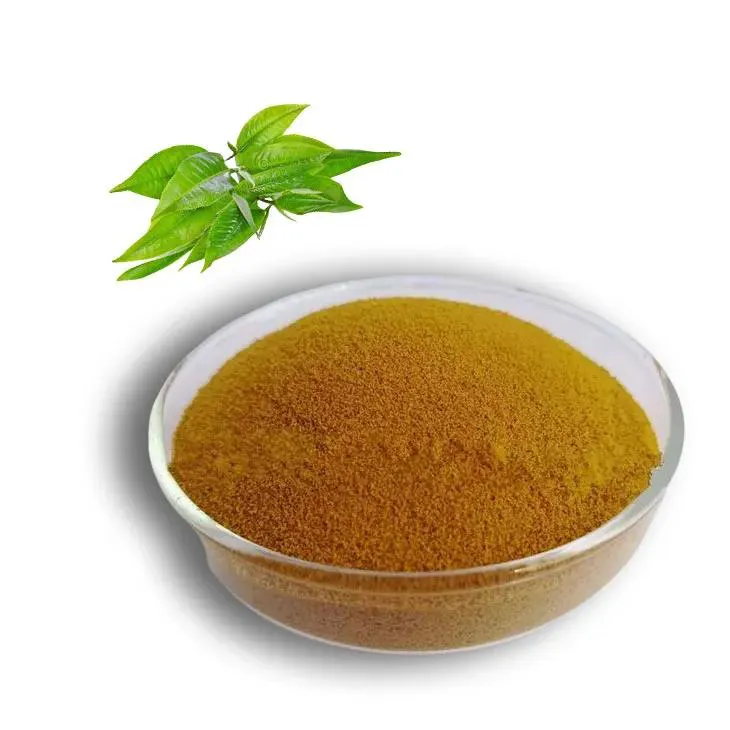
Green Tea Extract
2026-08-13
-
Yellow Pine Extract
2026-08-13
-
Propolis Extract Powder
2026-08-13
-
Baobab Fruit Extract
2026-08-13
-
Kupilu Extract
2026-08-13
-
Lotus leaf extract
2026-08-13
-
Gynostemma pentaphyllum extract
2026-08-13
-
Pine bark Extract Powder
2026-08-13
Get a Quote
