- 0086-571-85302990
- [email protected]






How is fenugreek extract powder standardized for saponins?
2026-08-19
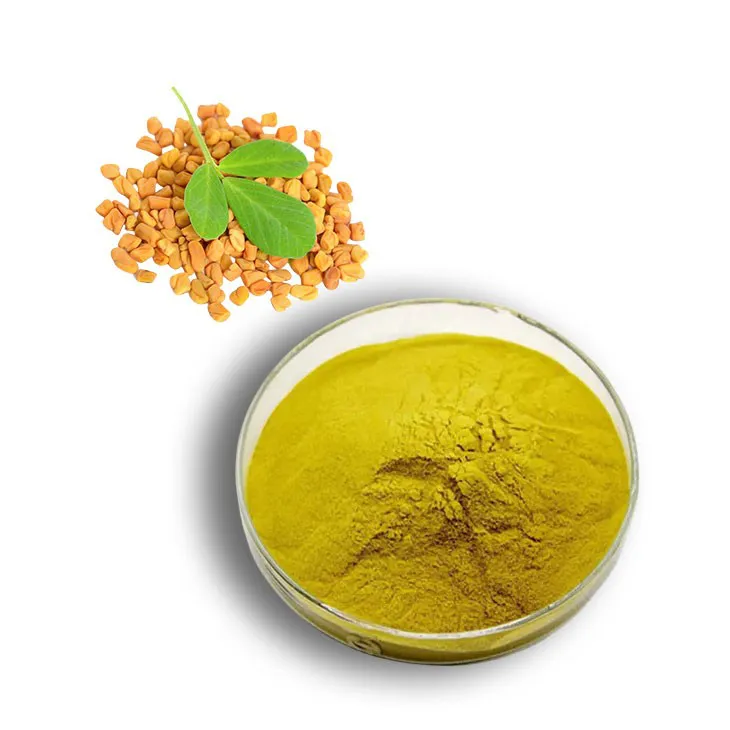
When buyers evaluate fenugreek extract powder, one question comes up again and again: how is it standardized for saponins? It is a fair question, because "standardized" is a word that gets used loosely in the botanical ingredients trade. For a manufacturer, standardization means something very specific: every batch that leaves the factory carries the same level of the active compounds the customer is paying for. For fenugreek extract, those marker compounds are most often the saponins, and the way a supplier controls those levels is what separates a dependable ingredient source from an inconsistent one.
What does "standardized for saponins" actually mean?
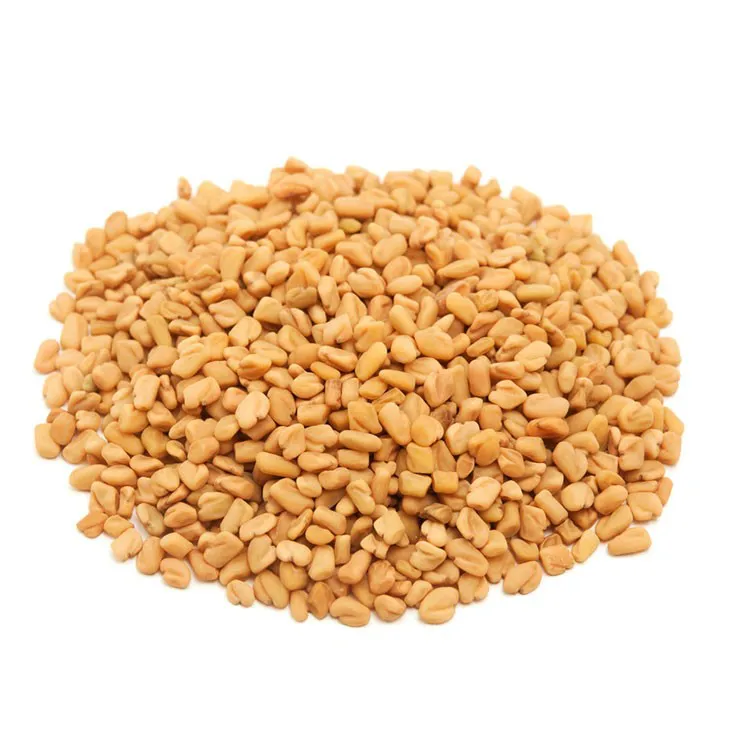
Saponins are a family of naturally occurring glycoside compounds found throughout the fenugreek seed (Trigonella foenum-graecum). They are one of the reasons fenugreek has been used in traditional herbal practice for centuries, and they are the reason most dietary supplement and functional food brands formulate with fenugreek extract today.
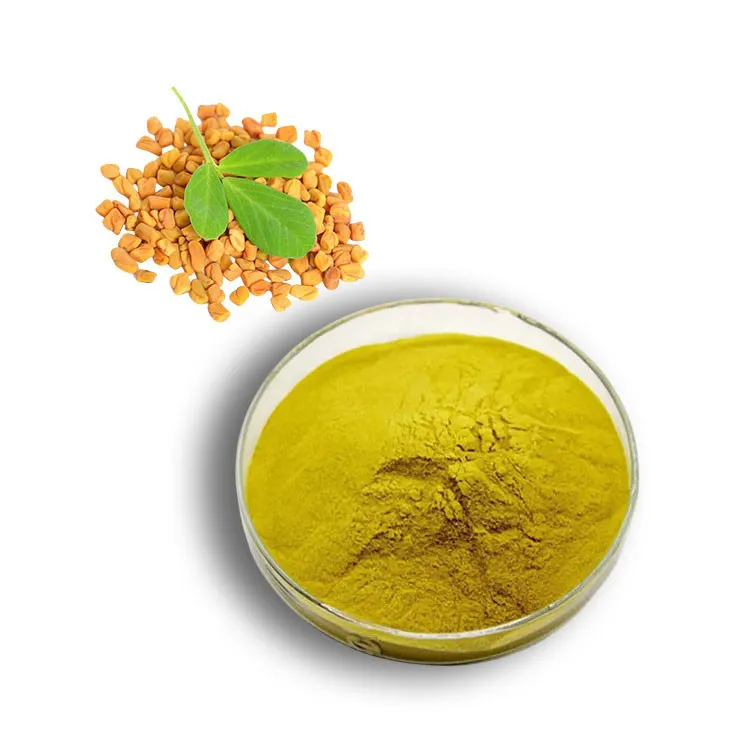
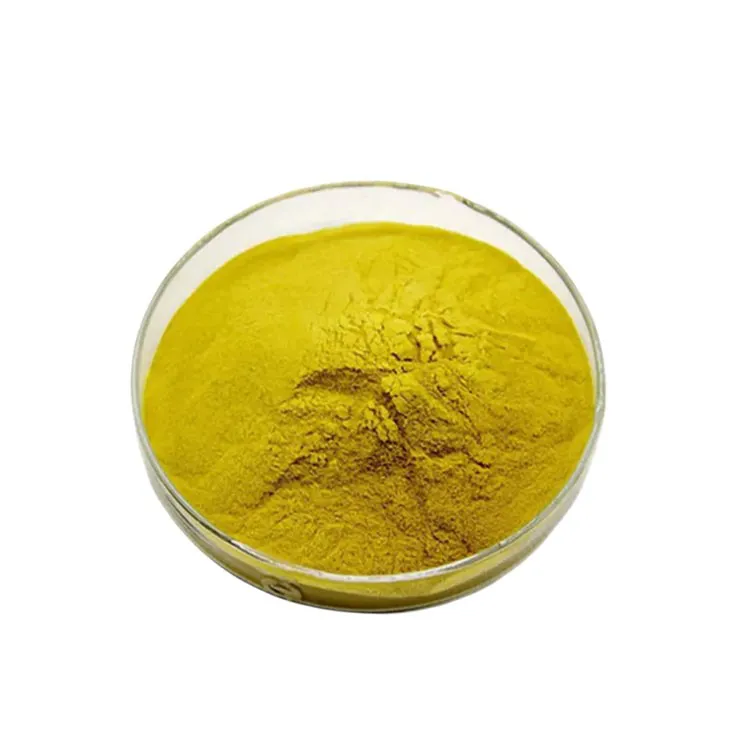
A standardized Fenugreek Extract Powder is simply a powder in which the saponin content has been measured, adjusted, and locked to a declared specification. Instead of shipping "whatever the plant happens to contain," the manufacturer guarantees a minimum or a narrow range, such as total saponins of 20%, 30%, or 50% calculated against a diosgenin reference. That number is printed on the certificate of analysis (COA) that accompanies every batch.
The production steps that make standardization possible
Standardization is not something that happens by magic at the end of the line. It is built into the process from the very first step.
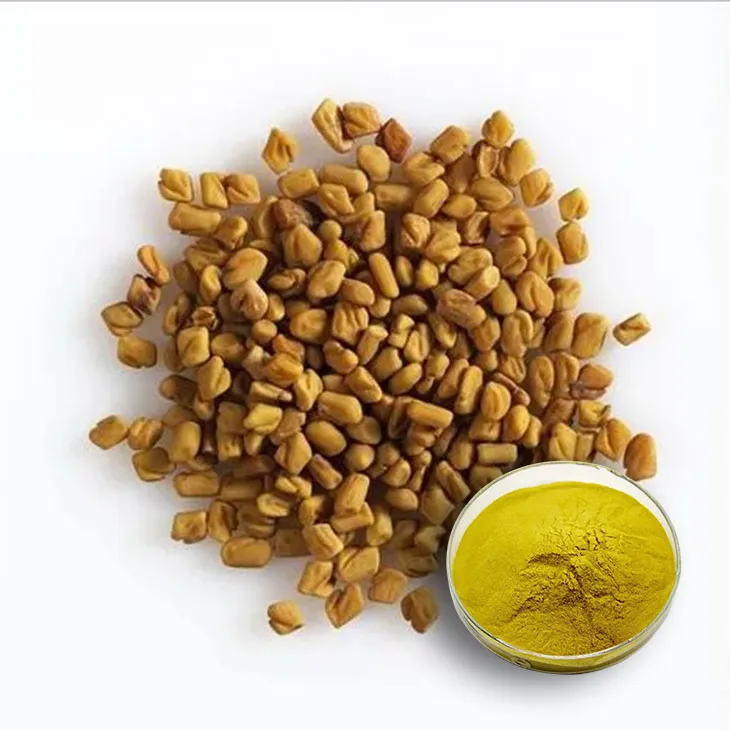
Raw material selection and identification. The process starts with fenugreek seeds from a controlled source. The botanical identity is confirmed before processing, because the saponin profile of a seed lot depends on where and how it was grown. Consistent raw material is the foundation of a consistent extract.
Solvent extraction. The cleaned seeds are ground and extracted with a food-grade solvent, typically an ethanol-water mixture or water. Temperature, time, and solvent ratio are controlled so that the saponins are pulled out of the seed matrix efficiently without degrading them.
Purification. The crude extract is filtered or centrifuged to remove plant fiber and insoluble material. Depending on the target specification, macroporous adsorption resin or activated carbon may be used to concentrate the saponin fraction and remove color and odor.
Concentration and drying. The purified liquid is concentrated under vacuum and then dried into a free-flowing powder using spray drying or vacuum drying. Moisture is kept low, typically below 5%, so the powder remains stable in storage and in the finished product.
How saponin content is measured
The measurement step is where standardization actually happens. Two analytical approaches are common in the industry.
UV-Vis spectrophotometry with the vanillin-sulfuric acid method is the workhorse for total saponin determination. The saponins react with the reagent to form a colored complex, and the absorbance is compared against a diosgenin calibration curve to calculate total saponin content.
HPLC (high-performance liquid chromatography) gives a more precise, compound-specific picture. It is the method of choice when a specific marker, such as 4-hydroxyisoleucine or individual saponin glycosides, needs to be quantified with high accuracy. A reliable supplier runs these tests in-house and can share the method details or chromatograms on request.
Common specifications you will see on a COA
When you open a COA for Fenugreek Extract Powder, the saponin declaration is the headline, but it is not the only number worth reading.
Total saponins (as diosgenin): 20%, 30%, and 50% are the most common commercial grades. The grade you choose depends on your formulation and cost targets.
4-hydroxyisoleucine: often declared at 2% or higher, since this unusual amino acid is the marker most closely linked to fenugreek's metabolic benefits.
Standard quality parameters: appearance, particle size, moisture, ash, heavy metals, and microbial counts round out the suite of tests that accompany any food-grade botanical extract.
How manufacturers keep every batch consistent
Consistency is the entire point of standardization, and it is achieved through a combination of in-process checks and final release testing. Samples are pulled at the extraction and concentration stages so that deviations can be caught before the batch is dried. At the end of the line, the finished powder is tested against the declared specification, and retained samples are kept so that any future question can be answered from the actual batch, not from memory.
Many serious manufacturers also send key parameters to an independent third-party laboratory for confirmation. This extra step matters when the extract is destined for regulated markets, where the label claim has to match what is actually in the drum.
Questions to ask your fenugreek extract supplier
Before you commit to a source, a few direct questions will tell you a great deal about how seriously a supplier takes standardization.
Which marker compounds and methods do you use? The answer should name a specific compound (total saponins as diosgenin, or 4-hydroxyisoleucine) and a specific technique (UV-Vis or HPLC), not a vague "we test for actives."
What is the declared specification, and what is the actual batch-to-batch range? A supplier who tracks real data will be happy to share it. A supplier who only quotes the label spec may not know what their own batches actually contain.
Can you share a COA and the analytical method? If a COA is hard to get, treat that as a red flag.
Is the production area food-grade certified? Certifications such as ISO22000, BRCGS, and HALAL tell you that the facility is audited and the process is documented.
Choosing a manufacturer that can show you the numbers
Fenugreek Extract Powder is standardized for saponins through a controlled chain of raw material selection, extraction, purification, drying, and analytical testing. The result is a powder that performs the same way from batch to batch, which is exactly what your formulation and your label claim depend on.
If you are sourcing fenugreek extract powder for your next product, work with a plant extract manufacturer that can show you the numbers behind the label. Greensky is a professional botanical extract manufacturer with over 20 years of experience, an independent laboratory equipped with HPLC and UV instruments, and a 100,000-class clean production area. Contact our team at [email protected] to request a COA, a sample, or a specification sheet for your project.
- ▶ Hesperidin
- ▶ Citrus Bioflavonoids
- ▶ Plant Extract
- ▶ lycopene
- ▶ Diosmin
- ▶ Grape seed extract
- ▶ Sea buckthorn Juice Powder
- ▶ Fruit Juice Powder
- ▶ Hops Extract
- ▶ Artichoke Extract
- ▶ Mushroom extract
- ▶ Astaxanthin
- ▶ Green Tea Extract
- ▶ Curcumin
- ▶ Horse Chestnut Extract
- ▶ Other Product
- ▶ Boswellia Serrata Extract
- ▶ Resveratrol
- ▶ Marigold Extract
- ▶ Grape Leaf Extract
- ▶ New Product
- ▶ Aminolevulinic acid
- ▶ Cranberry Extract
- ▶ Red Yeast Rice
- ▶ Red Wine Extract
- ▶ blog
-
Gamma-Aminobutyric Acid
2026-08-19
-
Golden Seal Extract
2026-08-19
-
Lotus leaf extract
2026-08-19
-
Lion's Mane Mushroom Extract
2026-08-19
-
Longan Extract
2026-08-19
-
Lemon Juice Powder
2026-08-19
-
Ivy Extract
2026-08-19
-
Lily extract
2026-08-19
-
Green Tea Extract
2026-08-19
-
Elderberry Extract
2026-08-19
