We have five factories and 23 years of experience in plant extracts
- 0086-571-85302990
- [email protected]






How is extract of ginkgo biloba leaves standardized?
2026-08-18
Ginkgo biloba is one of the oldest living tree species on the planet, and its leaf has been used for centuries in traditional herbal practice. Today, Ginkgo biloba leaf extract is one of the most widely traded botanical ingredients in the dietary supplement and herbal medicine industries, which makes the question of how it is standardized more important than ever. Standardization is the process that guarantees every batch of extract delivers a consistent, measurable level of the active compounds responsible for its effects.
A genuine standardized ginkgo leaf extract does not happen by accident. It is the result of careful sourcing, controlled extraction, and rigorous laboratory testing. Working with a reliable plant extract manufacturer means the extract you receive meets clearly defined specifications batch after batch, so your finished products behave predictably.
The Key Active Compounds Measured in Ginkgo Extract
Ginkgo leaves contain a complex mixture of phytochemicals, but standardization focuses mainly on two groups of active constituents:
Flavone glycosides. These antioxidant flavonoids, including Quercetin, kaempferol, and isorhamnetin, contribute to the extract's free-radical scavenging activity and general vascular support.
Terpene trilactones. These include the unique ginkgolides A, B, C, J, and M, along with bilobalide. The ginkgolides are notable for their ability to inhibit platelet-activating factor, which supports normal blood flow and microcirculation.
Because these compounds occur naturally in variable amounts depending on growing conditions, harvest timing, and leaf quality, their levels must be actively managed during production rather than simply reported after the fact.
What the Common Specifications Look Like
The most widely recognized specification for a purified, standardized ginkgo leaf extract targets approximately 24% flavone glycosides and 6% terpene trilactones. This composition is frequently described in pharmacopoeial and industry references. Well-known pharmacopoeial monographs set an acceptable range, typically around 22% to 27% flavone glycosides and 5.4% to 12% terpene trilactones, measured by high-performance liquid chromatography (HPLC).
In addition to measuring the active ingredients, a responsible supplier must verify that unwanted components are controlled. In particular, ginkgolic acids, which can cause allergic reactions, should be kept very low in a purified extract. A commonly cited safety limit for total ginkgolic acids is around 5 parts per million (mg per kg). Meeting this limit requires additional purification steps beyond simple solvent extraction.
How Standardization Is Achieved in Practice
Standardization begins with the raw material. Leaves are typically harvested at the right maturity stage and dried under controlled conditions to preserve the active profile. From there, the production process generally follows these stages:
1. Extraction. The dried leaves are extracted with an appropriate solvent system, usually aqueous acetone, to pull out the desired flavonoids and terpene lactones.
2. Purification and concentration. The crude extract is processed to remove solvent residues and to reduce unwanted substances such as ginkgolic acids and other non-active resins. This refines the profile of the extract toward the target specification.
3. Standardization and blending. Analytical testing determines the actual levels of marker compounds. If needed, the extract is carefully blended with material of different strengths so that the final batch falls squarely within the target range for both flavone glycosides and terpene trilactones.
4. Quality control verification. Each finished batch is re-tested using HPLC and other analytical methods to confirm the levels of active markers and to check that unwanted impurities stay below permitted limits. A certificate of analysis is issued with every lot.
Why Authenticity Testing Matters
Marketplace studies have repeatedly shown that some cheap ginkgo products are adulterated with extracts from other plants, such as the Chinese pagoda tree, which can be dressed up to mimic ginkgo's flavonoid content. Genuine ginkgo extract shows a characteristic ratio of Quercetin to kaempferol that is difficult to reproduce with substitute ingredients. A trustworthy ginkgo leaf extract supplier runs these authenticity checks so you are not unknowingly formulating with a different botanical.
Choosing a Reliable Partner
Because standardization demands both botanical expertise and precise manufacturing control, the choice of supplier has a direct impact on product quality. A professional plant extract factory with in-house laboratories, clean production areas, and documented quality management systems can provide extract that is consistent, traceable, and suitable for international regulatory submissions. When you work with an experienced plant extract supplier, you receive full specifications, certificates of analysis, and the documentation needed to support your own finished products.
Frequently Asked Questions
What does "standardized ginkgo extract" actually mean?
It means the extract is processed and blended so that every batch contains a guaranteed, measurable level of key active compounds, commonly around 24% flavone glycosides and 6% terpene trilactones, as confirmed by laboratory testing.
What is the difference between flavone glycosides and terpene lactones?
Flavone glycosides are antioxidant flavonoids such as Quercetin and kaempferol, while terpene trilactones are the unique ginkgolides and bilobalide that help inhibit platelet-activating factor and support blood flow.
Why is ginkgolic acid limited in a standardized extract?
Ginkgolic acid can trigger allergic reactions, so purified ginkgo extract is processed to keep its total concentration very low, typically no more than about 5 mg per kg, or 5 parts per million.
How can I confirm the quality of the ginkgo leaf extract I receive?
Ask your supplier for the guaranteed levels of flavone glycosides and terpene trilactones, the test methods used, and a certificate of analysis for every batch. Checking authenticity through component ratios also helps prevent adulteration.
Standardization transforms a variable botanical into a dependable, repeatable ingredient. Understanding how Ginkgo biloba leaf extract is standardized, the key compounds measured, and the limits placed on unwanted components will help you choose an extract that is genuine, safe, and consistent for your products. Ask your supplier for clear specifications and a certificate of analysis for every batch, and you will have the confidence that the ginkgo extract you source truly meets spec.
TAGS:
FAQ
- ▶ Hesperidin
- ▶ Citrus Bioflavonoids
- ▶ Plant Extract
- ▶ lycopene
- ▶ Diosmin
- ▶ Grape seed extract
- ▶ Sea buckthorn Juice Powder
- ▶ Fruit Juice Powder
- ▶ Hops Extract
- ▶ Artichoke Extract
- ▶ Mushroom extract
- ▶ Astaxanthin
- ▶ Green Tea Extract
- ▶ Curcumin
- ▶ Horse Chestnut Extract
- ▶ Other Product
- ▶ Boswellia Serrata Extract
- ▶ Resveratrol
- ▶ Marigold Extract
- ▶ Grape Leaf Extract
- ▶ New Product
- ▶ Aminolevulinic acid
- ▶ Cranberry Extract
- ▶ Red Yeast Rice
- ▶ Red Wine Extract
- ▶ blog
Recommended Products
-
Angelica sinensis extract
2026-08-18
-
Boswellia Serrata Extract
2026-08-18
-
Lemon Balm Extract
2026-08-18
-
Andrographis Paniculata Extract Powder
2026-08-18
-
Curcumin
2026-08-18
-
Dandelion Leaf Extract
2026-08-18
-
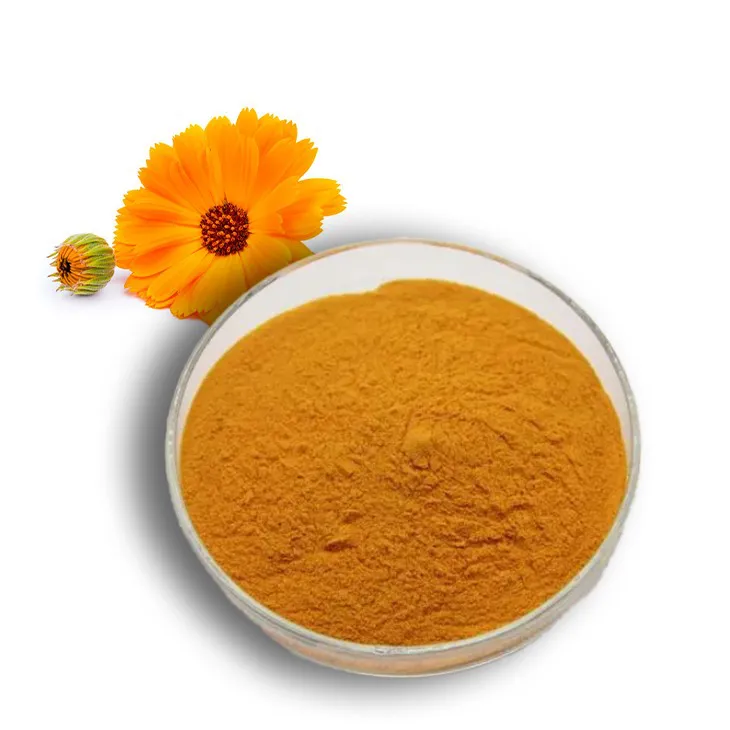
Calendula Extract
2026-08-18
-
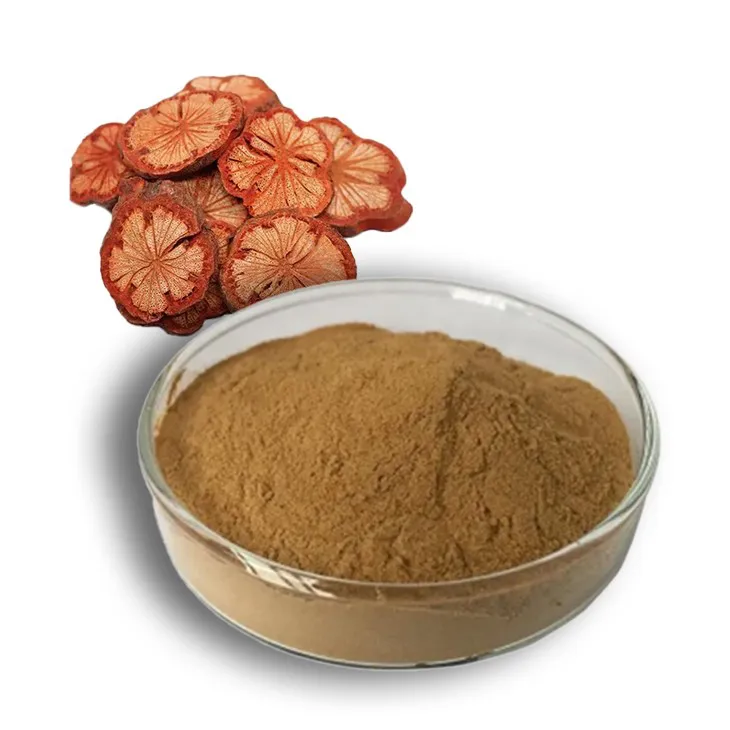
Red Vine Extract
2026-08-18
-
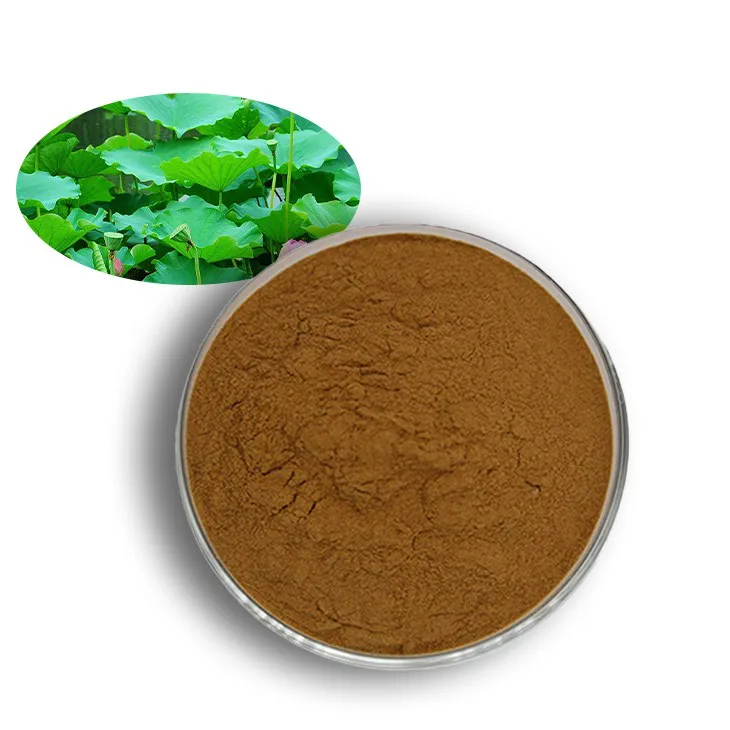
Lotus leaf extract
2026-08-18
-
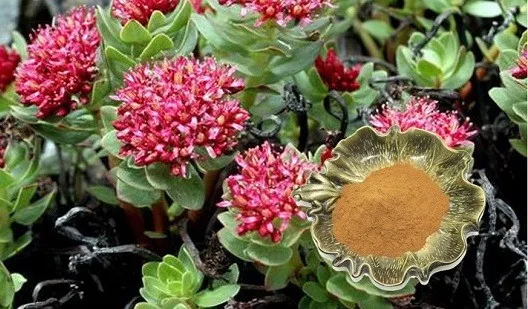
Rhodiola Rosea Extract
2026-08-18
Get a Quote
