- 0086-571-85302990
- [email protected]






How is cactus extract made?
2026-08-14
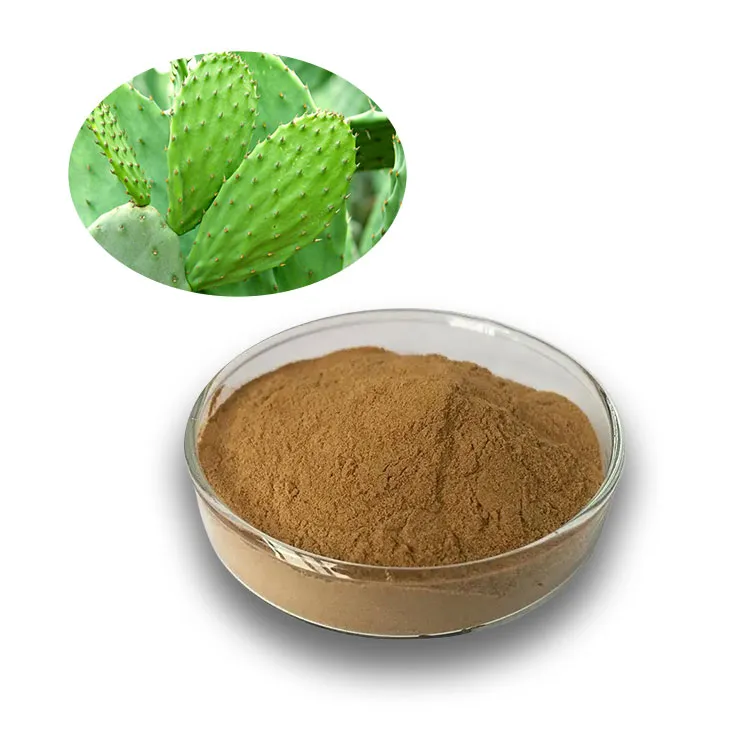
Cactus Extract has quietly become one of the most requested ingredients in the supplement, food and cosmetics industries. Buyers searching for a Cactus Extract supplier often ask the same question: how is it actually made? The answer matters more than most people think, because the way a cactus is processed decides the colour, solubility, active compound content and safety of the final powder. This article walks through the full production line, from the raw plant to the finished extract, and explains what separates a reliable manufacturer from the rest.
What exactly is Cactus Extract?
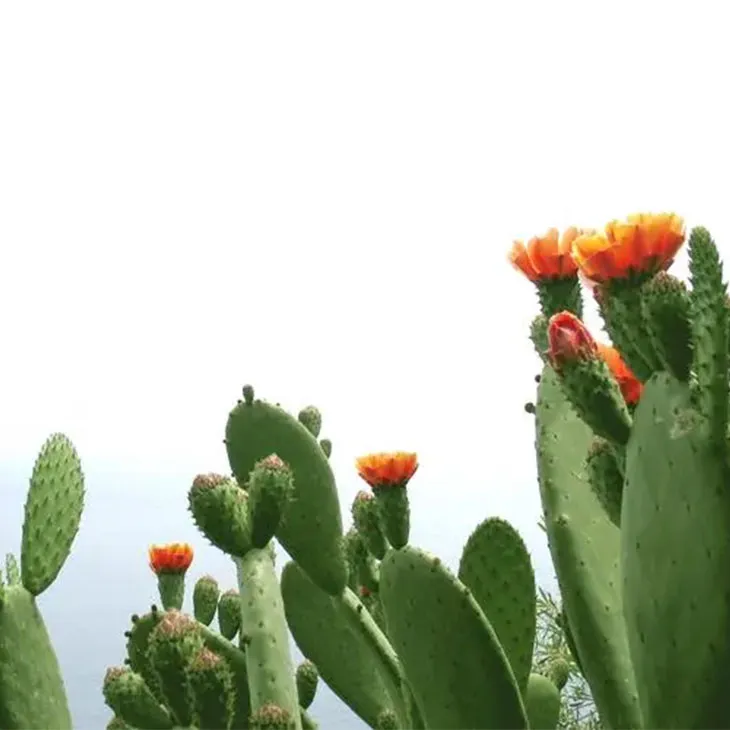
Cactus Extract is a concentrated preparation of the beneficial compounds found in different parts of the cactus plant, usually the leaves, stems (cladodes) or fruits. The most common commercial source is the prickly pear, Opuntia ficus-indica, a plant native to Mexico that has been cultivated for centuries across the Americas and the Mediterranean. Depending on which part of the plant is used, the extract carries different active ingredients. Cladode-based extracts are rich in mucilage polysaccharides and soluble fibre, which is why they are popular in blood-sugar and weight-management formulas. Fruit-based extracts are loaded with betalain pigments and antioxidants, making them attractive as natural pink-to-red colourants and in antioxidant supplements.
Because the target compounds differ, the manufacturing process is adjusted accordingly. That is the first thing to understand about cactus extract production: there is no single recipe, but the core steps remain the same across all commercial grades.
Step 1: Sourcing and preparing the raw material
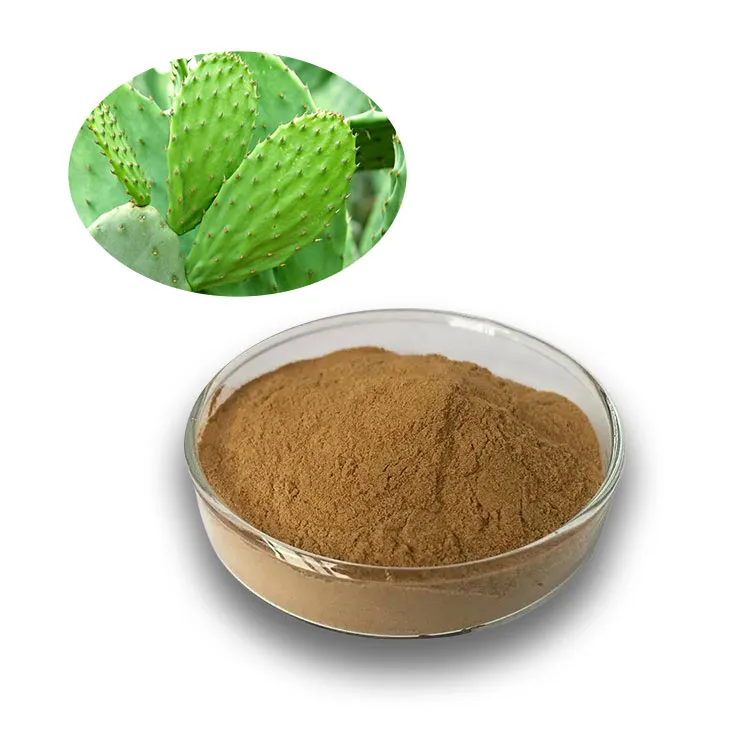
Production starts on the farm. Cactus pads or fruits are harvested at the right stage of maturity, because the concentration of active compounds changes as the plant ages. Once the raw material arrives at the factory, it is thoroughly washed to remove dirt, debris and any unwanted parts. The sharp spines and the thick outer epidermis are removed, as these cannot be absorbed by the body and would interfere with the extraction. This cleaning step is simple but critical: any contamination at this stage carries through to the end product.
Timing matters here. Once the cactus epidermis is removed, the inner gel can start to degrade within hours, losing phytochemicals and antioxidants. Reputable producers therefore move the cleaned material into processing quickly rather than letting it sit in storage.
Step 2: Drying and milling
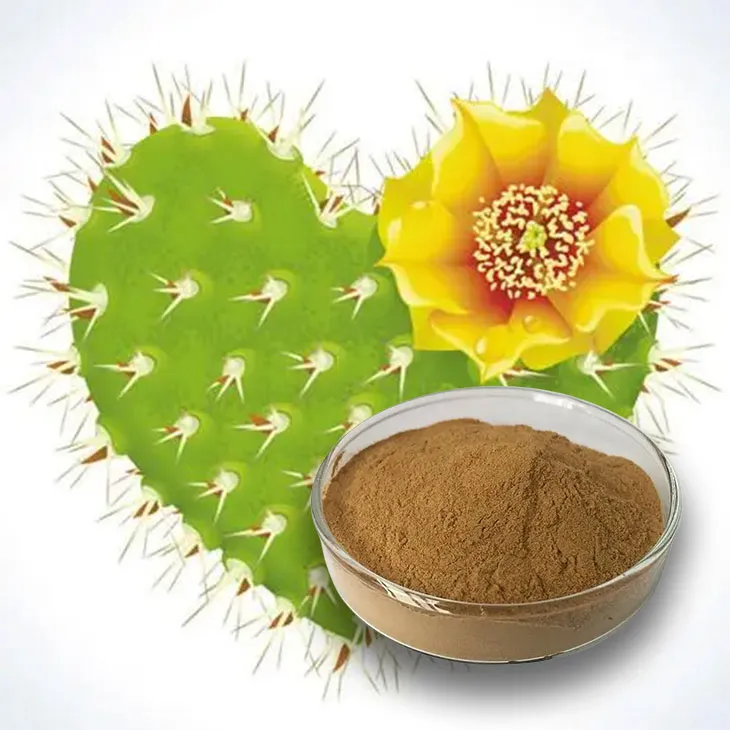
The cleaned cactus is then dried and ground into a coarse powder. Grinding increases the surface area of the plant material, which allows the extraction solvent to reach the active compounds more easily. In commercial production, the dried material is typically milled to a coarse powder of around 40 mesh. The finer the powder, the more efficient the extraction, but over-grinding can also make filtration harder later on, so manufacturers balance the two.
Step 3: Extraction
Extraction is the heart of the process. The goal is to pull the desired compounds out of the plant cells and into a solvent. For cactus, hot-water extraction is the most common industrial method, because water safely dissolves the water-soluble polysaccharides and mucilage that most buyers are after. When other compounds are targeted, ethanol or a water-ethanol mixture may be used instead.
In a typical reflux extraction line, the powdered cactus is mixed with water and heated, and the extraction is carried out in several rounds. A common commercial approach uses three consecutive extractions, each with a fresh portion of water, so that the plant material is thoroughly depleted. The combined liquid from all rounds is then filtered to separate the extract solution from the solid residue. Large-scale producers run this in multi-ton extraction tanks, which is exactly the kind of equipment a serious plant extract manufacturer keeps on site.
Step 4: Concentration
The filtered extract is still a very dilute liquid, mostly water. Before it can be dried, the water content has to be reduced. This is done in concentrators, ideally low-temperature concentrators that remove water under reduced pressure. Low-temperature concentration is important because heat can degrade heat-sensitive compounds such as betalains and some polysaccharides. The result is a thick, concentrated extract with a much higher proportion of active ingredients.
Step 5: Drying into powder
The concentrated extract is then turned into a dry, free-flowing powder. Spray drying is the standard method in the industry: the concentrate is sprayed as a fine mist into a stream of hot air, and the water evaporates almost instantly, leaving behind a fine powder. Spray drying is fast and produces a powder that dissolves easily, which is why most cactus extract on the market is spray-dried. For more sensitive products, vacuum drying boxes offer a gentler alternative that protects delicate compounds.
The ratio of raw material to finished powder determines the concentration grade. A 10:1 extract means ten kilograms of dried cactus produce one kilogram of extract powder. Common commercial grades range from 4:1 up to 50:1, with higher ratios indicating a more concentrated, and usually more expensive, product.
Step 6: Screening, testing and packaging
The dried powder is screened to ensure a uniform particle size, then it moves to quality control. A well-equipped laboratory checks the extract for active compound content, moisture, heavy metals, residual solvents, pesticide residues and microbiology. Instruments such as HPLC, GC and UV spectrophotometers are used to verify that each batch meets its specification. Only after the powder passes these tests is it packaged and released for shipment.
This is also where certifications come in. Manufacturers that hold food-safety and quality certifications, such as ISO22000, ISO9001, HALAL, Kosher or organic standards, are able to provide the documentation that importers and formulators need for their own regulatory submissions. If a supplier cannot show batch-level certificates of analysis, that is a red flag worth taking seriously.
Why the manufacturing process matters to buyers
For a buyer, the production process is not a technical detail, it is the difference between a consistent ingredient and a gamble. A manufacturer that controls the raw material, runs the extraction in clean, food-grade facilities and tests every batch will deliver a product that performs the same way in your formula every time. One that cuts corners on cleaning, uses harsh high temperatures or skips quality control will produce powder that varies in colour, solubility and potency from batch to batch.
When you evaluate a plant extract supplier, ask direct questions: which part of the cactus is used, what solvent is used, what concentration ratio is offered, and can they share a certificate of analysis for the current batch? A transparent manufacturer will answer all of these without hesitation.
Choosing a cactus extract manufacturer
Hangzhou Greensky Biological Tech. Co., Ltd. is a plant extract manufacturer with more than twenty years of experience in producing active botanical ingredients. The company runs its own production facilities with six-ton multi-functional extraction tanks, high-efficiency low-temperature concentrators, a spray drying tower and vacuum drying boxes, so the entire process described above is handled in-house. Production takes place in a 100,000-class clean area that meets food-grade requirements, and an independent laboratory equipped with GC, HPLC and UV instruments tests every batch. The company holds ISO22000, BRCGS, ISO9001, HALAL, Kosher and organic certifications, and its exports reach markets across Europe, the United States, South Korea and Russia.
If you are sourcing Cactus Extract for your next formulation, the manufacturing process is the single most reliable indicator of product quality. Look for a producer that controls the raw material, protects heat-sensitive compounds through low-temperature processing, and backs every batch with real test data. That combination is what turns a simple plant into a dependable, high-quality ingredient.
TAGS:
- ▶ Hesperidin
- ▶ Citrus Bioflavonoids
- ▶ Plant Extract
- ▶ lycopene
- ▶ Diosmin
- ▶ Grape seed extract
- ▶ Sea buckthorn Juice Powder
- ▶ Fruit Juice Powder
- ▶ Hops Extract
- ▶ Artichoke Extract
- ▶ Mushroom extract
- ▶ Astaxanthin
- ▶ Green Tea Extract
- ▶ Curcumin
- ▶ Horse Chestnut Extract
- ▶ Other Product
- ▶ Boswellia Serrata Extract
- ▶ Resveratrol
- ▶ Marigold Extract
- ▶ Grape Leaf Extract
- ▶ New Product
- ▶ Aminolevulinic acid
- ▶ Cranberry Extract
- ▶ Red Yeast Rice
- ▶ Red Wine Extract
- ▶ blog
-
Hawthorn Extract
2026-08-14
-
Ivy Extract
2026-08-14
-
Thunder God Vine Extract
2026-08-14
-
Konjac Powder
2026-08-14
-
Hawthorn powder
2026-08-14
-
Lemon Juice Powder
2026-08-14
-
Tormentil Extract
2026-08-14
-
Chaga Mushroom Extract
2026-08-14
-
Carrageenan Extract Powder
2026-08-14
-
Bamboo Leaf extract
2026-08-14
