- 0086-571-85302990
- [email protected]




How does stevia extraction affect the final sweetness profile?
2026-08-15
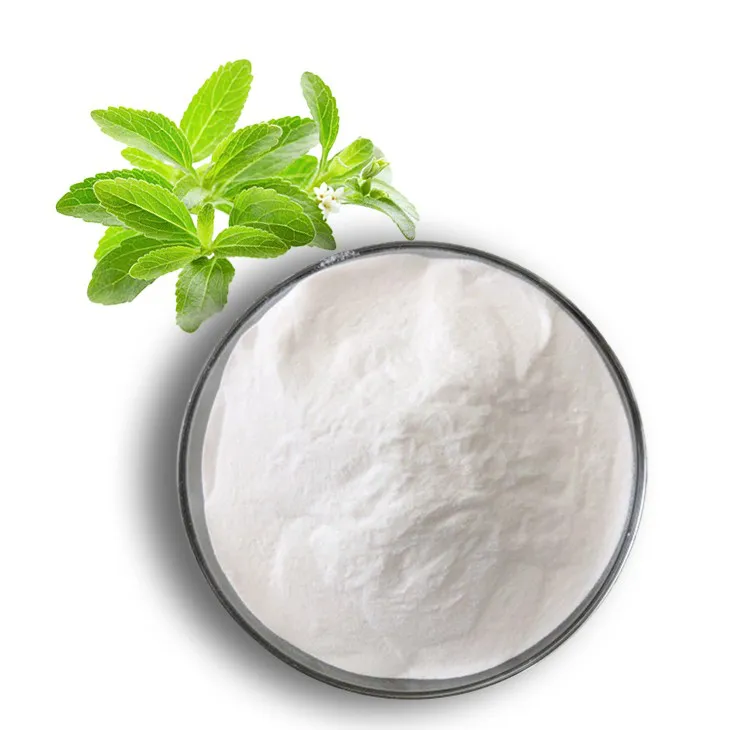
Stevia has become one of the most popular natural sweeteners on the market, yet anyone who has tasted different stevia products knows they do not all taste the same. Some are clean and sugar-like, while others carry a noticeable bitter or licorice aftertaste. The reason comes down to one factor that is easy to overlook: how the stevia extract is made. This article explains how the extraction process shapes the final sweetness profile, and what that means for formulators and buyers.
What actually makes stevia sweet
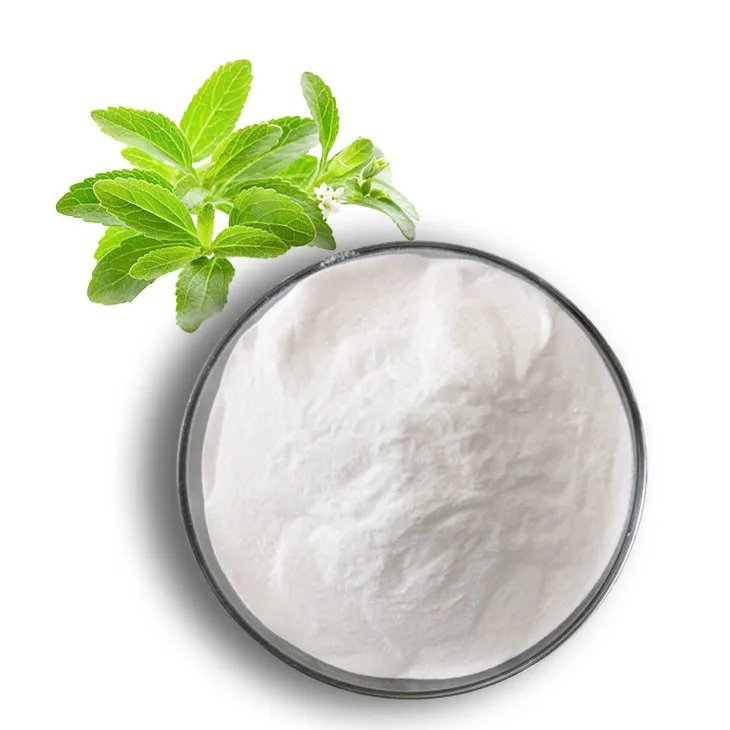
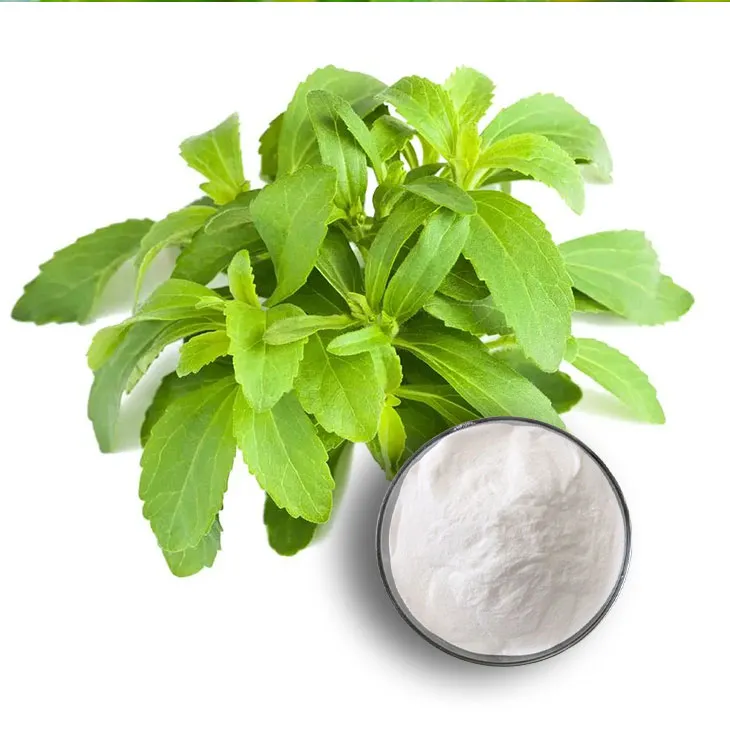
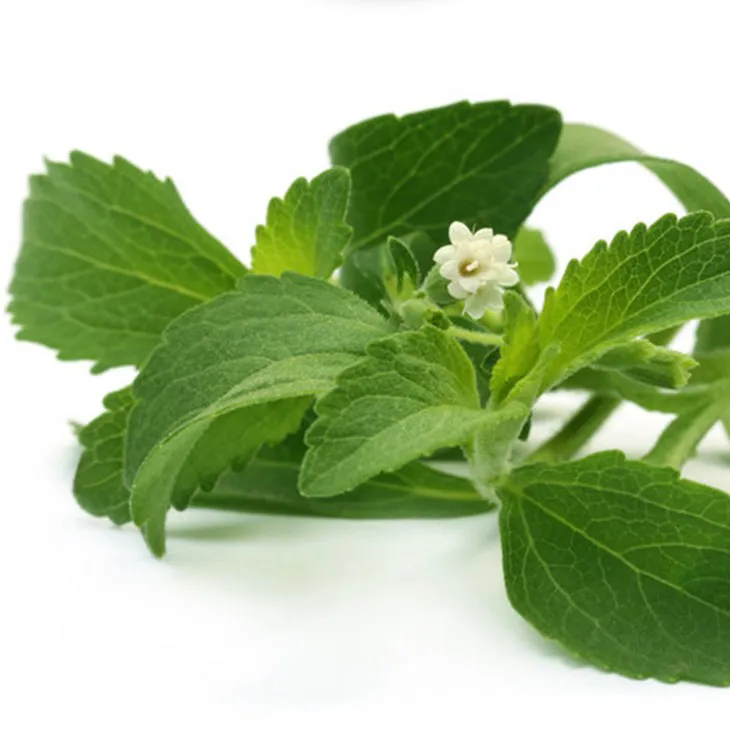
Stevia Extract is obtained from the leaves of Stevia rebaudiana, a plant native to South America. Its sweetness comes from a family of compounds called steviol glycosides, which are hundreds of times sweeter than ordinary sugar while contributing almost no calories. That remarkable potency is why stevia has become a staple in reduced-sugar beverages, tabletop sweeteners, dairy products, and functional foods.
What many people do not realize is that stevia contains not one but many different glycosides. The most common are stevioside and rebaudioside A (often called Reb A), while rebaudioside M (Reb M) and rebaudioside D (Reb D) are present in smaller amounts. Each of these compounds has its own sweetness intensity, onset, and side-taste characteristics. The final taste of a stevia product is therefore not determined by a single molecule, but by the balance of the whole glycoside profile.
Why the glycoside profile matters more than purity
In the stevia market, purity is often quoted as the headline quality metric, and a very high Reb A content is frequently positioned as a premium product. But purity alone does not tell the full story of how something will taste. Stevioside and Reb A, the most abundant glycosides in the raw leaf, are also the ones most associated with bitter and licorice-like side tastes, particularly at higher usage levels.
Higher-order glycosides such as Reb M and Reb D, which carry more glucose units on the same steviol backbone, are perceived as smoother and closer to sucrose, with fewer off-flavors. In practice, this means two extracts can carry the same purity figure yet taste very different, because their underlying glycoside ratios are different. For anyone formulating a finished product, the glycoside distribution is a far more useful specification than a single purity number.
How the extraction process shapes the taste
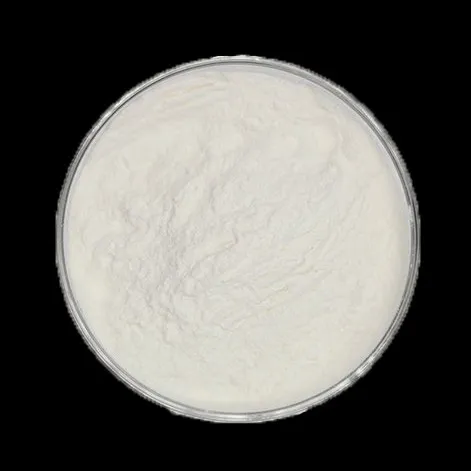
The connection between extraction and sweetness profile is direct. Steviol glycosides are first released from the leaf using water or a food-grade solvent, and the crude extract is then purified, concentrated, and dried into a powder. Every one of these steps can shift the ratio of glycosides that ends up in the final product.
Water-based extraction tends to preserve a broader, more natural balance of glycosides, which can translate into a rounder, cleaner taste. Processes that aggressively push toward very high Reb A purity, by contrast, can concentrate the very glycoside most likely to introduce bitterness. Purification, decolorization, and drying conditions also influence the final profile, which is why consistent results depend on careful process control rather than a single step.
The application matters too. In low-pH, carbonated beverages, the bitterness potential of certain glycosides becomes more noticeable, so a profile that tastes clean in still water may perform differently once carbonated. In dairy, bakery, and tabletop sweeteners, the ideal profile can be different again. A supplier that can tailor and document the glycoside profile makes formulation far more predictable.
What this means for formulators and buyers
For food and beverage developers, the practical takeaway is simple: specify the glycoside profile and the sensory target, not just the purity percentage. Ask for consistent, documented ratios, and request samples tested in the actual application. A pure stevia extract with a well-balanced profile gives formulators the freedom to achieve deep sugar reduction while keeping the sweetness clean and sugar-like.
For buyers sourcing raw material, consistency is everything. A reliable supplier should be able to guarantee the same profile batch after batch, backed by laboratory analysis and food-grade production standards. This is where the choice of manufacturer has a direct impact on the finished product's taste.
Choosing a Stevia Extract manufacturer you can trust
Greensky is a stevia extract manufacturer with more than two decades of experience in natural plant extracts. The company operates vertically integrated research, production, and quality-control operations, so every stage from raw leaf to finished powder is managed in-house. Its 100,000-class clean production area meets food-grade requirements, and independent laboratories equipped with GC, HPLC, and UV instruments verify each batch before it ships.
Greensky's Stevia Extract is derived from Stevia rebaudiana leaves and delivers the steviol glycosides responsible for its intense, calorie-free sweetness. The company holds certifications including ISO22000, BRCGS, HALAL, and Kosher, giving international buyers confidence in consistent quality and regulatory compliance. Whether you need bulk stevia extract for a new beverage line or a stable supply for an existing formulation, working with a manufacturer that controls the whole process makes it far easier to hit your sweetness target every time.
Final thoughts
The sweetness profile of stevia is not an accident of nature; it is a direct result of how the extract is produced. The balance of steviol glycosides, shaped by the extraction and purification process, determines whether a stevia product tastes clean and sugar-like or carries bitter side notes. Understanding this relationship is the key to choosing the right ingredient for any reduced-sugar product.
Whether you are developing a new formulation or sourcing ingredients at scale, a stevia extract with a well-documented, consistent glycoside profile is the dependable foundation. Partnering with an experienced manufacturer that combines clean production, rigorous testing, and full process control makes it possible to deliver great-tasting, naturally sweetened products that consumers keep coming back to.
- ▶ Hesperidin
- ▶ Citrus Bioflavonoids
- ▶ Plant Extract
- ▶ lycopene
- ▶ Diosmin
- ▶ Grape seed extract
- ▶ Sea buckthorn Juice Powder
- ▶ Fruit Juice Powder
- ▶ Hops Extract
- ▶ Artichoke Extract
- ▶ Mushroom extract
- ▶ Astaxanthin
- ▶ Green Tea Extract
- ▶ Curcumin
- ▶ Horse Chestnut Extract
- ▶ Other Product
- ▶ Boswellia Serrata Extract
- ▶ Resveratrol
- ▶ Marigold Extract
- ▶ Grape Leaf Extract
- ▶ New Product
- ▶ Aminolevulinic acid
- ▶ Cranberry Extract
- ▶ Red Yeast Rice
- ▶ Red Wine Extract
- ▶ blog
-
Artichoke Extract
2026-08-15
-
Curcuma Longa Extract/Turmeric extract
2026-08-15
-
White Peony Extract
2026-08-15
-
Pueraria Lobata Extract
2026-08-15
-
Scutellaria Extract
2026-08-15
-
Panax Ginseng Leaf Extract
2026-08-15
-
Almond Extract Powder
2026-08-15
-
Licorice Root Extract Powder
2026-08-15
-
Genistein
2026-08-15
-
Beta Carotene
2026-08-15