- 0086-571-85302990
- [email protected]




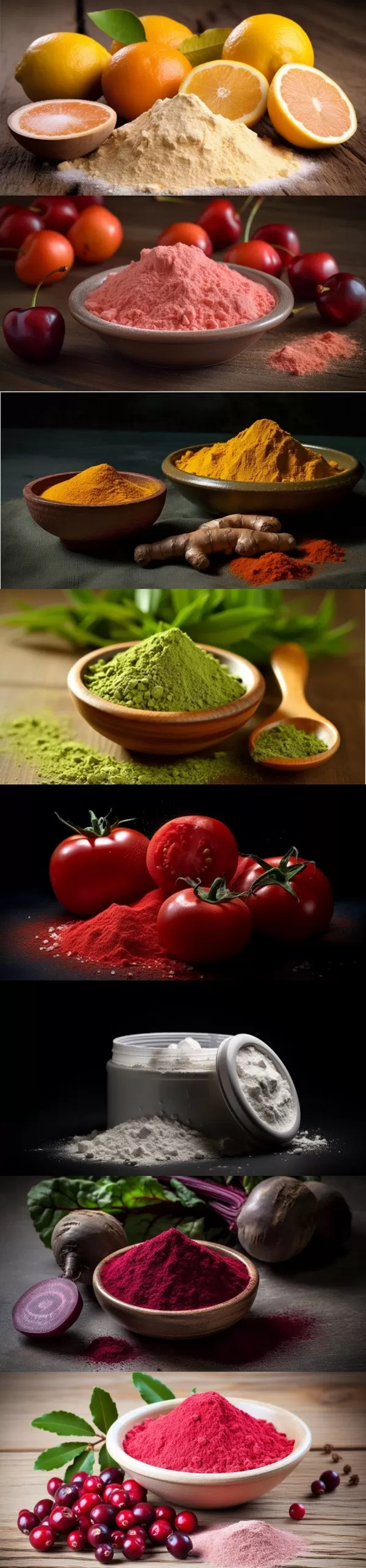

How does plant extract sourcing differ between powder and liquid forms?
2026-08-13
When you start sourcing botanical ingredients for a supplement, beverage, cosmetic, or functional food project, one of the first practical questions is whether to order a powder or a liquid form. The choice is not simply a matter of preference. It changes your specification, your packaging, your logistics budget, and even the documentation a supplier must provide. For procurement teams and product formulators, understanding how plant extract sourcing differs between powder and liquid forms is the difference between a smooth launch and a costly rework.
What the two forms actually are
Both powder and liquid extracts begin the same way: the active compounds are pulled from the raw botanical using a solvent such as water, ethanol, or a combination of the two. From that point the production paths diverge. A liquid extract keeps the concentrated solution as it is, often with the carrier solvent retained. A powder extract removes that solvent through spray drying, vacuum drying, or freeze drying, leaving a dry, flowable material that is far lighter and more stable.
This single difference drives almost everything else downstream, from how you write your specification to how much you pay for freight. A reliable plant extract supplier should be able to explain this trade-off clearly and back it up with batch documentation, rather than pushing one form because it is easier to stock.
Specification and quality control differ in practice
With a powder, the specification normally centers on the concentration of the active marker compounds, particle size, moisture content, and residual solvent. Because the material is dry and uniform, a certificate of analysis (COA) can state a tight, reproducible assay range that you can verify in your own lab. Powders also tend to be easier to blend at a consistent ratio into capsules, tablets, and dry mixes.
Liquid forms shift the conversation toward the ratio of raw material to solvent, the concentration by volume, and the stability of the active compounds over time. Volatile and heat-sensitive actives are often better preserved in a liquid, which is why some aromatic or freshly extracted profiles are preferred in this form. The trade-off is that you may be paying freight and storage for a significant amount of carrier solvent, and you need to confirm the per-batch concentration rather than assuming volume reflects activity.
Experienced plant extract manufacturers run independent QC on every batch, using instruments such as HPLC, GC, and UV. When you compare quotes, ask for the COA, the batch number, and the analytical method used. If the numbers are vague or the supplier cannot trace the raw material, the form it comes in matters far less than the quality risk you are taking on.
Logistics, storage, and shelf life shape total cost
This is where sourcing decisions start to really diverge. Powder extracts are lightweight, compact, and stable under dry conditions, which makes bulk shipping and warehousing noticeably cheaper. They also carry a longer shelf life in most cases, reducing the risk of expiry before your product reaches the market. The main requirement is moisture-proof, airtight packaging.
Liquid extracts weigh more per unit of active ingredient, take up more space, and often need cool, dark, sealed containers to slow oxidation. That means higher freight, higher storage cost, and a shorter usable window. For a small-batch artisan product the premium may be acceptable; for high-volume procurement it can erode margin quickly. Before you commit, model the total landed cost per unit of active marker, not the price per kilogram, because the two forms carry very different amounts of inert carrier.
Matching the form to the application
Powder is usually the natural fit for capsules, tablets, protein blends, and dry cosmetic mixes, where precise dosing and easy blending matter. Liquid extracts make sense for tinctures, beverages, liquid multivitamins, face serums, and other ready-to-use formats where absorption and ease of blending into a liquid base are priorities. Many brands actually run both, using powder for their capsule line and liquid for their tincture or drink line from the same supplier, which simplifies auditing and keeps batch documentation consistent.
Procurement teams should also think about regulatory paperwork. Food-grade and supplement-grade materials may require export registration, certificates such as ISO22000, BRCGS, HALAL, Kosher, or organic certification, and traceable raw material sourcing. A supplier that operates a clean, food-grade production area and maintains independent QC makes this paperwork far easier to assemble, regardless of whether you order powder or liquid.
How to choose a sourcing partner
Filter candidates by the same criteria you would apply to any ingredient: production capability, quality control, certifications, and the ability to supply consistent documentation. A vertically integrated plant extract factory that controls research, extraction, and testing under one roof can usually react faster to spec changes and give you cleaner traceability than a trading house that merely resells material.
Ask each candidate whether they can provide powder and liquid versions of the same extract, what their cleanroom and drying equipment looks like, and whether their laboratory can supply an in-house COA. Request samples of both forms and test them in your own formulation before committing to a volume order. A partner that is transparent about extraction methods and batch traceability is worth more than a slightly lower quote.
Final thoughts
There is no universal winner between powder and liquid plant extracts. The right choice depends on your application, your logistics budget, and the quality documentation you need. What matters most is that you source from a manufacturer who can support both forms, validate the active markers in an accredited lab, and provide the certificates and COAs your product requires. Start with a clear specification, compare total landed cost per active unit, and test samples before you scale.
- ▶ Hesperidin
- ▶ Citrus Bioflavonoids
- ▶ Plant Extract
- ▶ lycopene
- ▶ Diosmin
- ▶ Grape seed extract
- ▶ Sea buckthorn Juice Powder
- ▶ Fruit Juice Powder
- ▶ Hops Extract
- ▶ Artichoke Extract
- ▶ Mushroom extract
- ▶ Astaxanthin
- ▶ Green Tea Extract
- ▶ Curcumin
- ▶ Horse Chestnut Extract
- ▶ Other Product
- ▶ Boswellia Serrata Extract
- ▶ Resveratrol
- ▶ Marigold Extract
- ▶ Grape Leaf Extract
- ▶ New Product
- ▶ Aminolevulinic acid
- ▶ Cranberry Extract
- ▶ Red Yeast Rice
- ▶ Red Wine Extract
- ▶ blog
-
Red Date Extract
2026-08-13
-
Uridine-5'-monophosphate Disodium salt
2026-08-13
-
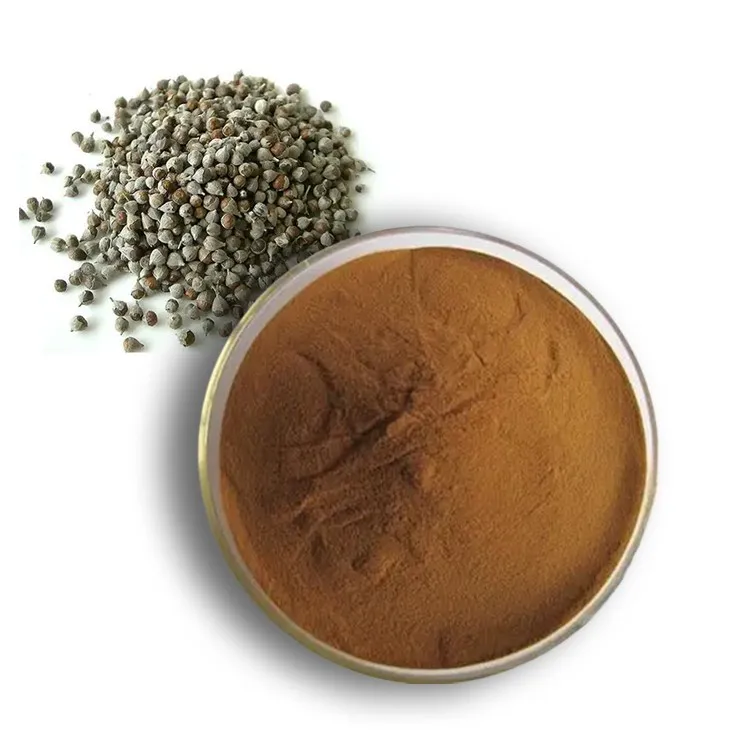
Chaste Berry Extract
2026-08-13
-
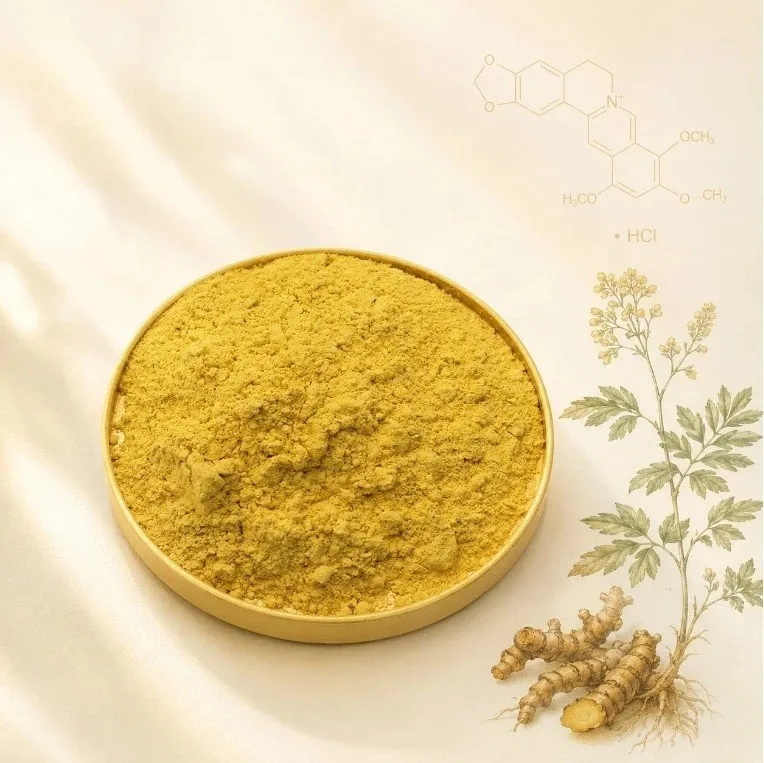
Liposomal Berberine HCl
2026-08-13
-
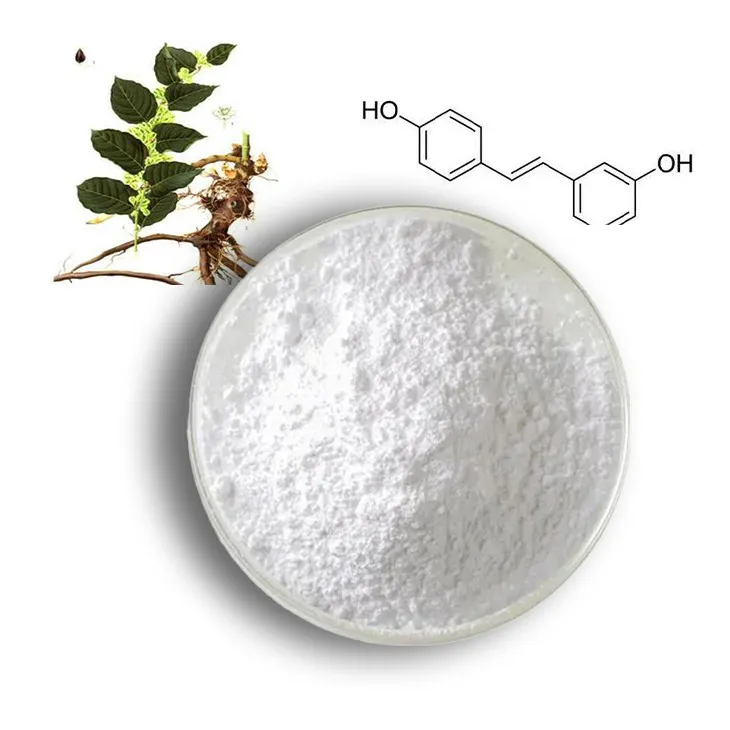
Resveratrol
2026-08-13
-
Phosphatidylserine
2026-08-13
-
Plantain extract
2026-08-13
-
Aguaje Extract
2026-08-13
-
Citrus bioflavonoids
2026-08-13
-
Ivy Extract
2026-08-13