- 0086-571-85302990
- [email protected]






How does plant extract for blood sugar compare with metformin?
2026-08-14
Metformin has long been the first-line medication for type 2 diabetes, praised for its glucose-lowering power and low cost. Yet an increasing number of people are asking whether plant-based ingredients can do part of the same job. Understanding how plant extracts for blood sugar compare with metformin can help supplement brands, formulators, and consumers make more informed decisions.
How Metformin Works
Metformin lowers blood glucose through three main pathways. It reduces the amount of glucose the liver releases, improves the body's response to insulin, and slows the absorption of sugar from the intestines. Because it does not stimulate extra insulin production, it rarely causes dangerously low blood sugar on its own. These mechanisms make it effective, but they are not without trade-offs.
Many people taking metformin report gastrointestinal discomfort, including nausea, diarrhea, and stomach cramping. Long-term use can also deplete vitamin B12, and the drug is not suitable for everyone, especially those with significant kidney problems. These limitations have driven steady interest in natural ingredients that target similar pathways with gentler side-effect profiles.
How Plant Extracts Approach Blood Sugar
Plant extracts for blood sugar generally work through several overlapping mechanisms rather than a single target. Some help the body use insulin more effectively, some slow the digestion of carbohydrates so glucose enters the bloodstream more gradually, and others support the liver in managing glucose output. This multi-pathway action is one reason botanicals have been used in traditional medicine for centuries.
For supplement and functional food manufacturers, the appeal lies in sourcing clean, standardized raw materials that can be formulated into reliable finished products. A professional plant extract supplier can provide consistent active levels, batch documentation, and regulatory support that make these ingredients practical to use at scale.
Well-Studied Botanicals Worth Knowing
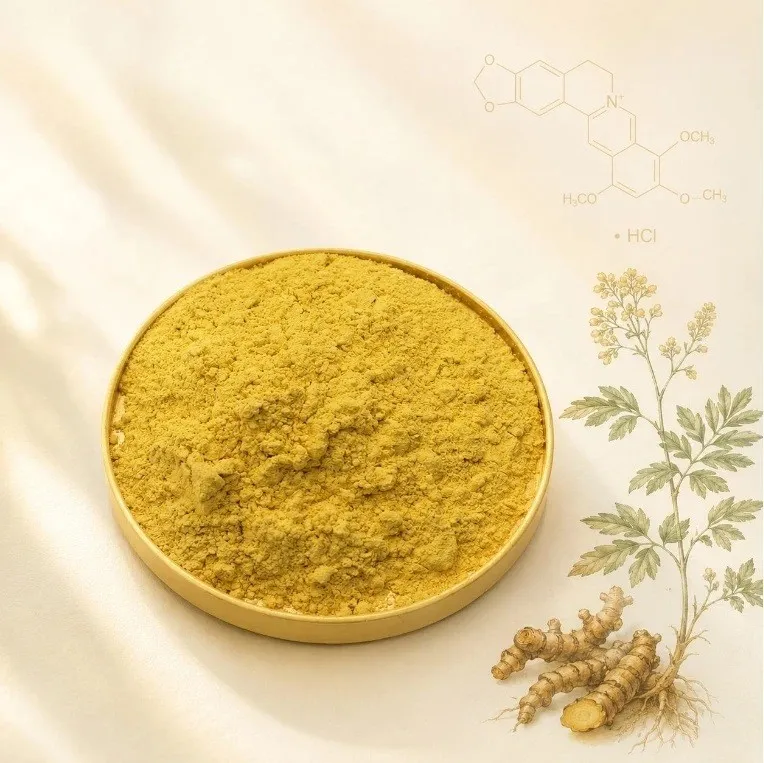
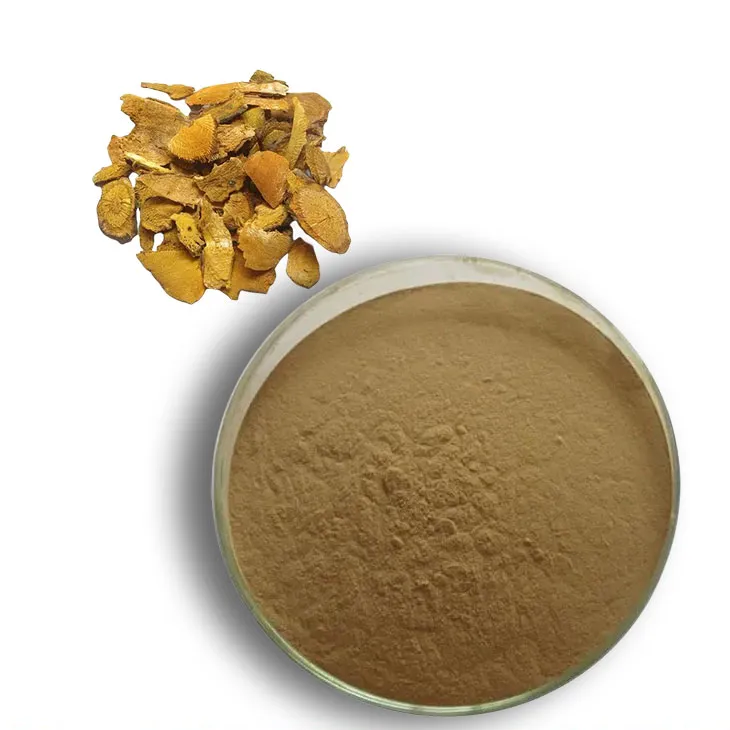
Berberis aristata (Berberine Source)
Berberine is among the most researched natural compounds for metabolic health. It activates an enzyme pathway called AMPK, the same pathway involved in metformin's mechanism, which helps improve insulin sensitivity and supports the body's use of glucose. Clinical studies have reported meaningful reductions in markers like HbA1c in some individuals, though results vary by person and dose. Its main drawback is mild digestive upset when first starting.
White Mulberry Leaf
White mulberry leaf has a long history of use for blood sugar support, largely credited to a compound called DNJ (1-deoxynojirimycin) that slows the breakdown of carbohydrates after meals. By moderating post-meal glucose spikes, it offers a complementary approach that is generally well tolerated. For brands looking to build a dedicated line, standardized white mulberry leaf extract is a practical ingredient to consider.
Bitter Melon
Bitter melon contains compounds that act in a similar way to insulin, helping cells take up glucose more efficiently. Traditional medicine has used it for blood sugar control for generations, and modern research continues to explore its potential. It is often combined with other botanicals to support overall glucose metabolism.
Fenugreek and Kidney Bean
Fenugreek seed powder is rich in soluble fiber and a unique amino acid called 4-hydroxyisoleucine, both of which slow carbohydrate digestion and support insulin sensitivity. Kidney Bean Extract takes a different route by inhibiting alpha-amylase, an enzyme that breaks down starch, so fewer sugars are absorbed from a meal. When combined, these two ingredients offer a well-rounded approach to post-meal glucose control.
Plant Extracts vs. Metformin: A Practical Comparison
| Factor | Metformin | Plant Extracts |
|---|---|---|
| Primary mechanism | Reduces liver glucose, improves insulin use | Multi-pathway: insulin sensitivity, carb digestion, glucose uptake |
| Evidence strength | Very strong, decades of clinical use | Growing for berberine, mulberry, bitter melon |
| Main side effects | GI upset, B12 depletion, contraindications | Generally milder, occasional mild GI upset |
| Time to effect | Weeks to months | Weeks, slower onset |
| Role | Prescription medication for diabetes | Dietary ingredient for support |
The most important difference is one of role rather than potency. Metformin is a regulated medicine prescribed to treat diabetes, while plant extracts are dietary ingredients intended to support metabolic health. Even well-studied botanicals are not considered replacements for prescription therapy, and anyone managing diabetes should never change their medication without medical guidance.
Choosing a Reliable Ingredient Partner
Whatever botanical a brand chooses, the quality of the raw material matters far more than the marketing claims around it. Trusted plant extract manufacturers offer standardized active levels, independent lab testing, and a clean production environment that meets food-grade requirements. These details ensure that a finished product delivers what its label promises, batch after batch.
Greensky, a plant extract manufacturer founded in 2004, produces a wide range of botanical ingredients including mulberry leaf, bitter melon, and berberine-rich raw materials. With vertically integrated production, an independent laboratory, and certifications such as ISO22000 and BRCGS, the company supplies consistent extracts for brands serving markets in Europe, the United States, South Korea, and Russia.
The Bottom Line
Plant extracts for blood sugar offer a complementary, usually gentler option compared with metformin, and they appeal to consumers looking for natural approaches to metabolic health. Berberine, white mulberry leaf, bitter melon, and fenugreek each support glucose metabolism through different mechanisms. Yet they are best understood as supportive ingredients rather than medicine substitutes. For consumers, the sensible path is to use these botanicals under professional supervision. For manufacturers, the path is to source from a dependable plant extract supplier that can guarantee quality and consistency from raw material to finished product.
- ▶ Hesperidin
- ▶ Citrus Bioflavonoids
- ▶ Plant Extract
- ▶ lycopene
- ▶ Diosmin
- ▶ Grape seed extract
- ▶ Sea buckthorn Juice Powder
- ▶ Fruit Juice Powder
- ▶ Hops Extract
- ▶ Artichoke Extract
- ▶ Mushroom extract
- ▶ Astaxanthin
- ▶ Green Tea Extract
- ▶ Curcumin
- ▶ Horse Chestnut Extract
- ▶ Other Product
- ▶ Boswellia Serrata Extract
- ▶ Resveratrol
- ▶ Marigold Extract
- ▶ Grape Leaf Extract
- ▶ New Product
- ▶ Aminolevulinic acid
- ▶ Cranberry Extract
- ▶ Red Yeast Rice
- ▶ Red Wine Extract
- ▶ blog
-
Coconut Water Powder
2026-08-14
-
Cranberry Extract
2026-08-14
-
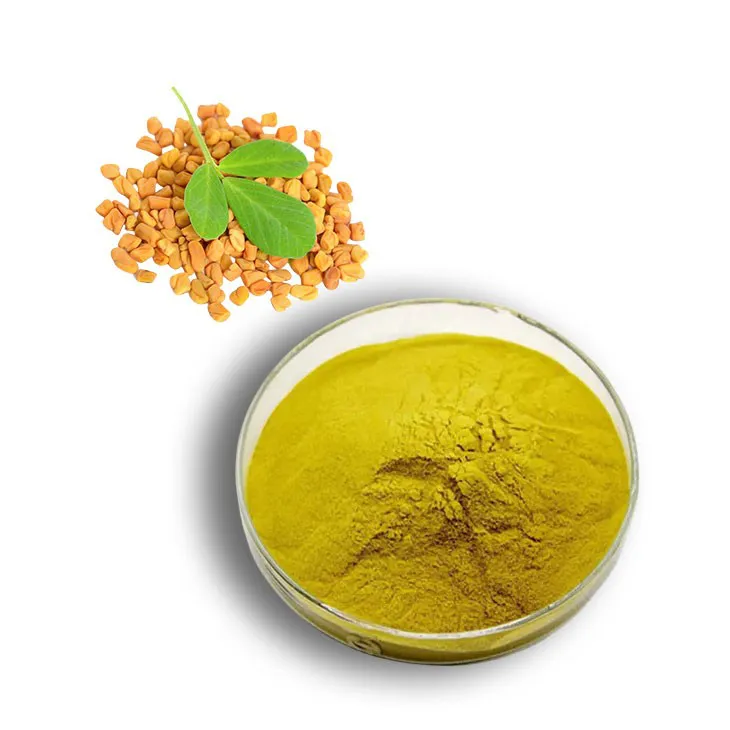
Fenugreek Extract Powder
2026-08-14
-
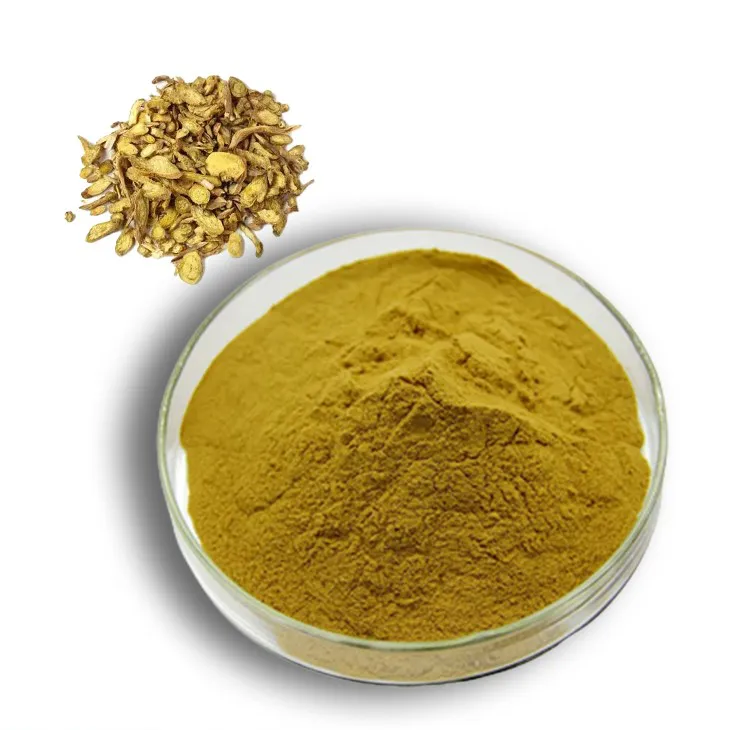
Scutellaria Extract
2026-08-14
-
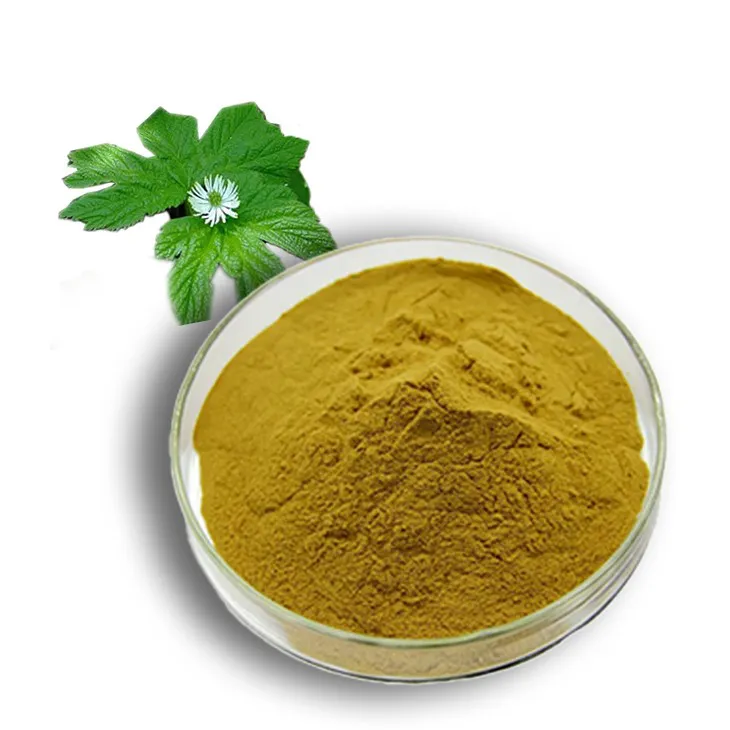
Golden Seal Extract
2026-08-14
-
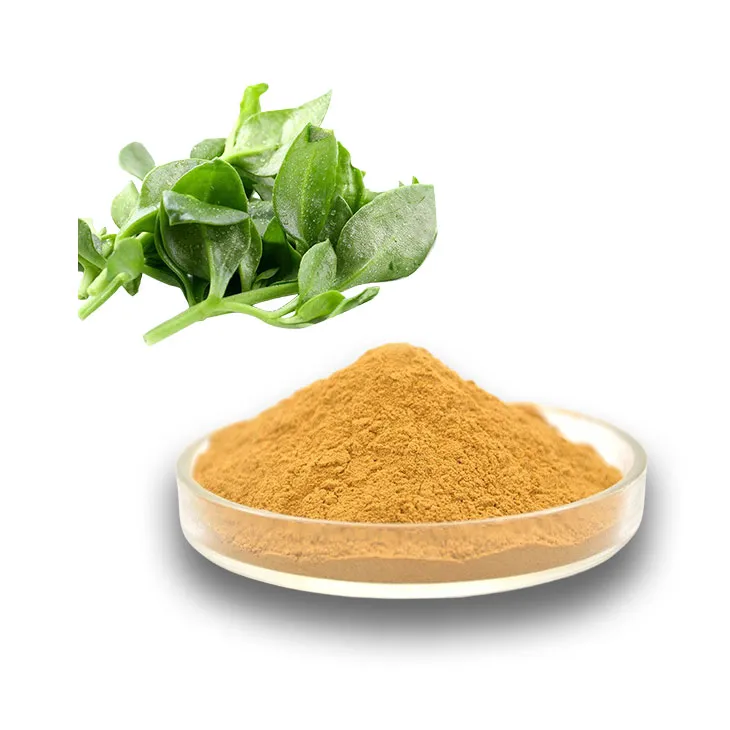
Andrographis Paniculata Extract Powder
2026-08-14
-
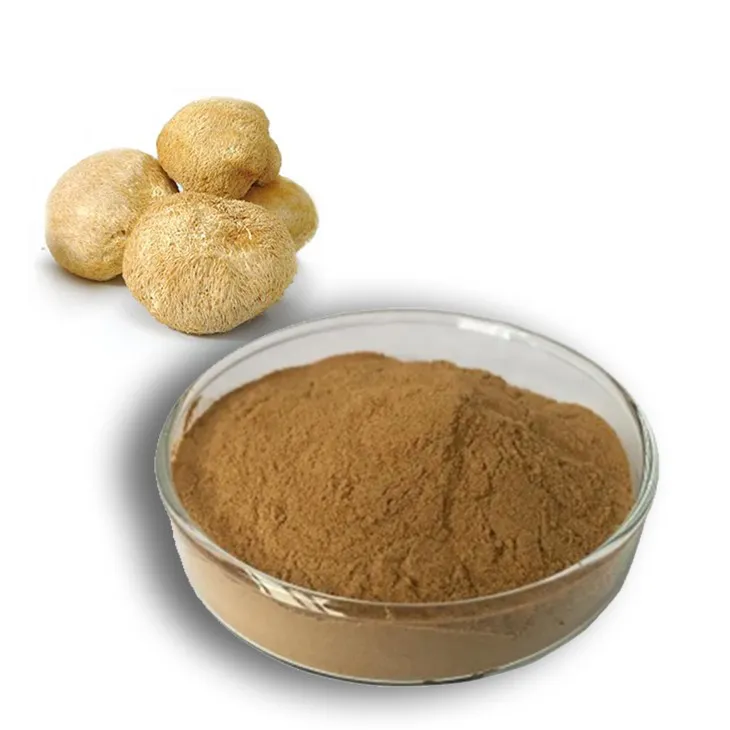
Hericium erinaceus extract powder
2026-08-14
-
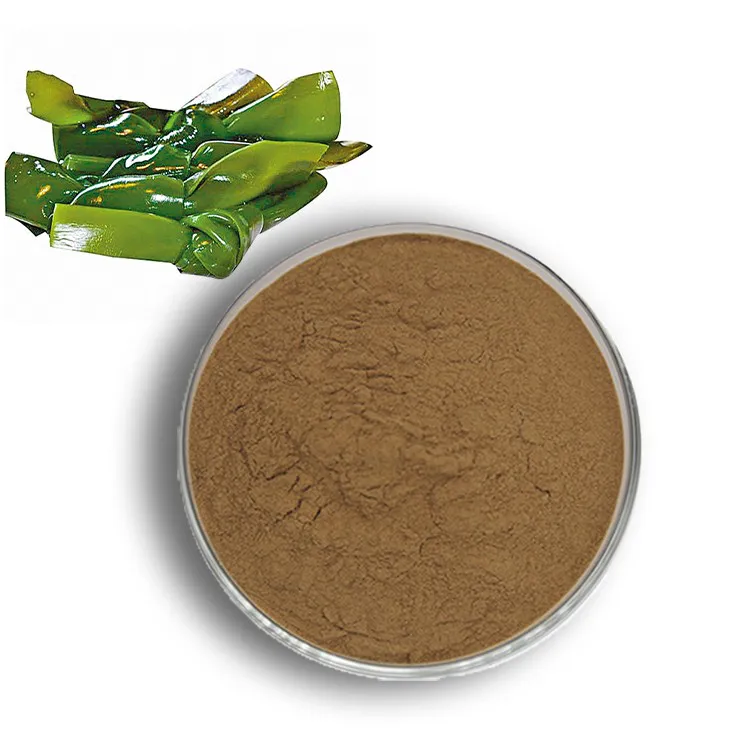
Kelp Extract Powder
2026-08-14
-
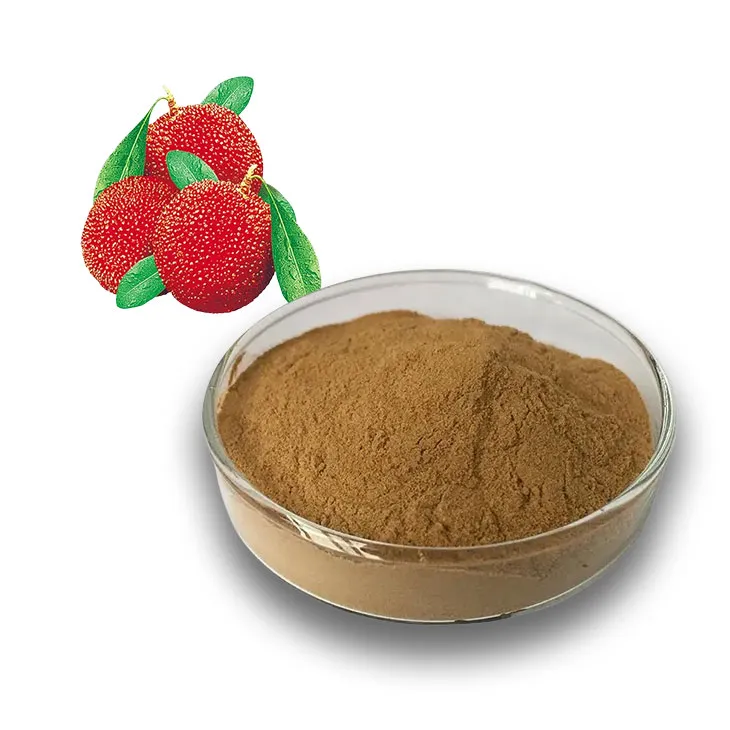
Bayberry Extract
2026-08-14
-
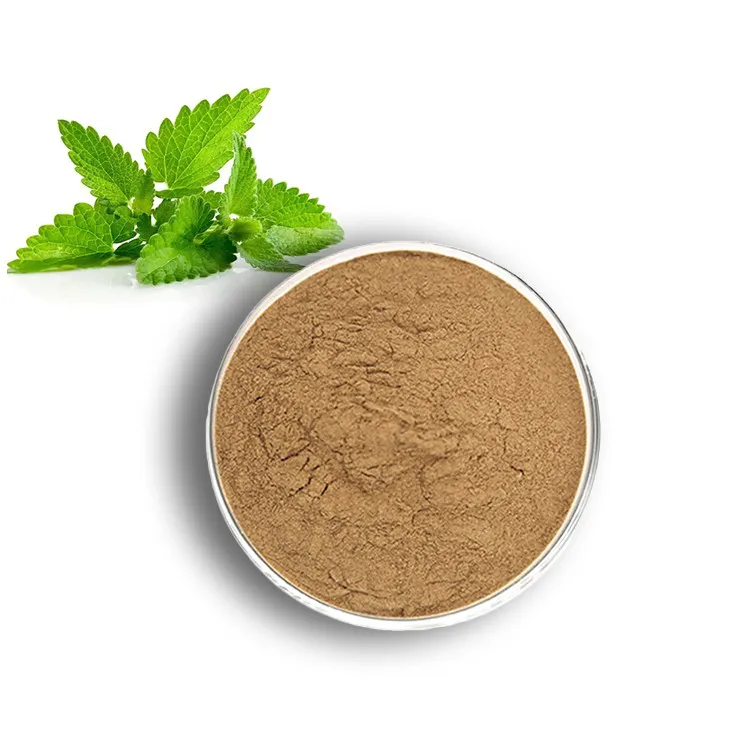
Lemon Balm Extract
2026-08-14
