We have five factories and 23 years of experience in plant extracts
- 0086-571-85302990
- [email protected]






How does cooking affect lycopene in tomatoes?
2026-08-13
Related Product
Lycopene
The lycopene produced by Green Sky Bio is of high quality, focusing on plant extracts for 21 years
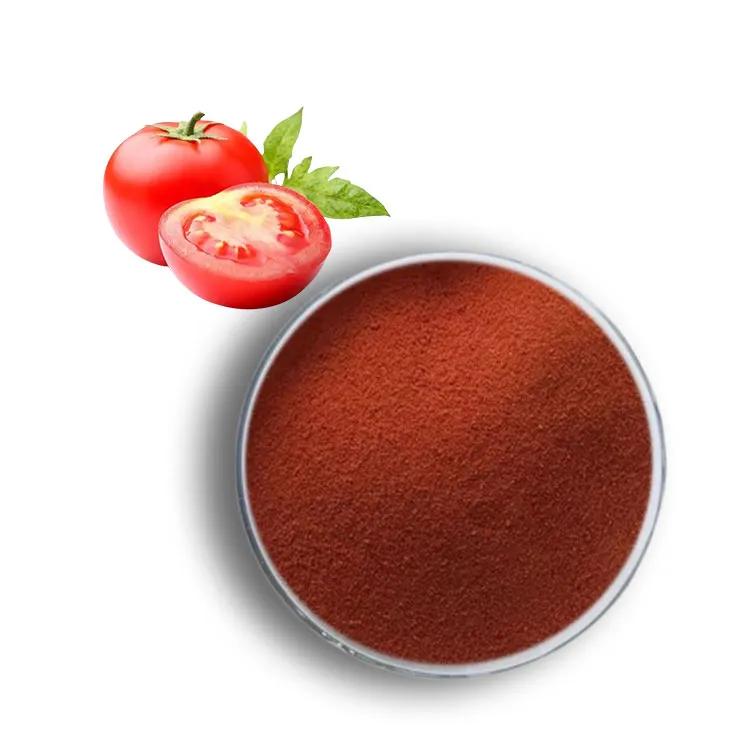
Tomatoes are probably the best-known food source of Lycopene, the red carotenoid pigment that gives them their color. But the amount of Lycopene you actually get from a tomato is not fixed. It changes noticeably with how ripe the fruit is, how it is handled, and above all how it is cooked. This article explains how cooking affects Lycopene in tomatoes, why processed tomato products are often richer in bioavailable lycopene than fresh ones, and how food and supplement manufacturers turn this knowledge into reliable ingredients.
Why cooking changes the nutrition of tomatoes
In a raw tomato, lycopene sits inside thick, rigid cell walls where the digestive system cannot easily reach it. Heat changes the picture in two ways. First, it softens and ruptures those cell walls, releasing the trapped pigment. Second, it converts part of the natural trans-lycopene into a cis form, which the body absorbs more readily. Together these effects are known as increasing bioavailability. In other words, cooking does not simply add lycopene to the tomato; it makes more of what is already there usable to the body.
The same principle applies to other fat-soluble nutrients such as beta-carotene. Meanwhile, water-soluble nutrients behave in the opposite way. Vitamin C, for example, is heat-sensitive and declines during cooking, so raw tomatoes are the better choice when vitamin C is the priority. The practical conclusion is not that one form is universally superior, but that raw and cooked tomatoes serve different nutritional roles.
Raw versus cooked: what the numbers show
Published studies consistently report that the body absorbs roughly two to three times more lycopene from cooked tomatoes than from raw ones. Part of the reason is concentration: as tomatoes cook they lose water, so the same weight of cooked tomato carries a higher concentration of solids, including lycopene. A well-known 2002 study in the Journal of Agricultural and Food Chemistry found that heating tomatoes at about 88°C for 30 minutes raised total lycopene content by about 35% while increasing total antioxidant activity, even though vitamin C fell by roughly 29%.
Different tomato varieties also differ in lycopene content. Plum and Roma tomatoes, with their dense flesh and lower water content, are especially concentrated and are the usual choice for sauces and pastes. Cherry tomatoes are also relatively rich because they have a high skin-to-flesh ratio. Beefsteak tomatoes are juicy but more diluted. Ripeness matters too, because lycopene is the pigment responsible for the deep red color: the redder the tomato, the more lycopene it tends to contain.
Which cooking methods release the most lycopene
Heat and time are the two variables that matter most. Slow simmering into a sauce, sautéing in a pan, and roasting in the oven all break down the cell walls effectively. A long, slow simmer gives the cell walls more time to fully release the lycopene, which is why a marinara that has cooked for an hour tends to deliver more bioavailable lycopene than a quick flash in a hot pan. Boiling and frying also increase lycopene content as the cooking time lengthens, although very high heat over a long period degrades more of the heat-sensitive vitamin C.
Because lycopene is fat-soluble, it needs a small amount of dietary fat to be absorbed well. Cooking tomatoes in even a teaspoon of olive oil, or serving them with avocado, nuts, cheese, or eggs, noticeably improves uptake. This is why classic dishes such as pasta with tomato sauce finished with olive oil, or eggs poached in tomato sauce, pair tomato lycopene with fat so effectively.
Processed tomato products are a concentrated source
The commercial processing of tomatoes, which combines heat, concentration, and removal of water, makes products such as tomato paste, purée, juice, and sun-dried tomatoes among the richest food sources of bioavailable lycopene. A small serving of tomato paste or purée can easily deliver more usable lycopene than a whole raw tomato. There is no official recommended daily intake for lycopene, but most studies of its benefits have used intakes in the range of about 8 to 21 milligrams per day, a target that one serving of a cooked or concentrated tomato product can readily help meet.
From the kitchen to the ingredient industry
The same science that guides home cooking also guides the production of lycopene as a commercial ingredient. After the lycopene is released from tomatoes by heat and extraction, it is concentrated, purified, and standardized so that food and supplement makers can use it reliably. This is where a lycopene manufacturer becomes important. A dependable supplier provides a consistent, well-characterized extract that can be formulated into capsules, powders, and beverages without the variability of fresh produce.
For brands looking to build a lycopene supplement, sourcing matters as much as formulation. A lycopene extract that is standardized and tested for purity forms the foundation of a trustworthy finished product. Working with a producer who combines extraction expertise with documented quality control helps ensure that the antioxidant benefits seen in laboratory studies translate into the finished goods customers receive.
Choosing a supplier for lycopene ingredients
For companies that formulate supplements or functional foods, selecting the right source of lycopene is a practical business decision. A manufacturer with deep experience in plant extraction, an independent laboratory, and a clean production area can offer both consistent quality and the documentation needed for regulatory submissions. Greensky, a Chinese manufacturer founded in 2004 with around two decades of experience in botanical ingredients, produces lycopene extract alongside a broad catalog of plant extracts and supports customers in Europe, the United States, South Korea, and Russia. Its vertically integrated operation combines research, development, and production under one roof, and it holds certifications such as ISO22000, HALAL, and Kosher that are relevant to food and supplement customers.
Conclusion
Cooking has a clear and positive effect on lycopene in tomatoes. Heat breaks down the cell walls that trap the pigment, converts some of it into a more absorbable form, and concentrates it as water evaporates. The result is that cooked and processed tomato products deliver significantly more bioavailable lycopene than raw tomatoes, especially when paired with a little fat. For consumers, the practical takeaway is to eat a mix of raw and cooked tomatoes. For food and supplement manufacturers, the same chemistry is the basis for producing standardized lycopene ingredients that bring this antioxidant into reliable, high-quality finished products.
TAGS:
Featured Products
FAQ
- ▶ Hesperidin
- ▶ Citrus Bioflavonoids
- ▶ Plant Extract
- ▶ lycopene
- ▶ Diosmin
- ▶ Grape seed extract
- ▶ Sea buckthorn Juice Powder
- ▶ Fruit Juice Powder
- ▶ Hops Extract
- ▶ Artichoke Extract
- ▶ Mushroom extract
- ▶ Astaxanthin
- ▶ Green Tea Extract
- ▶ Curcumin
- ▶ Horse Chestnut Extract
- ▶ Other Product
- ▶ Boswellia Serrata Extract
- ▶ Resveratrol
- ▶ Marigold Extract
- ▶ Grape Leaf Extract
- ▶ New Product
- ▶ Aminolevulinic acid
- ▶ Cranberry Extract
- ▶ Red Yeast Rice
- ▶ Red Wine Extract
- ▶ blog
Recommended Products
-
Moringa powder
2026-08-13
-
Red Wine Extract
2026-08-13
-
Citrus bioflavonoids
2026-08-13
-
Lotus leaf extract
2026-08-13
-
Black Rice Extract
2026-08-13
-
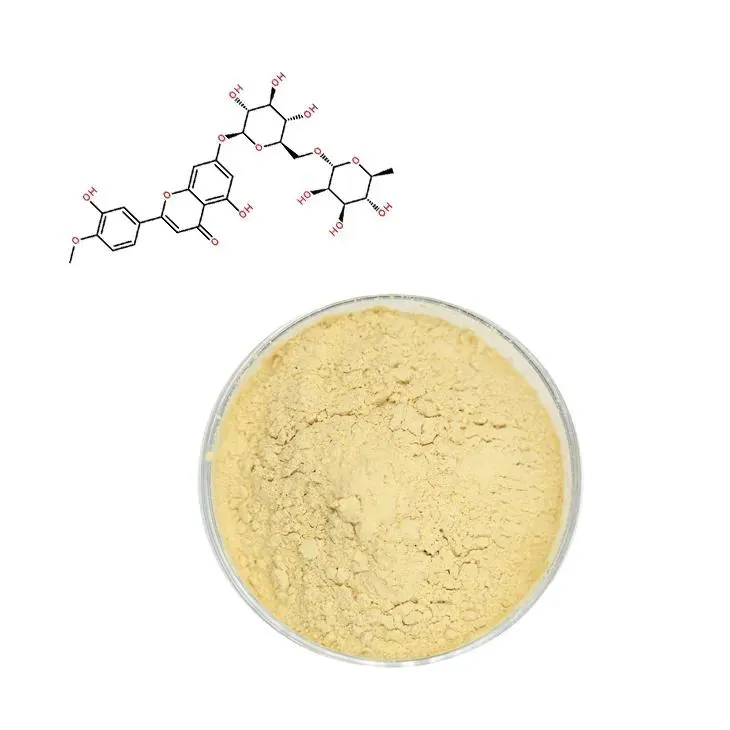
Diosmin
2026-08-13
-
Oat Straw Extract Powder
2026-08-13
-
Marigold Extract
2026-08-13
-
Black Garlic Extract
2026-08-13
-
Grape Seed Extract
2026-08-13
Get a Quote
