- 0086-571-85302990
- [email protected]






How does celery powder compare to celery salt?
2026-08-17
Celery powder and celery salt sit side by side on the spice shelf and look almost identical, yet they are very different ingredients. One is a pure dehydrated vegetable powder, the other is a salty seasoning blend. Confusing the two is one of the most common mistakes in the kitchen, and it can quietly ruin a low-sodium recipe or leave a dish tasting flat. Understanding how celery powder compares to celery salt makes it easy to pick the right one every time.
What is celery powder?
Celery powder is made from celery stalks that are washed, dehydrated at low temperature, and ground into a fine powder. It contains no added salt. The gentle drying process concentrates the flavor and nutrients of the fresh vegetable, so a small spoonful delivers the taste of a much larger amount of celery. Because it is salt-free, celery powder is a favorite in low-sodium seasoning blends, soups, dry rubs, and even natural meat curing, where its plant-based nitrates help develop color and flavor without added sodium.
What is celery salt?
Celery salt is a seasoning blend rather than a single ingredient. It is typically made by mixing ground celery seed with salt, commonly in a ratio of about two parts salt to one part celery seed. The salt is the dominant component, and the ground seed provides a sharp, aromatic celery note. Celery salt is a classic finishing seasoning, used in Bloody Marys, chicken and potato salads, roasted vegetables, and dry rubs where both saltiness and celery flavor are wanted at once.
Key differences at a glance
The table below summarizes the main differences between the two seasonings.
| Aspect | Celery powder | Celery salt |
|---|---|---|
| Base ingredient | Dehydrated celery stalks | Ground celery seed blended with salt |
| Added sodium | None | High, salt is the main ingredient |
| Flavor | Mild, green, vegetal | Sharp, aromatic, salty |
| Best used for | Low-sodium soups, dry rubs, curing, seasoning blends | Bloody Marys, salads, roasted vegetables, finishing |
| Shelf life | Shorter, keep airtight and away from light | Long, salt stabilizes the blend |
The flavor is not the same celery
Both seasonings taste of celery, but they taste like different parts of the plant. Celery powder comes from the stalk, so it is mild, green, and slightly sweet, closer to the taste of a fresh celery rib. Celery salt is built on celery seed, which is far more concentrated, bitter, and aromatic than the stalk. That is why celery salt can dominate a dish with a single pinch, while celery powder adds a gentle background note. If you swap one for the other, you are not just changing the salt level, you are changing the whole flavor character.
Sodium and health considerations
For anyone watching sodium intake, the difference between the two is significant. Pure celery powder adds celery flavor with essentially no added salt, which makes it a practical choice for low-sodium diets and for seasoning blends where salt is controlled separately. Celery salt, by contrast, is mostly salt, and a teaspoon of it can account for a large share of a daily sodium budget. One caveat applies to celery powder as well: it retains the natural potassium of the vegetable, so people on potassium-restricted diets, such as those with certain kidney conditions, should check with their doctor before using it regularly.
When to use celery powder
Celery powder shines in dishes where you want celery depth without extra salt. Add it to soups and stews, blend it into homemade seasoning mixes, or rub it onto meat and vegetables before roasting. It also works well in savory baking, such as crackers and bread, and in natural curing where its plant-derived nitrates support color and flavor. Because the powder is mild, start with a small amount and taste as you go.
When to use celery salt
Celery salt is best when a dish needs both salt and a punch of celery flavor at the same time. It is the classic seasoning for Bloody Marys, chicken salad, tuna salad, and potato salad, and it makes an excellent finishing salt for roasted potatoes and grilled meats. Its fine grind clings well to surfaces, so it works especially well as a dry rub or a rimming salt for glasses. Just remember that every pinch carries a lot of sodium, so use it sparingly and adjust the other salt in the recipe.
Can you substitute one for the other?
Not directly, and the substitution is not one-to-one. If a recipe calls for celery salt and you only have celery powder, add the powder for the celery flavor and then salt the dish separately, tasting as you go. If a recipe calls for celery powder and you reach for celery salt instead, you will add a large amount of unwanted salt, so reduce or omit the other salt in the recipe. In both directions, the flavor will lean more toward the seed than the stalk, so expect a sharper, more aromatic result and adjust the quantity accordingly.
Where quality celery powder comes from
For food manufacturers and supplement brands, the source of celery powder matters as much as the recipe. Celery powder and other vegetable powders are produced by plant extract manufacturers that control drying temperature, particle size, and microbial quality. A reliable plant extract supplier tests raw material on arrival and finished powder before release, using instruments such as HPLC and GC in an in-house laboratory. Hangzhou Greensky Biological Tech. Co., Ltd., founded in 2004, produces vegetable and fruit powders in a 100,000-class clean production area with low-temperature drying and spray drying equipment, and holds certifications including ISO22000, BRCGS, ISO9001, HALAL, and Kosher.
Frequently asked questions
Is celery powder the same as celery seed powder? No. Celery powder is ground dehydrated celery stalks, while celery seed powder is ground celery seeds. The seed is much stronger, more bitter, and more aromatic, so the two are not interchangeable in recipes.
Is celery powder a good salt substitute? It adds celery flavor without salt, which is useful in low-sodium cooking, but it does not provide saltiness. Use it to add complexity alongside reduced salt rather than as a direct one-to-one replacement for salt.
Does celery powder contain sodium? Pure celery powder contains essentially no added sodium, unlike celery salt, which is mostly salt. Always check the label, because some commercial blends labeled as celery powder may include salt or anti-caking agents.
How should celery powder be stored? Keep it in an airtight container in a cool, dark place. Properly stored, it retains its color and aroma for several months, but it loses potency faster than celery salt, so buy in quantities you will use.
The bottom line
Celery powder and celery salt are different tools for different jobs. Choose celery powder when you want pure celery flavor without added salt, and celery salt when you want saltiness and a sharp celery kick together. For commercial buyers, quality celery powder starts with a manufacturer that controls the drying process and tests every batch, which is exactly what to look for when you buy plant extracts in bulk. Knowing the difference between the two seasonings lets you season with confidence, whether you are cooking for one or formulating for thousands.
TAGS:
- ▶ Hesperidin
- ▶ Citrus Bioflavonoids
- ▶ Plant Extract
- ▶ lycopene
- ▶ Diosmin
- ▶ Grape seed extract
- ▶ Sea buckthorn Juice Powder
- ▶ Fruit Juice Powder
- ▶ Hops Extract
- ▶ Artichoke Extract
- ▶ Mushroom extract
- ▶ Astaxanthin
- ▶ Green Tea Extract
- ▶ Curcumin
- ▶ Horse Chestnut Extract
- ▶ Other Product
- ▶ Boswellia Serrata Extract
- ▶ Resveratrol
- ▶ Marigold Extract
- ▶ Grape Leaf Extract
- ▶ New Product
- ▶ Aminolevulinic acid
- ▶ Cranberry Extract
- ▶ Red Yeast Rice
- ▶ Red Wine Extract
- ▶ blog
-
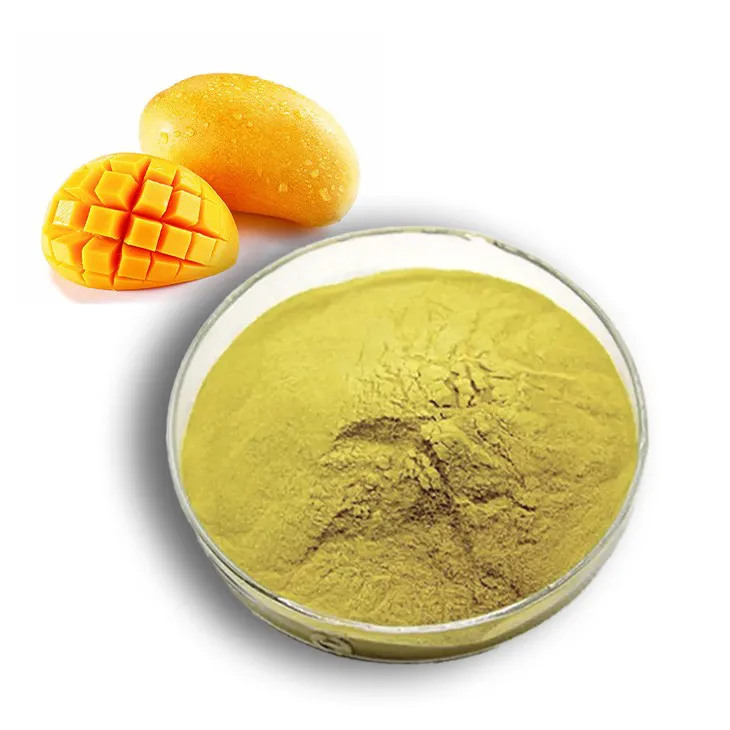
Mango flavored powder
2026-08-17
-
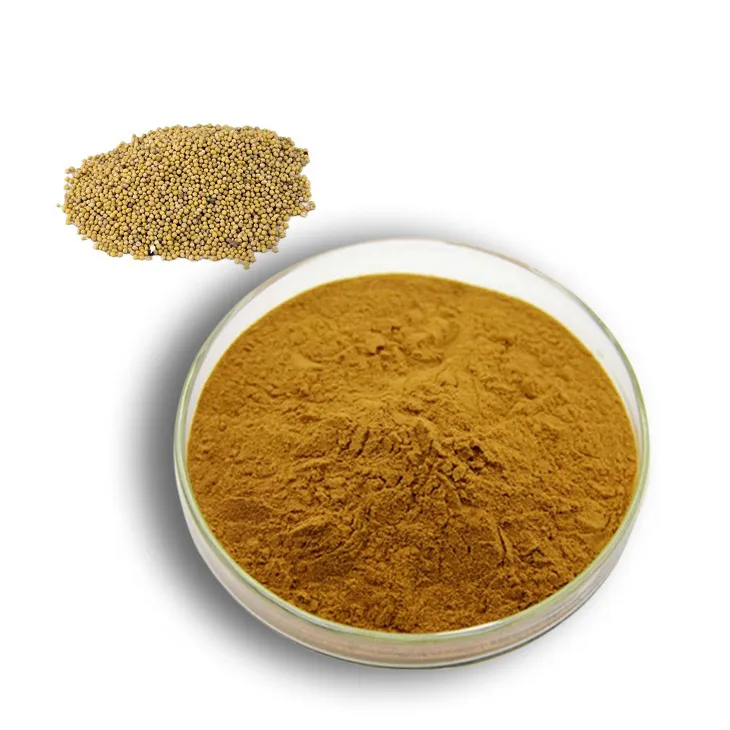
White mustard seed extract
2026-08-17
-
Polygonum Cuspidatum Extract
2026-08-17
-
Selenium yeast
2026-08-17
-
Oyster Mushroom Extract Powder
2026-08-17
-
Plantain extract
2026-08-17
-
Phosphatidylserine
2026-08-17
-
Genistein
2026-08-17
-
Calendula Extract
2026-08-17
-
Resveratrol
2026-08-17
