- 0086-571-85302990
- [email protected]






How does a rosemary extract supplement support antioxidant health?
2026-08-17
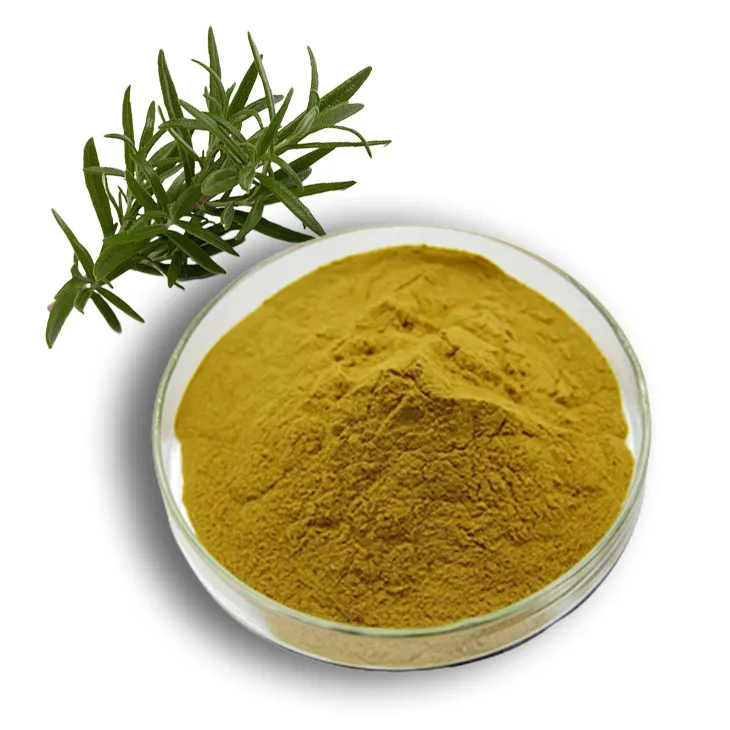
If you have ever opened the spice rack to reach for a sprig of fresh rosemary for your roast or stew, you may not have given much thought to what is packed inside those fragrant green leaves. Yet behind its familiar culinary role, rosemary is one of the most studied herbs in the natural health world, and the reason almost always comes back to the same word: antioxidants. More and more people are now reaching for a rosemary extract supplement as a simple, food-grade way to support the body's own antioxidant defenses. This article looks at how that supplement actually works, which active compounds do the heavy lifting, and what to look for when you choose one.
Antioxidants matter because your cells are under constant attack. As your body turns food into energy, and as you are exposed to sunlight, pollution, smoking or stress, unstable molecules known as free radicals are generated. Left unchecked, high levels of these reactive oxygen species can damage proteins, fats and even DNA in a process called oxidative stress. Over time, this damage is linked to signs of aging and to the health of your heart, skin and immune system. This is where plant polyphenols step in: they donate electrons to neutralise free radicals and quiet down the oxidation reaction before it can spread.
Why Rosemary Is Special
Rosemary, botanically Salvia rosmarinus (formerly Rosmarinus officinalis), owes its antioxidant reputation to a rare concentration of phenolic compounds. The two best-known are carnosic acid and rosmarinic acid, joined by carnosol and a family of related diterpenes and flavonoids. What makes rosemary stand out among common kitchen herbs is that carnosic acid is a lipid-soluble antioxidant that can slip into cell membranes and protect them from the inside, working alongside the water-soluble rosmarinic acid to give broad-spectrum coverage. Together these compounds scavenge free radicals, reduce protein carbonylation, and help protect collagen and elastin from oxidative wear.
The antioxidant activity also extends to antiglycative effects. Glycation is the process by which sugar molecules bind to proteins and form harmful advanced glycation end-products (AGEs) that accumulate over time and contribute to skin aging and tissue stiffness. Research suggests that rosmarinic acid can reduce the reactive intermediates in this pathway and even help break AGE-protein crosslinks, an ability that has made rosemary a popular ingredient in both dietary supplements and cosmetic formulations.
More Than a Single Ingredient
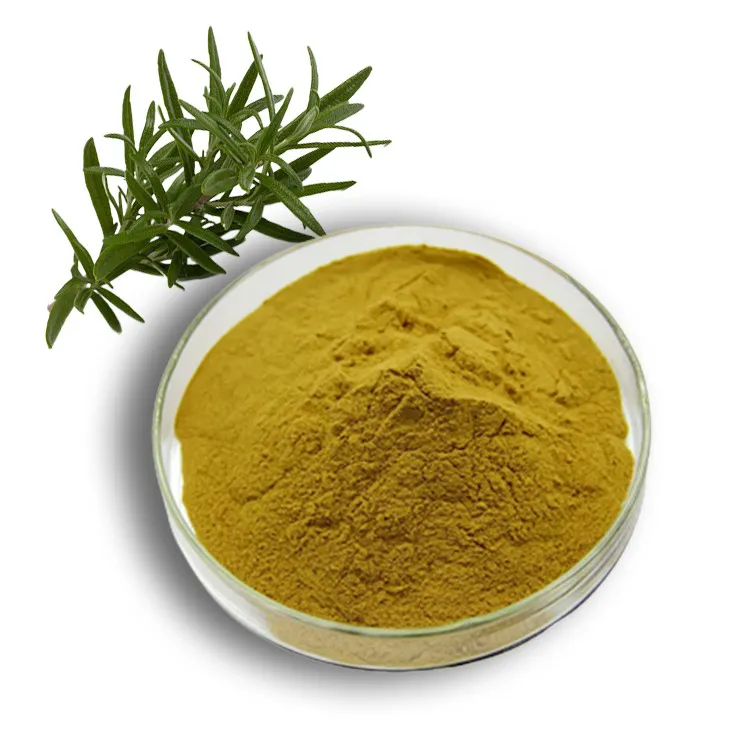
A supplement is only as good as the raw material behind it, and this is where origin matters. Because the beneficial compounds are concentrated in the leaves, manufacturers select high-quality rosemary leaf material and use careful extraction to preserve the synergistic combination of active molecules rather than isolating just one. This matters for a practical reason: the polyphenols work together, and an extract that keeps the full natural balance tends to give more consistent antioxidant activity than a single purified compound on its own.
For formulators, sourcing stable, traceable Rosemary extract with a defined concentration of active constituents makes it far easier to build dependable end products, whether that is a daily antioxidant supplement, a functional food ingredient, or a cosmetic active. Working with an experienced rosemary extract supplier who can document purity, heavy-metal limits, and regulatory compliance reduces guesswork during product development.
How to Choose a Quality Rosemary extract
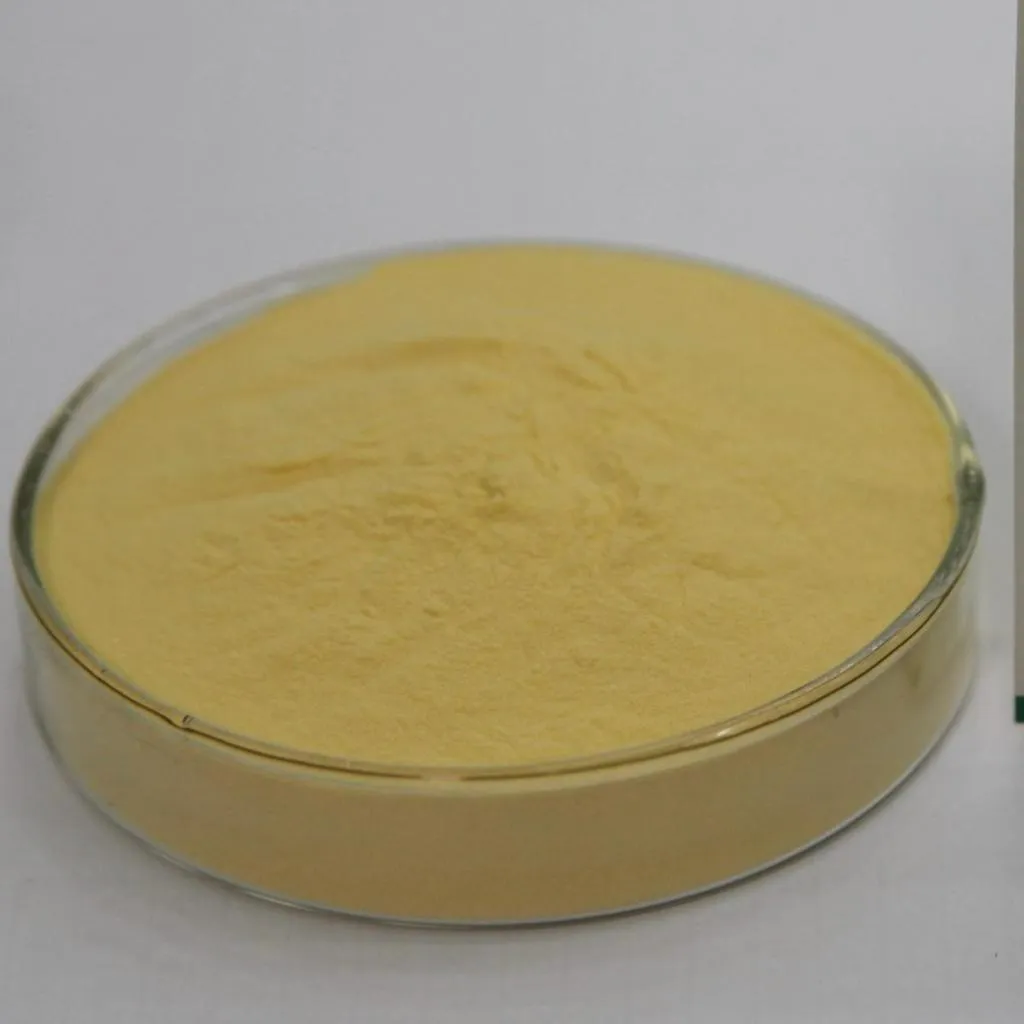
If you are shopping for a supplement, a few practical checks go a long way. Look for an extract that states the content of its main active markers, typically rosmarinic acid and carnosic acid, rather than an ingredient list that simply says "rosemary." Prefer products sourced from manufacturers with recognized certifications such as ISO22000, BRCGS, SGS-GMP, HALAL and Kosher, because these provide independent evidence of hygienic, consistent production. It is also worth confirming that the extract is produced in a clean facility and comes with a certificate of analysis so you know exactly what you are consuming.
For businesses, brand owners and nutraceutical companies, the same principles apply on a larger scale. A reliable plant-extract partner should offer documented raw materials, stable supply, batch-to-batch consistency, and the export documentation needed for regulatory submission around the world. That kind of partnership turns a simple botanical raw material into a dependable launching point for your own formulations.
Supporting Antioxidant Health, the Natural Way
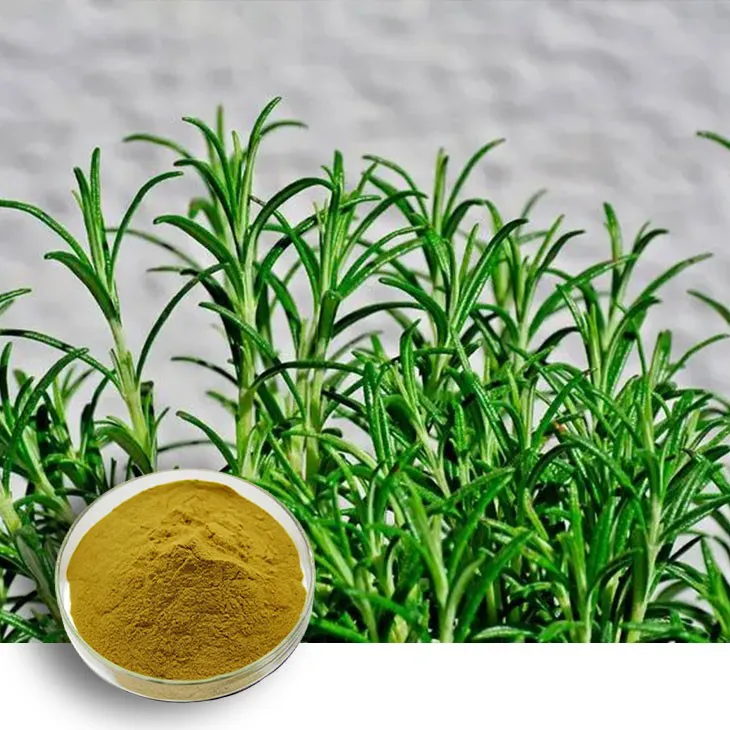
No single supplement replaces a balanced lifestyle, but adding a well-chosen Rosemary extract is a sensible, evidence-backed way to reinforce the body's day-to-day antioxidant defense. Its polyphenols neutralise free radicals, protect the proteins that keep skin and tissues supple, and even help slow the unwanted glycation aging pathway. When the extract is produced from clean, high-quality leaf material and standardized to a meaningful concentration of active compounds, a simple herb from the spice rack becomes a genuinely useful ally for long-term wellness.
Whether you are a health-conscious consumer or a manufacturer looking to add a proven botanical to your line, taking the time to understand what is actually in your rosemary extract is worth it. Choosing a supplier with genuine production depth and certified quality makes the antioxidant benefits of rosemary both reliable and repeatable.
- ▶ Hesperidin
- ▶ Citrus Bioflavonoids
- ▶ Plant Extract
- ▶ lycopene
- ▶ Diosmin
- ▶ Grape seed extract
- ▶ Sea buckthorn Juice Powder
- ▶ Fruit Juice Powder
- ▶ Hops Extract
- ▶ Artichoke Extract
- ▶ Mushroom extract
- ▶ Astaxanthin
- ▶ Green Tea Extract
- ▶ Curcumin
- ▶ Horse Chestnut Extract
- ▶ Other Product
- ▶ Boswellia Serrata Extract
- ▶ Resveratrol
- ▶ Marigold Extract
- ▶ Grape Leaf Extract
- ▶ New Product
- ▶ Aminolevulinic acid
- ▶ Cranberry Extract
- ▶ Red Yeast Rice
- ▶ Red Wine Extract
- ▶ blog
-
Yam Extract
2026-08-17
-
Green coffee bean Extract
2026-08-17
-
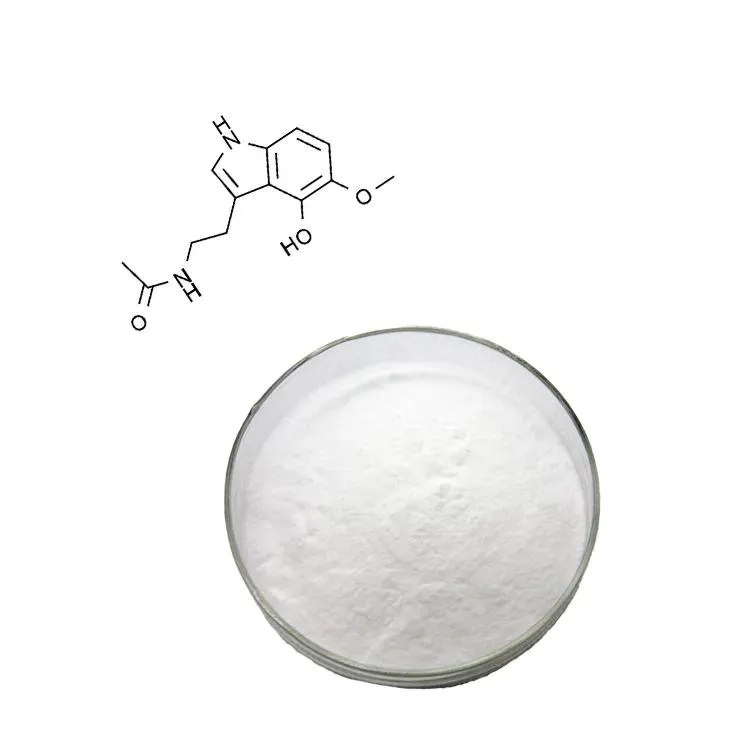
melatonin
2026-08-17
-
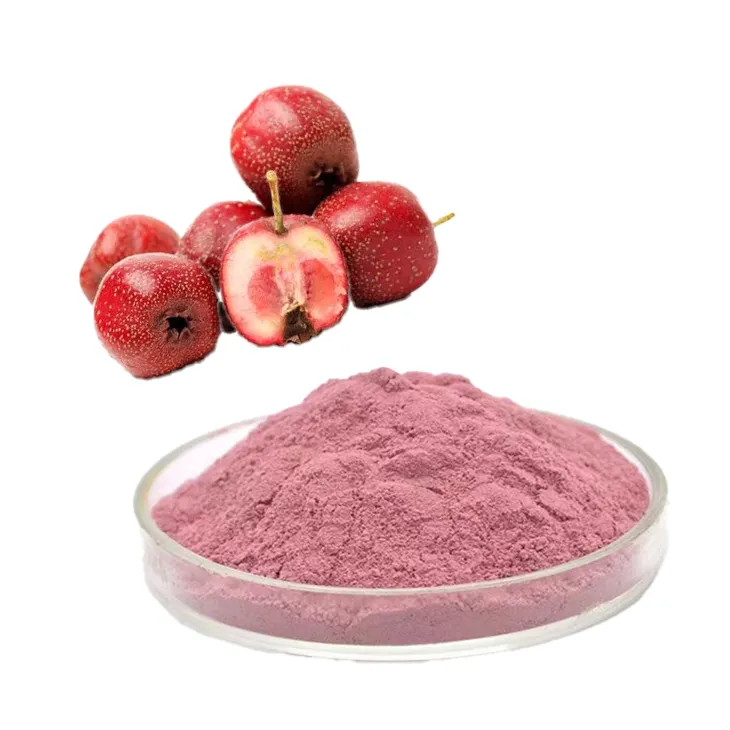
Hawthorn powder
2026-08-17
-
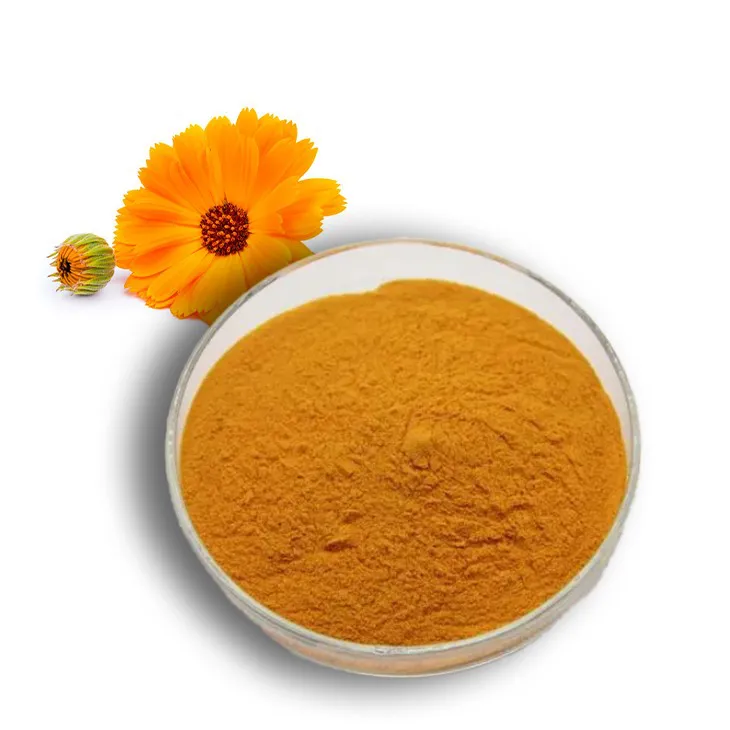
Calendula Extract
2026-08-17
-
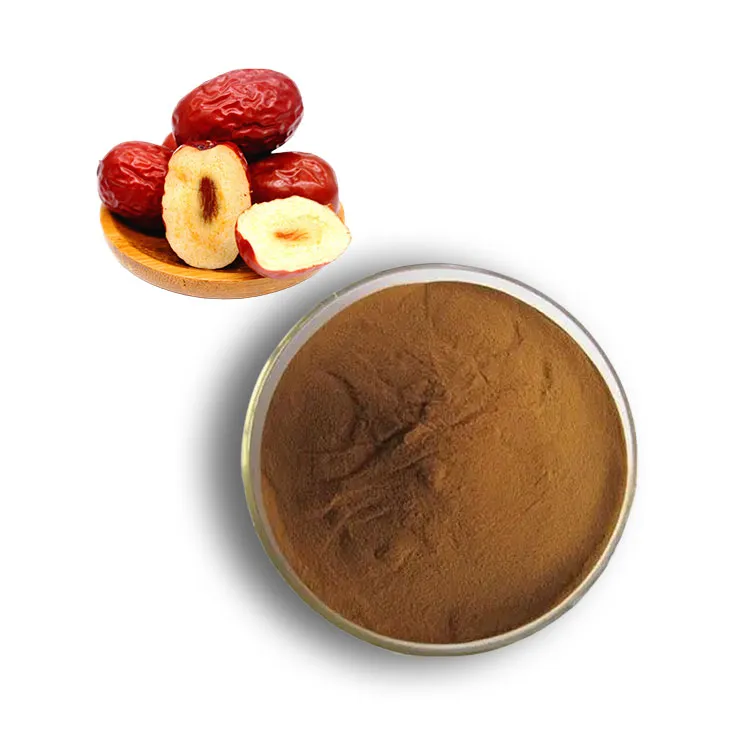
Red Date Extract
2026-08-17
-
Sugarcane Extract
2026-08-17
-
Shikonin
2026-08-17
-
Aguaje Extract
2026-08-17
-
Sea buckthorn oil
2026-08-17
