- 0086-571-85302990
- [email protected]




How do the top resveratrol brands differ in formulation?
2026-08-14
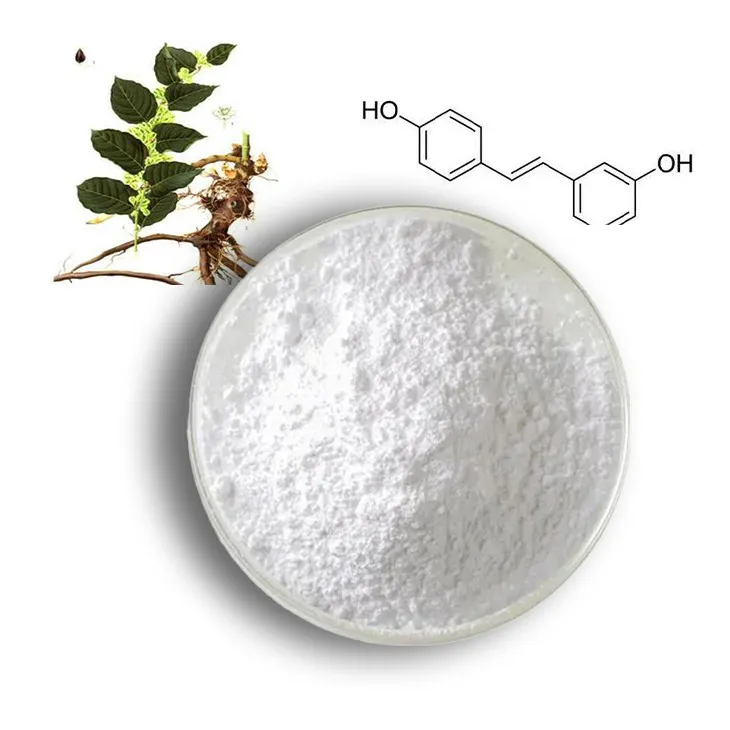
Walk into any supplement aisle or scroll through an online store and you will find dozens of bottles labelled simply "resveratrol." Look a little closer, however, and the products could hardly be more different. The same ingredient name hides a wide range of purity levels, sources, delivery systems, doses and support ingredients. Understanding how the top resveratrol manufacturer and the brands that buy from them approach formulation is the key to choosing a product that actually does what its label promises.
Resveratrol is a polyphenol antioxidant found naturally in grapes, berries, peanuts and red wine. It has been widely studied for its potential to support heart health and healthy aging, and it is one of the most talked-about ingredients in the wellness industry. Yet because the compound is available in so many grades, the differences between one product and another can be greater than the differences between many entirely separate supplements. This article breaks down the five formulation choices that separate top-tier resveratrol products from the rest, and explains what to look for whether you are buying a finished supplement or sourcing bulk raw material.
1. Purity and isomer profile
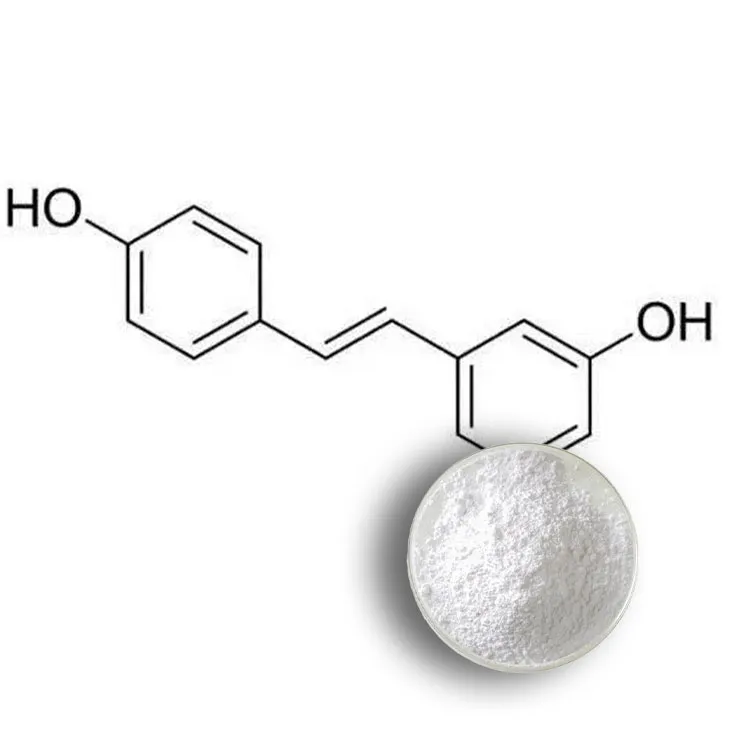
The single most important difference between resveratrol products is purity. Resveratrol exists in two forms, or isomers: the biologically active trans-resveratrol and the far less active cis-resveratrol. A product that lists "500 mg resveratrol" on its label may contain only a fraction of that amount in the form that matters. High-quality products clearly state their trans-resveratrol percentage, typically 95 percent or higher, and the best manufacturers deliver 98 to 99 percent trans-isomer. If a label does not state the percentage, it is often because the extract is lower-grade. For this reason, responsible brands treat the trans-resveratrol percentage as a headline number rather than fine print.
2. Source of the raw material
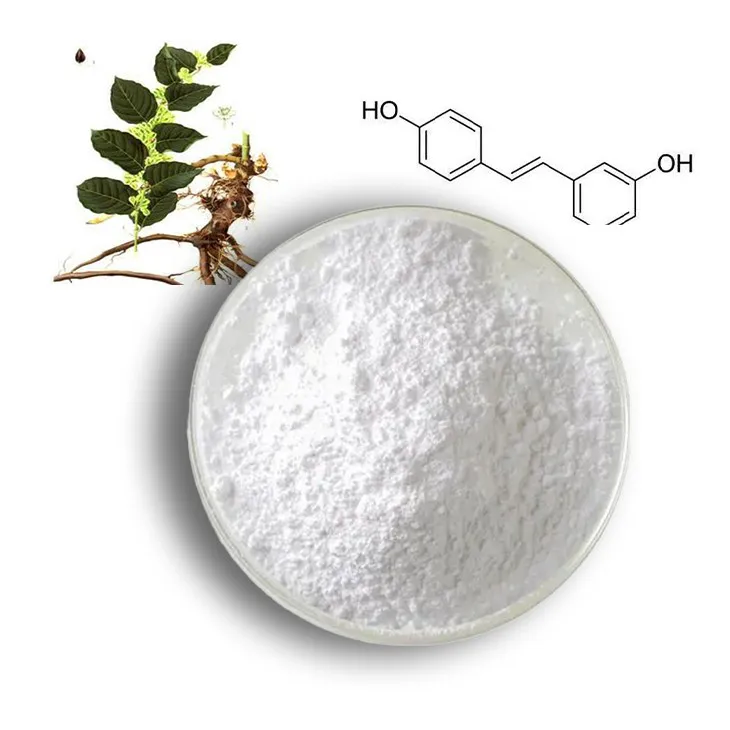
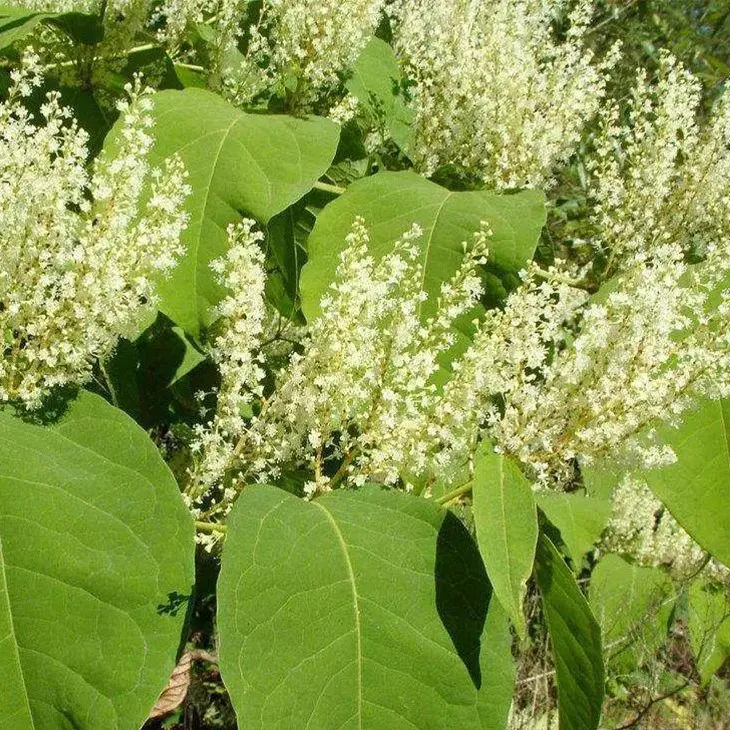
Top resveratrol products are almost always made from either Japanese knotweed (Polygonum cuspidatum) or grape-derived material. Japanese knotweed is the preferred source for most high-quality supplements because it naturally yields much higher concentrations of trans-resveratrol and is more consistent to process at scale. Grape-derived extracts are often marketed as more "natural," but the molecule is chemically identical regardless of source, and grape material is far harder to concentrate into therapeutic doses. The sourcing choice therefore affects purity, cost and consistency far more than the quality of the final molecule itself.
3. Dosage per serving
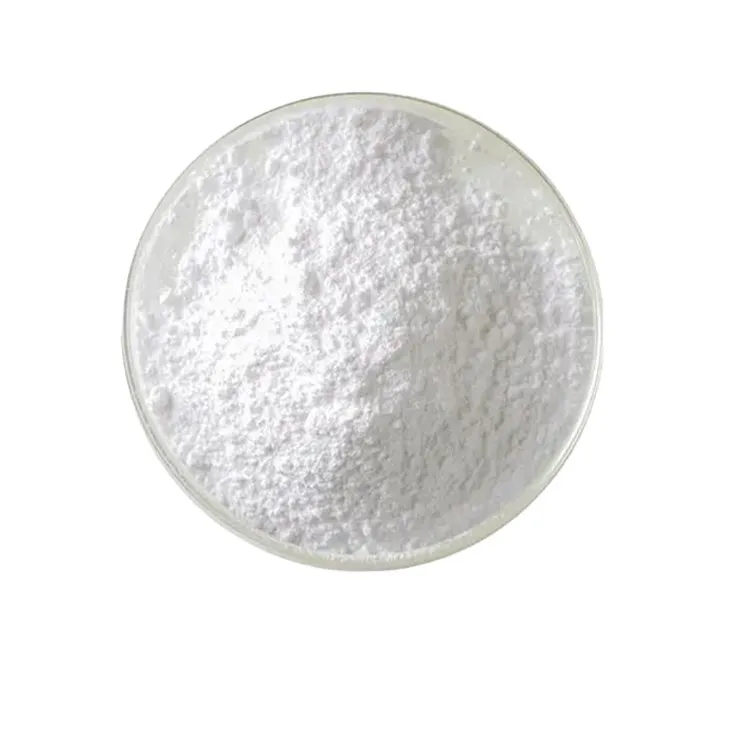
Doses across the market range from roughly 100 mg to 1,000 mg per serving, but a higher number is not automatically better. Because the active fraction depends on purity, a 300 mg dose of 98 percent trans-resveratrol can deliver more active compound than a 500 mg dose of a low-grade extract. The best products pair a meaningful dose with a clearly stated purity figure, so the buyer can calculate the actual amount of trans-resveratrol in every serving. This transparency is what separates reputable brands from those that rely on inflated milligram counts.
4. Delivery system and bioavailability
Resveratrol is notoriously quickly metabolized, which means much of an oral dose may never reach the bloodstream. This is why the top formulations differ so much in their delivery approach. Some use micronized powder to improve surface area, others add absorption enhancers such as BioPerine, and a growing number use liposomal encapsulation to protect the compound as it travels through the digestive tract. A lower-dose product with a strong delivery system can outperform a higher-dose product with poor absorption. This is one of the most common reasons two products with the same label strength produce very different results.
5. Support ingredients and testing standards
The final major difference is what else is in the formula. Some products stay single-ingredient, while others add complementary antioxidants such as Grape Seed Extract, green tea, Quercetin or even NMN to support cellular energy. Neither approach is objectively better; it depends on the intended use. What should never vary is quality control. Leading brands insist on heavy-metal screening, contaminant testing and independent analysis of the trans-isomer content, and they are willing to show the results. The most reliable resveratrol bulk powder suppliers publish their test data and can document every batch.
What to ask before you buy
Whether you are choosing a finished supplement for personal use or sourcing raw material for your own brand, a few direct questions will reveal the quality of any resveratrol product. Ask for the exact trans-resveratrol percentage and the analytical method used to verify it. Ask where the raw material comes from and whether it is Japanese knotweed or grape derived. Ask about the delivery system and whether any absorption enhancer is included. Ask for third-party test reports covering heavy metals and contaminants. A brand that answers all four questions clearly, with documents to back up its claims, is almost always a better best resveratrol brand than one that stays vague.
Why formulation quality starts with the supplier
Behind every well-formulated resveratrol product is a disciplined raw-material supplier. Greensky, a Hangzhou-based manufacturer of natural plant extracts with more than two decades of experience, produces resveratrol extract alongside a broad portfolio that includes Grape Seed Extract, Curcumin, Green Tea Extract and dozens of other botanical ingredients. Its vertically integrated operations combine in-house research, clean production facilities and independent laboratory testing with instruments such as HPLC, so purity and consistency are controlled from the plant to the finished batch. For brands that need reliable, documented resveratrol raw material, partnering with a manufacturer that can verify purity at every step removes the guesswork from the entire formulation process.
Conclusion
The top resveratrol products differ in formulation in five meaningful ways: purity and isomer profile, source material, dose, delivery system, and support ingredients. A label that simply says "resveratrol" tells you almost nothing; the details underneath determine whether the product delivers the active compound the way it should. By focusing on the trans-resveratrol percentage, the source, the delivery approach and verifiable testing, you can find a product that meets your needs, and ensure the raw material behind it comes from a supplier you can trust.
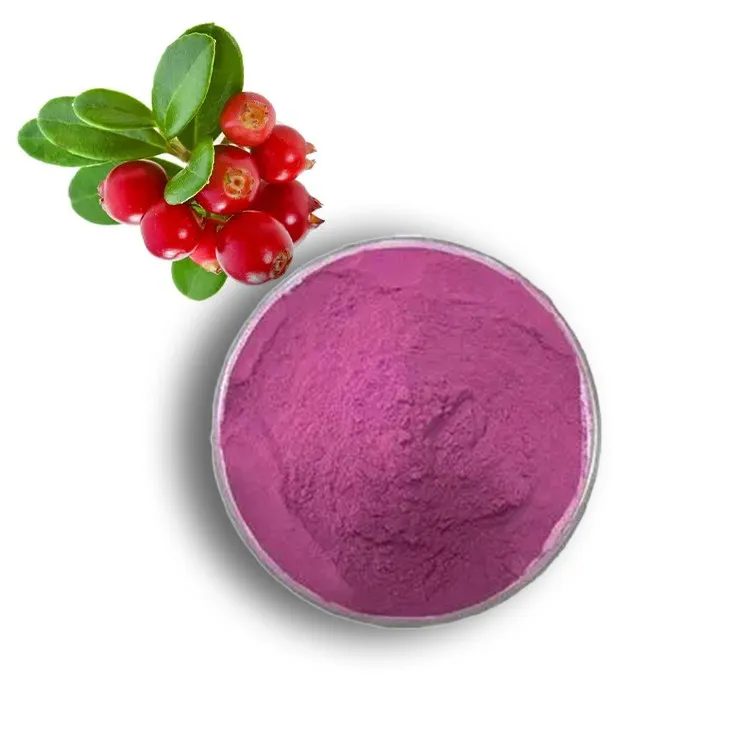
- ▶ Hesperidin
- ▶ Citrus Bioflavonoids
- ▶ Plant Extract
- ▶ lycopene
- ▶ Diosmin
- ▶ Grape seed extract
- ▶ Sea buckthorn Juice Powder
- ▶ Fruit Juice Powder
- ▶ Hops Extract
- ▶ Artichoke Extract
- ▶ Mushroom extract
- ▶ Astaxanthin
- ▶ Green Tea Extract
- ▶ Curcumin
- ▶ Horse Chestnut Extract
- ▶ Other Product
- ▶ Boswellia Serrata Extract
- ▶ Resveratrol
- ▶ Marigold Extract
- ▶ Grape Leaf Extract
- ▶ New Product
- ▶ Aminolevulinic acid
- ▶ Cranberry Extract
- ▶ Red Yeast Rice
- ▶ Red Wine Extract
- ▶ blog
-
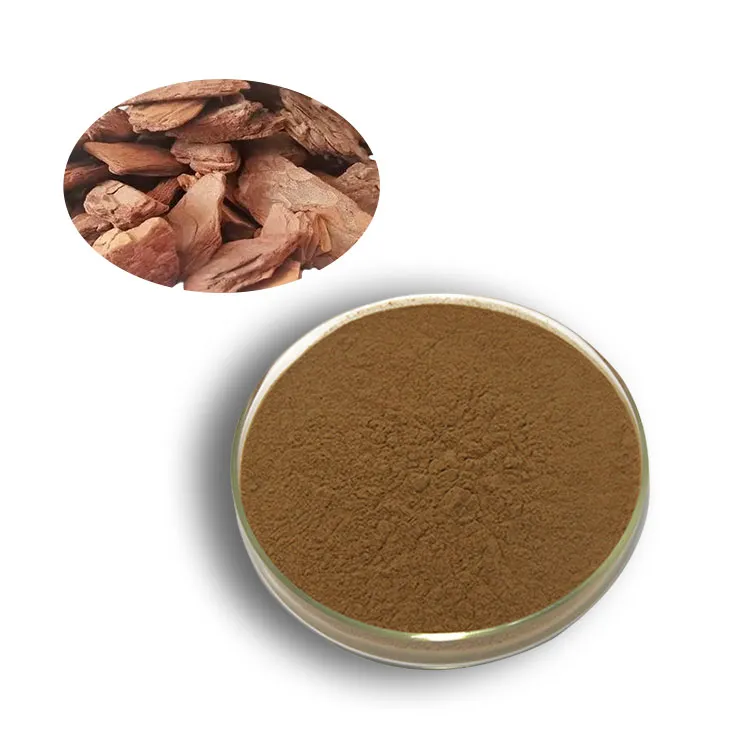
Pine bark Extract Powder
2026-08-14
-
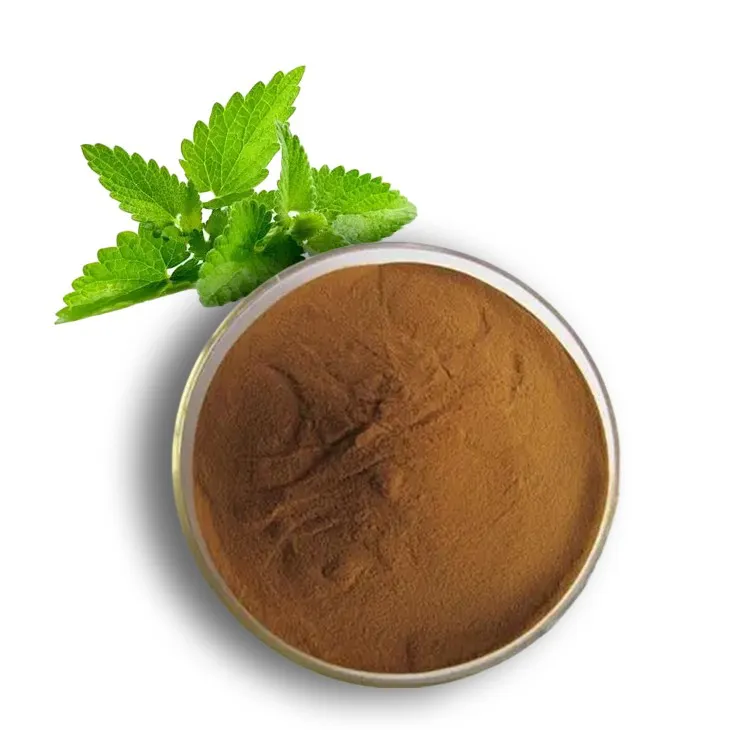
Peppermint Extract Powder
2026-08-14
-
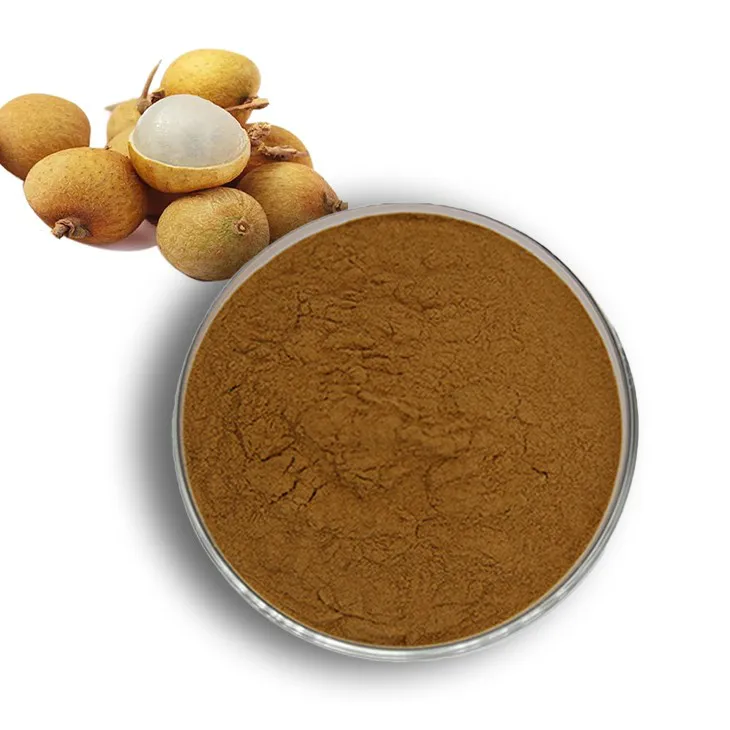
Longan Extract
2026-08-14
-
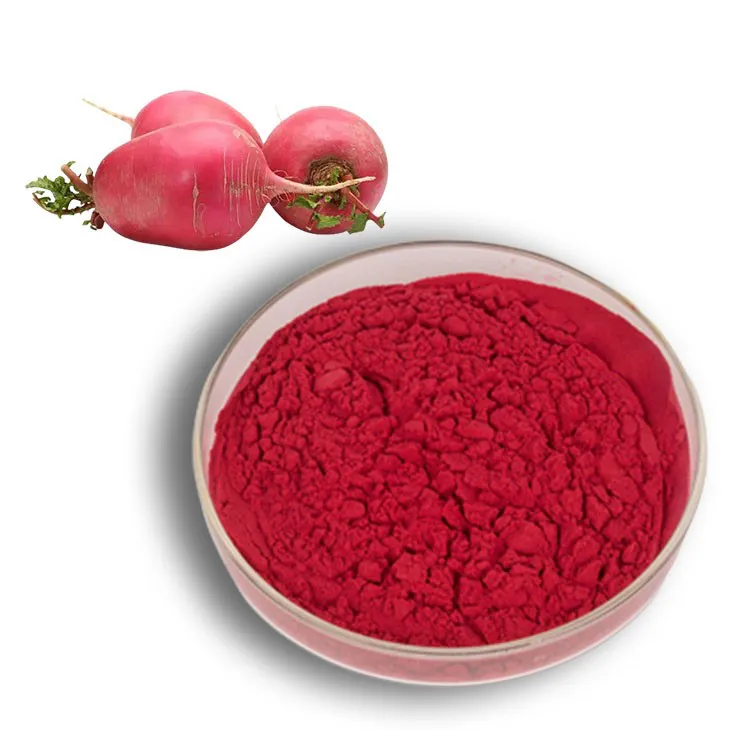
Beetroot Powder
2026-08-14
-
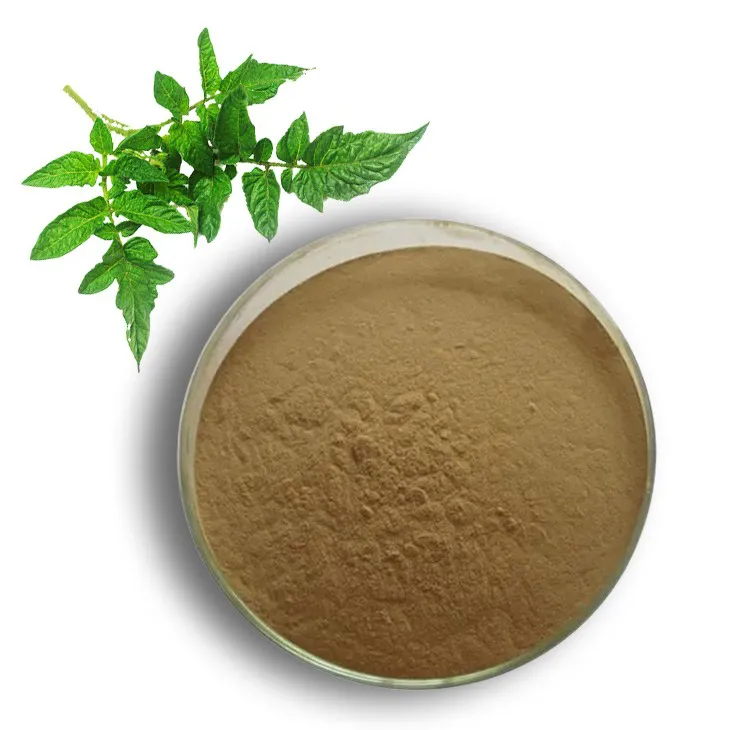
Senna Leaf Extract
2026-08-14
-
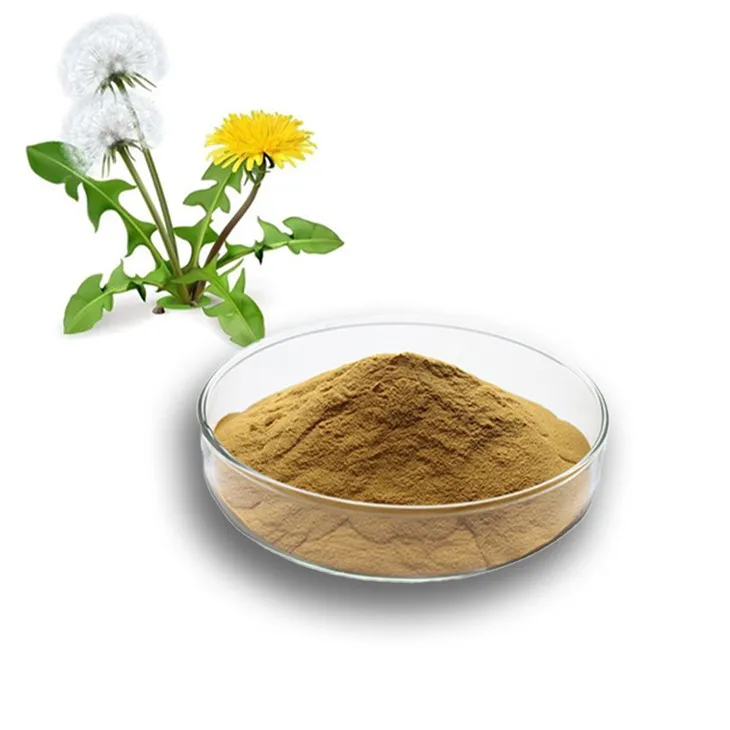
Dandelion Leaf Extract
2026-08-14
-
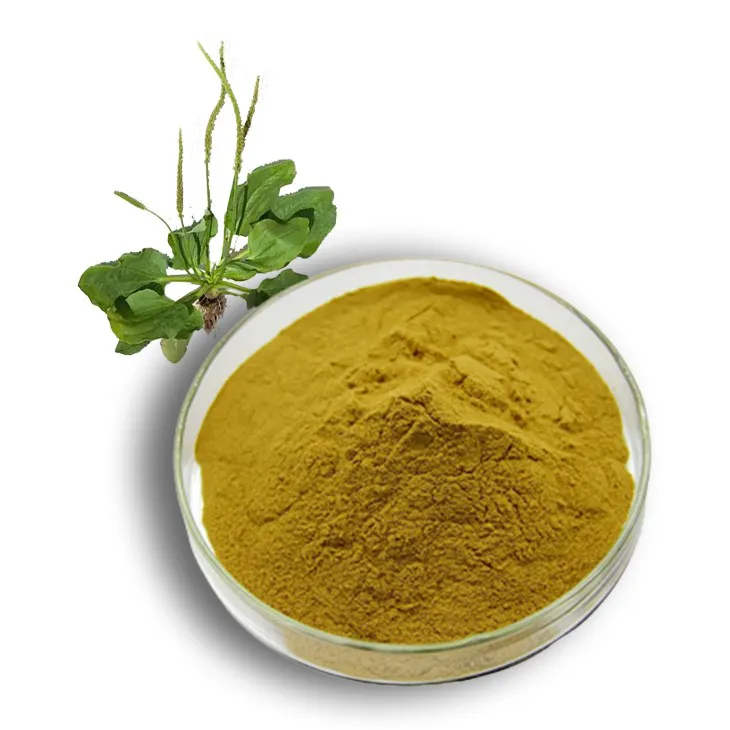
Plantain extract
2026-08-14
-
Angelica sinensis extract
2026-08-14
-
Hawthorn Extract
2026-08-14
-
Citrus bioflavonoids
2026-08-14