- 0086-571-85302990
- [email protected]






How do plant extracts for cosmetics compare with synthetic colorants?
2026-08-14
Walk down any beauty aisle today and you will see the same promise repeated on label after label: "natural color," "plant-based," "clean formula." Behind that promise sits a practical decision every formulator and brand owner has to make. Should a lipstick get its red from a synthetic dye, or from a plant extract? The answer is rarely as simple as "natural is always better." This article compares plant extracts and synthetic colorants across the factors that actually matter in cosmetic manufacturing, so you can choose with confidence.
Why synthetic colorants still dominate
Synthetic dyes have been the workhorse of the cosmetics industry for decades, and for good reason. They are inexpensive to produce in bulk, remarkably stable under heat, light, and pH changes, and they deliver vivid, reproducible shades batch after batch. A manufacturer can order the same blue or red tomorrow and get an identical result, which keeps quality control simple.
That reliability comes with trade-offs. A growing body of research points to the irritating and sensitizing potential of certain synthetic dyes, and some have been linked to concerns about long-term exposure. Synthetic colorants also carry an environmental footprint, from the chemistry used to produce them to the wastewater they leave behind. At the same time, regulators in the EU, the United States, and Asia are tightening the rules on which synthetic colorants can be used, and in what amounts. For many brands, the compliance picture is becoming harder to navigate, not easier.
What plant extracts bring to the formula
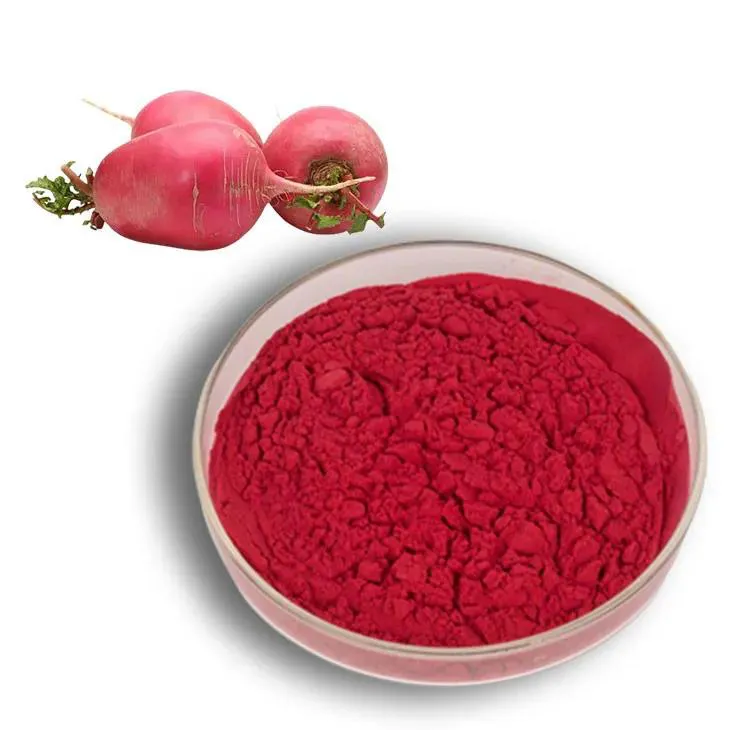
Plant extracts color cosmetics using the same pigments plants use to color themselves. Anthocyanins from berries deliver reds, purples, and blues. Carotenoids such as lutein and Lycopene provide yellows, oranges, and reds. Betalains from beetroot give a deep pink to red. Curcumin from turmeric supplies a warm yellow. These pigments are not just color; they are biologically active molecules.
That is the key difference from a synthetic dye. A plant-based colorant can simultaneously act as an antioxidant, an anti-inflammatory, and a skin-conditioning ingredient. Studies on flower and fruit extracts used as cosmetic dyes have shown antioxidant activity, the ability to inhibit enzymes that break down collagen and elastin, and no toxic effect on skin cells. In other words, the colorant earns its place in the formula twice: it colors the product and contributes to its skin benefits. This is why plant extracts for skin care have moved from a niche ingredient to a mainstream choice for beauty brands.
Head-to-head: plant extracts vs. synthetic colorants
| Factor | Plant extracts | Synthetic colorants |
|---|---|---|
| Stability | Sensitive to pH, UV, and temperature; improved by antioxidants and encapsulation | Very stable across heat, light, and pH |
| Skin safety | Generally well tolerated; low sensitization risk | Some dyes are known irritants or sensitizers |
| Functionality | Adds antioxidant and skin-care benefits | Color only; no active benefit |
| Shade range | Rich earthy, botanical tones; batch variation possible | Wide, vivid, highly reproducible range |
| Cost | Higher raw-material cost; sourcing and testing add expense | Lower cost at scale |
| Regulatory pressure | Fewer restrictions; aligns with clean-label claims | Increasing restrictions and documentation demands |
| Environmental impact | Renewable, biodegradable, lower production footprint | Petrochemical-derived; waste and disposal concerns |
Popular plant colorants and where they shine
Not every plant extract suits every application, so it helps to match the pigment to the product. Marigold flowers are a rich source of lutein and zeaxanthin, making marigold extract a dependable yellow-to-orange colorant for lip tints, creams, and sun-care lines. Beetroot powder delivers a natural pink-red from betalains and works well in blushes and tinted balms. Turmeric and Curcumin extracts add a warm yellow with anti-inflammatory appeal. Tomato-derived Lycopene brings a red-orange hue that is also prized for its antioxidant profile, which is why lycopene for skin has become a popular talking point in anti-aging formulations.
Berry extracts such as elderberry, bilberry, and pomegranate contribute anthocyanin-based reds and purples along with polyphenols that support the formula's antioxidant story. Sea buckthorn and rosehip extracts bring carotenoid color plus nourishing fatty acids and vitamin C, making them a natural fit for serums and face oils. The common thread is that these ingredients pull double duty, coloring the product while supporting its skin-care claims.
The stability question, honestly answered
The most common objection to plant-based colorants is stability. Natural pigments can fade or shift color when exposed to light, heat, or an unfavorable pH. This is a real challenge, but it is also a solvable one. Whole-plant extracts are more stable than isolated pigments because they carry their own protective antioxidants, which slow oxidation and help the color hold under UV exposure. Formulators can further protect color with encapsulation, pH adjustment, and careful packaging that limits light.
The practical takeaway is to test the extract in your actual formula, under your real storage conditions, rather than assuming it will behave like a synthetic dye. A well-designed stability study early in development prevents unpleasant surprises at launch.
Choosing a supplier you can rely on
Because plant extracts are natural products, their quality varies with the raw material, the season, and the extraction process. A dependable supplier makes that variation manageable. Look for a manufacturer with its own production facilities, documented quality systems, and the certifications your target markets require, such as ISO, HALAL, Kosher, or organic standards. Independent laboratory testing and batch-to-batch consistency data matter just as much as the certificate itself.
A manufacturer that controls the full chain, from raw botanical sourcing through extraction, concentration, and spray drying, can offer tighter specifications and better traceability. That is the difference between buying a commodity powder and buying a colorant you can build a brand on.
Making the call
There is no universal winner in the plant-versus-synthetic debate. Synthetic colorants remain the right choice when you need extreme stability, a very specific vivid shade, or the lowest possible cost. Plant extracts win when your brand is built on natural, clean-label positioning, when you want the colorant to contribute skin benefits, or when you need to reduce regulatory and environmental exposure.
Many successful brands now use a hybrid approach, anchoring their hero shades with plant extracts and reserving synthetics for accents where stability is non-negotiable. Whatever route you take, the decision should be based on data, not marketing. Test the colorant in your formula, verify the supplier's credentials, and let the results guide you.
- ▶ Hesperidin
- ▶ Citrus Bioflavonoids
- ▶ Plant Extract
- ▶ lycopene
- ▶ Diosmin
- ▶ Grape seed extract
- ▶ Sea buckthorn Juice Powder
- ▶ Fruit Juice Powder
- ▶ Hops Extract
- ▶ Artichoke Extract
- ▶ Mushroom extract
- ▶ Astaxanthin
- ▶ Green Tea Extract
- ▶ Curcumin
- ▶ Horse Chestnut Extract
- ▶ Other Product
- ▶ Boswellia Serrata Extract
- ▶ Resveratrol
- ▶ Marigold Extract
- ▶ Grape Leaf Extract
- ▶ New Product
- ▶ Aminolevulinic acid
- ▶ Cranberry Extract
- ▶ Red Yeast Rice
- ▶ Red Wine Extract
- ▶ blog
-
Tongkat Ali Extract Powder
2026-08-14
-
Carrageenan Extract Powder
2026-08-14
-
Lavender Extract
2026-08-14
-
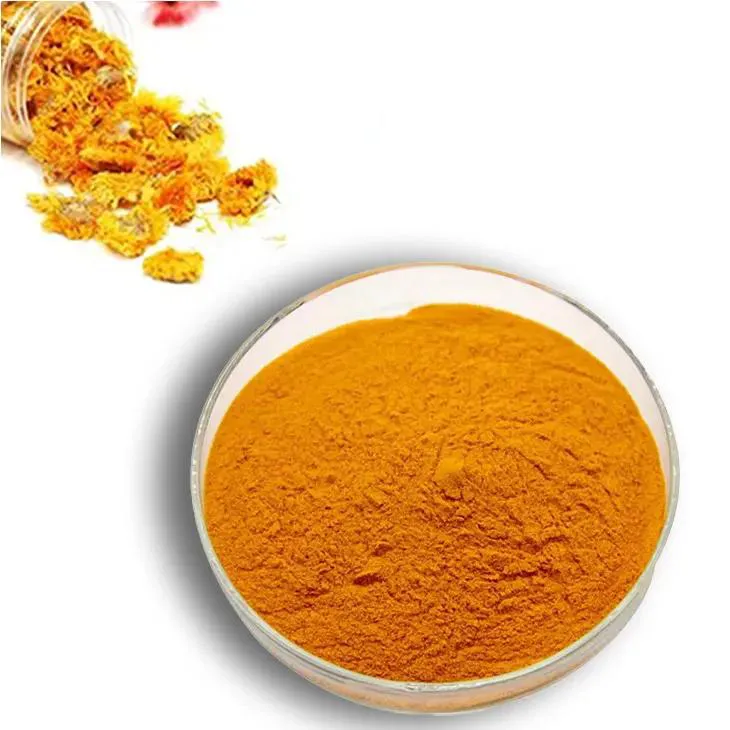
Marigold Extract
2026-08-14
-
Lily extract
2026-08-14
-
Hawthorn Extract
2026-08-14
-
Saffron Extract Powder
2026-08-14
-
Angelica sinensis extract
2026-08-14
-
Clove Powder
2026-08-14
-
Shikonin
2026-08-14
