- 0086-571-85302990
- [email protected]






How do I order green tea extract in bulk from a wholesaler?
2026-08-16
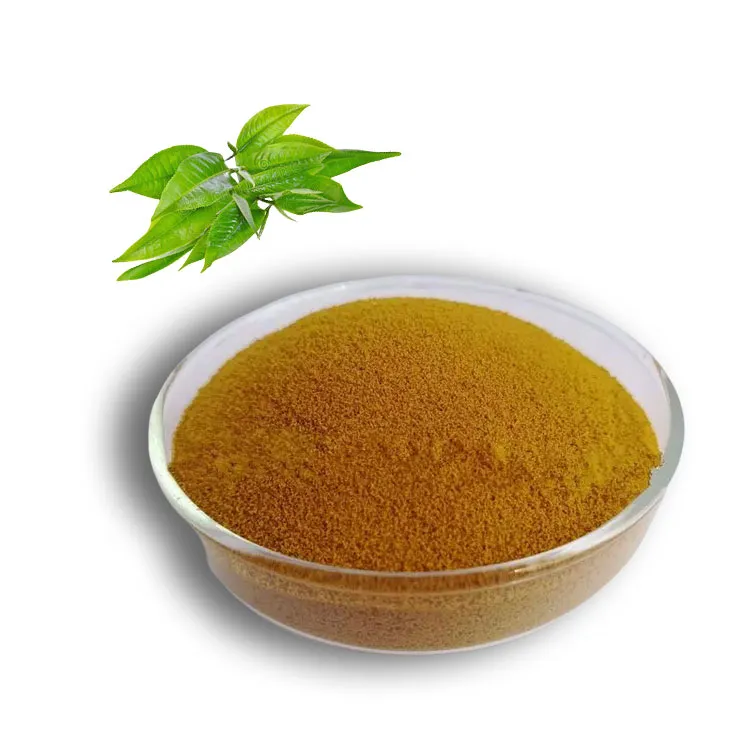
Green Tea Extract is one of the most widely used botanical ingredients in the dietary supplement, functional food, and personal care industries. Whether you are a supplement brand owner, a contract manufacturer, or a sourcing manager, buying it in bulk from a wholesaler can save you money and keep your supply chain stable. But ordering large quantities of any plant extract is not as simple as pushing a button. You need to know exactly what you are buying, who you are buying it from, and what to check before the goods leave the factory.
This guide walks you through the bulk ordering process step by step, so you can place your first order with confidence and avoid the costly mistakes that many buyers make.
Step 1: Define the specification you actually need
Before you contact any green tea extract supplier, you should know precisely which specification fits your end product. Green Tea Extract is standardized mainly by its active compounds, and the two numbers buyers most often mix up are total polyphenols and EGCG.
EGCG (epigallocatechin-3-gallate) is the primary bioactive catechin in green tea and the compound most closely linked to the ingredient's antioxidant and metabolic benefits. A powder labeled "50% polyphenols" does not mean it contains 50% EGCG. To make sure you are getting what you pay for, always specify the EGCG percentage, not just total polyphenols, and ask your supplier to confirm it on a batch-specific certificate of analysis (COA).
You should also decide on a few other parameters in advance:
- Grade: standard food grade (roughly 25–40% EGCG) suits beverages and cosmetics, while a higher-potency supplement grade (around 40–50% EGCG) is common for capsules and tablets.
- Caffeine level: standard, low-caffeine, or decaffeinated, depending on whether your target customers are caffeine-sensitive.
- Extraction method: hot water, ethanol, or more advanced methods each leave different solvent residue profiles, so ask for the method and test data in writing.
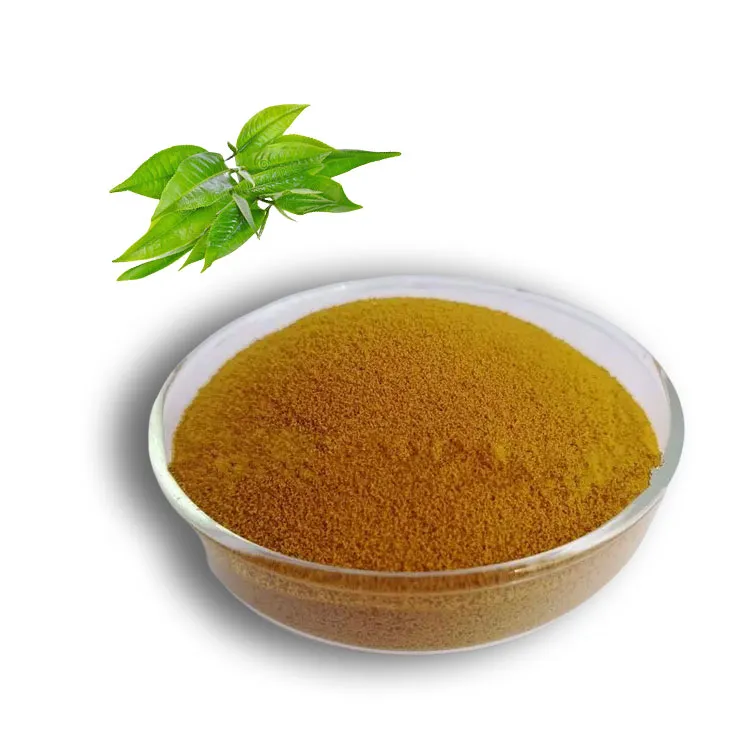
Step 2: Shortlist and qualify wholesalers
Not every business that sells Green Tea Extract manufactures it. Some are pure traders who buy from third parties and add a margin. Working directly with a manufacturer usually gives you better traceability, more consistent quality, and more room to negotiate on price and custom specifications.
When you shortlist candidates, look for signs that they are genuine producers rather than middlemen. A real manufacturer can usually show you its production facility, its own quality-control laboratory, and the certifications it holds. Credible plant extract manufacturers in China typically maintain food-safety and quality certifications such as ISO22000, ISO9001, BRCGS, HALAL, and Kosher, and they often have export registration for global regulatory submissions. If a supplier cannot produce a convincing picture of its own factory and lab, treat that as a warning.
One useful way to separate serious wholesalers from resellers is to check their production depth. A company that controls research, development, and manufacturing in-house, with a clean production area and advanced equipment such as extraction tanks, concentrators, and spray-drying towers, is far better positioned to guarantee consistent batch-to-batch quality than a small trading desk.
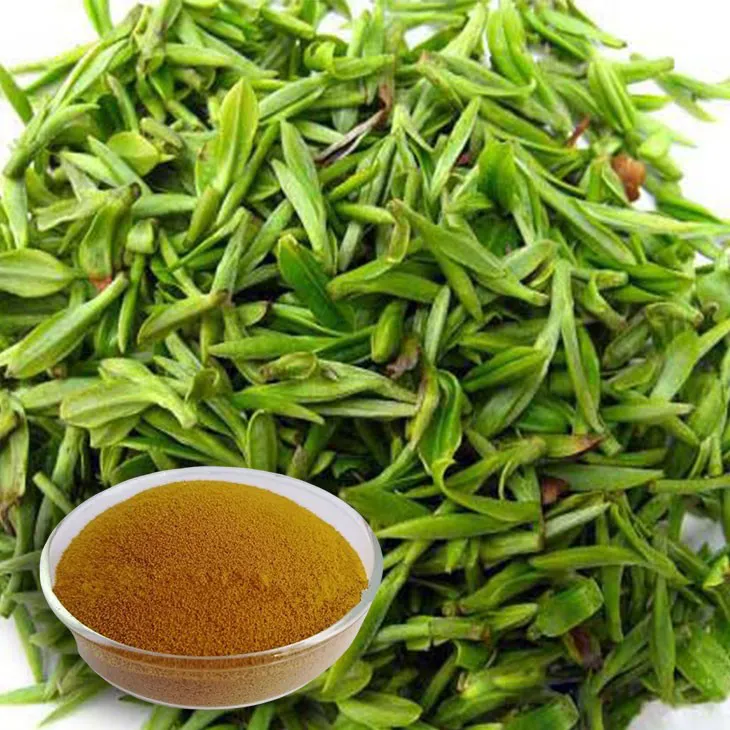
Step 3: Request samples and test them
Never place a bulk order on the strength of a supplier's website alone. Ask for a free sample first. For most extract suppliers, a sample can be sent within a few working days, often by express courier. While you wait, send the sample to an independent laboratory if your budget allows, and have the EGCG content, catechin profile, heavy metals, and moisture checked.
Testing the sample matters because the certificate you receive should match the actual material. If the sample's measured EGCG differs noticeably from the declared value, that is a red flag that the same discrepancy could appear in your full shipment. A small discrepancy is normal from batch to batch, but a large one is a reason to walk away.
Step 4: Confirm price, MOQ, packaging, and lead time
Once you are satisfied with the sample, move on to the commercial details. Ask for a written quotation that clearly states the unit price, the minimum order quantity (MOQ), the packaging format, and the production lead time. These four items are the backbone of any bulk purchase, and they should all be agreed in writing before you pay.
- MOQ: many wholesalers set a minimum in kilograms for bulk orders. Confirming this early avoids surprises and helps you plan your inventory.
- Packaging: standard export packaging for plant extracts is often a double food-grade bag inside a drum or carton. Confirm the pack sizes and how the material is sealed to protect it from moisture and light.
- Lead time: production and quality release usually take a defined number of working days after payment. Ask for a realistic lead time and factor it into your launch schedule.
Step 5: Place the order and agree payment terms
When you are ready to buy, send a formal purchase order that restates the specification, quantity, price, packaging, and delivery terms. For international trade, agree on the shipping terms (for example, FOB or CIF) and the payment method, which is commonly a bank transfer or letter of credit for larger orders.
A good supplier will confirm your order, issue a proforma invoice, and keep you updated as production moves forward. Choose a partner who communicates clearly and promptly. If you are buying green tea extract from China, for example, a factory with subsidiaries or branch offices in your region can make communication and after-sales support noticeably easier.
Step 6: Production, quality control, and shipping
After payment, the supplier produces your batch and runs quality control before release. Insist on receiving a batch-specific COA for the exact lot being shipped, not a generic product certificate. The COA should list the active compound content, heavy metals, moisture, and microbiological results, and it should be traceable to the lot number on your physical goods.
Shipping depends on volume. Smaller quantities are usually sent by express courier or air, which is fast but more expensive. Larger bulk orders are typically shipped by sea, which is more economical but takes longer. Agree on the shipping method and responsibilities in advance so both sides know who handles customs and freight costs.
Step 7: Check the goods on arrival
When the shipment arrives, do a quick receiving check before clearing the goods. Verify the lot number on the packaging matches the COA, confirm the quantity, and inspect the appearance of the powder. Store the extract in a cool, dry place away from direct sunlight to protect its potency, and keep the COA and shipping documents on file for your own quality records.
Why order from a manufacturer that has been at it for two decades
Experience shows up in the details. A company that has been researching and producing botanical ingredients since 2004 has had the time to refine its processes, build a proper quality system, and earn the trust of customers in regions such as Europe, the United States, South Korea, and Russia. Long-standing manufacturers usually operate their own clean production areas, run independent laboratories equipped with instruments such as GC, HPLC, and UV, and hold a full set of internationally recognized certifications.
When you buy wholesale green tea extract from a vertical manufacturer, you also get the option to source other plant extracts from the same partner, which simplifies supplier management and can reduce overall costs. Many established factories offer a large catalog of botanical extracts, functional red yeast rice, fruit juice powders, and other health product raw materials, so one trusted supplier can cover multiple ingredients.
If you are sourcing green tea extract for your next product, working with an experienced manufacturer is the safest route. Greensky, a Hangzhou-based producer of natural plant extracts, has been in this field since 2004 and combines in-house research, food-grade clean production, and a full set of quality certifications. You can explore available options for green tea extract from China or browse the broader wholesale green tea extract range to see how the company can support your supply chain.
Ordering green tea extract in bulk does not have to be complicated. Define your specification, qualify the supplier, test the sample, and agree on the commercial terms in writing. Get these steps right and you will have a reliable ingredient supply that supports your product for the long term.
- ▶ Hesperidin
- ▶ Citrus Bioflavonoids
- ▶ Plant Extract
- ▶ lycopene
- ▶ Diosmin
- ▶ Grape seed extract
- ▶ Sea buckthorn Juice Powder
- ▶ Fruit Juice Powder
- ▶ Hops Extract
- ▶ Artichoke Extract
- ▶ Mushroom extract
- ▶ Astaxanthin
- ▶ Green Tea Extract
- ▶ Curcumin
- ▶ Horse Chestnut Extract
- ▶ Other Product
- ▶ Boswellia Serrata Extract
- ▶ Resveratrol
- ▶ Marigold Extract
- ▶ Grape Leaf Extract
- ▶ New Product
- ▶ Aminolevulinic acid
- ▶ Cranberry Extract
- ▶ Red Yeast Rice
- ▶ Red Wine Extract
- ▶ blog
-
Apricot Powder
2026-08-16
-
Senna Leaf Extract
2026-08-16
-
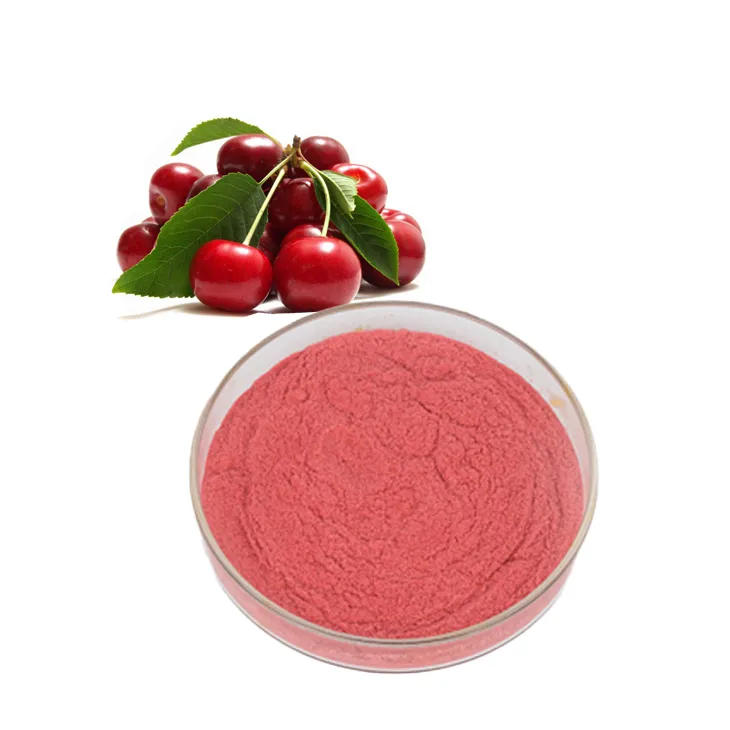
Acerola Extract
2026-08-16
-
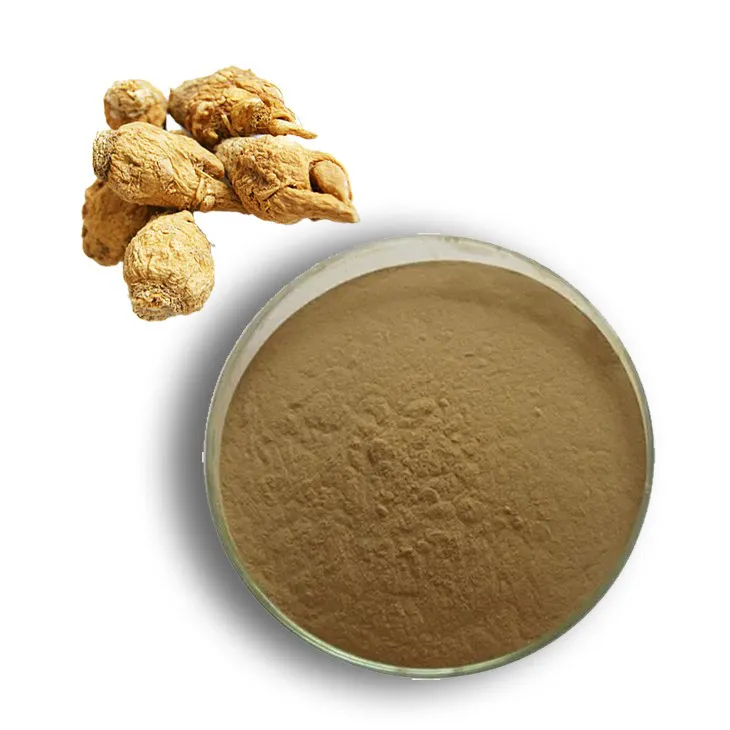
Maca Extract
2026-08-16
-
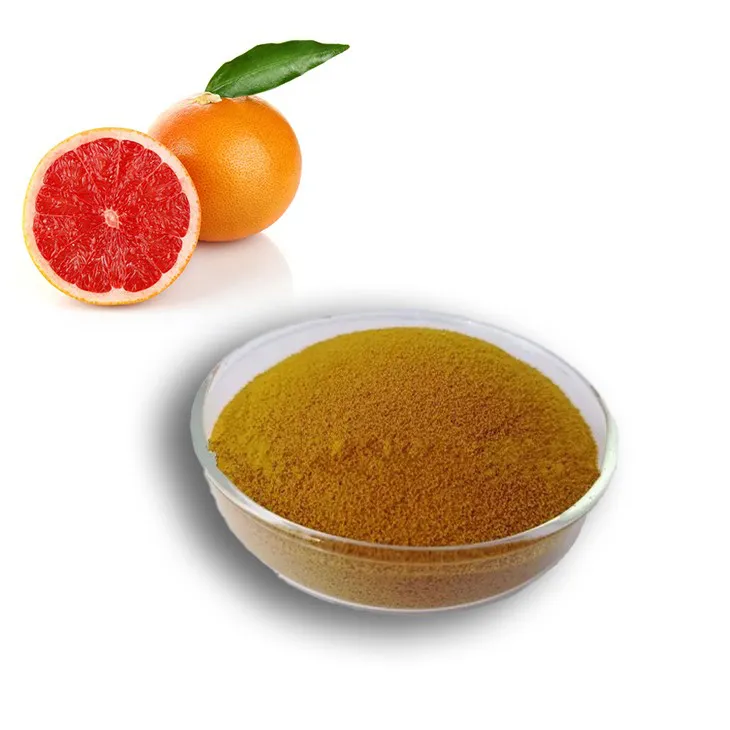
Grapefruit Seed Extract Powder
2026-08-16
-
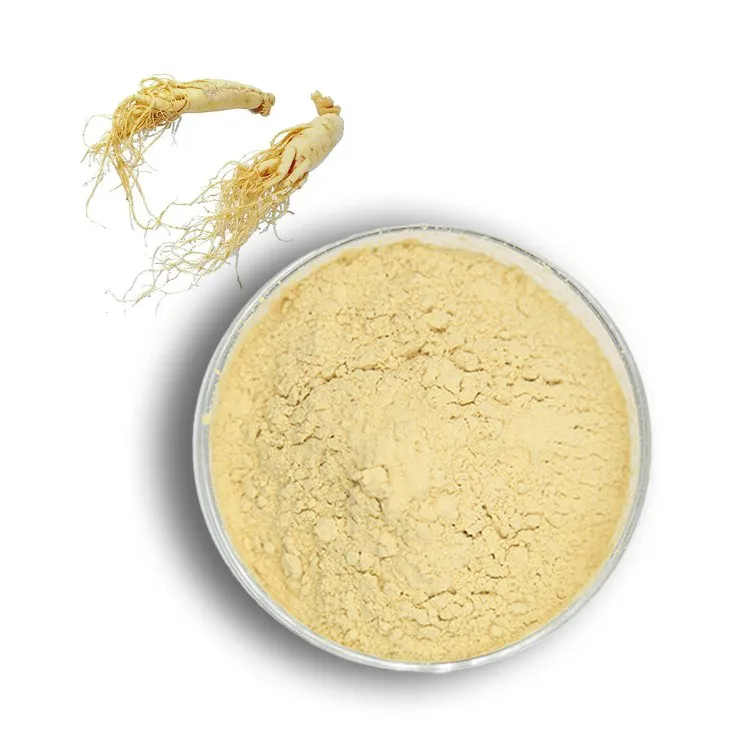
Ginseng Root Extract
2026-08-16
-
Polygonum Cuspidatum Extract
2026-08-16
-
Sugarcane Extract
2026-08-16
-
Lemon Balm Extract
2026-08-16
-
Withania Somnifera Extract
2026-08-16
