- 0086-571-85302990
- [email protected]





How do I choose a reliable lycopene manufacturer?
2026-08-15
Lycopene is one of the most studied carotenoid antioxidants in the world, and it is no longer just a niche ingredient. Today it appears in dietary supplements, functional foods, beverages, cosmetics, and even animal nutrition. As consumer demand keeps climbing, the number of companies calling themselves a lycopene manufacturer has grown just as fast. Unfortunately, not all of them actually make the ingredient, and not all of them make it well.
If you are a supplement brand, food formulator, or distributor looking to source Lycopene powder in bulk, the partner you choose will shape the quality of your finished product, the confidence of your customers, and the ease of your regulatory approvals. This guide walks you through the practical criteria you should use to evaluate a potential Lycopene supplier, the questions worth asking, and the red flags that should make you walk away.
Start with the product itself: know what you are buying
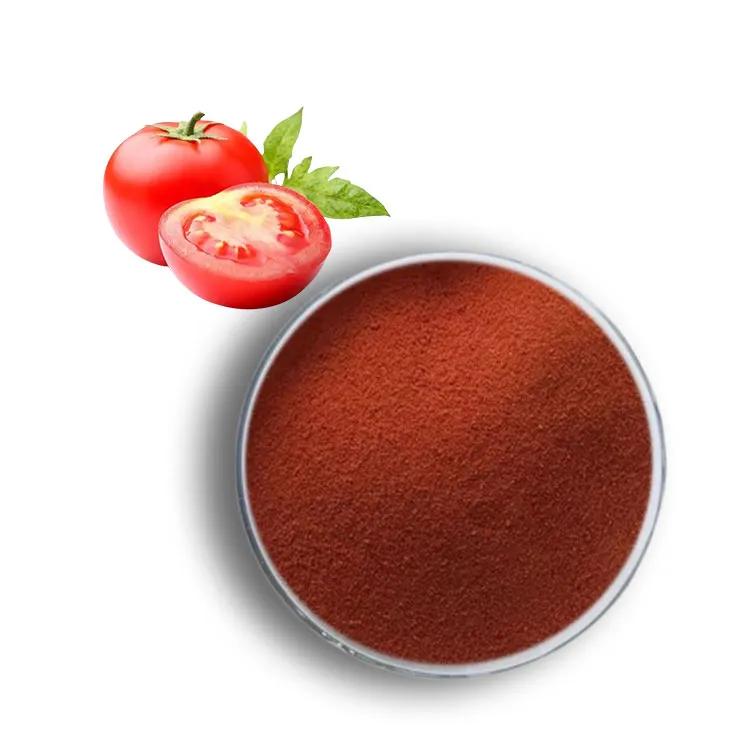
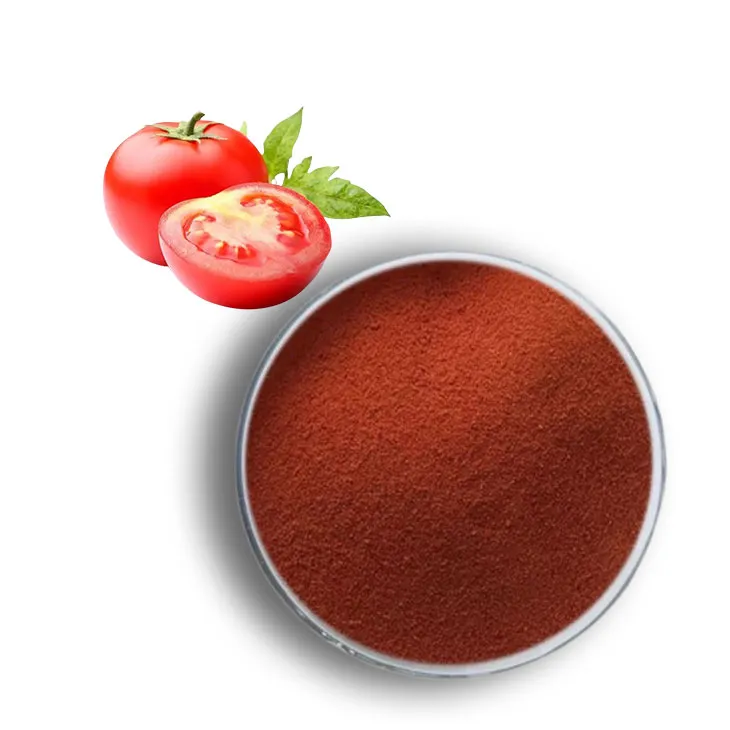
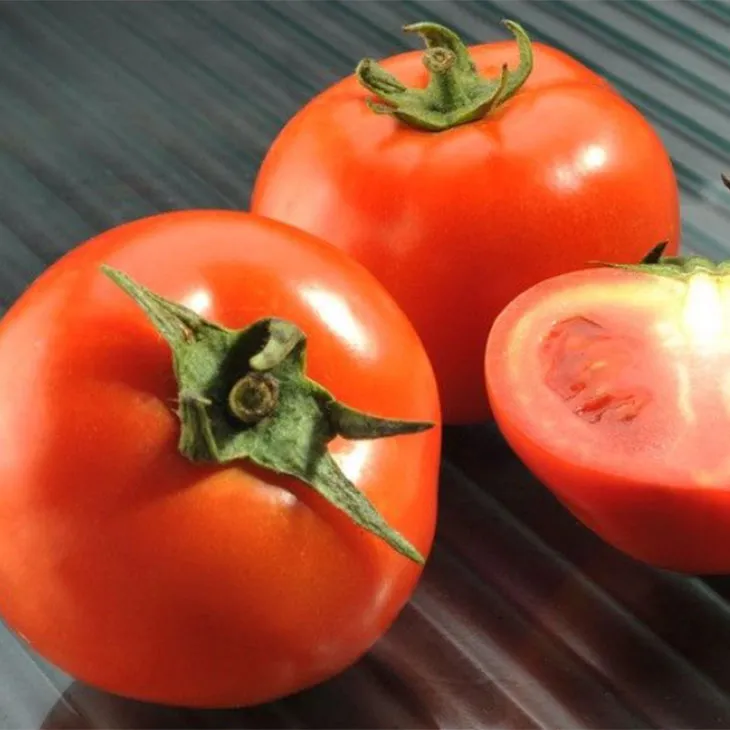
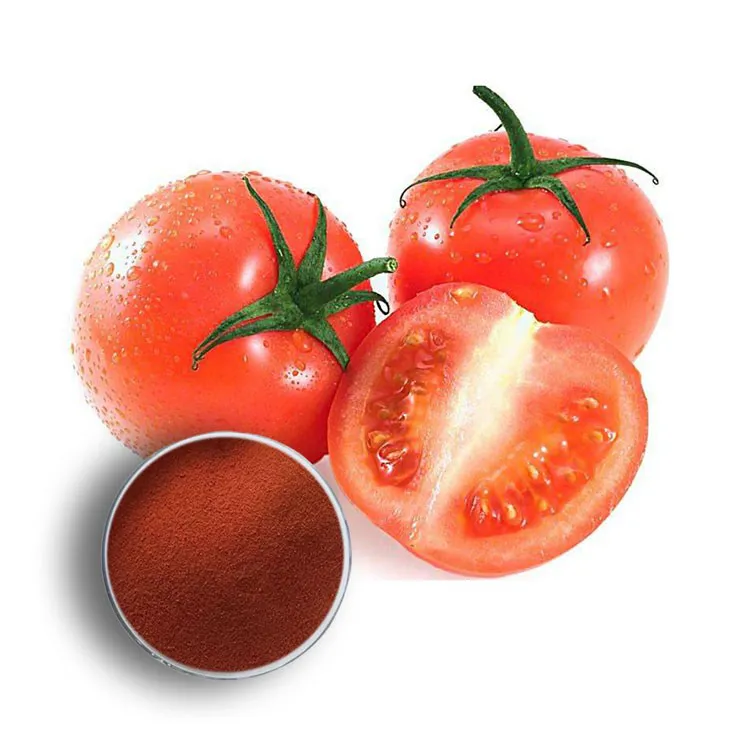
Before you compare manufacturers, make sure you understand the ingredient you are sourcing. Lycopene (CAS 502-65-8) is the red carotenoid responsible for the color of tomatoes, watermelon, and pink grapefruit. It is typically supplied as a dark red powder, and in some cases as an oil suspension or water-dispersible form for specific applications.
The most important specification is the assay, or purity, which is usually measured by HPLC. Common powder grades range from around 1% to 10% lycopene, and the right level depends entirely on your application. A responsible manufacturer will clearly state the assay on the specification sheet and back it with a Certificate of Analysis (CoA) for every batch. If a supplier cannot tell you the exact assay, the extraction method, or the solvent residues, that is an immediate warning sign.
Confirm that you are dealing with a real manufacturer, not a trader
The biggest trap in bulk ingredient sourcing is the middleman. Many companies present themselves as manufacturers but simply repackage ingredients bought from someone else. That is not necessarily a problem for quality, but it does mean you lose control over traceability, batch consistency, and the ability to audit the actual production line.
Ask direct questions: Where is the extraction facility located? Do you own the production line, or do you outsource it? Can you arrange a factory audit or provide a video tour of the plant? A genuine lycopene manufacturer will be happy to show you its production area, extraction tanks, drying equipment, and laboratory. A trader will usually hesitate.
Check quality control and testing capability
Consistency is everything in bulk ingredients. A single good batch tells you very little; what matters is whether every batch meets the same specification. That depends on the manufacturer's in-house testing capability.
Look for a manufacturer with an independent laboratory equipped with HPLC, GC, and UV instruments, because these are the tools used to verify assay, solvent residues, and other quality parameters. Ask whether the company tests for heavy metals, microbiological limits, and moisture on a routine basis, and whether it can provide a CoA with each shipment. The best manufacturers treat testing as a non-negotiable part of production, not an optional extra.
Verify certifications and compliance
Certifications are the fastest way to judge whether a manufacturer takes quality and safety seriously. For a lycopene extract intended for food and supplement use, look for credentials such as ISO22000, GMP, HALAL, and Kosher. If you need organic material, check for an organic certification as well. For companies exporting to regulated markets, an export food production enterprise registration is also a strong signal.
Do not just take the logos at face value. Ask for the certificate numbers and, if possible, verify them with the issuing bodies. A manufacturer that is genuinely certified will have no problem sharing this documentation.
Evaluate experience and track record
Extraction is a craft that improves with years of practice. A manufacturer with a long history has usually refined its processes, solved the hard problems, and built relationships with reliable raw material sources. Ask how long the company has been producing plant extracts, how many years it has specialized in lycopene, and which markets it exports to.
A company with vertical integration, meaning it controls research, development, production, and sales under one group, can usually offer better traceability and more stable supply than a fragmented operation. Export history to demanding markets such as Europe, the United States, South Korea, and Russia is another useful indicator, because those regions enforce strict quality and documentation standards.
Assess documentation and regulatory support
Your regulatory team will thank you if you choose a manufacturer that provides complete documentation from day one. Beyond the CoA, useful documents include the Material Safety Data Sheet (MSDS), allergen statements, non-GMO declarations, and export registration files. If you are launching in a regulated market, the manufacturer's willingness to support your regulatory submissions can save you months of work.
Test communication and service before you commit
A reliable manufacturer is also a responsive one. Send an inquiry and see how quickly you get a detailed answer. Ask for samples and evaluate both the product and the technical support that comes with it. A good supplier will help you select the right grade for your application, explain the specifications, and stand behind the product after the sale. If communication is slow before you order, it will not improve after you pay.
Red flags that should end the conversation
Some warning signs should make you walk away immediately. Be wary of a supplier that cannot provide a CoA, refuses to share facility information, has no verifiable certifications, or offers prices far below the market average. Vague answers about raw material origin, extraction methods, or testing procedures are also a serious concern. And if a company claims to be a manufacturer but cannot name its production site, treat it as a trader.
A quick checklist for your shortlist
When you compare candidates, keep this checklist in front of you: clear assay and specification sheet; CoA available for every batch; in-house laboratory with HPLC and GC; verifiable certifications such as ISO22000, GMP, HALAL, and Kosher; real production facility that can be audited; long track record and stable export markets; complete documentation for regulatory submissions; responsive communication and technical support; and transparent raw material sourcing. A supplier that ticks every box is worth a deeper conversation.
Why experience matters: a look at a long-standing manufacturer
To see what these criteria look like in practice, consider Hangzhou Greensky Biological Tech. Co., Ltd., a professional plant extract manufacturer founded in 2004. With more than 20 years of experience in producing active botanical ingredients, Greensky operates five wholly-owned subsidiaries and follows a fully integrated model that covers research, development, production, and sales. Its lycopene extract is produced in a 100,000-class clean production area that meets food-grade requirements, and the company runs an independent laboratory equipped with GC, HPLC, and UV instruments for routine quality testing.
Greensky holds ISO22000, BRCGS, Ecocert Organic Standard, SGS-GMP, ISO9001, HALAL, and Kosher certifications, and it supplies markets across Europe, the United States, South Korea, and Russia. The company also provides export registration and documentation to support global regulatory submissions, which makes it a practical choice for brands that need both quality and compliance. If you are evaluating a lycopene supplier, you can learn more about its lycopene extract and request samples directly.
Final thoughts
Choosing a reliable lycopene manufacturer is not about finding the cheapest quote. It is about finding a partner whose product quality, testing discipline, certifications, and documentation match the standards your customers expect. Do your homework, ask the right questions, verify what you are told, and start with samples. The time you invest in vetting a supplier at the beginning will pay off many times over in consistent batches and smooth regulatory approvals.
TAGS:
- ▶ Hesperidin
- ▶ Citrus Bioflavonoids
- ▶ Plant Extract
- ▶ lycopene
- ▶ Diosmin
- ▶ Grape seed extract
- ▶ Sea buckthorn Juice Powder
- ▶ Fruit Juice Powder
- ▶ Hops Extract
- ▶ Artichoke Extract
- ▶ Mushroom extract
- ▶ Astaxanthin
- ▶ Green Tea Extract
- ▶ Curcumin
- ▶ Horse Chestnut Extract
- ▶ Other Product
- ▶ Boswellia Serrata Extract
- ▶ Resveratrol
- ▶ Marigold Extract
- ▶ Grape Leaf Extract
- ▶ New Product
- ▶ Aminolevulinic acid
- ▶ Cranberry Extract
- ▶ Red Yeast Rice
- ▶ Red Wine Extract
- ▶ blog
-
Oyster Mushroom Extract Powder
2026-08-15
-
Mulberry leaf Extract
2026-08-15
-
Longan Extract
2026-08-15
-
White Willow Bark Extract
2026-08-15
-
Purple Sweet Potato Extract
2026-08-15
-
Saw Palmetto Extract
2026-08-15
-
Medicinal Marshmallow Extract
2026-08-15
-
Grape Seed Extract
2026-08-15
-
Black Rice Extract
2026-08-15
-
Resveratrol
2026-08-15