- 0086-571-85302990
- [email protected]




How can a plant extract supplier provide COA certificates for every batch?
2026-08-13
A Certificate of Analysis, or COA, is the analytical record that ties a specific batch of a product to the actual test results produced for that batch. For anyone buying botanical ingredients, the COA is often the single most important document in the purchasing decision, because it tells you what is really inside the material you are about to receive. The question many procurement teams ask is straightforward: how can a plant extract supplier provide a COA for every single batch it ships, rather than just for a few representative samples? The answer lies less in paperwork and more in the way a factory is built, run, and controlled from the raw material to the finished bag.
A genuine COA is batch-specific. It carries a unique lot number, a production date, and analytical results that belong only to that lot. A document showing "typical values" or reusing the same results across many shipments is not a real COA, and it is a common red flag in the ingredient industry. By contrast, a supplier that can genuinely certify every batch has built a quality system where testing is not an afterthought but a built-in step of production.
Ingredients are natural products, and natural raw materials vary from season to season and from field to field. Two lots of the same botanical grown under different conditions can differ in active compound content, moisture, and contaminant load. Because of this natural variability, no single COA can honestly stand in for all batches. A batch-specific certificate serves three practical purposes: it documents that the material meets its agreed specification, it links a lot number to test results so a product can be traced and recalled if needed, and it provides the evidence that importers and regulators expect when the ingredient crosses a border.
For a manufacturer, issuing a COA per batch is therefore not an administrative burden but the natural output of a controlled production line. The more disciplined the factory, the easier it is to produce complete, accurate certificates for every lot.
Providing a COA for every batch starts long before the certificate is printed. It requires an in-house laboratory that is actually equipped to test every lot, and a production environment clean enough that the results are meaningful. A reliable plant extract factory typically runs its own laboratory fitted with analytical instruments such as gas chromatography, high-performance liquid chromatography, and ultraviolet spectrophotometry. These tools allow the lab to measure the active ingredients, check purity, screen for residual solvents, and verify the absence of contaminants on a routine basis, rather than sending samples out and waiting.
Greensky, a plant extract manufacturer based in Hangzhou with more than twenty years of experience since its founding in 2004, is an example of this model in practice. The company operates a 100,000-class clean production area that meets food-grade requirements, and its independent laboratory is equipped with GC, HPLC, and UV instruments. Supporting the extraction line are large multi-ton extraction tanks, high-efficiency low-temperature concentrators, a spray drying tower, and vacuum drying equipment. This combination matters because it means production scale and testing capacity are matched: the factory can process large volumes and still test each resulting batch before it is released.
Vertical integration also plays a role. Greensky is organized as a group with several wholly-owned subsidiaries covering research, development, production, warehousing, and sales, including a dedicated production subsidiary in Jiangxi and an in-house extract factory in Anji. When a company controls the chain from raw botanical sourcing through extraction to final packaging, it is far easier to keep batch records consistent and to test every step along the way.
For a certificate to be issued for every batch, production itself must be standardized. Each lot is assigned a unique batch number at the start of processing, and every stage of that lot, from the quantity of raw material charged into the extraction tank to the drying and packaging conditions, is recorded in a batch production record. This is what makes batch traceability real. When a lot is finished, the lab samples it and generates analytical results that are paired with that same batch number. The COA is simply the formal summary of those results.
A complete COA for a plant ingredient typically covers the identity of the product, the content of its key active compounds, moisture, heavy metals, pesticide residues, microbial counts, and in some cases residual solvents. Presenting actual numerical results rather than vague statements such as "complies" is a sign of a supplier that is confident in its testing. Buyers should also see the batch number printed on the certificate match the batch number on the packaging and the shipping documents, because that is how a single batch is truly linked to its own results.
No manufacturer should be its own final judge without any checks. Reliable suppliers combine routine in-house testing with independent, third-party verification, especially for first orders, high-value ingredients, or shipments destined for regulated markets. An accredited external laboratory can confirm the same batch against a separate set of expectations, and buyers are often entitled to request such verification as part of a quality agreement. A supplier that is willing to support every batch with its own COA and still welcomes independent testing demonstrates genuine confidence in its quality control.
Certifications provide the broader framework that makes per-batch COAs trustworthy. Greensky holds qualifications such as ISO22000, ISO9001, BRCGS, SGS-GMP, Ecocert Organic Standard, HALAL, and Kosher, and it maintains export registration and documentation needed for global regulatory submissions. These certifications do not replace the COA, but they signal that the facility runs under recognized quality and food-safety management systems, which is exactly the environment in which consistent, complete certificates are produced.
When evaluating whether a supplier can really certify every batch, buyers can check a few straightforward things. Confirm that the certificate carries a unique batch or lot number that matches the goods delivered. Confirm that test methods are appropriate, for example high-performance liquid chromatography for measuring active compounds rather than less precise methods. Look for numerical results for heavy metals and microbial counts rather than qualitative approvals. And confirm that the testing laboratory can be identified and, where relevant, accredited. These checks apply to any botanical ingredient, from red yeast rice and Grape Seed Extract to Curcumin, Green Tea Extract, and the many other extracts in a manufacturer's catalog.
A supplier that can answer all of these points honestly is one that has built quality into its production line rather than bolting it on at the end. For a plant extract supplier like Greensky, with in-house analytical capacity, a clean production environment, vertical integration across the group, and a full set of quality certifications, providing a COA for every batch is not a special favor but the standard way of doing business.
A COA for every batch is achievable when the entire manufacturing system is designed around it. It takes a real in-house laboratory, standardized batch records, numerical and honest analytical results, and a willingness to be verified independently. When a factory has these in place, the certificate becomes a straightforward reflection of what was actually produced and tested. That is the standard buyers should look for, and it is the standard that dependable manufacturers deliver on every single lot.
TAGS:
- ▶ Hesperidin
- ▶ Citrus Bioflavonoids
- ▶ Plant Extract
- ▶ lycopene
- ▶ Diosmin
- ▶ Grape seed extract
- ▶ Sea buckthorn Juice Powder
- ▶ Fruit Juice Powder
- ▶ Hops Extract
- ▶ Artichoke Extract
- ▶ Mushroom extract
- ▶ Astaxanthin
- ▶ Green Tea Extract
- ▶ Curcumin
- ▶ Horse Chestnut Extract
- ▶ Other Product
- ▶ Boswellia Serrata Extract
- ▶ Resveratrol
- ▶ Marigold Extract
- ▶ Grape Leaf Extract
- ▶ New Product
- ▶ Aminolevulinic acid
- ▶ Cranberry Extract
- ▶ Red Yeast Rice
- ▶ Red Wine Extract
- ▶ blog
-
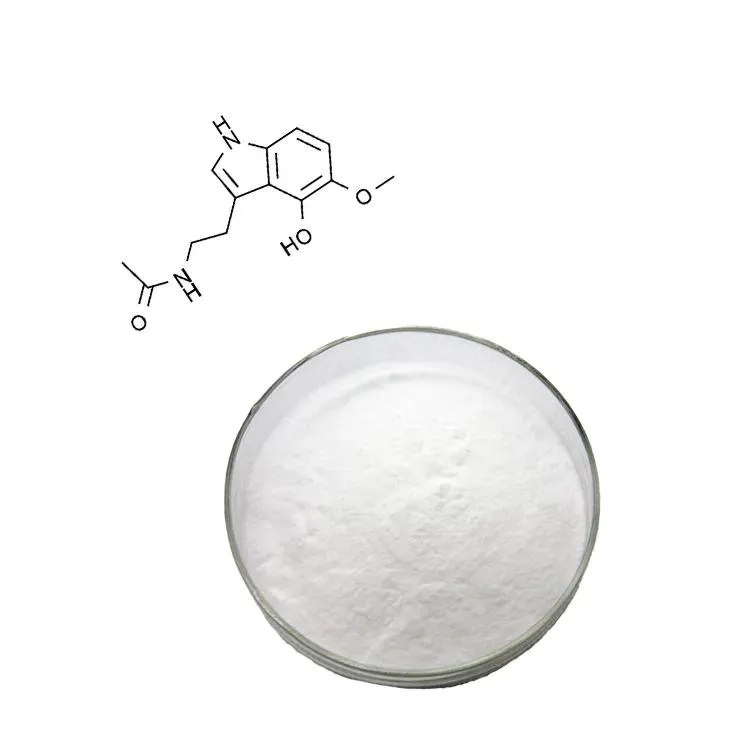
melatonin
2026-08-13
-
Horse Chestnut Extract
2026-08-13
-
Lavender Extract
2026-08-13
-
Jujube Extract
2026-08-13
-
Polygonum multiflorum extract
2026-08-13
-
Citrus bioflavonoids
2026-08-13
-
Beetroot Powder
2026-08-13
-
Centella Asiatica Extract
2026-08-13
-
Sophora Japonica Flower Extract
2026-08-13
-
Gynostemma pentaphyllum extract
2026-08-13