We have five factories and 23 years of experience in plant extracts
- 0086-571-85302990
- [email protected]






Define astaxanthin as a carotenoid pigment.
2026-08-17
Related Product
Astaxanthin
We are a professional plant extract manufacturer in China, focusing on the R&D and production of Astaxanthin extract, providi
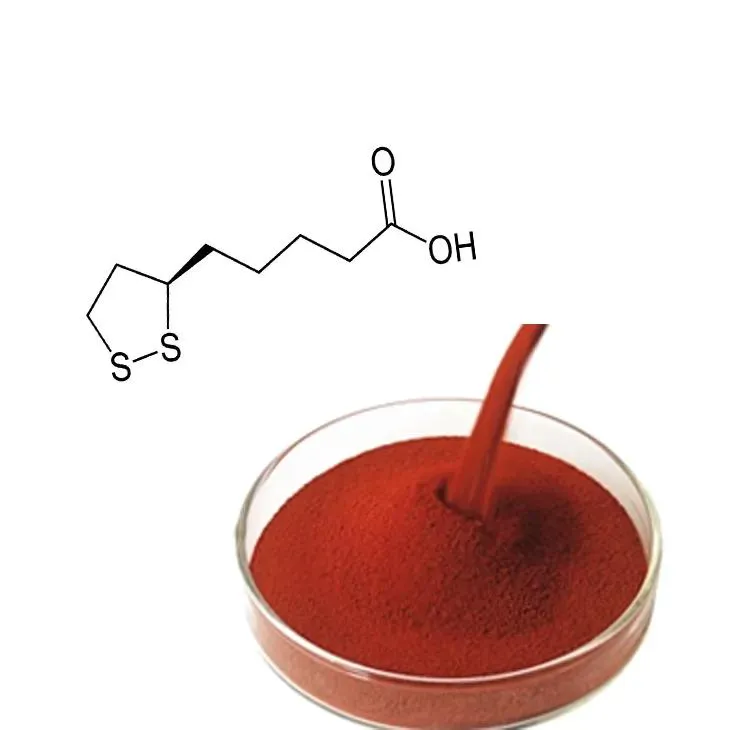
Astaxanthin is one of the most studied members of the carotenoid family, a group of naturally occurring pigments that give many plants, algae, and organisms their vivid red, orange, and yellow colors. Defined simply, Astaxanthin is a xanthophyll carotenoid, sometimes called a keto-carotenoid, and it is this precise chemical identity that explains both its striking color and its outstanding protective activity. In this article, we break down what it really means to call Astaxanthin a carotenoid pigment, where it comes from, and why manufacturers and formulators around the world value it so highly.
What Are Carotenoids?
Carotenoids are a large class of fat-soluble organic pigments synthesized naturally by plants, algae, fungi, and certain bacteria. They are the molecules behind the orange color of carrots, the red of tomatoes and rose hips, and the golden hue of many flowers and fruits. Within this broad family, carotenoids are generally split into two groups: the hydrocarbon carotenes, such as beta-carotene and Lycopene, and the xanthophylls, which are oxygen-containing carotenoids. Astaxanthin belongs firmly to the xanthophyll group, and the presence of oxygen atoms in its molecular ring is a key reason it behaves so differently from many of its relatives.
The Chemistry Behind the Definition
To define astaxanthin precisely, chemists call it 3,3'-dihydroxy-β,β-carotene-4,4'-dione, with an empirical formula of C40H52O4. In everyday terms, this structure matters for two reasons. First, the long chain of conjugated double bonds along the molecule is what absorbs light and produces the characteristic reddish-orange pigment that we see in salmon flesh, shrimp, crabs, and sea bream that feed on astaxanthin-producing microorganisms. Second, the polar hydroxyl and keto groups at both ends of the molecule allow it to span the lipid bilayer of cell membranes, so it can protect both the water-facing surface and the fatty interior of a membrane at the same time. Few antioxidants can do this, and it is a big part of why astaxanthin is often described as a uniquely effective antioxidant.
Because of this structure, astaxanthin offers antioxidant power that is substantially greater than many well-known nutrients. Research has reported that natural astaxanthin can be up to 100 times more effective than vitamin E in fighting lipid peroxidation, and several times more effective than beta-carotene in quenching singlet oxygen. It consistently outperforms both vitamin C and vitamin E in numerous assays, which has made it a cornerstone ingredient in premium antioxidant formulations.
Where Natural Astaxanthin Comes From
Although astaxanthin can be synthesized in a laboratory, the natural compound is produced by a wide range of microorganisms. The freshwater microalga Haematococcus pluvialis is widely regarded as the most important commercial source, as it can accumulate up to about 3.8% astaxanthin on a dry weight basis under the right cultivation conditions. It is this microalga that supplies much of the natural astaxanthin used in supplements and functional foods today. Other natural producers include the yeast Xanthophyllomyces dendrorhous, more commonly known as Phaffia rhodozyma, as well as several species of bacteria and crustaceans such as krill and shrimp that accumulate the pigment through their diet.
The role of astaxanthin in the aquatic food chain also explains the color of seafood. Wild salmon can contain roughly 26 to 38 milligrams of astaxanthin per kilogram of flesh, which is exactly why farmed salmon are often supplemented with the pigment to restore the natural color consumers expect. These natural sources give astaxanthin a clear identity as a food-grade carotenoid pigment, and the compound is even recognized as a food colorant in the European union under the classification E161.
Why This Carotenoid Matters for Health
The health benefits of astaxanthin are closely tied to its powerful antioxidant and anti-inflammatory activity. By neutralizing reactive oxygen species and the oxidative stress they create, astaxanthin has been studied for its ability to support eye health, protect skin and slow visible signs of aging, promote cardiovascular wellbeing, support brain and cognitive function, and help maintain a healthy immune response. Athletes also value it for helping to fight the free radicals generated during exercise, which supports recovery and endurance.
Forms and Applications in Manufacturing
For manufacturers and formulators, astaxanthin is available in a variety of convenient dosage forms, including tablets, capsules, soft gels, oils, creams, granulated powders, and biomass. It serves dual roles as both an antioxidant and a natural colorant, which makes it valuable in dietary supplements, functional foods, cosmetics, and even animal feed. Its fat-soluble nature means it is often formulated alongside a lipid carrier or emulsifier to enhance absorption and stability.
When sourcing astaxanthin for a commercial product, quality and traceability matter. A reputable astaxanthin manufacturer should be able to demonstrate consistent purity, documented production methods, and proper export registration for global markets. Greensky Biological Tech., founded in 2004, is one such supplier, offering a full range of plant extracts and health product raw materials backed by more than twenty years of experience, an independent laboratory equipped with HPLC and GC, and certifications that include ISO22000, ISO9001, HALAL, and Kosher.
To ensure you receive raw material that matches your specification, request detailed certificates of analysis and confirm the source and concentration of the active compound. Whether you plan to buy astaxanthin as a concentrated powder or as an oil blend, working with a supplier that maintains clean, food-grade production conditions gives you the confidence that the pigment in your formula is both authentic and reproducible.
Conclusion
Defining astaxanthin as a carotenoid pigment is really a way of explaining why it looks the way it does and works the way it does. As a xanthophyll carotenoid with a distinctive chemical structure, it delivers both natural color and exceptional antioxidant protection. For formulators, buying from a reliable source that controls cultivation and extraction ensures a consistent, high-quality ingredient. You can learn more about sourcing by contacting a qualified astaxanthin supplier and reviewing its product specifications directly.
TAGS:
FAQ
- ▶ Hesperidin
- ▶ Citrus Bioflavonoids
- ▶ Plant Extract
- ▶ lycopene
- ▶ Diosmin
- ▶ Grape seed extract
- ▶ Sea buckthorn Juice Powder
- ▶ Fruit Juice Powder
- ▶ Hops Extract
- ▶ Artichoke Extract
- ▶ Mushroom extract
- ▶ Astaxanthin
- ▶ Green Tea Extract
- ▶ Curcumin
- ▶ Horse Chestnut Extract
- ▶ Other Product
- ▶ Boswellia Serrata Extract
- ▶ Resveratrol
- ▶ Marigold Extract
- ▶ Grape Leaf Extract
- ▶ New Product
- ▶ Aminolevulinic acid
- ▶ Cranberry Extract
- ▶ Red Yeast Rice
- ▶ Red Wine Extract
- ▶ blog
Recommended Products
-
Red Date Extract
2026-08-17
-
Magnolia Bark Extract
2026-08-17
-
Scutellaria Extract
2026-08-17
-
Pine bark Extract Powder
2026-08-17
-
5-HTP (5-Hydroxytryptophan)
2026-08-17
-
Mulberry leaf Extract
2026-08-17
-
Acerola Juice Powder
2026-08-17
-
Elderberry Extract
2026-08-17
-
White Peony Extract
2026-08-17
-
Nutmeg Extract
2026-08-17
Get a Quote
