- 0086-571-85302990
- [email protected]




Can I mix moringa powder bulk with other superfoods?
2026-08-18
Can I mix Moringa powder bulk with other superfoods?
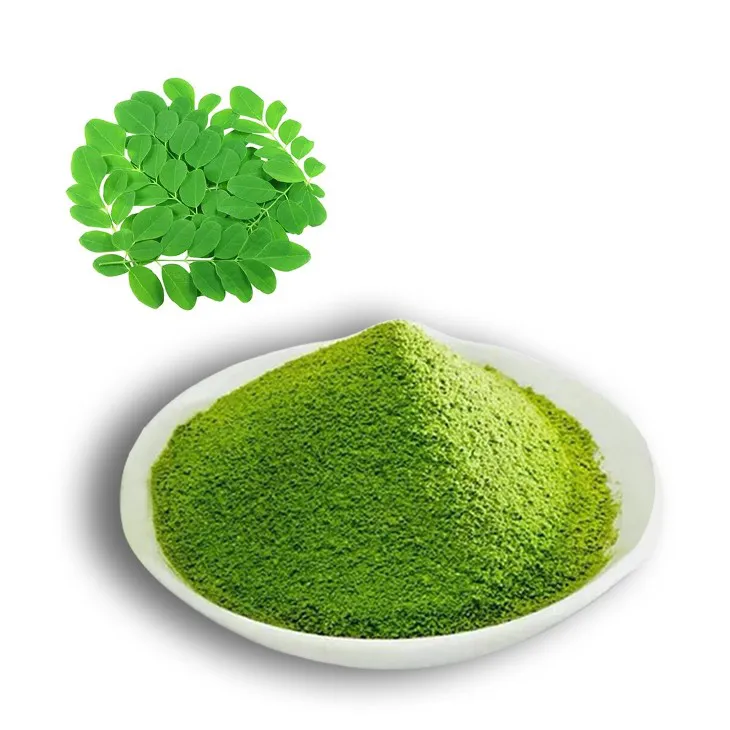
If you are sourcing moringa powder bulk for a supplement line, a greens blend, or a functional food formula, you have probably asked yourself the same question: can Moringa powder be mixed with other superfoods? The short answer is yes. In fact, blending moringa with complementary botanicals is one of the most common formulation strategies in the industry, and it is done for very practical reasons. Moringa brings a dense base of vitamins, minerals, and plant protein, while other superfoods add their own distinct compounds. Together they create a finished product that is more attractive to consumers than any single ingredient alone.
Before we look at which superfoods pair well with moringa and how to blend them properly, it helps to understand what Moringa powder actually brings to a formula. Moringa powder is made from the dried and ground leaves of the Moringa oleifera tree, a plant that has been used in traditional diets for centuries. The leaves are naturally rich in vitamin A, vitamin C, vitamin E, calcium, iron, potassium, and magnesium, and they supply all nine essential amino acids along with a meaningful amount of plant protein. The powder also contains antioxidant compounds such as Quercetin and chlorogenic acid, which is why it shows up so often in wellness products. This broad nutritional profile is exactly what makes moringa such a good base ingredient to build on.
Why mix moringa powder with other superfoods?
There are three main reasons formulators and brand owners choose to blend moringa with other superfoods, and none of them are about following a trend.
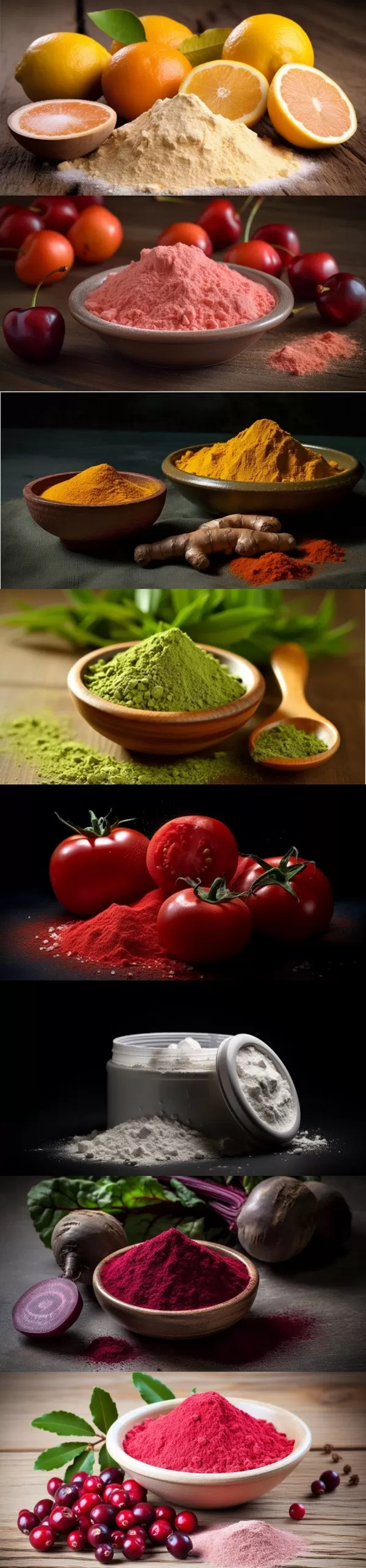
Nutritional synergy. No single plant covers every nutritional gap. Moringa is strong on vitamins, minerals, and protein, but it is lighter on certain compounds that other botanicals provide in abundance. Spirulina and chlorella, for example, add concentrated chlorophyll and a different amino acid profile. Turmeric contributes Curcumin, a well-studied anti-inflammatory compound. Maca brings adaptogenic properties that moringa does not have. When these ingredients are combined, the finished formula covers a wider range of health benefits than any one of them could on its own.
Better consumer appeal. The market for "greens powders" and multi-ingredient superfood blends has grown steadily because buyers are looking for all-in-one solutions. A single-ingredient moringa product appeals to a narrow audience, while a thoughtfully blended formula can be positioned around specific goals such as energy, immunity, digestion, or recovery. That wider appeal translates directly into a stronger product story and better shelf presence.
Cost-effective formulation. Moringa is an economical source of micronutrients compared with many premium botanicals. By using moringa as the nutritional base and adding smaller amounts of higher-cost superfoods, manufacturers can deliver a rich, multi-ingredient formula at a reasonable price point. This is a standard approach when working with a moringa powder supplier to build a custom blend.
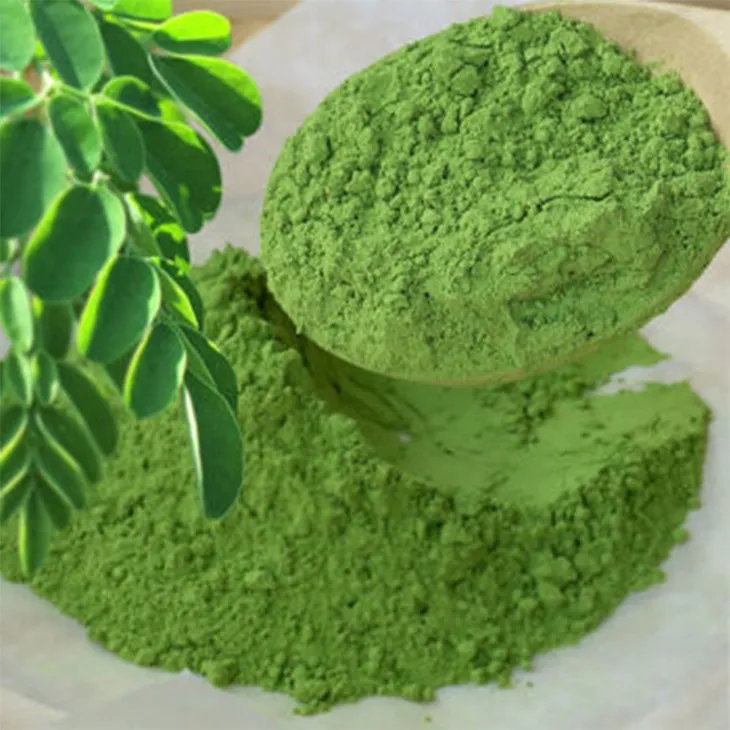
Best superfoods to blend with bulk moringa powder
Not every superfood makes a good partner for moringa, so it is worth choosing combinations with a clear purpose. These are the pairings that formulators use most often, along with the benefit each one adds.
Spirulina and chlorella. This is the classic greens-blend combination. Both algae are rich in protein, chlorophyll, and B vitamins, which complement moringa's vitamin and mineral profile. The result is a deep-green powder with a complete amino acid picture and strong antioxidant content. If you are building a greens powder, this trio is the natural starting point.
Turmeric and ginger. Moringa is mildly anti-inflammatory on its own, but turmeric and ginger bring much stronger anti-inflammatory and digestive-support compounds to the table. Turmeric extract standardized to Curcuminoids pairs especially well with moringa in joint-health and wellness formulas. Ginger also helps round out the flavor profile, which matters because moringa has a distinctive earthy taste that not every consumer loves.
Maca and ashwagandha. For energy and stress-management products, moringa blends beautifully with these adaptogens. Maca is associated with stamina and hormonal balance, while ashwagandha is known for calming the stress response. Moringa adds its nutrient density on top, creating a well-rounded adaptogenic formula. This combination is popular in powders marketed for daily vitality.
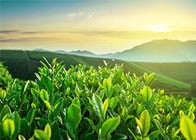
Matcha and green tea extract. If the goal is an antioxidant-rich energy product, moringa and green tea are a strong match. Green tea brings catechins and a gentle source of caffeine, while moringa supplies vitamins and minerals without any stimulant effect. The two work well together in morning blends and focus formulas.
Beetroot powder. Beetroot is valued for its nitrates and its association with circulation and endurance. Combined with moringa, it creates a formula that appeals to active consumers and sports-nutrition brands. The deep red of beetroot also contrasts visually with the green of moringa, which can be useful for product differentiation.
Chia, flax, and other seeds. For fiber-focused products, moringa pairs well with ground seeds. Chia and flax add soluble fiber and omega-3 fatty acids, while moringa contributes micronutrients. This combination is common in breakfast blends, smoothie mixes, and digestive-health powders.
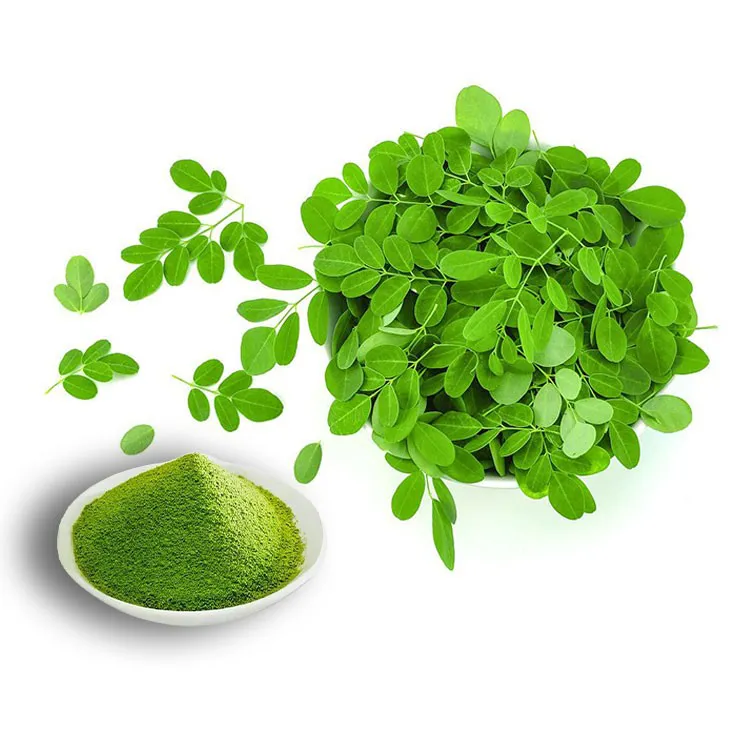
How to formulate a bulk moringa blend
Once you have chosen your combination, a few formulation details determine whether the finished product works in practice or fails in the blending room.
Start with a sensible ratio. Moringa is potent, and most finished formulas use it at a level that delivers a meaningful dose without overpowering the blend. A common approach is to make moringa the largest botanical component, then add the other superfoods in smaller, purpose-driven amounts. For a greens powder, a ratio in the range of 40 to 60 percent moringa is typical, with the remaining percentage split among the other ingredients. Always confirm the final serving size against your target label claim.
Consider particle size and flow. Powders from different plants have different particle sizes and flow characteristics. If the particle sizes are too different, the blend can separate during packaging, which means every scoop may not deliver the same nutrients. Working with a supplier that can provide consistent particle size, or specifying a sifted grade, helps keep the blend uniform.
Plan for flavor. Moringa has an earthy, slightly grassy taste. In consumer products, that flavor is often balanced with fruit powders, cacao, vanilla, or a small amount of natural sweetener. If you are formulating a flavored product, test the flavor system early rather than after the blend is finalized, because masking an earthy base is easier when you build the flavor profile around it from the start.
Test stability and moisture. Bulk botanical powders are sensitive to moisture and oxidation. Keep the blend dry during processing, use moisture-barrier packaging, and run a basic stability check to confirm that color, aroma, and active markers hold up over the intended shelf life. This is especially important when the blend includes oils or seed powders.
What to look for in a bulk moringa powder supplier
The quality of the finished blend is only as good as the moringa powder you start with. When you evaluate a moringa powder manufacturer, a few markers separate a reliable partner from a risky one.
Clean production and food-grade standards. Moringa powder destined for food and supplement use should be produced in a clean, food-grade facility. Look for a supplier that operates a controlled production area and can document its hygiene standards.
Independent testing and certification. Certifications such as ISO22000, BRCGS, HALAL, and Kosher give you a baseline of confidence, but you should also ask for certificates of analysis for each batch. A serious supplier tests for heavy metals, microbial contamination, and pesticide residues, and shares the results without hesitation.
Consistent supply and documentation. If you are building a product around moringa, you need a supplier who can deliver consistent quality at the volumes you require, with the export documentation your market demands. A manufacturer with vertical integration, from raw material to finished powder, is better positioned to keep quality stable across batches.
Hangzhou Greensky Biological Tech. Co., Ltd. is one such manufacturer. Founded in 2004, Greensky has more than 20 years of experience in producing natural plant extracts and health product raw materials, and it supplies markets across Europe, the United States, South Korea, and Russia. Its production is backed by a 100,000-class clean area, an independent laboratory equipped with HPLC, GC, and UV testing, and certifications including ISO22000, BRCGS, Ecocert Organic Standard, SGS-GMP, ISO9001, HALAL, and Kosher. For companies looking for a dependable source of bulk moringa powder, this is the kind of supplier that makes formulation work predictable.
Safety and dosage considerations
Moringa is generally well tolerated, but a few points are worth keeping in mind when you formulate or label a product.
Moringa leaves contain compounds that may interact with certain medications. Pregnant women are usually advised to avoid moringa leaf products, and people taking blood-thinning medication should consult a healthcare professional before use. For finished products, it is wise to include a clear supplement-facts panel and a responsible-use statement, and to recommend that consumers start with a small serving to check tolerance. As with any botanical ingredient, the label claim should match the actual serving size in the formula, and the product should be positioned within the regulatory framework of the market where it will be sold.
The bottom line
So, can you mix moringa powder bulk with other superfoods? Absolutely. Moringa is one of the most blend-friendly botanicals on the market because its nutritional profile is broad, its cost is manageable, and it combines cleanly with greens, adaptogens, anti-inflammatory herbs, and seed powders. The key is to choose combinations with a clear purpose, formulate with attention to ratio and particle size, and source the powder from a supplier you can trust. Done well, a moringa-based superfood blend can become the foundation of a strong, differentiated product line.
If you are planning a moringa-based formula and need a reliable bulk source, Greensky can supply moringa powder with full documentation and batch testing. Contact the team at [email protected] to discuss your formulation and volume requirements.
TAGS:
- ▶ Hesperidin
- ▶ Citrus Bioflavonoids
- ▶ Plant Extract
- ▶ lycopene
- ▶ Diosmin
- ▶ Grape seed extract
- ▶ Sea buckthorn Juice Powder
- ▶ Fruit Juice Powder
- ▶ Hops Extract
- ▶ Artichoke Extract
- ▶ Mushroom extract
- ▶ Astaxanthin
- ▶ Green Tea Extract
- ▶ Curcumin
- ▶ Horse Chestnut Extract
- ▶ Other Product
- ▶ Boswellia Serrata Extract
- ▶ Resveratrol
- ▶ Marigold Extract
- ▶ Grape Leaf Extract
- ▶ New Product
- ▶ Aminolevulinic acid
- ▶ Cranberry Extract
- ▶ Red Yeast Rice
- ▶ Red Wine Extract
- ▶ blog
-
Acerola Juice Powder
2026-08-18
-
Kelp Extract Powder
2026-08-18
-
Wheat Germ Extract
2026-08-18
-
Beetroot juice Powder
2026-08-18
-
Diosmin
2026-08-18
-
Rhodiola Rosea Extract
2026-08-18
-
Eucommia Ulmoides Extract
2026-08-18
-
Gamma-Aminobutyric Acid
2026-08-18
-
Cayenne Pepper Extract
2026-08-18
-
Black Garlic Extract
2026-08-18