- 0086-571-85302990
- [email protected]





Can astaxanthin help reduce inflammation and joint pain?
2026-08-13
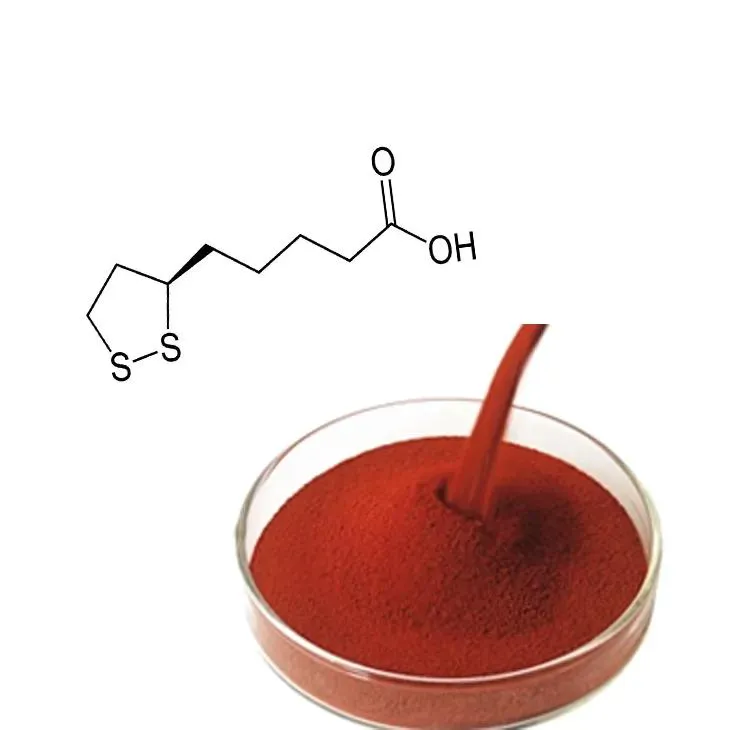
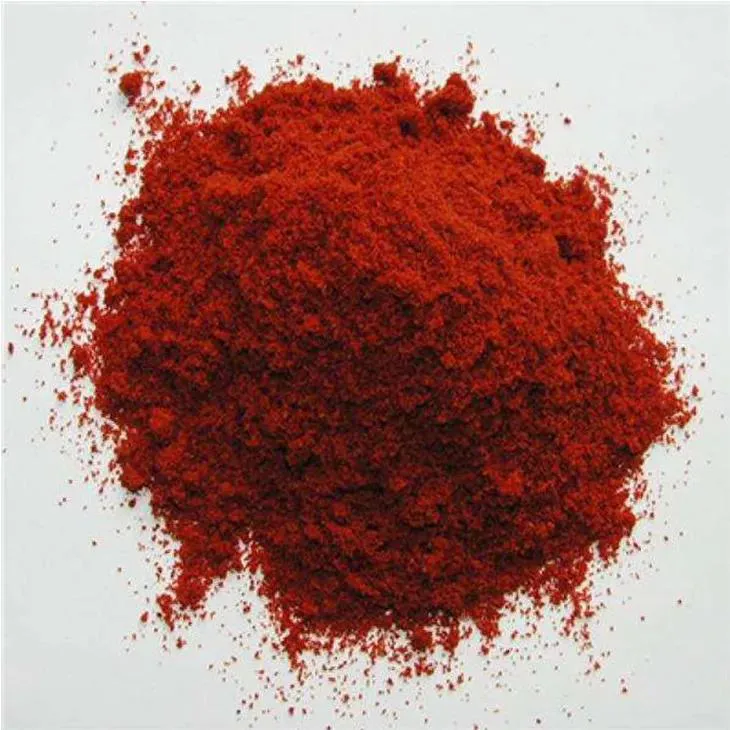
That familiar twinge when you stand up from a chair, the stiffness that greets you in the morning, the dull ache after a long walk — joint pain is one of the most common reasons people look for natural ways to feel better. As researchers search for alternatives to traditional joint supplements, one compound keeps coming up: Astaxanthin. This vivid red carotenoid, the same pigment that gives wild salmon and flamingos their pink color, has earned attention for its powerful antioxidant and anti-inflammatory properties. But can it really help reduce inflammation and joint pain? Let’s look at what the science says and how a reliable astaxanthin manufacturer can make a difference in quality.
Understanding Inflammation and Joint Pain
Joint discomfort generally involves two interconnected processes: inflammation and oxidative stress. Acute inflammation is the body’s natural first response to injury — it is protective and necessary for healing. Chronic inflammation, however, is different. It is low-grade, persistent, and often silent, driven by factors such as overuse, poor diet, and stress. In joints, ongoing inflammation can irritate the synovial membrane that produces lubricating fluid and contribute to stiffness and pain.
At the same time, every time the body converts food into energy it produces free radicals — unstable molecules that can damage cells. When free radicals outnumber the antioxidants available to neutralize them, oxidative stress occurs. In joint tissue, this stress can attack the cartilage that cushions bones, weakening it over time and leading to the creaky, painful joints associated with aging or repetitive activity.
Why Astaxanthin Is Different
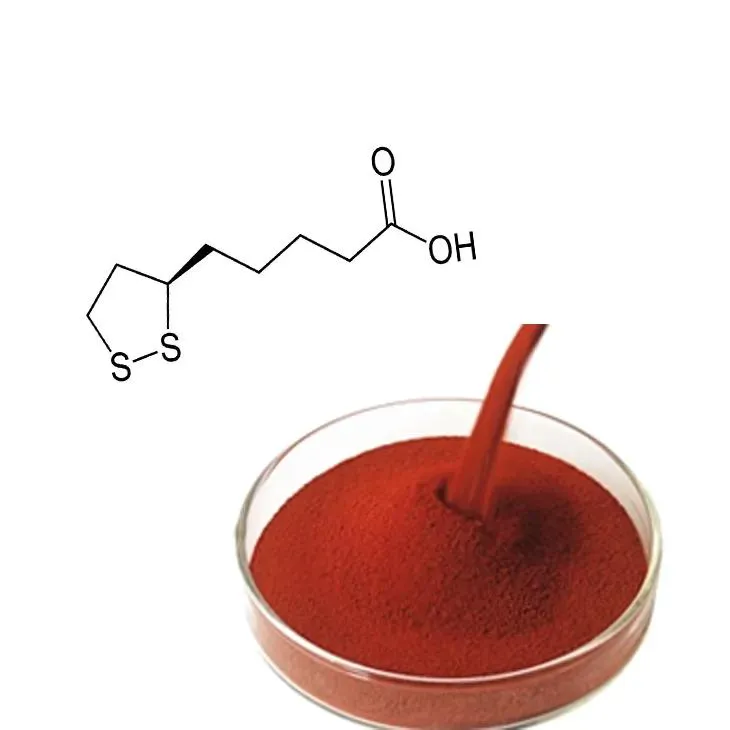
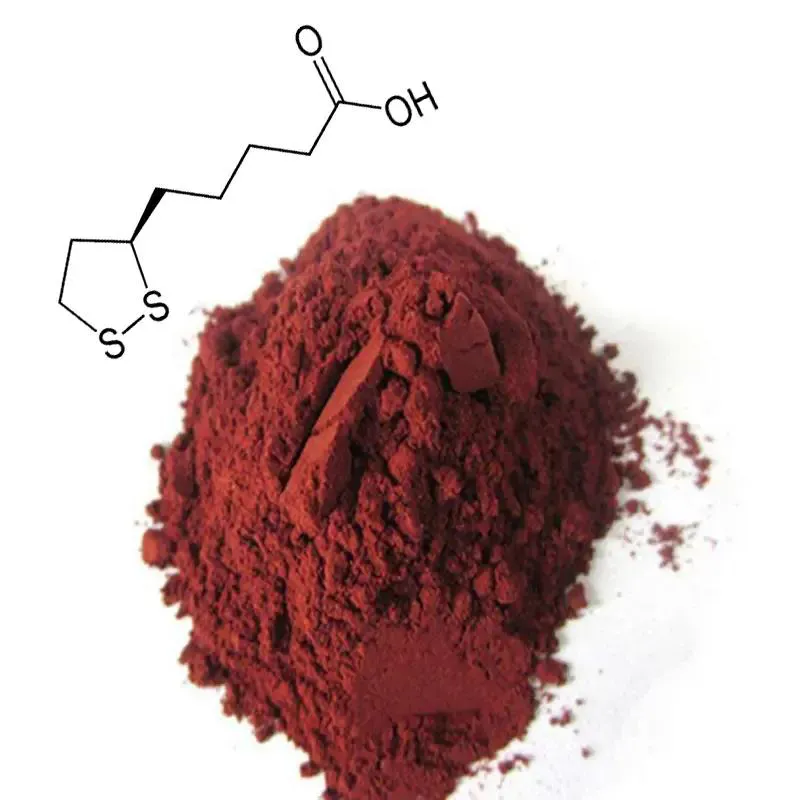
Astaxanthin stands out from many other antioxidants because of its unique molecular structure. It spans the entire cell membrane, allowing it to neutralize free radicals both inside and outside cells. This broad-spectrum activity means it can reach the delicate tissues that make up joints — the synovial fluid, the cartilage, and the surrounding supportive tissue — rather than working in only one part of the cell.
Beyond its antioxidant power, astaxanthin appears to support healthy inflammatory responses. Research has examined its effects on signaling molecules called cytokines, which act as chemical messengers for pain and swelling. By helping to modulate these pathways, astaxanthin addresses both sides of the joint-health equation: calming inflammation while protecting tissue from oxidative damage.
What the Research Shows
Clinical research on astaxanthin and joint health is still developing, but the results so far are encouraging. Several randomized, double-blind, placebo-controlled studies have reported that participants taking astaxanthin for eight to twelve weeks experienced improvements in joint discomfort and stiffness compared with those taking a placebo. Studies have also looked at exercise recovery, finding that astaxanthin may help reduce markers of muscle and joint stress after intense physical activity, which is why many athletes have adopted it as part of their training routine.
It is worth noting that most joint-focused studies used doses higher than those recommended for general wellness. While a daily dose of four to six milligrams is often used for baseline antioxidant support, studies examining joint benefits typically used twelve milligrams or more. As with any supplement, results can vary from person to person, and consistency over several weeks is usually needed before noticeable changes appear.
Choosing a Quality Astaxanthin Supplier
Not all astaxanthin is created equal, and the quality of the raw material matters. Natural astaxanthin derived from microalgae such as Haematococcus pluvialis is generally considered superior to synthetic versions, which are cheaper but may not offer the same antioxidant potency. When sourcing ingredients for supplements, formulators and brands look for a dependable astaxanthin supplier that can guarantee consistent purity, potency, and regulatory documentation.
Greensky, a professional manufacturer of natural plant extracts founded in 2004 and headquartered in Hangzhou, China, has more than twenty years of experience in producing active botanical ingredients. The company operates with full vertical integration — research, development, production, and sales within one group — and maintains a 100,000-class clean production area that meets food-grade requirements. Its independent laboratory is equipped with GC, HPLC, and UV instruments, and the company holds certifications including ISO22000, BRCGS, SGS-GMP, ISO9001, HALAL, and Kosher. For businesses seeking bulk ingredients, working with an established astaxanthin wholesale partner can help ensure a stable, high-quality supply for health products.
Safety and Practical Tips
Astaxanthin has a favorable safety profile, and most people tolerate it well even at higher doses. Because it is fat-soluble, it is best absorbed when taken with a meal containing healthy fats, such as avocado, olive oil, or nuts. Some people notice a harmless orange tint to the skin at higher doses, similar to eating many carrots, which fades when the dose is reduced.
As with any supplement, it is wise to consult a healthcare provider before starting, especially if you are pregnant, nursing, allergic to algae or seafood, or taking medication such as blood thinners. Astaxanthin is best viewed as one part of a broader approach to joint health — paired with regular low-impact exercise, an anti-inflammatory diet, and good sleep, it can support mobility and comfort over time.
The Bottom Line
The evidence suggests astaxanthin can be a helpful natural ally for supporting healthy inflammatory responses and protecting joint tissue from oxidative stress. While it is not a replacement for structural supplements like glucosamine, it addresses a factor many people overlook — oxidative damage. For supplement brands and formulators looking to bring high-quality astaxanthin to market, choosing a trusted manufacturer with strong quality control and certifications is the first step toward a product customers can rely on.
- ▶ Hesperidin
- ▶ Citrus Bioflavonoids
- ▶ Plant Extract
- ▶ lycopene
- ▶ Diosmin
- ▶ Grape seed extract
- ▶ Sea buckthorn Juice Powder
- ▶ Fruit Juice Powder
- ▶ Hops Extract
- ▶ Artichoke Extract
- ▶ Mushroom extract
- ▶ Astaxanthin
- ▶ Green Tea Extract
- ▶ Curcumin
- ▶ Horse Chestnut Extract
- ▶ Other Product
- ▶ Boswellia Serrata Extract
- ▶ Resveratrol
- ▶ Marigold Extract
- ▶ Grape Leaf Extract
- ▶ New Product
- ▶ Aminolevulinic acid
- ▶ Cranberry Extract
- ▶ Red Yeast Rice
- ▶ Red Wine Extract
- ▶ blog
-
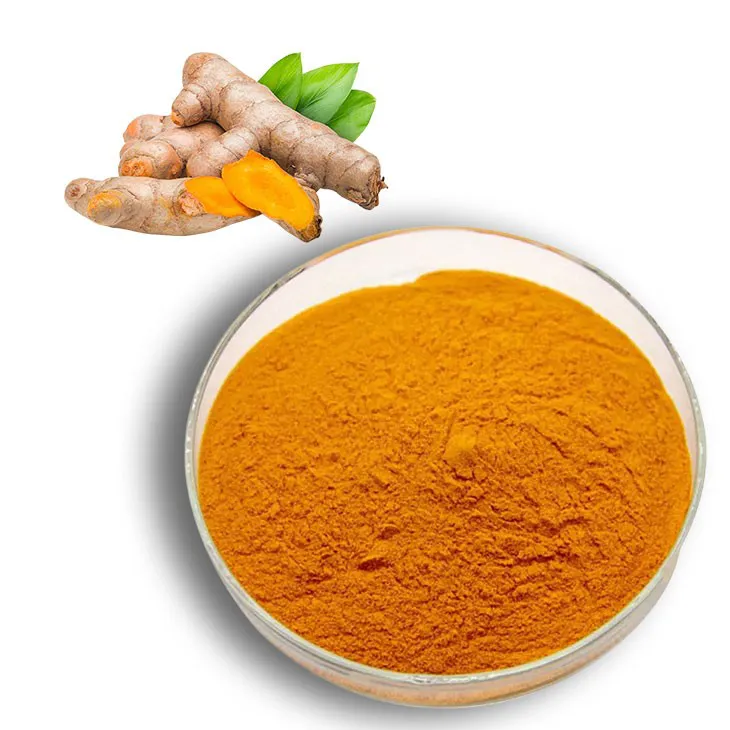
Curcuma Longa Extract/Turmeric extract
2026-08-13
-
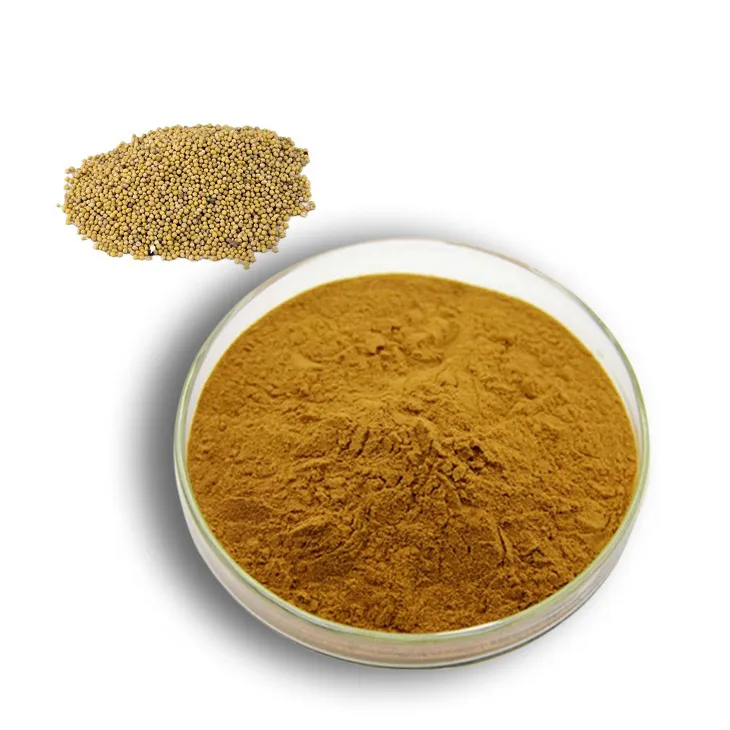
White mustard seed extract
2026-08-13
-
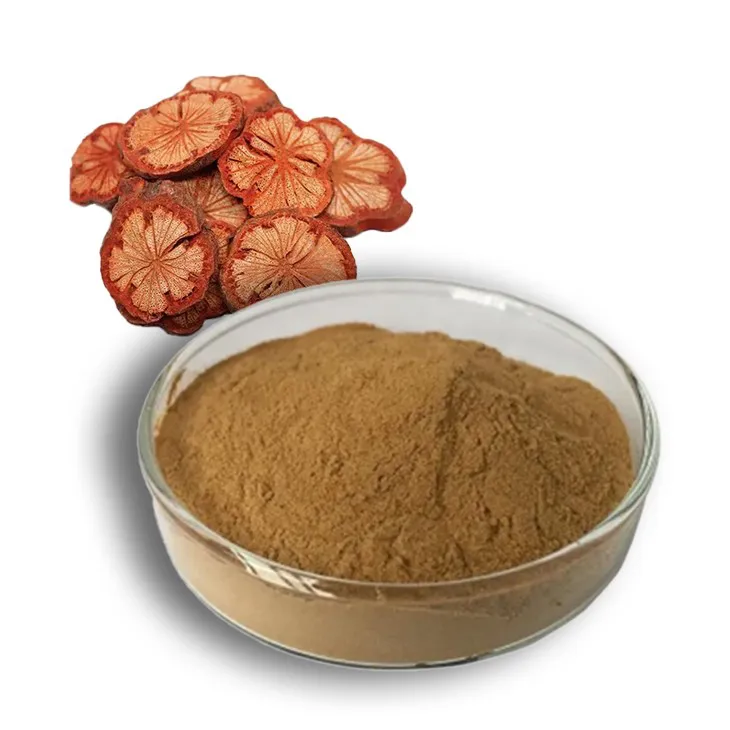
Red Vine Extract
2026-08-13
-
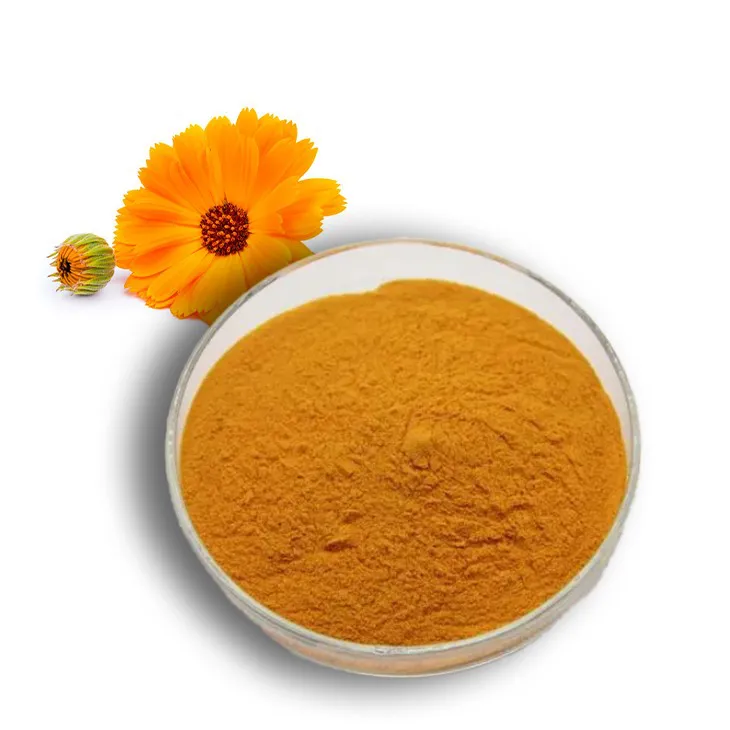
Calendula Extract
2026-08-13
-
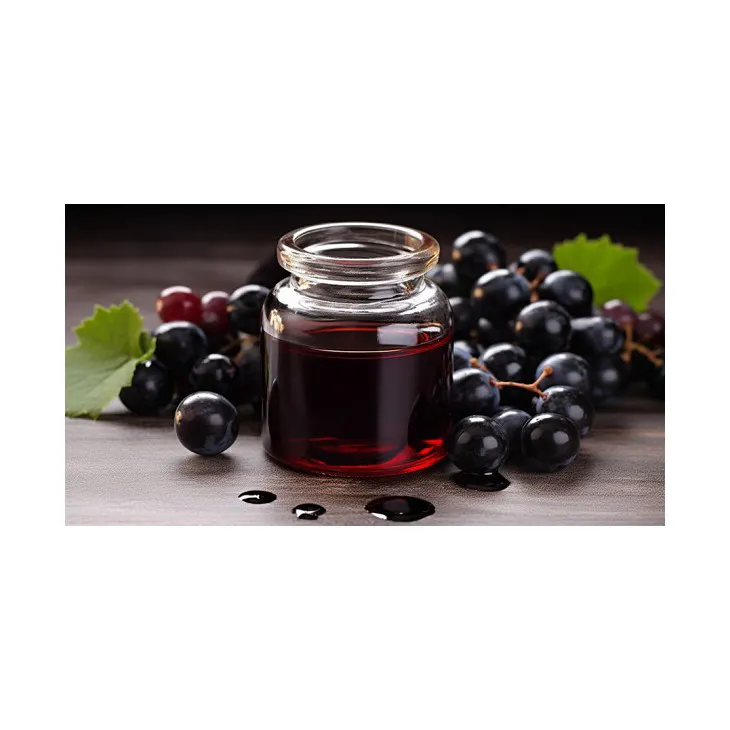
Red Wine Extract
2026-08-13
-
Lion's Mane Mushroom Extract
2026-08-13
-
Phellodendron Extract
2026-08-13
-
Beetroot juice Powder
2026-08-13
-
Oat Straw Extract Powder
2026-08-13
-
Avocado Extract Powder
2026-08-13