- 0086-571-85302990
- [email protected]




Are curcumin resveratrol supplements safe for daily use?
2026-08-15
Curcumin and resveratrol are two of the most researched plant compounds in the world, and it is easy to understand why so many people reach for supplements that combine them. Both are natural polyphenols with antioxidant and anti-inflammatory properties, and both have been studied for heart health, joint comfort, and healthy aging. But "natural" does not automatically mean "risk-free," and anyone who plans to take them every day deserves a straight answer about safety. This article breaks down what the science actually says so you can make an informed decision.
What are Curcumin and resveratrol?
Curcumin is the main active pigment in the rhizome of Curcuma longa, the plant that gives turmeric its golden color. It is best known for its ability to help calm everyday inflammation and for its strong antioxidant activity, which is why Curcumin Extract appears in so many products aimed at joint, digestive, and metabolic health.
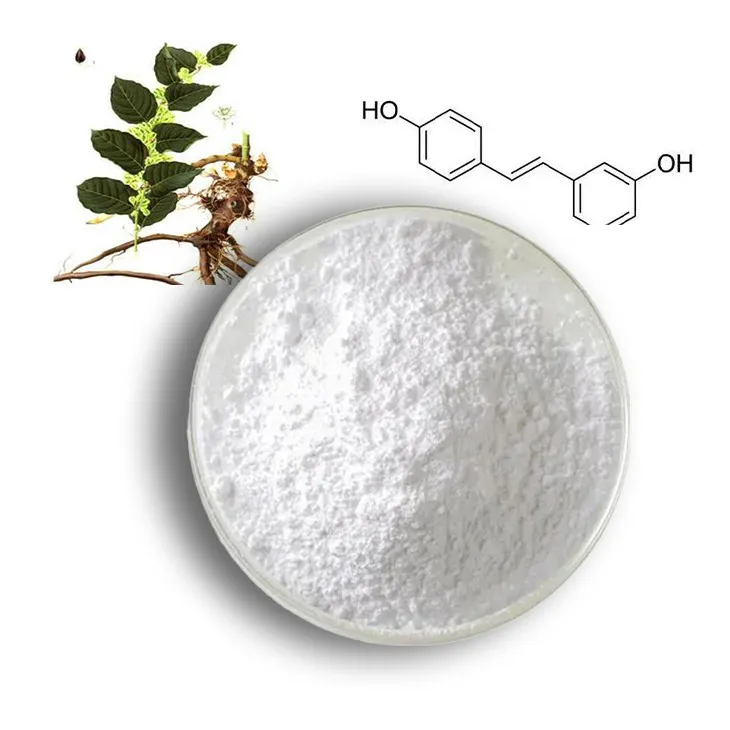
Resveratrol is a polyphenol produced by grapes, red wine, berries, and Japanese knotweed. It gained attention for its cardioprotective effects and for its role in activating longevity-related pathways in cells. Together, the two are often marketed as a daily "antioxidant stack" for people who want broad support for circulation and overall well-being.
Are curcumin and resveratrol safe on their own?
For most healthy adults, the answer is yes. Curcumin has a long history of culinary and traditional use, and clinical studies have found that doses in the hundreds of milligrams taken daily are generally well tolerated for periods of up to a few months. The most common side effect is mild stomach upset, which is usually reduced by taking the supplement with food. Very high doses can occasionally cause digestive discomfort in sensitive people, and curcumin's effect on bile production means it should be avoided by anyone with gallstones or bile duct obstruction unless a doctor says otherwise.
Resveratrol is also regarded as well tolerated at typical supplement doses. Reported side effects are mostly mild and gastrointestinal, such as loose stools at higher intakes. Some research suggests that very high or prolonged dosing may have effects that are not yet fully understood, and opinions on this remain mixed. The practical takeaway is that normal label doses are not considered a concern for healthy people, while megadoses are rarely a good idea for anything.
Is taking them together every day a problem?
There is no established interaction between curcumin and resveratrol themselves. In fact, they are frequently paired precisely because they support overlapping pathways: both reduce oxidative stress, and both help manage low-grade inflammation that is linked to heart and joint concerns. Many people find a combined curcumin resveratrol supplement convenient because it covers more ground in a single daily serving.
That said, because both compounds are poorly absorbed on their own, the quality of the formulation matters a great deal. Curcumin is often paired with black pepper extract or made more absorbable through special preparation, and resveratrol is frequently combined with other polyphenols. A well-made product lets you get the benefit from a reasonable dose instead of needing an impractically large one.
How to take them safely for daily use
- Follow the label. Start with a moderate serving and stick to the manufacturer's recommended amount rather than assuming more is better.
- Take with food. Both polyphenols absorb better with a meal, and food softens any stomach irritation from curcumin.
- Split the dose if needed. If a single larger serving upsets your stomach, dividing it across the day usually helps.
- Choose standardized extracts. Products that state the active content, such as curcuminoids or trans-resveratrol content, are easier to judge than vague "superfood" blends.
- Look for quality and testing. Third-party testing for purity and contaminants makes a real difference, especially with concentrated extracts.
Who should be cautious
A few groups should check with a healthcare professional before taking these daily. Curcumin can interact with blood-thinning medication and may add to the effect of diabetes drugs, and very high doses have rarely been linked to liver concerns in susceptible people. Resveratrol can also affect how the body handles certain medications, including some blood thinners. Pregnant or nursing women, people with gallstones, and anyone scheduled for surgery should treat these supplements with extra care. None of this means the compounds are dangerous; it simply means they are biologically active and deserve respect.
Why ingredient quality matters
Because curcumin and resveratrol are extracted from plants, the source and processing of the raw material shape everything from potency to safety. Clean, well-characterized starting materials and consistent extraction methods produce a more reliable curcumin extract and resveratrol extract than inconsistent ones. Reputable manufacturers who supply the supplement industry pay close attention to standardized active content, contaminant control, and documentation, which is exactly what brand owners rely on when they promise a safe daily product. Greensky, a plant extract manufacturer based in Hangzhou, produces such ingredients under food-grade conditions and holds certifications including ISO22000, BRCGS, and GMP, giving downstream brands a dependable curcumin resveratrol raw-material base.
The bottom line
For the majority of healthy adults, a daily curcumin and resveratrol supplement at a normal label dose is safe and well tolerated. The key factors are dose, formulation quality, and your own health background. Start modest, take it with food, choose a standardized and well-tested product, and check with a doctor if you take medication or have an existing condition. Done that way, this popular antioxidant pairing is a reasonable addition to a healthy routine for most people.
TAGS:
- ▶ Hesperidin
- ▶ Citrus Bioflavonoids
- ▶ Plant Extract
- ▶ lycopene
- ▶ Diosmin
- ▶ Grape seed extract
- ▶ Sea buckthorn Juice Powder
- ▶ Fruit Juice Powder
- ▶ Hops Extract
- ▶ Artichoke Extract
- ▶ Mushroom extract
- ▶ Astaxanthin
- ▶ Green Tea Extract
- ▶ Curcumin
- ▶ Horse Chestnut Extract
- ▶ Other Product
- ▶ Boswellia Serrata Extract
- ▶ Resveratrol
- ▶ Marigold Extract
- ▶ Grape Leaf Extract
- ▶ New Product
- ▶ Aminolevulinic acid
- ▶ Cranberry Extract
- ▶ Red Yeast Rice
- ▶ Red Wine Extract
- ▶ blog
-
Hawthorn powder
2026-08-15
-
Bitter Melon Extract
2026-08-15
-
Peppermint Extract Powder
2026-08-15
-
Citrus Aurantium Extract
2026-08-15
-
Stevia Extract
2026-08-15
-
Dan Shen Root Extract/Salvia Root Extract
2026-08-15
-
Diosmin
2026-08-15
-
Pomegranate Extract
2026-08-15
-
Grape Seed Extract
2026-08-15
-
Baobab Fruit Extract
2026-08-15