- 0086-571-85302990
- [email protected]




Astaxanthin: Complete Guide to Antioxidant Science, Eye & Skin Health, and B2B Sourcing (2026)
2026-11-23
Table of Contents
What Is Astaxanthin and Why Is It Called the "King of Carotenoids"?
Natural Sources: Haematococcus pluvialis vs. Synthetic Astaxanthin
The Science: Why Astaxanthin Is 6,000x Stronger Than Vitamin C
Clinical Evidence for Eye Health and Vision Protection
Skin Health, UV Protection, and Anti-Aging Benefits
Athletic Performance, Recovery, and Endurance Enhancement
Quality Standards, Isomer Profiles, and Bioavailability Optimization
How to Source Premium Astaxanthin: A Buyer's Guide
Applications in Supplements, Cosmetics, and Aquaculture
Safety, Dosage, and Regulatory Compliance
Why Choose Greensky Bio as Your Astaxanthin Supplier
1. What Is Astaxanthin and Why Is It Called the "King of Carotenoids"?
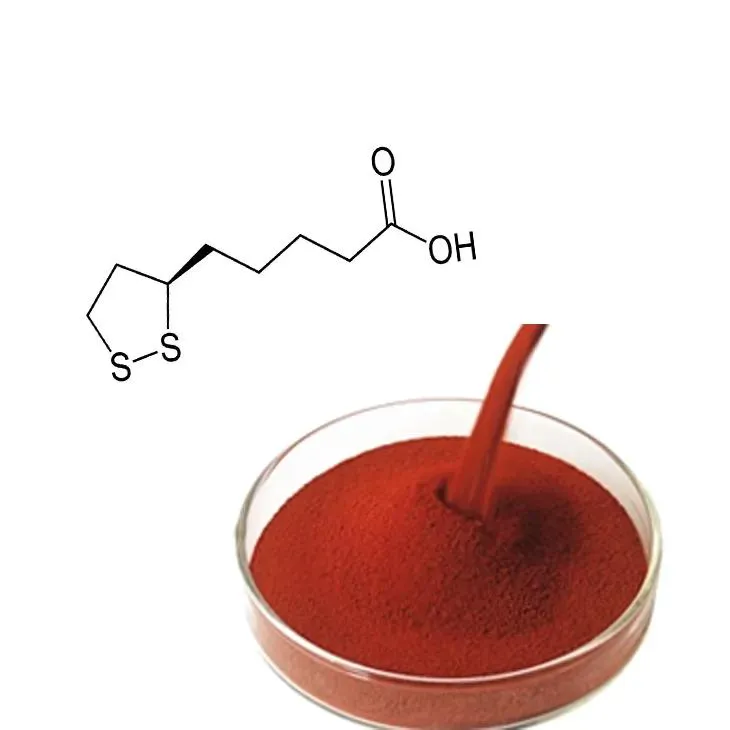
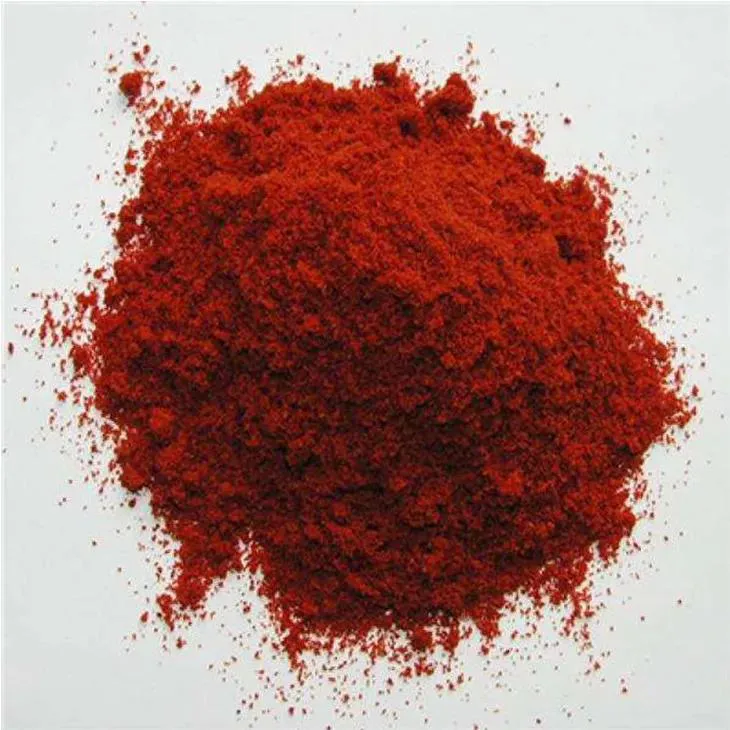
Astaxanthin (3,3′-dihydroxy-β,β-carotene-4,4′-dione) is a naturally occurring red-orange pigment belonging to the xanthophyll class of carotenoids. It is found in microalgae, yeast, salmon, trout, krill, shrimp, crayfish, crustaceans, and the feathers of some birds — and it is responsible for the pink-red color of flamingos, salmon, and lobster shells.
What makes astaxanthin truly exceptional is its extraordinary antioxidant potency:
6,000x stronger than Vitamin C
800x stronger than CoQ10
550x stronger than green tea catechins (EGCG)
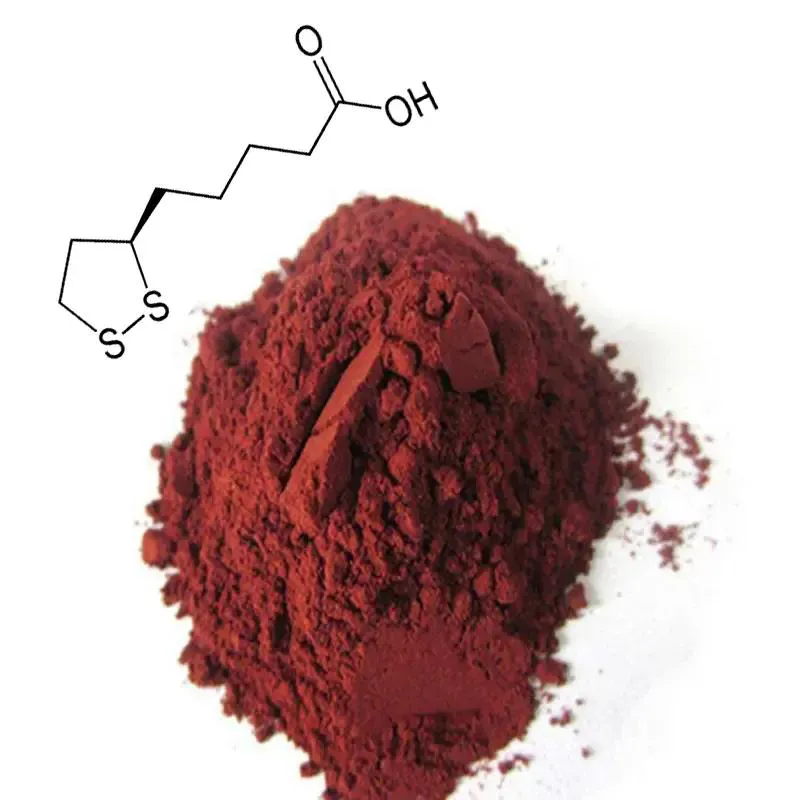
75x stronger than alpha-lipoic acid
40x stronger than beta-carotene
These comparisons, based on singlet oxygen quenching capacity, have earned astaxanthin the nickname "King of Carotenoids" and "Super Vitamin E" in the nutraceutical industry.
Unlike other carotenoids, astaxanthin has a unique molecular structure that allows it to span the entire cell membrane — providing antioxidant protection to both the inner and outer lipid bilayers simultaneously. It also never becomes a pro-oxidant, even at high concentrations, making it one of the safest and most effective natural antioxidants available.
The global astaxanthin market is projected to reach USD 1.3 billion by 2028, driven by expanding applications in dietary supplements, cosmetics, aquaculture feed, and food coloring. Hangzhou Greensky Biological Tech Co., Ltd offers premium natural astaxanthin sourced from Haematococcus pluvialis, the richest natural source of this remarkable compound.
2. Natural Sources: Haematococcus pluvialis vs. Synthetic Astaxanthin
2.1 Natural Astaxanthin from Haematococcus pluvialis
The microalga Haematococcus pluvialis is the richest known natural source of astaxanthin, accumulating up to 4–5% astaxanthin by dry weight under stress conditions (high light, nutrient deprivation). This is the gold standard source for dietary supplement and cosmetic-grade astaxanthin.
Key advantages of H. pluvialis-derived astaxanthin:
100% natural: Recognized as natural by all major regulatory bodies
Superior bioactivity: Natural astaxanthin exists primarily in the (3S,3′S) stereoisomer form, which has the highest biological activity
Full-spectrum nutrients: Accompanied by other carotenoids, fatty acids, and algal compounds that may enhance bioavailability
2.2 Synthetic Astaxanthin (Petrochemical-Derived)
Synthetic astaxanthin is produced chemically from petrochemical precursors. While structurally similar, it differs in important ways:
Feature Natural (H. pluvialis) Synthetic Stereoisomer composition 100% (3S,3′S) Mix of (3S,3′S), (3R,3′R), (3R,3′S) Regulatory acceptance Approved for supplements & food Not approved for human dietary supplements in most jurisdictions Primary use Supplements, cosmetics, food Aquaculture feed coloring Biological activity Highest (all-S form) ~50% of natural (mixed isomers) Consumer perception "Natural," "clean label" "Synthetic," "artificial"
Important: Synthetic astaxanthin is widely used in salmon farming for feed coloring but is not approved for use in human dietary supplements in the EU and many other jurisdictions. Always ensure your supplier provides natural astaxanthin for supplement applications.
2.3 Other Natural Sources
Source Astaxanthin Content Commercial Viability Haematococcus pluvialis 4–5% dry weight ★★★★★ (Primary source) Phaffia rhodozyma (yeast) 0.1–0.4% dry weight ★★☆☆☆ (Low yield) Krill oil Trace amounts ★★☆☆☆ (Secondary source) Salmon muscle 2–5 mg/kg Not commercially extractable
3. The Science: Why Astaxanthin Is 6,000x Stronger Than Vitamin C
3.1 Molecular Structure and Antioxidant Mechanism
Astaxanthin's exceptional antioxidant capacity derives from its unique molecular architecture:
Conjugated double-bond system: 13 conjugated double bonds create an extended electron-delocalized system that efficiently quenches singlet oxygen and neutralizes free radicals
Polar ionone rings: Terminal rings with hydroxyl and keto groups allow astaxanthin to anchor at both the inner and outer surfaces of the cell membrane
Transmembrane orientation: Unlike beta-carotene (which sits only within the membrane) and Vitamin C (which acts only in aqueous environments), astaxanthin spans the entire lipid bilayer — providing comprehensive membrane protection
3.2 Singlet Oxygen Quenching
Singlet oxygen (¹O₂) is one of the most damaging reactive oxygen species (ROS) in biological systems. Astaxanthin's singlet oxygen quenching capacity has been measured using multiple methods:
Antioxidant Singlet Oxygen Quenching (relative to Vitamin C = 1) Astaxanthin 6,000 Vitamin E 100 Beta-carotene 40 Lutein 20 EGCG (Green Tea) 11 Alpha-lipoic acid 75 CoQ10 800
3.3 Never Becomes a Pro-Oxidant
Many antioxidants, including beta-carotene and Vitamin E, can act as pro-oxidants under certain conditions (high oxygen tension, high concentrations), potentially causing more harm than good. Astaxanthin never exhibits pro-oxidant activity, even at very high concentrations — a critical safety advantage.
3.4 Additional Mechanisms Beyond Antioxidant Activity
Astaxanthin's biological effects extend beyond simple radical scavenging:
Anti-inflammatory: Inhibits NF-κB, COX-2, and iNOS expression; reduces CRP, TNF-α, and IL-6
Mitochondrial support: Enhances mitochondrial function and ATP production
Gene expression modulation: Activates Nrf2 pathway, upregulating endogenous antioxidant enzymes (SOD, catalase, glutathione peroxidase)
Immune modulation: Enhances T-cell and B-cell function, increases NK cell activity
4. Clinical Evidence for Eye Health and Vision Protection
4.1 Mechanisms of Ocular Protection
Astaxanthin's ability to cross the blood-retinal barrier and its potent antioxidant properties make it uniquely suited for eye health:
Macular protection: Neutralizes singlet oxygen generated by light exposure in the retina
Ciliary muscle relaxation: Improves accommodation and reduces eye fatigue
Anti-inflammatory: Reduces inflammatory mediators associated with dry eye and uveitis
Blood flow improvement: Enhances retinal capillary blood flow
4.2 Clinical Studies
Digital Eye Strain (Computer Vision Syndrome)
Study (n = 133): 6 mg/day astaxanthin for 4 weeks significantly reduced eye fatigue, shoulder stiffness, and blurred vision in VDT (visual display terminal) workers
Results: Significant improvement in accommodation amplitude and reduced subjective eye strain scores
Age-Related Macular Degeneration (AMD)
Multiple observational studies suggest that higher dietary carotenoid intake, including astaxanthin, is associated with reduced AMD risk
Mechanistic studies confirm astaxanthin's protective effects against light-induced retinal damage in animal models
Dry Eye Syndrome
Study (n = 52): Astaxanthin supplementation (6 mg/day) combined with lutein significantly improved tear film stability and reduced dry eye symptoms
Proposed mechanism: Anti-inflammatory effects on lacrimal gland function and meibomian gland health
5. Skin Health, UV Protection, and Anti-Aging Benefits
5.1 Internal Photoprotection
Astaxanthin provides "internal sunscreen" effects by accumulating in the skin and neutralizing UV-induced free radicals:
Study (n = 21): 4 mg/day oral astaxanthin for 9 weeks significantly improved skin elasticity, moisture content, and reduced age spot size
Study (n = 30): Combined oral (6 mg/day) and topical astaxanthin application improved skin wrinkle depth, elasticity, and moisture levels
UV protection: Reduces UV-induced DNA damage, collagen degradation, and inflammatory response
5.2 Anti-Aging Mechanisms
Collagen preservation: Inhibits collagenase (MMP-1) activity, preserving skin structural proteins
Moisture retention: Improves skin barrier function and water-holding capacity
Age spot reduction: Reduces melanin accumulation and oxidative damage in hyperpigmented areas
Wrinkle improvement: Clinical studies show measurable reduction in wrinkle depth with consistent supplementation
5.3 Cosmetic Applications
Astaxanthin is increasingly incorporated into:
Anti-aging serums and creams
Sunscreen formulations (as a complementary photoprotective agent)
Eye creams (targeting periorbital wrinkles and dark circles)
Post-procedure skincare (after laser treatments, chemical peels)
6. Athletic Performance, Recovery, and Endurance Enhancement
6.1 Exercise-Induced Oxidative Stress
Intense exercise generates significant amounts of ROS, leading to muscle damage, inflammation, and delayed-onset muscle soreness (DOMS). Astaxanthin's potent antioxidant activity addresses multiple aspects of exercise recovery:
Reduced muscle damage: Lower creatine kinase (CK) and lactate dehydrogenase (LDH) levels post-exercise
Enhanced recovery: Faster resolution of DOMS and restoration of muscle function
Improved endurance: Increased time to exhaustion in cycling and running studies
6.2 Clinical Evidence
Study (n = 40): 4 mg/day astaxanthin for 90 days significantly improved cycling time trial performance
Study (n = 36): 12 mg/day for 4 weeks reduced exercise-induced oxidative stress markers and improved recovery indices
Study (n = 18): Astaxanthin supplementation increased fat utilization during exercise, potentially improving endurance performance
6.3 Proposed Mechanisms for Athletic Benefits
Mitochondrial protection: Reduces oxidative damage to mitochondrial membranes, preserving ATP production
Enhanced fatty acid oxidation: Shifts substrate utilization toward fat metabolism, sparing glycogen
Anti-inflammatory: Reduces exercise-induced inflammation and muscle damage
Blood flow improvement: Enhanced nitric oxide-mediated vasodilation improves oxygen delivery
7. Quality Standards, Isomer Profiles, and Bioavailability Optimization
7.1 Stereoisomer Importance
Natural astaxanthin from H. pluvialis exists primarily as the (3S,3′S) stereoisomer, which has been shown to have the highest biological activity. Synthetic astaxanthin contains a mixture of three stereoisomers:
Isomer Source Biological Activity (3S,3′S) Natural (H. pluvialis) Highest (3R,3′R) Synthetic ~50% of (3S,3′S) meso (3R,3′S) Synthetic ~25% of (3S,3′S)
Always specify natural astaxanthin (all-S form) for supplement and cosmetic applications.
7.2 Bioavailability Enhancement
Astaxanthin is fat-soluble and requires lipid co-consumption for optimal absorption:
Formulation Type Relative Bioavailability Oil-based softgel (with carrier oil) 100% (baseline) Beadlet (powder with emulsifier) 70–90% Water-dispersible (nano-emulsion) 120–150% Krill oil complex (natural phospholipid-bound) 150–200%
Recommendation: For supplement formulations, oil-based softgels with medium-chain triglycerides (MCT) or olive oil provide the best balance of cost, stability, and bioavailability.
7.3 Key Quality Specifications
Parameter Standard Astaxanthin content (HPLC) 2–10% (oleoresin); 1–5% (powder) Isomer profile (3S,3′S) ≥ 95% for natural Solvent residues Compliant with ICH guidelines Heavy metals ≤ 10 ppm Microbial limits Complies with USP/EP Pesticide residues EU/US compliant
8. How to Source Premium Astaxanthin: A Buyer's Guide
8.1 Critical Questions for Suppliers
What is the source? — Must be Haematococcus pluvialis for natural astaxanthin
What is the cultivation method? — Photobioreactor (closed system) offers superior purity vs. open pond
What is the extraction method? — Supercritical CO₂ extraction preserves bioactivity; solvent extraction may leave residues
What is the isomer profile? — Request HPLC chromatogram showing (3S,3′S) content
Is third-party testing available? — SGS, Eurofins, or equivalent for potency and contaminants
8.2 Red Flags
Source listed as "natural" without species identification
No isomer profile data
Unusually low pricing (may indicate synthetic adulteration)
No stability data (astaxanthin degrades with heat, light, and oxygen)
No third-party testing documentation
9. Applications in Supplements, Cosmetics, and Aquaculture
9.1 Dietary Supplements
Softgel capsules: 4–12 mg per serving, typically formulated with carrier oils
Combination formulas: Blended with lutein, zeaxanthin, omega-3, CoQ10, or collagen
Powder formulations: Beadlet technology for capsule and tablet applications
9.2 Cosmetics & Skincare
Anti-aging serums: 0.1–1.0% concentration
Sunscreen formulations: Complementary photoprotection
Eye creams: Targeting periorbital concerns
Post-procedure skincare: Supporting skin recovery after cosmetic treatments
9.3 Aquaculture & Animal Feed
Salmon and trout feed: Provides natural pink-red flesh coloration
Ornamental fish: Enhances coloration of koi, goldfish, and other ornamental species
Poultry feed: Enhances egg yolk coloration and skin pigmentation
10. Safety, Dosage, and Regulatory Compliance
10.1 Recommended Dosage
Application Daily Dosage General antioxidant support 4 mg/day Eye health 6–12 mg/day Skin health & anti-aging 4–6 mg/day Athletic performance 4–12 mg/day Cardiovascular support 6–12 mg/day
10.2 Safety Profile
GRAS status: Generally Recognized As Safe by FDA
No observed adverse effects: Up to 40 mg/day in clinical studies
No pro-oxidant activity: Safe at high doses
Pregnancy: Limited data; use with caution
Drug interactions: No significant interactions reported
10.3 Regulatory Status
Region Status USA GRAS; dietary supplement ingredient EU Novel Food approved; food supplement ingredient Japan Food with Function Claims (FFC) approved China New food ingredient (新食品原料) approved
11. Why Choose Greensky Bio as Your Astaxanthin Supplier
Hangzhou Greensky Biological Tech Co., Ltd is a professional natural plant extract manufacturer with over 20 years of experience in botanical sourcing, extraction, and quality control.
Our Advantages
Supercritical CO₂ extraction: Preserves full astaxanthin bioactivity with zero solvent residues
Full quality documentation: COAs, TDS, SDS, and regulatory compliance certificates
Multiple product formats: Oleoresin, beadlet powder, and water-dispersible options
ISO22000, BRCGS, Ecocert Organic, SGS-GMP certified facilities
100,000-class clean area production environment
Independent laboratory with GC, HPLC, UV analytical capabilities
Global export experience: Serving markets in Europe, US, South Korea, and Russia
Contact Greensky Bio today for pricing, samples, and technical documentation for our Astaxanthin product line.
- ▶ Hesperidin
- ▶ Citrus Bioflavonoids
- ▶ Plant Extract
- ▶ lycopene
- ▶ Diosmin
- ▶ Grape seed extract
- ▶ Sea buckthorn Juice Powder
- ▶ Fruit Juice Powder
- ▶ Hops Extract
- ▶ Artichoke Extract
- ▶ Mushroom extract
- ▶ Astaxanthin
- ▶ Green Tea Extract
- ▶ Curcumin
- ▶ Horse Chestnut Extract
- ▶ Other Product
- ▶ Boswellia Serrata Extract
- ▶ Resveratrol
- ▶ Marigold Extract
- ▶ Grape Leaf Extract
- ▶ New Product
- ▶ Aminolevulinic acid
- ▶ Cranberry Extract
- ▶ Red Yeast Rice
- ▶ Red Wine Extract
- ▶ blog
-
Red Vine Extract
2026-11-23
-
Honeysuckle Pollen
2026-11-23
-
Reishi mushroom extract
2026-11-23
-
American Ginseng Root Extract
2026-11-23
-
Mango flavored powder
2026-11-23
-
Selenium yeast
2026-11-23
-
Citrus Aurantium Extract
2026-11-23
-
Berberis aristata Extract
2026-11-23
-
Red Date Extract
2026-11-23
-
Kupilu Extract
2026-11-23