- 0086-571-85302990
- [email protected]




What Is Astaxanthin? King of Antioxidants — Science, Benefits & B2B Sourcing Guide (2026) 1. What Is
2026-10-25
What Is Astaxanthin? King of Antioxidants — Science, Benefits & B2B Sourcing Guide (2026)
1. What Is Astaxanthin and Why Is It Called the "King of Carotenoids"?
Astaxanthin (虾青素) is a naturally occurring red-pink carotenoid pigment found in wild salmon, krill, lobster, shrimp, and flamingos. These organisms don't produce astaxanthin themselves — they accumulate it by consuming Haematococcus pluvialis, a freshwater microalga that produces astaxanthin as a stress-response pigment when exposed to harsh environmental conditions.
Astaxanthin has earned the title "king of the carotenoids" because its unique molecular structure makes it significantly more potent than other well-known antioxidants:
6,000× stronger than vitamin C
800× stronger than CoQ10
550× stronger than green tea catechins (EGCG)
100× stronger than vitamin E (alpha-tocopherol) in singlet oxygen quenching
10× stronger than beta-carotene, lutein, and canthaxanthin
Unlike other carotenoids, astaxanthin never acts as a pro-oxidant, even at high concentrations — making it uniquely safe for long-term supplementation.
Greensky Bio offers premium astaxanthin oil from Haematococcus pluvialis, produced through supercritical CO₂ extraction at 5% and 10% standardized concentrations.
2. What Makes Astaxanthin So Powerful? The Molecular Science
2.1 Unique Molecular Architecture
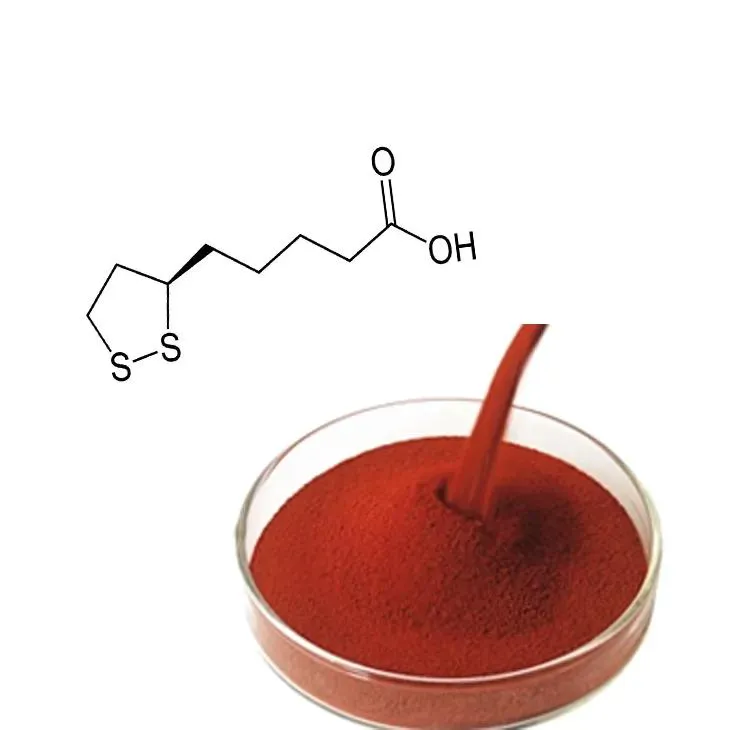
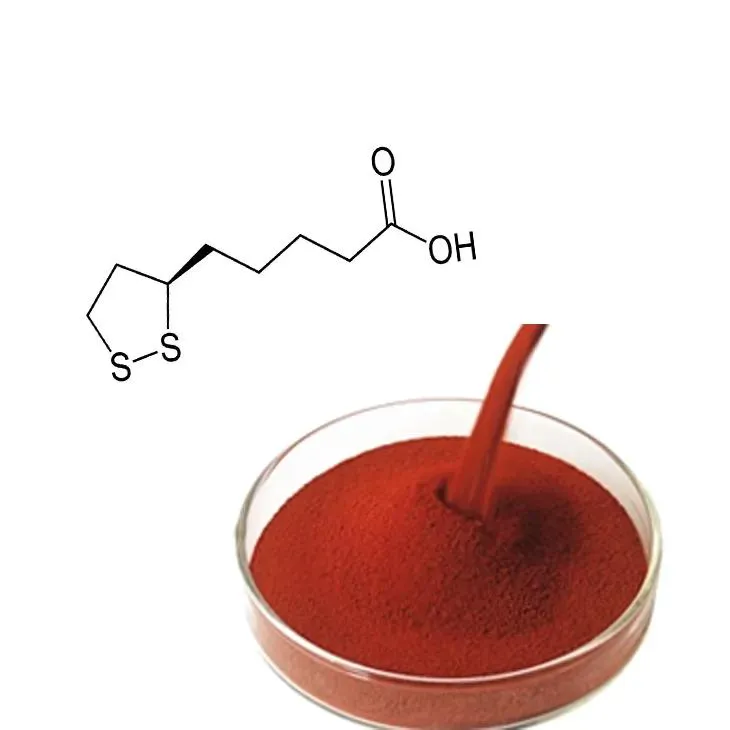
Astaxanthin (3,3′-dihydroxy-β,β′-carotene-4,4′-dione) has a distinctive structure that gives it unmatched antioxidant properties:
Hydroxyl groups (-OH) on both ionone rings — allow hydrogen donation to neutralize free radicals
Keto groups (C=O) on both rings — enable electron donation for additional radical scavenging
13 conjugated double bonds along the polyene chain — create an extended electron cloud that absorbs and dissipates excess energy
2.2 Membrane-Spanning Antioxidant Activity
Astaxanthin's most remarkable property is its ability to span the entire cell membrane — with its polar end groups positioned at the membrane surface (interacting with the aqueous environment) and its non-polar chain embedded within the lipid bilayer. This unique orientation allows it to:
Scavenge free radicals from both sides of the cell membrane simultaneously
Protect membrane lipids from peroxidation more effectively than any other carotenoid
Maintain membrane fluidity and integrity under oxidative stress
2.3 Standard Specifications
| Specification | Details |
|---|---|
| Active Ingredient | Astaxanthin (free + esters) |
| Standard Concentration | 5%, 10% (HPLC) |
| Source | Haematococcus pluvialis (natural) |
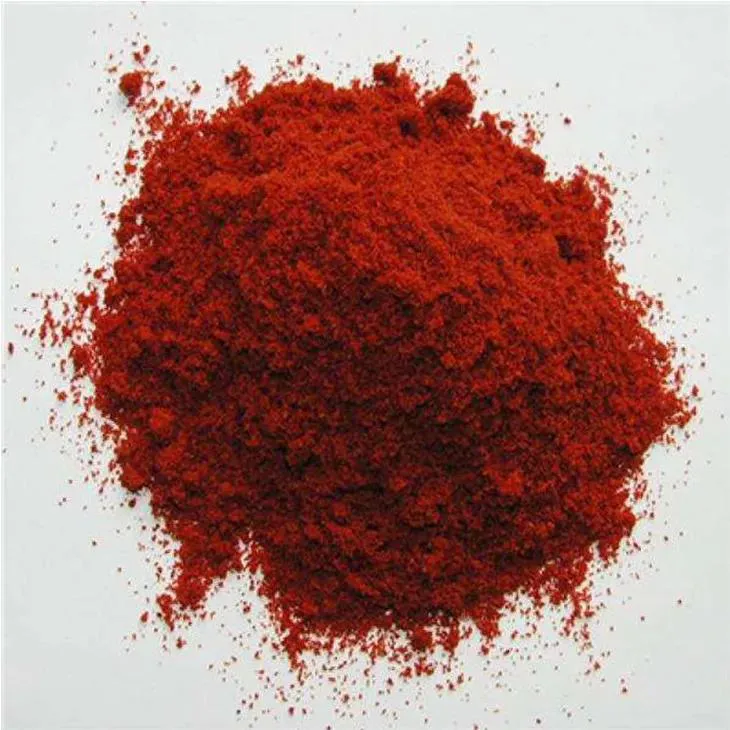
| Appearance | Dark red to brownish-red viscous oil |
| Carrier Oil | Sunflower oil / MCT oil |
| Extraction Method | Supercritical CO₂ (solvent-free) |
| Shelf Life | 24 months (nitrogen-flushed, refrigerated) |
3. What Are the Scientifically Proven Benefits of Astaxanthin?
3.1 Skin Health & Anti-Aging
Astaxanthin protects against UV-induced photoaging through multiple mechanisms:
Reduces MMP-1 expression: Matrix metalloproteinase-1 breaks down collagen — astaxanthin inhibits its production
Enhances skin elasticity: Clinical studies show significant improvement in skin elasticity and moisture retention after 6–8 weeks of supplementation
Reduces age spots and wrinkles: A study in Acta Biochimica Polonica (2012) demonstrated significant reduction in wrinkle depth and age spot size
Natural UV protection: Astaxanthin absorbs UV light, providing an internal SPF-boosting effect when combined with topical sunscreens
Clinical dose: 4–12 mg/day for visible skin improvements within 6–8 weeks.
3.2 Eye Health & Visual Function
Astaxanthin crosses the blood-retinal barrier, providing targeted protection for retinal cells:
Reduces eye fatigue: Particularly effective for digital screen users — improves ciliary muscle function and visual accommodation
Improves retinal blood flow: Enhances capillary circulation in the retina
May protect against AMD: Shows promise in preventing age-related macular degeneration through antioxidant protection of retinal pigment epithelium cells
3.3 Exercise Performance & Recovery
Astaxanthin reduces exercise-induced oxidative damage and muscle fatigue:
Decreases lactate accumulation: Enhances fatty acid utilization as an energy substrate during endurance exercise
Reduces muscle damage: Lowers post-exercise creatine kinase (CK) levels and delayed onset muscle soreness (DOMS)
Improves endurance: A study in Journal of Clinical Biochemistry and Nutrition (2008) found significant improvement in cycling time-trial performance
3.4 Cardiovascular & Metabolic Support
Reduces LDL oxidation: A critical step in atherosclerosis development
Improves endothelial function: Enhances blood flow and vascular health
Supports healthy lipid profiles: May increase HDL and reduce triglycerides
Metabolic syndrome: Shows potential in improving insulin sensitivity and reducing inflammatory markers in overweight/obese subjects
3.5 Neuroprotection & Cognitive Support
Astaxanthin crosses the blood-brain barrier, making it a promising neuroprotective agent:
Protects dopaminergic neurons: Demonstrated in models of neurodegeneration
Reduces neuroinflammation: Via NF-κB pathway modulation
Improves cognitive function: Shows benefit in age-related cognitive decline models
4. Natural vs. Synthetic Astaxanthin: Why Source Matters
| Factor | Natural (H. pluvialis) | Synthetic (Petrochemical) |
|---|---|---|
| Bioavailability | Superior (mono- and di-esters) | Lower (predominantly free form) |
| Ester Profile | Contains beneficial astaxanthin esters | Almost entirely free astaxanthin |
| Antioxidant Activity | Full-spectrum carotenoid complex | Single-molecule activity only |
| Market Use | Human supplements, cosmetics, functional foods | Aquaculture feed, pet food coloring |
| Consumer Perception | "Natural," "clean label" preferred | Declining acceptance in human nutrition |
Key takeaway: For human consumption, natural astaxanthin from H. pluvialis is vastly superior in both bioavailability and consumer acceptance.
5. About Greensky Bio: Certified Astaxanthin Supplier
Hangzhou Greensky Biological Tech Co., Ltd., established in 2004, is a professional natural plant extract manufacturer with over 20 years of experience in botanical extraction and quality control.
Why Source Astaxanthin from Greensky Bio?
✅ Natural astaxanthin from Haematococcus pluvialis (5%, 10% standardized)
✅ Supercritical CO₂ extraction — solvent-free, preserving full ester profile
✅ ISO22000, BRCGS, Ecocert Organic, SGS-GMP certified
✅ HPLC-verified potency on every batch
✅ Nitrogen-flushed packaging and cold-chain storage for maximum stability
✅ Export to Europe, the United States, South Korea, and Russia
Contact Greensky Bio for astaxanthin pricing and samples →
6. Astaxanthin FAQ
Q: What is the recommended daily dose of astaxanthin?
For general antioxidant support: 4 mg/day. For skin health and anti-aging: 6–12 mg/day. For sports performance and recovery: 4–12 mg/day. For eye health: 6–12 mg/day. Most studies use once-daily dosing with a meal containing fat for optimal absorption.
Q: Can astaxanthin be taken with other supplements?
Yes. Astaxanthin is commonly combined with omega-3 fatty acids, CoQ10, vitamin E, lutein, and zeaxanthin. These combinations have synergistic antioxidant and anti-inflammatory effects.
Q: Is astaxanthin safe for long-term use?
Yes. Multiple clinical studies have demonstrated the safety of daily astaxanthin supplementation for periods up to 12 months with no significant adverse effects. It has GRAS (Generally Recognized As Safe) status in the United States.
Q: Why is astaxanthin oil stored in nitrogen-flushed containers?
Astaxanthin is highly sensitive to oxygen and light. Nitrogen-flushed packaging displaces oxygen, preventing oxidation and preserving the potency and color of the oil throughout its shelf life. Refrigerated storage further extends stability.
Q: Do you offer water-dispersible astaxanthin formulations?
Yes. For beverage and gummy applications, we offer microencapsulated water-dispersible astaxanthin powders. Please contact our sales team for technical specifications.
- ▶ Hesperidin
- ▶ Citrus Bioflavonoids
- ▶ Plant Extract
- ▶ lycopene
- ▶ Diosmin
- ▶ Grape seed extract
- ▶ Sea buckthorn Juice Powder
- ▶ Fruit Juice Powder
- ▶ Hops Extract
- ▶ Artichoke Extract
- ▶ Mushroom extract
- ▶ Astaxanthin
- ▶ Green Tea Extract
- ▶ Curcumin
- ▶ Horse Chestnut Extract
- ▶ Other Product
- ▶ Boswellia Serrata Extract
- ▶ Resveratrol
- ▶ Marigold Extract
- ▶ Grape Leaf Extract
- ▶ New Product
- ▶ Aminolevulinic acid
- ▶ Cranberry Extract
- ▶ Red Yeast Rice
- ▶ Red Wine Extract
- ▶ blog
-
Cocoa Extract
2026-10-25
-
Andrographis Paniculata Extract Powder
2026-10-25
-
Nettle Root Extract
2026-10-25
-
Chia Seed Powder
2026-10-25
-
Hedyotis Diffusa Extract
2026-10-25
-
Kelp Extract Powder
2026-10-25
-
Nettle leaf extract
2026-10-25
-
Nattokinase
2026-10-25
-
Aguaje Extract
2026-10-25
-
Kupilu Extract
2026-10-25