- 0086-571-85302990
- [email protected]




Natural Astaxanthin vs. Synthetic Astaxanthin: What Supplement Buyers Need to Know
2026-10-03
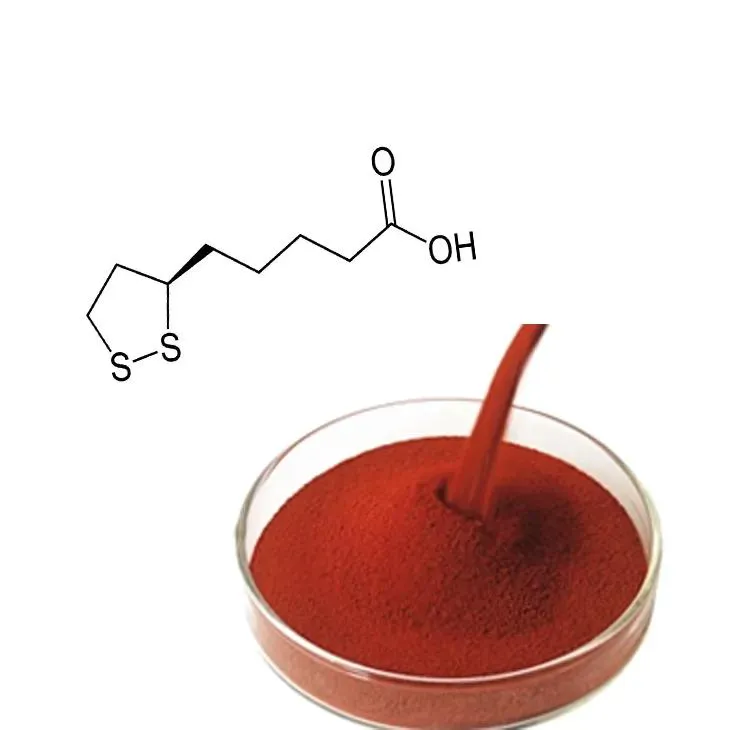
Astaxanthin — often called the "king of carotenoids" — has exploded in popularity as one of the most powerful natural antioxidants available. With antioxidant potency up to 6,000 times stronger than vitamin C, this remarkable red pigment is driving massive growth in the global health and wellness industry.
But not all Astaxanthin is created equal. Understanding the difference between natural Astaxanthin and synthetic astaxanthin is essential for any supplement formulator, brand owner, or health-conscious buyer.
What Is Astaxanthin?
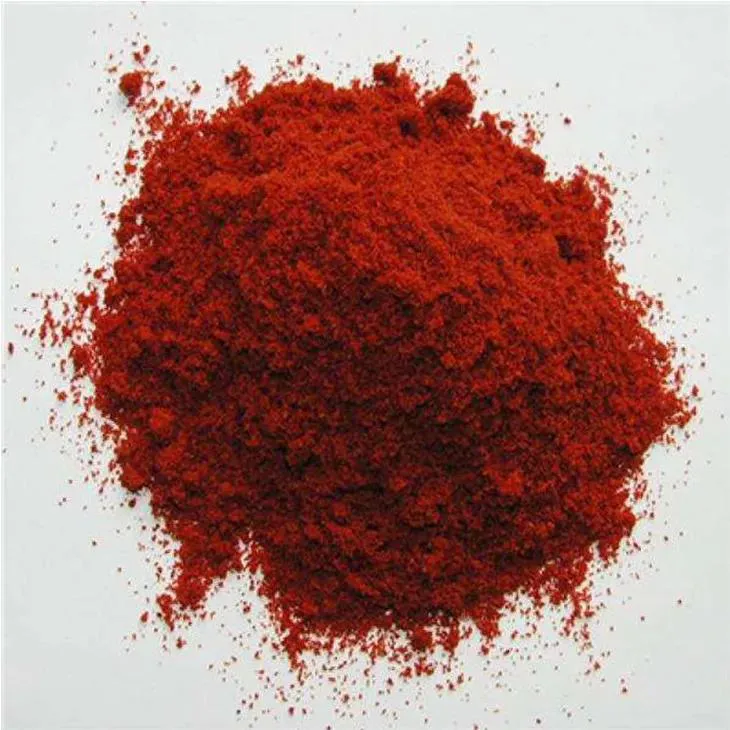
Astaxanthin is a naturally occurring red pigment belonging to the carotenoid family. It is primarily produced by the microalga Haematococcus pluvialis as a protective response to environmental stress. This same compound gives salmon, shrimp, and flamingos their characteristic pink-red coloration.
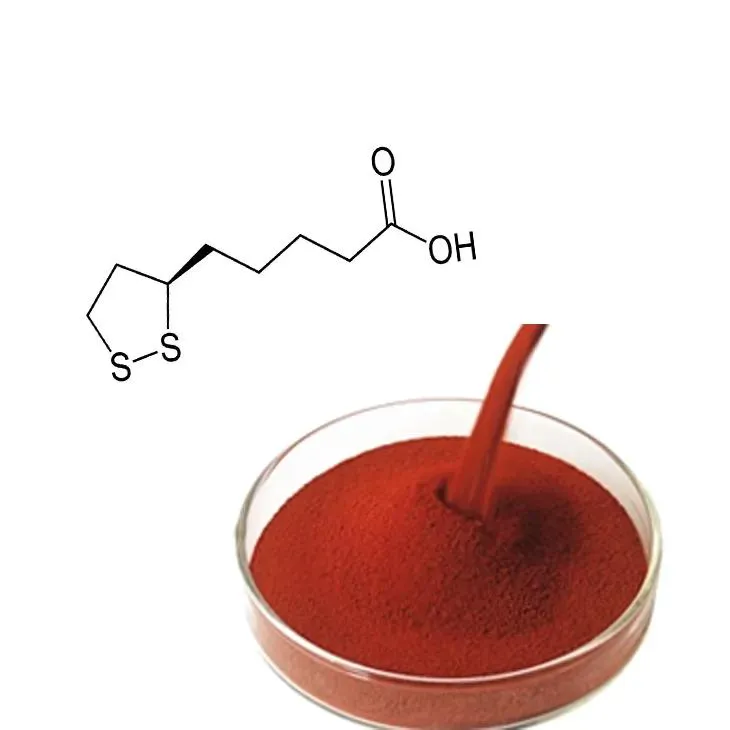
Key Differences: Natural vs. Synthetic Astaxanthin
1. Source and Production Method
| Feature | Natural Astaxanthin | Synthetic Astaxanthin |
|---|---|---|
| Source | Haematococcus pluvialis microalgae | Petrochemical synthesis |
| Production | Cultivation → stress induction → extraction | Chemical synthesis from petrochemical precursors |
| Isomers | Natural 3S,3'S stereoisomer (bioactive form) | Mixture of isomers (3S, 3R, meso) — less bioavailable |
2. Bioavailability and Biological Activity
Research consistently shows that natural astaxanthin from H. pluvialis demonstrates significantly higher bioavailability and biological activity compared to synthetic versions. The natural 3S,3'S stereoisomer is the form that human cells recognize and utilize most efficiently.
3. Antioxidant Power
Natural astaxanthin's unique molecular structure allows it to span cell membranes, providing protection from both inside and outside the cell. This dual-action mechanism makes it:
6,000x stronger than vitamin C
550x stronger than vitamin E (green tea catechins)
800x stronger than CoQ10
Health Benefits of Natural Astaxanthin
Eye Health and Vision Support
Natural astaxanthin crosses the blood-retinal barrier, directly protecting eye tissues. Clinical studies support its role in reducing eye fatigue, improving visual acuity, and supporting overall eye health.
Skin Health and Anti-Aging
By neutralizing free radicals caused by UV exposure and environmental stress, astaxanthin supplements help reduce wrinkles, improve skin elasticity, and protect against photoaging. Its ability to protect both skin surface and deeper tissues makes it a powerful anti-aging supplement.
Exercise Recovery and Athletic Performance
Athletes increasingly turn to natural astaxanthin for its ability to reduce exercise-induced oxidative stress, decrease muscle damage markers, and support faster recovery between training sessions.
Cardiovascular and Immune Support
Emerging research suggests astaxanthin supports heart health by improving lipid profiles and reducing inflammatory markers, while also enhancing immune cell function.
Market Trends: Rising Demand for Natural Astaxanthin
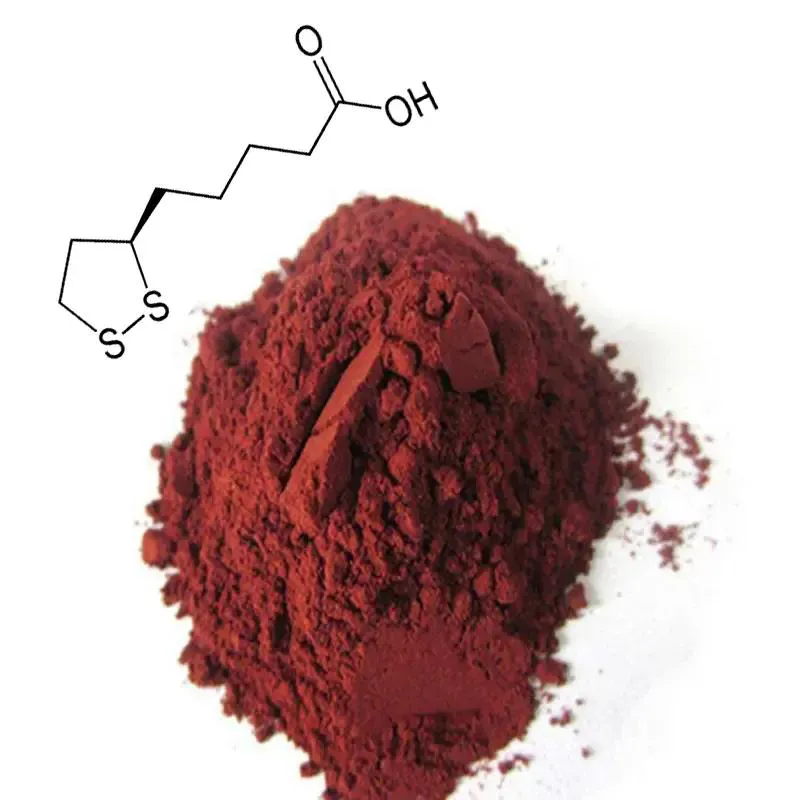
The global natural astaxanthin market is experiencing rapid growth, driven by:
Increasing consumer preference for clean-label, naturally sourced ingredients
Growing scientific evidence supporting health benefits
Expansion into new applications: cosmetics, aquaculture, animal feed
Rising health consciousness in Asia-Pacific and North American markets
Brands that switch from synthetic to natural astaxanthin from Haematococcus pluvialis gain a significant competitive advantage in the premium supplement segment.
Choosing a Quality Astaxanthin Supplier
When sourcing natural astaxanthin extract, prioritize manufacturers who:
Use Haematococcus pluvialis as the source material
Provide verified isomer profile analysis (confirming 3S,3'S content)
Hold organic certifications (Ecocert, USDA Organic)
Offer standardized concentrations (e.g., 5%, 10% astaxanthin)
Maintain GMP production facilities with full traceability
Greensky Bio: Your Trusted Natural Astaxanthin Partner
Hangzhou Greensky Biological Tech. supplies premium natural astaxanthin extract sourced from Haematococcus pluvialis, manufactured in our ISO22000, BRCGS, and Ecocert-certified facilities. Our astaxanthin products undergo rigorous HPLC testing to ensure potency, purity, and isomer accuracy.
- ▶ Hesperidin
- ▶ Citrus Bioflavonoids
- ▶ Plant Extract
- ▶ lycopene
- ▶ Diosmin
- ▶ Grape seed extract
- ▶ Sea buckthorn Juice Powder
- ▶ Fruit Juice Powder
- ▶ Hops Extract
- ▶ Artichoke Extract
- ▶ Mushroom extract
- ▶ Astaxanthin
- ▶ Green Tea Extract
- ▶ Curcumin
- ▶ Horse Chestnut Extract
- ▶ Other Product
- ▶ Boswellia Serrata Extract
- ▶ Resveratrol
- ▶ Marigold Extract
- ▶ Grape Leaf Extract
- ▶ New Product
- ▶ Aminolevulinic acid
- ▶ Cranberry Extract
- ▶ Red Yeast Rice
- ▶ Red Wine Extract
- ▶ blog
-
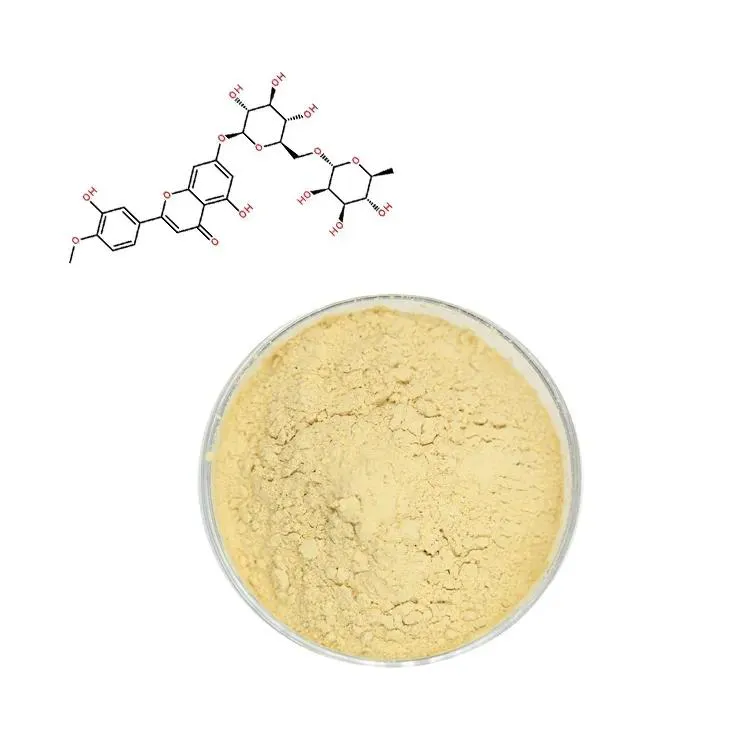
Diosmin
2026-10-03
-
Moringa powder
2026-10-03
-
American Ginseng Root Extract
2026-10-03
-
Saw Palmetto Extract
2026-10-03
-
Scutellaria Extract
2026-10-03
-
Baicalin
2026-10-03
-
Rosemary extract
2026-10-03
-
Baobab Fruit Extract
2026-10-03
-
Honeysuckle Pollen
2026-10-03
-
Hesperidin
2026-10-03