- 0086-571-85302990
- [email protected]




Astaxanthin: The Ultimate Antioxidant — Benefits, Sources, and Quality Guide
2026-09-17
Astaxanthin: The Ultimate Antioxidant — Benefits, Sources, and Quality Guide
What Is Astaxanthin?
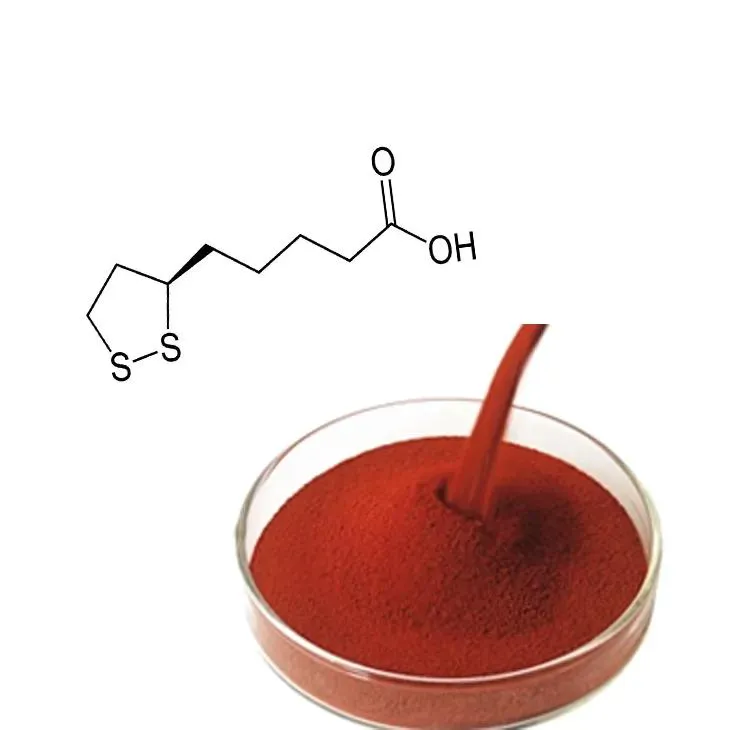
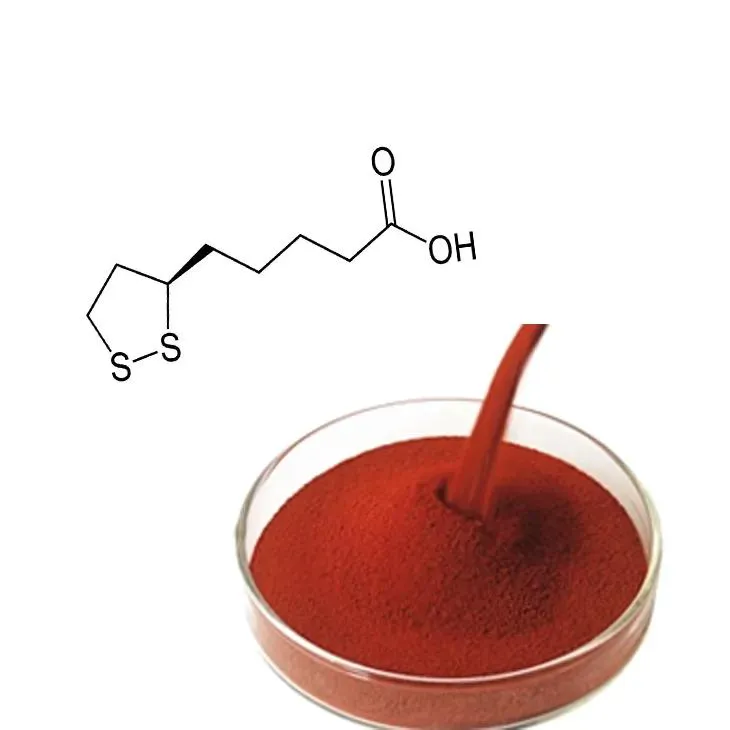
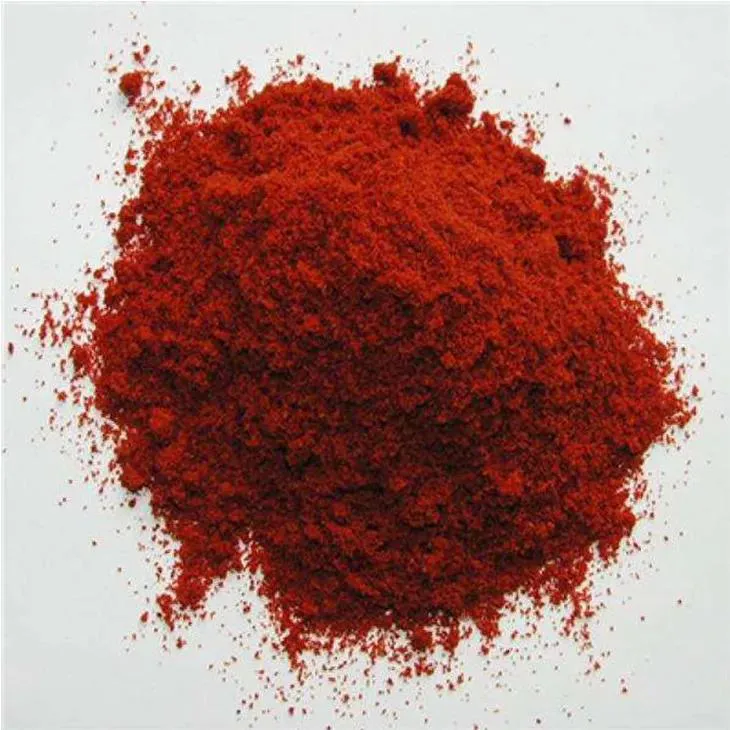
Astaxanthin is a naturally occurring red pigment belonging to the carotenoid family. Often called the "king of carotenoids" and the "strongest natural antioxidant," astaxanthin is found in microalgae, salmon, shrimp, krill, and other marine organisms. It is responsible for the pink-red coloration of flamingos, salmon, and crustaceans.
What makes astaxanthin unique among antioxidants is its molecular structure, which allows it to span across cell membranes — providing protection from both inside and outside the cell simultaneously. This unique positioning makes it up to 6,000 times more powerful than Vitamin C and 550 times more powerful than Vitamin E in singlet oxygen quenching activity.
Greensky Bio supplies premium natural astaxanthin extracted from Haematococcus pluvialis microalgae, the richest natural source of this powerful compound.
How Does Astaxanthin Work as an Antioxidant?
Unlike other antioxidants, astaxanthin has several unique properties:
1. Transmembrane Protection
Astaxanthin's molecular structure allows it to span the entire cell membrane, protecting both the inner and outer layers from oxidative damage. This is unlike other carotenoids that sit within only one layer of the membrane.
2. No Pro-Oxidant Activity
Many antioxidants can become pro-oxidants (causing oxidative damage) under certain conditions. Astaxanthin does not exhibit this behavior, making it safe even at higher doses.
3. Multiple Free Radical Neutralization
Astaxanthin neutralizes multiple types of free radicals through different mechanisms, providing broader protection than single-mechanism antioxidants.
4. Anti-Inflammatory Action
Astaxanthin inhibits inflammatory markers (COX-2, iNOS, NF-κB), providing dual antioxidant and anti-inflammatory benefits.
What Are the Science-Backed Benefits of Astaxanthin?
1. Skin Health and Anti-Aging
Astaxanthin is one of the most studied natural ingredients for skin health:
UV Protection: Reduces UV-induced skin damage and photoaging
Wrinkle Reduction: Clinical studies show improvement in fine lines and wrinkles after 6-8 weeks of supplementation
Moisture Retention: Improves skin hydration and elasticity
Age Spot Reduction: Helps reduce the appearance of age spots and hyperpigmentation
2. Eye Health
Astaxanthin crosses the blood-retinal barrier, providing direct protection to eye tissues:
Reduces Eye Fatigue: Particularly beneficial for those who spend long hours on digital screens
Supports Macular Health: May help protect against age-related macular degeneration
Improves Visual Acuity: Studies show improvements in accommodative function
Reduces Dry Eye Symptoms: Anti-inflammatory properties help maintain tear film stability
3. Exercise Performance and Recovery
Reduces Exercise-Induced Oxidative Stress: Protects muscle cells during intense physical activity
Improves Endurance: Studies show enhanced fat utilization during exercise
Accelerates Recovery: Reduces muscle damage markers and inflammation post-exercise
Joint Health: Anti-inflammatory effects support joint comfort and mobility
4. Cardiovascular Health
Supports Healthy Blood Lipids: May help maintain normal cholesterol levels
Protects Blood Vessels: Antioxidant protection supports endothelial function
Blood Pressure Support: Some studies suggest modest blood pressure benefits
5. Cognitive Function
Neuroprotective Effects: Crosses the blood-brain barrier to protect neural tissues
Memory Support: Animal studies show improved memory and learning performance
Anti-Inflammatory Brain Protection: May help reduce neuroinflammation
6. Immune System Support
Enhances Immune Cell Activity: Increases T-cell and B-cell proliferation
Reduces Inflammatory Response: Modulates inflammatory cytokine production
DNA Protection: Protects immune cell DNA from oxidative damage
Natural Sources of Astaxanthin
Haematococcus pluvialis Microalgae
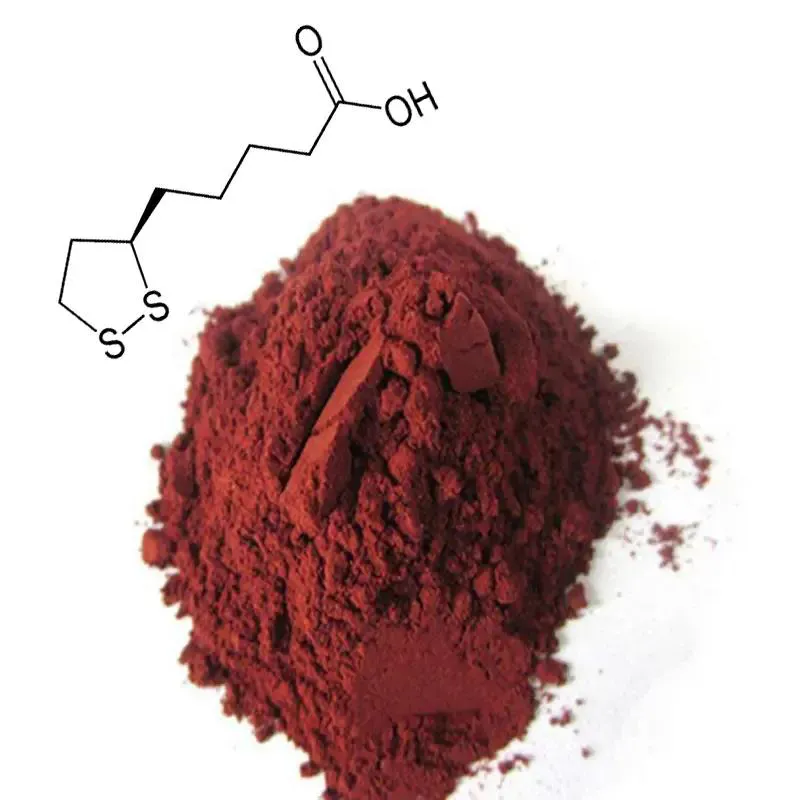
This freshwater microalga is the richest natural source of astaxanthin, containing up to 5% astaxanthin by dry weight. Under stress conditions (nutrient deprivation, high light intensity, temperature changes), the algae produce astaxanthin as a protective mechanism — turning from green to deep red.
Marine Animals
Salmon: Contains 3-8 mg/kg of astaxanthin (gives salmon its pink color)
Krill: Rich source used in many supplement formulations
Shrimp and Crabs: Contains smaller amounts of astaxanthin
Red Sea Bream: Contains astaxanthin in its skin
Natural vs. Synthetic Astaxanthin: What's the Difference?
Feature Natural Astaxanthin Synthetic Astaxanthin Source Haematococcus pluvialis algae Petrochemical synthesis Isomer Profile Natural isomers (mostly 3S, 3'S) Synthetic isomer mixture Bioavailability Higher (natural form) Lower Additional Compounds Contains other carotenoids and nutrients Pure astaxanthin only Primary Use Dietary supplements, cosmetics Aquaculture feed coloring Cost Higher Lower Safety Profile Extensively studied for human consumption Not intended for human supplementation
For human dietary supplements, natural astaxanthin from Haematococcus pluvialis is the recommended choice.
How Is Natural Astaxanthin Extracted?
1. Algae Cultivation
Haematococcus pluvialis is cultivated in controlled environments (photobioreactors or open ponds) under optimized conditions for maximum biomass production.
2. Stress Induction
The algae are subjected to controlled stress conditions that trigger astaxanthin production. This is when the algae transition from their green vegetative state to red cysts rich in astaxanthin.
3. Harvesting and Drying
The astaxanthin-rich biomass is harvested and dried using gentle methods (spray drying or freeze drying) to preserve the delicate carotenoid molecules.
4. Extraction
The dried biomass undergoes extraction using:
Supercritical CO2 extraction: The cleanest method, producing a solvent-free oleoresin
Organic solvent extraction: Using food-grade solvents like ethyl acetate
Oil extraction: Directly incorporating the dried biomass into carrier oils
5. Standardization and Quality Testing
The extract is standardized to specific astaxanthin concentrations and tested for purity, potency, and safety.
How to Choose Quality Astaxanthin
When sourcing natural astaxanthin, consider these factors:
1. Source Verification
Confirm the astaxanthin is derived from Haematococcus pluvialis, not synthetic sources or lower-yielding organisms.
2. Extraction Method
Supercritical CO2 extraction produces the highest quality astaxanthin oleoresin without solvent residues.
3. Astaxanthin Content
Quality suppliers provide verified astaxanthin content (typically 5% or 10% oleoresin for supplements).
4. Isomer Profile
Natural astaxanthin should contain predominantly the 3S, 3'S isomer, which has the highest bioactivity.
5. Third-Party Testing
Look for suppliers who provide Certificates of Analysis and undergo third-party verification.
6. Stability Data
Astaxanthin is sensitive to light, heat, and oxygen. Quality suppliers provide stability data and recommend appropriate packaging.
Astaxanthin in the Global Market
The global astaxanthin market is experiencing robust growth:
Market Size: Expected to reach $2.5+ billion by 2030
Growth Rate: CAGR of 12-15%
Key Drivers: Aging population, increasing health awareness, growing demand for natural ingredients in cosmetics
Top Applications: Dietary supplements, aquaculture feed, cosmetics, food coloring
Frequently Asked Questions About Astaxanthin
Q: What is the recommended daily dosage of astaxanthin?A: Most clinical studies use 4-12 mg per day. General health maintenance: 4-6 mg/day. Specific therapeutic applications: 8-12 mg/day. Always follow product labeling and consult a healthcare professional.
Q: Is astaxanthin safe for long-term use?A: Yes. Natural astaxanthin from Haematococcus pluvialis has been extensively studied and is generally recognized as safe (GRAS) by regulatory authorities.
Q: Can astaxanthin replace sunscreen?A: No. While astaxanthin provides some UV protection from within, it should complement — not replace — topical sun protection.
Q: How long does it take to see results from astaxanthin supplementation?A: Most studies show measurable benefits after 4-8 weeks of consistent daily use. Skin health improvements typically become noticeable after 6-8 weeks.
Q: Does astaxanthin have any side effects?A: Natural astaxanthin is very well tolerated. At very high doses, some users may notice a slight pinkish tint to the skin (harmless). No serious adverse effects have been reported in clinical studies.
Contact Greensky Bio for Astaxanthin
Interested in our natural astaxanthin from Haematococcus pluvialis? Contact our team for product specifications, samples, and pricing.
- ▶ Hesperidin
- ▶ Citrus Bioflavonoids
- ▶ Plant Extract
- ▶ lycopene
- ▶ Diosmin
- ▶ Grape seed extract
- ▶ Sea buckthorn Juice Powder
- ▶ Fruit Juice Powder
- ▶ Hops Extract
- ▶ Artichoke Extract
- ▶ Mushroom extract
- ▶ Astaxanthin
- ▶ Green Tea Extract
- ▶ Curcumin
- ▶ Horse Chestnut Extract
- ▶ Other Product
- ▶ Boswellia Serrata Extract
- ▶ Resveratrol
- ▶ Marigold Extract
- ▶ Grape Leaf Extract
- ▶ New Product
- ▶ Aminolevulinic acid
- ▶ Cranberry Extract
- ▶ Red Yeast Rice
- ▶ Red Wine Extract
- ▶ blog
-
Pueraria Lobata Extract
2026-09-17
-
Artichoke Extract
2026-09-17
-
Giant Knotweed Extract
2026-09-17
-
Agaricus Blazei Extract
2026-09-17
-
Mulberry leaf Extract
2026-09-17
-
Withania Somnifera Extract
2026-09-17
-
Longan Extract
2026-09-17
-
Hawthorn powder
2026-09-17
-
Gamma-Aminobutyric Acid
2026-09-17
-
Epimedium extract powder
2026-09-17