- 0086-571-85302990
- [email protected]




Astaxanthin Extract Complete Guide: The King of Carotenoids, Applications & Supplier Guide
2026-08-07
Meta Description: Discover everything about natural Astaxanthin extract from Haematococcus pluvialis — from its unmatched antioxidant power (6,000× stronger than Vitamin C) to applications in nutraceuticals, skincare, aquaculture, and sports nutrition. Greensky Bio, your trusted Astaxanthin supplier.
Meta Keywords: astaxanthin extract, Haematococcus pluvialis, natural astaxanthin, carotenoid antioxidant, astaxanthin 5%, astaxanthin oil, astaxanthin skincare, astaxanthin supplement, astaxanthin manufacturer China
URL Slug: /plant_extract/astaxanthin-extract-complete-guide.html
Target Keywords:
Primary: "astaxanthin extract", "natural astaxanthin", "Haematococcus pluvialis astaxanthin"
Secondary: "astaxanthin antioxidant supplement", "astaxanthin 5% oil", "astaxanthin for skin health"
Long-tail: "natural astaxanthin from Haematococcus pluvialis supplier", "astaxanthin extract for anti-aging skincare", "astaxanthin 2% 5% 10% powder manufacturer"
1. Introduction
Astaxanthin, a naturally occurring red-orange carotenoid pigment, has earned its reputation as "the king of carotenoids" — and for good reason. Its antioxidant capacity is estimated at 6,000 times stronger than Vitamin C, 800 times stronger than CoQ10, and 550 times stronger than green tea catechins. Originally studied for its role in giving salmon, shrimp, and flamingos their vibrant pink-red coloration, astaxanthin has now emerged as one of the most scientifically validated nutraceutical ingredients on the market, with over 4,000 published research papers confirming its anti-inflammatory, photoprotective, and performance-enhancing properties. Today, the global astaxanthin market exceeds USD 1.2 billion and is projected to grow at 14.5% CAGR through 2030.
Hangzhou Greensky Biological Tech Co., Ltd — a professional natural plant and microalgae extract manufacturer established in 2004 — offers premium natural astaxanthin extract derived from closed-system cultured Haematococcus pluvialis, backed by ISO22000, BRCGS, Ecocert Organic, and SGS-GMP certifications.
2. What Is Astaxanthin Extract?
Astaxanthin is a xanthophyll carotenoid — a type of pigment belonging to the broader terpenoid family. Unlike beta-carotene and many other carotenoids, astaxanthin is a potent antioxidant that does not exhibit pro-oxidant activity even at high concentrations, making it exceptionally safe for long-term supplementation.
2.1 Source Information
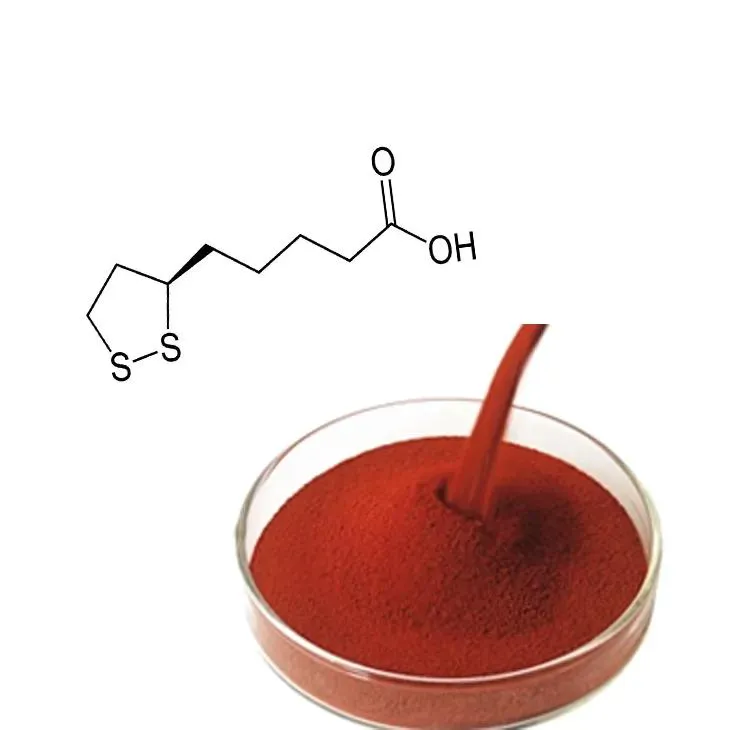
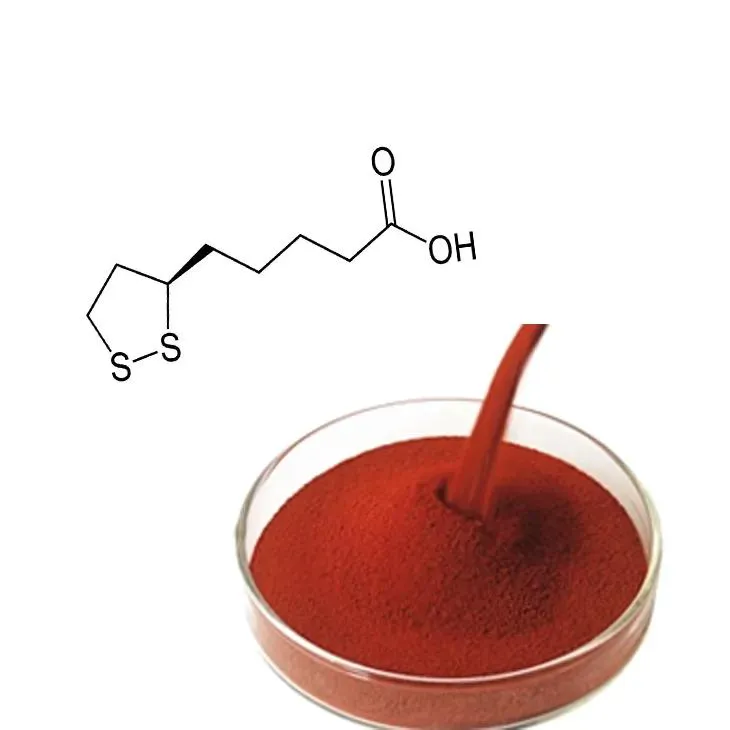
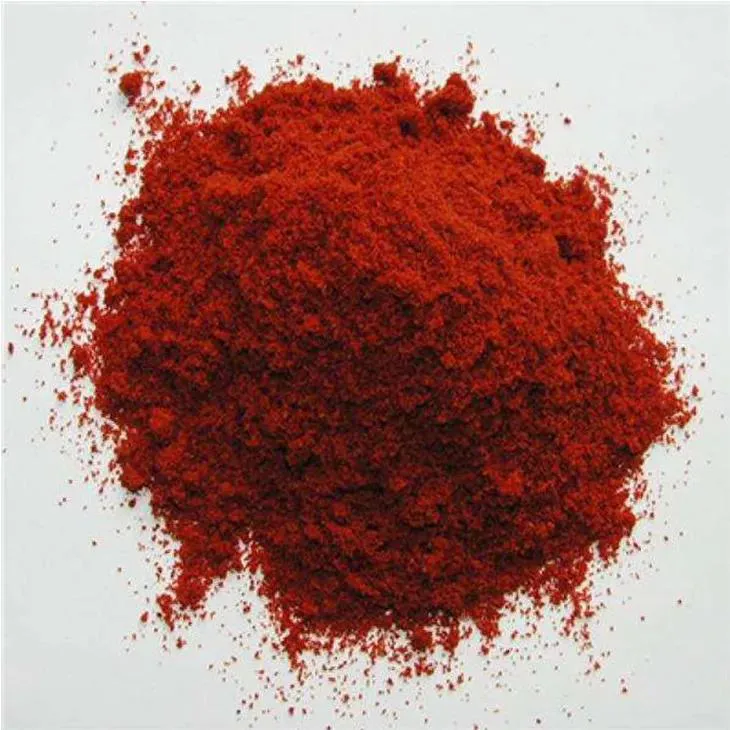
Item Details Latin Name Haematococcus pluvialis (Flahault) Classification Unicellular green microalgae (Chlorophyta) Main Growing Regions Cultivated in closed photobioreactors (China, USA, Israel, India) Extraction Source Dried H. pluvialis biomass (cyst stage, rich in astaxanthin esters) Appearance (Oil) Deep red to dark reddish-brown viscous oil Appearance (Powder) Red to brownish-red free-flowing powder (microencapsulated)
2.2 Key Active Compounds — The Astaxanthin Profile
Natural astaxanthin from H. pluvialis exists primarily as mono- and di-esters of astaxanthin with fatty acids (primarily palmitic, oleic, and linoleic acids), which significantly enhance its bioavailability compared to synthetic astaxanthin (free form).
Compound Typical Content Significance Total Astaxanthin (HPLC) ≥ 2.0%, ≥ 5.0%, or ≥ 10.0% (oil basis) Primary active; all-E (trans) isomer predominates All-E-Astaxanthin ≥ 85% of total astaxanthin Most stable and bioactive isomer 9Z-Astaxanthin ≤ 10% Naturally occurring cis-isomer 13Z-Astaxanthin ≤ 5% Minor cis-isomer Astaxanthin Esters > 90% of total Mono- and di-fatty acid esters — superior absorption vs. free form
Why natural vs. synthetic matters: Synthetic astaxanthin (derived from petrochemical processes) is the all-E free form with no fatty acid esters. Natural astaxanthin from H. pluvialis contains the full stereoisomer profile (3S,3'S) and fatty acid esters that dramatically improve intestinal absorption and tissue distribution. Clinical studies consistently show natural astaxanthin has 2-3× higher bioavailability than synthetic alternatives.
2.3 Standard Specifications
Astaxanthin Oil (5%)
Specification Standard Total Astaxanthin (HPLC) ≥ 5.0% All-E-Astaxanthin ≥ 85% Moisture & Volatile Matter ≤ 1.0% Acid Value ≤ 10 mg KOH/g Peroxide Value ≤ 5 meq/kg Carrier Oil Sunflower oil / MCT oil Heavy Metals ≤ 10 ppm Arsenic ≤ 1.0 ppm Lead ≤ 1.0 ppm
Astaxanthin Powder (Microencapsulated 2%)
Specification Standard Total Astaxanthin (HPLC) ≥ 2.0% Moisture ≤ 5.0% Particle Size 100% pass 80 mesh Carrier Modified starch / Maltodextrin / Gum arabic Solubility Water-dispersible Heavy Metals ≤ 10 ppm Microbial Count TPC < 1,000 CFU/g
2.4 Production Process
Strain Selection & Cultivation: Premium H. pluvialis strains are cultivated in closed-loop photobioreactors under controlled light, temperature (20-25°C), and nutrient conditions to maximize biomass yield.
Stress-Induced Astaxanthin Accumulation: Cells are subjected to nutrient deprivation (nitrogen starvation) and high light intensity, triggering the transformation from green motile cells to red cyst stages — where astaxanthin accumulates to 3-5% of dry cell weight as a protective shield.
Harvesting & Drying: Red cyst biomass is harvested by centrifugation and gently spray-dried or freeze-dried at low temperatures to preserve astaxanthin integrity.
Supercritical CO2 Extraction: Dried biomass is extracted using food-grade supercritical CO2 at controlled pressure (300-400 bar) and temperature (40-50°C). This solvent-free method preserves the natural astaxanthin ester profile without oxidation or thermal degradation.
Filtration & Standardization: The crude oleoresin is filtered and standardized to target concentrations (2%, 5%, or 10%) by blending with carrier oils (sunflower or MCT oil).
Microencapsulation (for powder form): Astaxanthin oil is microencapsulated using spray-drying with wall materials (modified starch, gum arabic) to create water-dispersible powder with enhanced oxidative stability.
Quality Testing: Comprehensive HPLC analysis, isomer profiling, heavy metal screening, oxidation markers (peroxide value, anisidine value), and microbiological testing.
2.5 Certificate of Analysis (Typical — Astaxanthin Oil 5%)
Test Item Specification Result Appearance Deep red viscous oil Complies Odor Characteristic Complies Total Astaxanthin (HPLC) ≥ 5.0% 5.12% All-E-Astaxanthin ≥ 85% 89.3% Moisture & Volatile ≤ 1.0% 0.6% Acid Value ≤ 10 mg KOH/g 6.2 mg KOH/g Peroxide Value ≤ 5 meq/kg 2.1 meq/kg Heavy Metals ≤ 10 ppm < 5 ppm Arsenic ≤ 1.0 ppm < 0.1 ppm Lead ≤ 1.0 ppm < 0.1 ppm Total Plate Count < 1,000 CFU/g < 10 CFU/g Yeast & Mold < 100 CFU/g < 10 CFU/g E. coli Negative/25g Not detected Salmonella Negative/25g Not detected
3. Core Benefits & Mechanisms of Action
3.1 Unmatched Antioxidant Protection
Astaxanthin's molecular structure — featuring hydroxyl and keto groups on each ionone ring — allows it to span the entire cell membrane bilayer, neutralizing free radicals both inside and outside the membrane simultaneously. This unique "transmembrane" orientation gives astaxanthin several advantages:
6,000× stronger than Vitamin C in singlet oxygen quenching capacity (Nishida et al., 2007)
800× stronger than CoQ10 in lipid peroxidation inhibition
550× stronger than green tea catechins in free radical scavenging
Unlike beta-carotene and Vitamin E, astaxanthin does not become pro-oxidant at high concentrations
Key study: A landmark study published in Journal of Clinical Biochemistry and Nutrition (Fassett & Coombes, 2012) demonstrated that daily supplementation with 12 mg natural astaxanthin for 8 weeks reduced plasma markers of oxidative stress (MDA, isoprostanes) by 27-35% in healthy adults.
3.2 Skin Health & Photoprotection
Astaxanthin's ability to absorb UV light and neutralize UV-induced free radicals makes it a powerful internal sunscreen:
Reduces UV-induced skin damage: A double-blind, placebo-controlled trial (Tominaga et al., 2017, Journal of Clinical Biochemistry and Nutrition) showed that oral astaxanthin (6 mg/day) combined with topical application significantly improved skin elasticity, reduced wrinkle depth, and decreased age spot size after 8 weeks.
Anti-photoaging: Astaxanthin suppresses matrix metalloproteinase-1 (MMP-1) expression, the enzyme responsible for collagen degradation in UV-exposed skin.
Anti-inflammatory for skin: Downregulates NF-kappaB and COX-2 pathways in skin cells, reducing UV-triggered inflammation.
3.3 Exercise Performance & Recovery
Natural astaxanthin has become a staple in the sports nutrition industry due to its ability to:
Reduce exercise-induced muscle damage: A randomized controlled trial (Aoi et al., 2008, Biofactors) found that athletes supplementing with 6 mg astaxanthin for 90 days showed significantly lower creatine kinase (CK) levels post-exercise, indicating reduced muscle damage.
Enhance endurance: Astaxanthin promotes fatty acid utilization during exercise, sparing glycogen stores and extending time to exhaustion.
Accelerate recovery: By reducing reactive oxygen species (ROS) generated during intense exercise, astaxanthin decreases post-exercise soreness and inflammation.
3.4 Eye Health & Visual Function
Astaxanthin readily crosses the blood-retinal barrier, accumulating in the retina and ciliary body:
Reduces eye fatigue: A study in Journal of Traditional Medicines (Nagaki et al., 2006) demonstrated that 6 mg/day of astaxanthin for 4 weeks significantly reduced eye strain, shoulder stiffness, and blurred vision in subjects with eye fatigue complaints.
Supports macular health: Astaxanthin's antioxidant and anti-inflammatory properties help protect retinal cells from oxidative damage associated with age-related macular degeneration (AMD).
Improves accommodation: Astaxanthin enhances ciliary muscle blood flow, improving the eye's ability to focus at varying distances.
3.5 Cardiovascular & Metabolic Support
Emerging research supports astaxanthin's role in cardiovascular health:
Improves lipid profiles: Yoshida et al. (2010, Journal of Clinical Biochemistry and Nutrition) reported that 12-18 mg/day of astaxanthin for 12 weeks significantly increased HDL cholesterol and reduced triglycerides in borderline hyperlipidemic subjects.
Reduces arterial stiffness: Astaxanthin improves endothelial function by upregulating nitric oxide (NO) production and reducing oxidative stress in vascular tissues.
Anti-thrombotic effects: Inhibits platelet aggregation, reducing the risk of abnormal blood clot formation.
3.6 Cognitive & Neuroprotective Potential
Astaxanthin's ability to cross the blood-brain barrier positions it as a promising neuroprotective agent:
Protects against oxidative neuronal damage: Reduces lipid peroxidation in brain tissue and preserves mitochondrial function in neurons.
Anti-neuroinflammatory: Suppresses microglial activation and pro-inflammatory cytokine production (TNF-alpha, IL-1beta, IL-6) in the central nervous system.
Memory enhancement: Animal studies (Iwawaki et al., 2009) demonstrated that astaxanthin supplementation improved spatial memory and learning in aged mice.
4. Wide Application Areas
4.1 Nutraceuticals & Dietary Supplements
Softgel capsules: Astaxanthin oil (5% or 10%) encapsulated in softgel form with carrier oils (olive oil, MCT oil) for optimal absorption. Typical daily dose: 4-12 mg.
Tablet formulations: Microencapsulated astaxanthin powder (2%) compressed into multi-ingredient antioxidant blends.
Combination formulas: Frequently combined with Omega-3 fish oil, lutein, CoQ10, or resveratrol for synergistic health benefits.
Sports nutrition: Added to pre-workout and recovery formulas for its anti-exercise-oxidative-stress properties.
4.2 Skincare & Cosmeceuticals
Anti-aging serums and creams: Astaxanthin's potent antioxidant and collagen-preserving properties make it a premium ingredient in luxury skincare formulations.
Sun care products: Incorporated into sunscreens and after-sun lotions for its UV-protective and skin-repairing effects.
Eye contour treatments: Targeted formulations for reducing fine lines, dark circles, and puffiness around the eyes.
Oral beauty supplements: "Beauty-from-within" capsules combining astaxanthin with collagen peptides and hyaluronic acid.
4.3 Functional Foods & Beverages
Energy and wellness drinks: Water-dispersible astaxanthin powder added to functional beverages for antioxidant enrichment.
Nutritional bars: Incorporated into health bars targeting active consumers and athletes.
Dairy and plant-based milks: Microencapsulated astaxanthin for color and nutritional enhancement.
4.4 Aquaculture & Animal Nutrition
Salmon and trout feed: Natural astaxanthin is the primary pigment used to achieve the desirable pink-red flesh color in farmed salmon, replacing synthetic alternatives.
Shrimp and crustacean feed: Enhances coloration and improves survival rates in aquaculture operations.
Pet supplements: Added to premium dog and cat supplements for joint, skin, and coat health — a rapidly growing market segment.
Poultry feed: Improves egg yolk coloration and enhances the nutritional profile of poultry products.
4.5 Veterinary & Pet Care
Canine joint and mobility supplements: Combined with glucosamine and chondroitin for senior dog formulations.
Equine performance supplements: Used by competitive horse owners to support joint health and recovery.
Aquarium fish feed: Enhances coloration and vitality of ornamental fish.
5. Keys to Choosing High-Quality Astaxanthin Extract
When sourcing astaxanthin for your products, consider these critical factors:
5.1 Source Verification — Haematococcus pluvialis Is the Gold Standard
Not all astaxanthin is created equal. The three commercial sources are:
Haematococcus pluvialis (microalgae) — highest quality, richest in astaxanthin esters, most bioavailable
Phaffia rhodozyma (yeast) — lower astaxanthin content, primarily free form
Synthetic (petrochemical-derived) — cheapest, but lacks natural isomer profile and esters
Always specify "natural astaxanthin from Haematococcus pluvialis" for premium applications.
5.2 Extraction Method Matters
Supercritical CO2 extraction is the industry gold standard for astaxanthin. It operates at moderate temperatures (40-50°C) without organic solvents, preserving the delicate astaxanthin ester profile and avoiding oxidative degradation. Avoid suppliers using hexane or other harsh solvents, which can leave residues and damage the astaxanthin molecule.
5.3 Isomer Profile & Astaxanthin Content
Request HPLC analysis reports showing:
Total astaxanthin content (verify against label claim)
All-E (trans) isomer percentage (should be ≥ 85%)
Ester vs. free form ratio (natural should be > 90% esterified)
5.4 Oxidative Stability Indicators
Astaxanthin is highly susceptible to oxidation. Check:
Peroxide value (should be ≤ 5 meq/kg for oil)
Anisidine value (indicates secondary oxidation products)
Packaging: Nitrogen-flushed, light-proof containers with antioxidants (tocopherols) added
5.5 Certifications & Third-Party Testing
Reputable suppliers should provide:
ISO22000 / BRCGS food safety certifications
Ecocert organic certification (for the cultivation process)
SGS-GMP manufacturing certification
HALAL and Kosher certifications for global market access
Independent third-party COA for every batch
6. About Greensky Biochem
Hangzhou Greensky Biological Tech Co., Ltd, established in 2004, is a professional manufacturer and exporter of natural plant and microalgae extracts with over 20 years of industry experience.
Our astaxanthin extract advantages:
Premium H. pluvialis sourcing: Cultivated in closed photobioreactor systems ensuring pure, contaminant-free biomass.
Supercritical CO2 extraction: Solvent-free process preserving the natural astaxanthin ester profile for maximum bioavailability.
Multiple specifications: Astaxanthin oil (2%, 5%, 10%) and microencapsulated powder (1%, 2%) to suit diverse formulation needs.
Full-spectrum certifications: ISO22000, BRCGS, Ecocert Organic, SGS-GMP, HALAL, Kosher — enabling global market access.
Custom formulation support: Our R&D team can assist with dosage optimization, stability testing, and co-formulation strategies.
Consistent batch-to-batch quality: Every production lot undergoes rigorous HPLC analysis with detailed isomer profiling.
Competitive pricing with reliable supply: Direct from our own cultivation and extraction facilities, ensuring competitive pricing and supply chain stability.
Whether you are formulating premium softgel supplements, developing next-generation anti-aging skincare, or producing high-quality aquaculture feed, Greensky Bio provides the astaxanthin quality and technical support your products demand.
7. Conclusion & Call to Action
Natural astaxanthin from Haematococcus pluvialis stands as one of the most scientifically validated, multi-functional ingredients in the natural products industry today. From its unmatched antioxidant capacity to its proven benefits in skin health, exercise recovery, eye function, and cardiovascular support, astaxanthin offers formulators a powerful tool for creating truly differentiated products.
The key to success lies in sourcing: only natural astaxanthin from H. pluvialis, extracted via supercritical CO2, with verified isomer profiles and third-party testing, can deliver the full spectrum of benefits that consumers and brands expect.
Interested in premium natural astaxanthin extract? Contact Greensky Bio today for:
Latest pricing and quotation for astaxanthin oil (2%, 5%, 10%) and microencapsulated powder (1%, 2%)
Free samples for your R&D team to evaluate
Technical consultation on optimal formulation strategies and dosage recommendations
Custom specification development tailored to your specific product requirements
Our expert team is ready to provide technical support, customized solutions, and reliable supply — helping you bring superior astaxanthin-powered products to market.
References (Selected):
Fassett, R.G., & Coombes, J.S. (2012). Astaxanthin in cardiovascular health and disease. Marine Drugs, 10(2), 480-498.
Tominaga, K., et al. (2017). Cosmetic benefits of astaxanthin on humans subjects. Journal of Clinical Biochemistry and Nutrition, 60(1), 43-49.
Aoi, W., et al. (2008). A novel functional food complex of fermentated soybeans and astaxanthin improves exercise performance. Biofactors, 32(1-4), 179-188.
Nagaki, Y., et al. (2006). Effects of astaxanthin on accommodation, critical flicker fusion, and pattern visual evoked potential in visual display terminal workers. Journal of Traditional Medicines, 23(5), 189-193.
Yoshida, H., et al. (2010). Dietary astaxanthin inhibits production and expression of monocyte chemoattractant protein-1 in human peripheral blood mononuclear cells. Journal of Clinical Biochemistry and Nutrition, 46(1), 54-58.
Nishida, Y., et al. (2007). Quenching activities of common hydrophilic and lipophilic antioxidants against singlet oxygen using chemiluminescence detection system. Carotenoid Science, 11, 1-6.
Iwawaki, T., et al. (2009). Effect of astaxanthin on cognitive function in aged mice. Journal of Clinical Biochemistry and Nutrition, 45(S1), S1-S1.
Park, J.S., et al. (2010). Astaxanthin decreased oxidative stress and inflammation and enhanced immune response in humans. Nutrition & Metabolism
- ▶ Hesperidin
- ▶ Citrus Bioflavonoids
- ▶ Plant Extract
- ▶ lycopene
- ▶ Diosmin
- ▶ Grape seed extract
- ▶ Sea buckthorn Juice Powder
- ▶ Fruit Juice Powder
- ▶ Hops Extract
- ▶ Artichoke Extract
- ▶ Mushroom extract
- ▶ Astaxanthin
- ▶ Green Tea Extract
- ▶ Curcumin
- ▶ Horse Chestnut Extract
- ▶ Other Product
- ▶ Boswellia Serrata Extract
- ▶ Resveratrol
- ▶ Marigold Extract
- ▶ Grape Leaf Extract
- ▶ New Product
- ▶ Aminolevulinic acid
- ▶ Cranberry Extract
- ▶ Red Yeast Rice
- ▶ Red Wine Extract
- ▶ blog
-
Mangosteen extract powder
2026-08-07
-
Mulberry Extract
2026-08-07
-
Centella Asiatica Extract
2026-08-07
-
Yam Extract
2026-08-07
-
Liposomal Berberine HCl
2026-08-07
-
Lily extract
2026-08-07
-
Thunder God Vine Extract
2026-08-07
-
Oat Straw Extract Powder
2026-08-07
-
Fig Extract
2026-08-07
-
Lavender Extract
2026-08-07