- 0086-571-85302990
- [email protected]




Artichoke Extract & Cynarin: Liver Health, Digestion, and Natural Cholesterol Support (2026 Guide)
2026-11-28
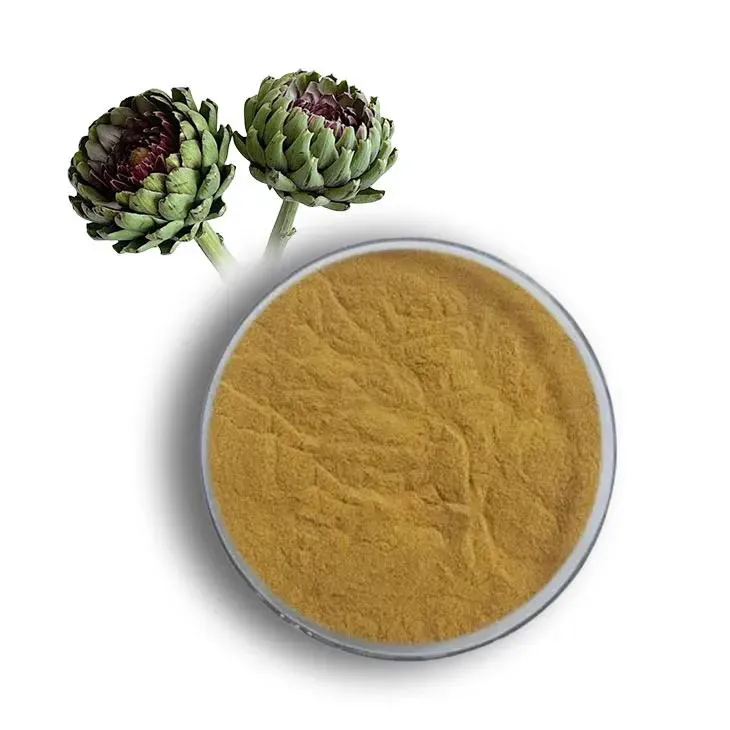
Table of Contents
What Is Artichoke Extract and Where Does It Come From? <a id="what-is-artichoke-extract"></a>
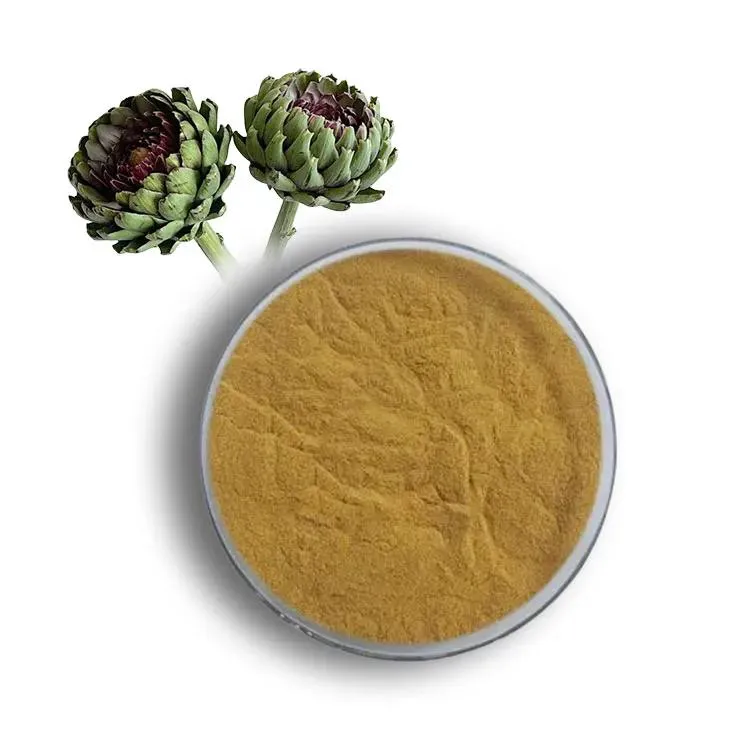
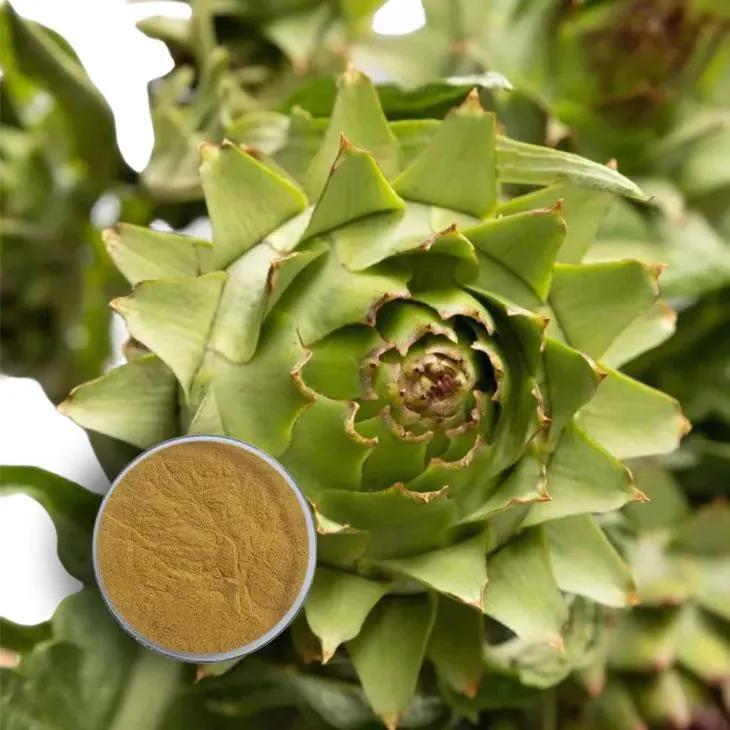
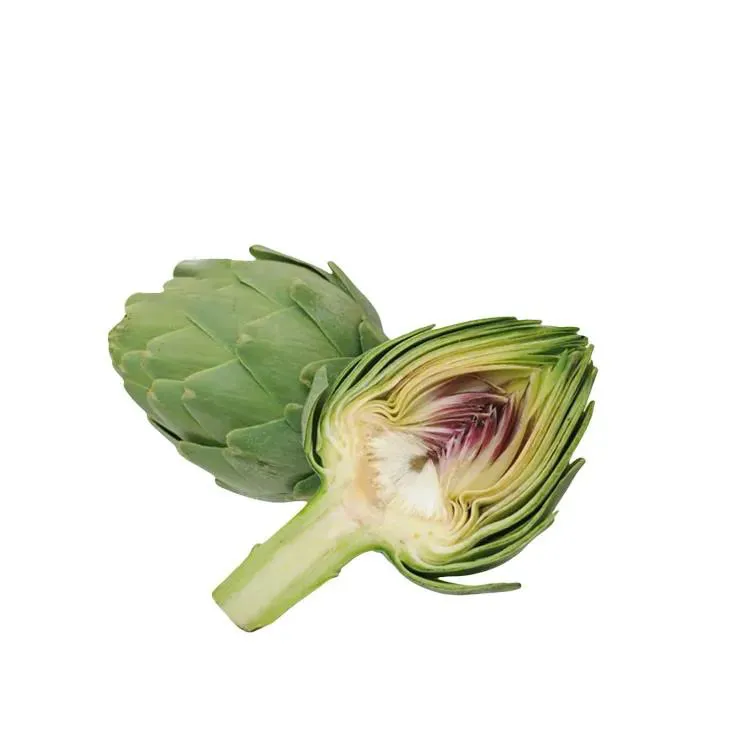
The globe artichoke (Cynara scolymus L.) is a thistle species native to the Mediterranean region. While the artichoke heart is widely consumed as a vegetable, the leaves contain the highest concentration of bioactive compounds and are the primary source for commercial Artichoke Extract.
Artichoke has been used medicinally since ancient Greek and Roman times. The Greek naturalist Dioscorides described its digestive benefits in the 1st century AD, and European herbalists have used artichoke leaf for centuries to support liver function and digestive health.
Modern Artichoke Extract is produced by solvent extraction (typically ethanol-water) of dried artichoke leaves, followed by concentration and spray drying to produce a standardized powder.
Why Artichoke Leaves, Not the Vegetable?
While artichoke hearts are nutritious, the leaves contain 5–10x higher concentrations of the key bioactive compounds:
Cynarin (1,3-dicaffeoylquinic acid)
Chlorogenic acid
Luteolin and other flavonoids
Sesquiterpene lactones (bitter compounds that stimulate bile production)
Inulin (prebiotic fiber)
This concentration difference makes artichoke leaf the preferred raw material for therapeutic and supplement applications.
Key Active Compounds: Cynarin, Chlorogenic Acid, and Luteolin <a id="active-compounds"></a>
Cynarin (1,3-Dicaffeoylquinic Acid)
Cynarin is the signature bioactive compound of artichoke and is the primary marker used for extract standardization. It is responsible for many of artichoke's therapeutic effects:
Choleretic action — Stimulates bile production and flow
Hepatoprotective effects — Protects liver cells from damage
Cholesterol-lowering — Inhibits cholesterol synthesis
Antioxidant activity — Scavenges free radicals
Cynarin also has a unique property: it temporarily blocks sweet taste receptors, which is why drinking water after eating artichoke can taste sweet.
Chlorogenic Acid
Chlorogenic acid is a polyphenolic compound found in artichoke (as well as coffee and green coffee bean extract) with multiple health benefits:
Antioxidant protection
Blood sugar regulation
Anti-inflammatory effects
Metabolic support
Luteolin
Luteolin is a flavonoid with significant anti-inflammatory and neuroprotective properties:
Anti-inflammatory — Inhibits NF-κB and COX-2 pathways
Neuroprotective — May support cognitive health
Anti-cancer potential — Studied for anti-proliferative effects
Cardiovascular support — Improves endothelial function
Complete Active Profile
Compound Typical Range (Standardized Extract) Key Function Total caffeoylquinic acids 3–10% Primary active fraction Cynarin 1–5% Bile stimulation, liver support Chlorogenic acid 1–5% Antioxidant, metabolic support Luteolin 0.5–2% Anti-inflammatory, neuroprotection Luteolin-7-glucoside 0.5–1.5% Bioavailable flavonoid form Total polyphenols 10–25% Overall antioxidant capacity
Artichoke Extract for Liver Health: How It Works <a id="liver-health"></a>
The liver is the body's primary detoxification organ, and artichoke extract has been used for centuries to support liver function. Modern science has identified several mechanisms:
1. Bile Stimulation (Choleretic Effect)
Artichoke extract stimulates the production and secretion of bile, which is essential for:
Fat digestion and absorption — Bile emulsifies dietary fats
Fat-soluble vitamin absorption — Vitamins A, D, E, K require bile
Toxin elimination — Bile carries waste products from the liver to the intestines
Cholesterol excretion — Bile is a primary route for cholesterol elimination
2. Hepatoprotective Effects
Artichoke extract has been shown to protect liver cells from damage caused by:
Alcohol consumption — Reduces alcohol-induced liver damage
Toxin exposure — Protects against chemical-induced hepatotoxicity
Oxidative stress — Antioxidant compounds neutralize free radicals in liver tissue
Fatty liver disease — May reduce hepatic fat accumulation
3. Liver Regeneration Support
Some studies suggest that artichoke extract may support the regeneration of damaged liver cells, although more research is needed to confirm this effect in humans.
Clinical Evidence for Liver Health
A randomized, double-blind, placebo-controlled study (Bundy et al., 2008) found that Artichoke Leaf Extract (600 mg/day for 2 months) significantly improved:
Liver enzyme levels (ALT, AST)
Digestive symptoms (bloating, nausea, abdominal discomfort)
Quality of life scores in patients with non-alcoholic dyspepsia
Digestive Health Benefits: Bile Production and IBS Support <a id="digestive-health"></a>
Bile Production and Fat Digestion
One of artichoke extract's most well-established benefits is its ability to stimulate bile production. This has several digestive benefits:
Improved fat digestion — Particularly beneficial for individuals with sluggish bile production
Reduced bloating and gas — Better fat digestion means less fermentation in the gut
Relief from dyspepsia — Functional dyspepsia symptoms improve with artichoke supplementation
Gallbladder support — Regular bile flow helps prevent gallstone formation
Irritable Bowel Syndrome (IBS) Support
Clinical research has shown that Artichoke Leaf Extract may help manage IBS symptoms:
Reduces abdominal pain — Anti-inflammatory and antispasmodic effects
Improves bowel regularity — Stimulates digestive motility
Reduces bloating — Improved fat digestion reduces gas production
A study published in Phytomedicine (Walker et al., 2001) found that Artichoke Leaf Extract significantly reduced IBS symptoms compared to placebo, with the greatest improvement in abdominal pain and quality of life.
Prebiotic Benefits
Artichoke leaves contain inulin, a prebiotic fiber that:
Feeds beneficial gut bacteria (Bifidobacteria, Lactobacillus)
Supports a healthy gut microbiome
May improve mineral absorption (calcium, magnesium)
Contributes to digestive regularity
Artichoke Extract and Cholesterol: Clinical Evidence <a id="cholesterol"></a>
Artichoke extract has demonstrated cholesterol-lowering effects through multiple mechanisms:
Mechanism of Cholesterol Reduction
Inhibits cholesterol synthesis — Cynarin and chlorogenic acid inhibit HMG-CoA reductase (similar to, but milder than, red yeast rice)
Increases bile acid production — More cholesterol is converted to bile acids and excreted
Reduces LDL oxidation — Antioxidant compounds prevent LDL cholesterol from becoming oxidized (oxidized LDL is more atherogenic)
Improves lipid metabolism — Supports healthy fat processing in the liver
Clinical Study Results
Study Dosage Duration LDL Reduction Total Cholesterol Reduction Bundy et al. (2008) 1,280 mg/day 12 weeks 10.5% 8.7% Wang et al. (2019) 500 mg/day 8 weeks 8.2% 7.1% Gebhardt (1997) 1,800 mg/day 6 weeks 12.3% 9.6%
Comparison with Other Natural Cholesterol Support Ingredients
Ingredient Primary Mechanism Average LDL Reduction Artichoke extract Bile stimulation + synthesis inhibition 8–12% Red yeast rice HMG-CoA reductase inhibition 15–25% Plant sterols Absorption competition 5–15% Garlic extract Cholesterol synthesis modulation 5–10% Berberine LDL receptor upregulation 15–25%
Artichoke extract is particularly effective when combined with other cholesterol-supporting ingredients for synergistic effects.
Antioxidant and Anti-Inflammatory Properties <a id="antioxidant"></a>
Antioxidant Capacity
Artichoke extract has one of the highest antioxidant capacities among vegetables and herbal extracts:
ORAC value: Approximately 9,416 μmol TE/100g (significantly higher than most vegetables)
Primary antioxidants: Cynarin, chlorogenic acid, luteolin, caffeic acid
Free radical scavenging: Effective against hydroxyl, peroxyl, and superoxide radicals
Anti-Inflammatory Mechanisms
Artichoke extract reduces inflammation through multiple pathways:
NF-κB inhibition — Reduces expression of inflammatory genes
COX-2 inhibition — Similar mechanism to NSAIDs (but natural)
Cytokine modulation — Reduces TNF-α, IL-6, and other inflammatory cytokines
Leukotriene inhibition — Reduces inflammatory mediator production
These anti-inflammatory properties contribute to artichoke's benefits for liver health, digestive health, and cardiovascular health.
Recommended Dosage and Standardization Levels <a id="dosage"></a>
Dosage by Application
Application Daily Dosage Standardization Notes General liver support 300–600 mg 1–2.5% cynarin Maintenance level Digestive health 600–1,200 mg 1–2.5% cynarin Take before meals Cholesterol support 1,000–1,800 mg 2.5–5% cynarin Higher dose for therapeutic effect Functional beverage 100–300 mg 1% cynarin Lower dose for daily consumption IBS management 300–640 mg 1–2.5% cynarin 2–3 divided doses
Standardization Options
Standardization Cynarin Content Chlorogenic Acid Best For 1:1 extract ~1% ~1–2% General supplements 5:1 extract ~2.5% ~3–5% Therapeutic formulations 10:1 extract ~5% ~5–10% Premium/high-potency products
Safety, Interactions, and Contraindications <a id="safety"></a>
General Safety
Artichoke extract is generally well-tolerated with a favorable safety profile. The European Medicines Agency (EMA) has approved artichoke leaf for traditional use in:
Relief of symptoms of digestive disorders (dyspepsia)
Temporary relief of digestive symptoms such as bloating and flatulence
Common Side Effects (Rare)
Gas and bloating (usually mild and transient)
Allergic reactions (in individuals allergic to Asteraceae/Compositae family plants)
Diarrhea (at high doses, due to increased bile production)
Contraindications
Bile duct obstruction — Artichoke's bile-stimulating effects may worsen this condition
Gallstones — Consult a physician before use
Asteraceae allergy — Avoid if allergic to daisies, ragweed, chrysanthemums, or marigolds
Pregnancy and breastfeeding — Limited safety data; consult a healthcare provider
Drug Interactions
Cholesterol-lowering medications — May enhance effects; monitor lipid levels
Blood pressure medications — May have additive effects
Blood thinners — Artichoke may slow blood clotting; use caution with warfarin
Applications: Supplements, Functional Foods, and Beverages <a id="applications"></a>
Dietary Supplements
Capsules/Tablets — Standardized cynarin content
Liquid extracts/tinctures — Rapid absorption
Combination formulas — With dandelion, milk thistle, turmeric for comprehensive liver support
Digestive enzyme blends — With artichoke for enhanced fat digestion
Functional Foods and Beverages
Digestive health drinks — Artichoke + ginger + lemon formulations
Liver support beverages — Combined with turmeric, dandelion root
Functional snacks — Artichoke fiber-enriched bars and crackers
Meal replacement shakes — With artichoke for digestive comfort
Cosmetics and Personal Care
Anti-aging skincare — Antioxidant protection
Scalp treatments — Anti-inflammatory properties
Hair care — Luteolin may support hair follicle health
How to Source Quality Artichoke Extract (B2B) <a id="sourcing"></a>
Supplier Evaluation Criteria
Raw material sourcing — Mediterranean-grown artichoke leaves preferred (higher active compound content)
Extraction method — Ethanol-water extraction preserves full spectrum of active compounds
Standardization verification — HPLC-confirmed cynarin and chlorogenic acid content
Heavy metals testing — Pb, As, Cd, Hg within safe limits
Pesticide residue testing — Especially important for conventionally grown artichokes
GMP certification — Good Manufacturing Practice compliance
ISO22000/BRCGS — Food safety management certifications
Organic certification — If organic product is required
Batch consistency — Consistent active compound levels across batches
Custom formulation capability — Ability to produce specific standardization levels
Why Greensky Bio Is a Reliable Artichoke Extract Supplier <a id="greensky-bio"></a>
has been a professional plant extract manufacturer since 2004, offering a comprehensive range of botanical extracts including artichoke extract.
Why choose Greensky Bio for artichoke extract:
20+ years of experience in plant extract R&D and production
GMP-certified production with ISO22000, BRCGS, Ecocert Organic, SGS-GMP certifications
Advanced laboratory with HPLC, GC, UV testing equipment for quality verification
100,000-class clean area ensuring food-grade quality
Multiple standardization options — 1%, 2.5%, 5% cynarin content available
Custom extraction ratios — 1:1, 5:1, 10:1 and custom ratios
Global export experience — Europe, United States, South Korea, Russia
Competitive pricing with consistent quality
Annual production capacity of 500+ tons at Jiangxi facility
for artichoke extract specifications, samples, and B2B pricing.
- ▶ Hesperidin
- ▶ Citrus Bioflavonoids
- ▶ Plant Extract
- ▶ lycopene
- ▶ Diosmin
- ▶ Grape seed extract
- ▶ Sea buckthorn Juice Powder
- ▶ Fruit Juice Powder
- ▶ Hops Extract
- ▶ Artichoke Extract
- ▶ Mushroom extract
- ▶ Astaxanthin
- ▶ Green Tea Extract
- ▶ Curcumin
- ▶ Horse Chestnut Extract
- ▶ Other Product
- ▶ Boswellia Serrata Extract
- ▶ Resveratrol
- ▶ Marigold Extract
- ▶ Grape Leaf Extract
- ▶ New Product
- ▶ Aminolevulinic acid
- ▶ Cranberry Extract
- ▶ Red Yeast Rice
- ▶ Red Wine Extract
- ▶ blog
-
Black Seed Extract
2026-11-28
-
Passionflower Extract
2026-11-28
-
Buckthorn bark extract
2026-11-28
-
Konjac Powder
2026-11-28
-
Licorice Root Extract Powder
2026-11-28
-
Camu Camu Extract
2026-11-28
-
Angelica sinensis extract
2026-11-28
-
Milk Thistle Extract
2026-11-28
-
Bayberry Extract
2026-11-28
-
Ginger Extract
2026-11-28