- 0086-571-85302990
- [email protected]




Artichoke Extract: Complete Guide to Liver Health, Digestive Support & Chlorogenic Acid Science (202
2026-11-23
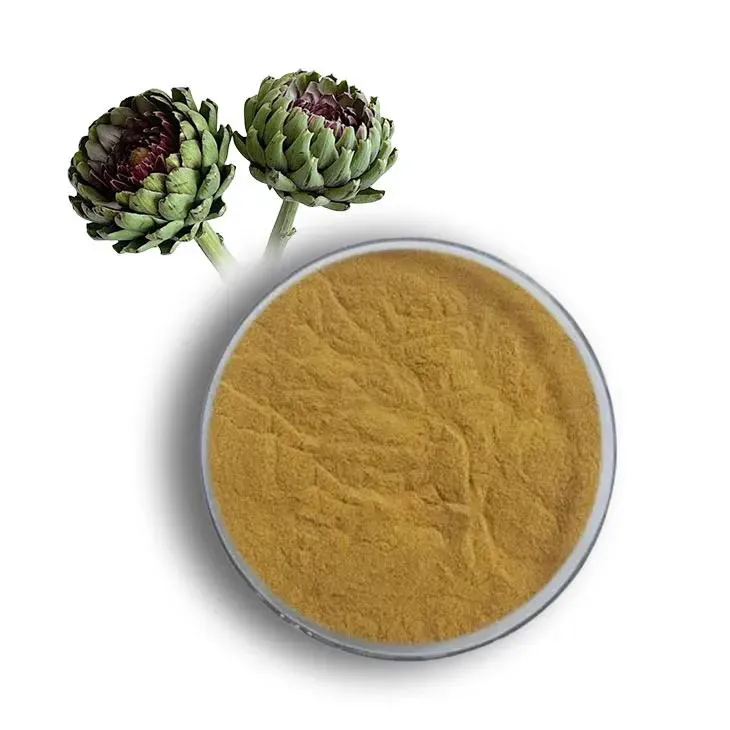
Table of Contents
What Is Artichoke Extract and Why Is It the Leading Liver Support Botanical?
Active Compounds: Cynarin, Chlorogenic Acid, and Luteolin
Clinical Evidence for Liver Health and Detoxification Support
Digestive Health: Bile Production, IBS, and Gut Microbiome
Cholesterol Management and Metabolic Benefits
Quality Standards: Cynarin vs. Chlorogenic Acid Standardization
How to Source Premium Artichoke Extract: A Buyer's Guide
Applications in Supplements, Functional Foods, and Beverages
Safety, Dosage, and Regulatory Compliance
Why Choose Greensky Bio as Your Artichoke Extract Supplier
1. What Is Artichoke Extract and Why Is It the Leading Liver Support Botanical?
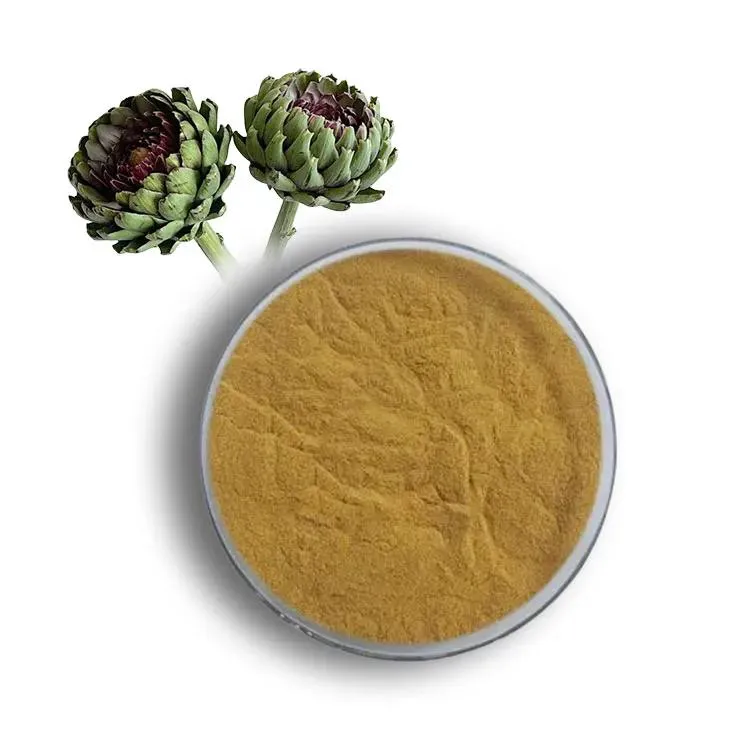
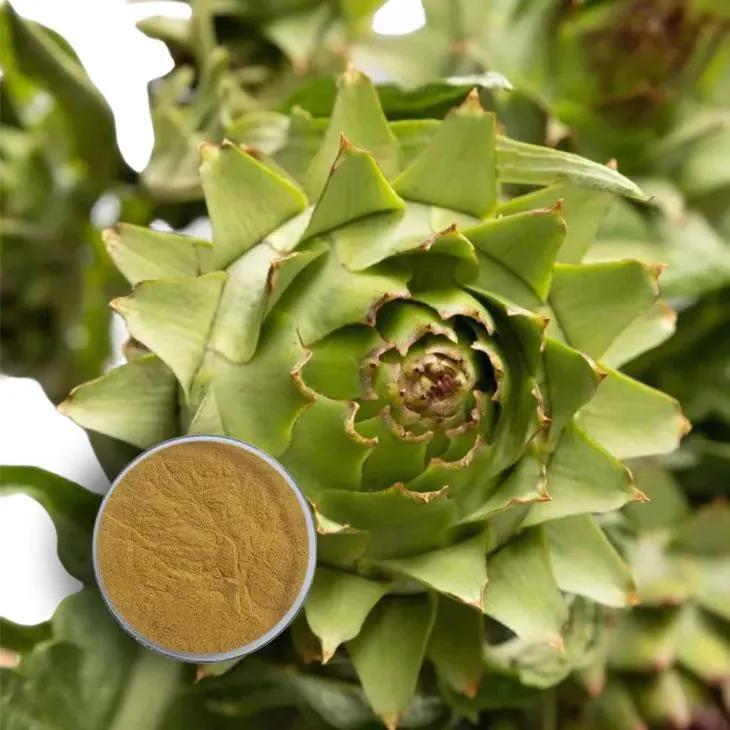
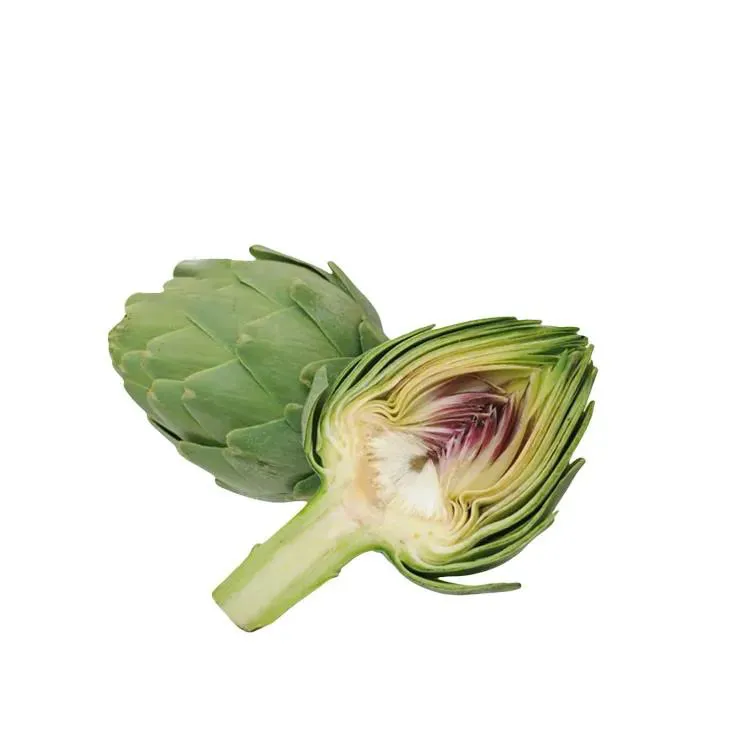
Artichoke extract is a concentrated preparation derived from the leaves of the globe artichoke (Cynara scolymus L.), a thistle-like plant native to the Mediterranean region. While the artichoke heart is widely consumed as a vegetable, the leaves contain significantly higher concentrations of bioactive compounds — making them the preferred source for therapeutic extracts.
For over 2,000 years, artichoke leaf has been used in traditional Mediterranean and European herbal medicine to support liver function, promote bile production, and aid digestion. In 1st century AD, the Roman naturalist Pliny the Elder described artichoke as a digestive aid and liver tonic — applications that modern science has extensively validated.
Today, artichoke extract is one of the most clinically validated botanical ingredients for liver health, digestive support, and cholesterol management. The global artichoke extract market is projected to reach USD 180 million by 2028, driven by increasing awareness of liver health, rising prevalence of non-alcoholic fatty liver disease (NAFLD), and growing demand for natural digestive support solutions.
The two primary bioactive markers for artichoke extract standardization are cynarin (1,5-dicaffeoylquinic acid) and chlorogenic acid (5-caffeoylquinic acid), both of which contribute to the extract's hepatoprotective, choleretic, and antioxidant properties. Hangzhou Greensky Biological Tech Co., Ltd offers standardized artichoke extract (1%–5% cynarin) for B2B buyers in the dietary supplement and functional food industries.
2. Active Compounds: Cynarin, Chlorogenic Acid, and Luteolin
2.1 Key Bioactive Constituents
Compound Class Primary Activity Typical Content Cynarin (1,5-dicaffeoylquinic acid) Caffeoylquinic acid Choleretic, hepatoprotective, lipid-lowering 0.5–5% Chlorogenic acid (5-caffeoylquinic acid) Caffeoylquinic acid Antioxidant, metabolic, anti-inflammatory 2–10% Luteolin Flavonoid Anti-inflammatory, hepatoprotective, antioxidant 0.1–1% Cynaroside (luteolin-7-glucoside) Flavonoid glycoside Antioxidant, anti-inflammatory 0.1–0.5% Scolymoside Flavonoid glycoside Choleretic, antioxidant Trace
2.2 Cynarin: The Signature Compound
Cynarin is the most distinctive compound in artichoke leaf extract and is responsible for many of its characteristic effects:
Choleretic activity: Stimulates bile production and flow from the liver, supporting fat digestion and toxin elimination
Hepatoprotective: Protects liver cells from oxidative damage and toxic insult
Lipid-lowering: Reduces cholesterol synthesis and enhances cholesterol excretion via bile
2.3 Chlorogenic Acid: The Metabolic Powerhouse
Chlorogenic acid (CGA) is one of the most abundant dietary polyphenols and has gained significant attention for its metabolic benefits:
Glucose metabolism: Inhibits glucose-6-phosphatase, reducing hepatic glucose output
Antioxidant activity: Powerful free radical scavenger with ORAC values exceeding many fruits
Anti-inflammatory: Modulates NF-κB and COX-2 pathways
Weight management: Modest effects on body composition through AMPK activation
2.4 Synergistic Effects
The combination of caffeoylquinic acids (cynarin, chlorogenic acid) and flavonoids (luteolin, cynaroside) in artichoke extract produces synergistic effects that exceed the activity of any single isolated compound — a classic example of the "entourage effect" in botanical medicine.
3. Clinical Evidence for Liver Health and Detoxification Support
3.1 Hepatoprotective Effects
NAFLD (Non-Alcoholic Fatty Liver Disease)
Study (n = 60): Artichoke extract supplementation (600 mg/day, standardized to 5% CGA) for 8 weeks significantly reduced ALT, AST, and liver fat content in NAFLD patients
Results: ALT reduced by 28%, AST reduced by 22%, liver steatosis score improved by 35%
Drug-Induced Liver Injury
Preclinical studies demonstrate artichoke extract's protective effects against acetaminophen-induced and carbon tetrachloride-induced liver damage
Mechanism: Antioxidant activity, preservation of glutathione levels, and inhibition of lipid peroxidation
General Liver Function Support
Multiple studies show artichoke extract improves liver enzyme profiles (ALT, AST, GGT, ALP) in individuals with mildly elevated liver enzymes
Proposed mechanisms include enhanced Phase I and Phase II detoxification enzyme activity
3.2 Mechanisms of Hepatoprotection
Antioxidant defense: Scavenges free radicals and enhances endogenous antioxidant enzymes (SOD, catalase, GPx)
Anti-inflammatory: Reduces pro-inflammatory cytokine production (TNF-α, IL-6, IL-1β)
Anti-fibrotic: Inhibits hepatic stellate cell activation, potentially slowing fibrosis progression
Membrane stabilization: Protects hepatocyte membrane integrity against toxic insult
Detoxification enhancement: Supports cytochrome P450 enzyme function and glutathione conjugation pathways
4. Digestive Health: Bile Production, IBS, and Gut Microbiome
4.1 Choleretic and Cholagogue Effects
Artichoke extract's most well-established digestive benefit is its ability to stimulate bile production and flow:
Choleretic effect: Increases bile production by the liver (demonstrated in both human and animal studies)
Cholagogue effect: Promotes bile release from the gallbladder into the intestines
Clinical outcome: Improved fat digestion, reduced bloating, and enhanced nutrient absorption
Study (n = 247): Artichoke leaf extract (640 mg/day) significantly reduced dyspepsia symptoms including bloating, fullness, nausea, and abdominal pain compared to placebo. Improvement was evident within 2 weeks and sustained throughout the 6-week study period.
4.2 Irritable Bowel Syndrome (IBS)
Study (n = 208): Artichoke leaf extract supplementation significantly reduced IBS symptoms, including:
Abdominal pain and discomfort
Bloating and distension
Bowel habit irregularity
The proposed mechanism involves both improved bile flow (enhancing fat digestion) and direct antispasmodic effects on intestinal smooth muscle.
4.3 Gut Microbiome Modulation
Emerging research suggests artichoke extract may positively influence gut microbiota composition:
Prebiotic effect: Inulin and other fructooligosaccharides (FOS) in artichoke serve as prebiotic substrates
Selective stimulation: Promotes growth of beneficial Bifidobacterium and Lactobacillus species
SCFA production: Enhanced production of short-chain fatty acids (butyrate, propionate, acetate)
5. Cholesterol Management and Metabolic Benefits
5.1 Lipid-Lowering Effects
Meta-Analysis (4 RCTs, n = 212)
Total cholesterol: Reduction of 16.7 mg/dL (weighted mean difference)
LDL cholesterol: Reduction of 12.3 mg/dL
HDL cholesterol: No significant change
Triglycerides: Modest reduction
5.2 Mechanisms of Lipid Modulation
Cholesterol synthesis inhibition: Artichoke extract inhibits HMG-CoA reductase (similar mechanism to statins, but milder)
Bile acid excretion: Increased bile flow enhances cholesterol excretion
LDL oxidation prevention: Antioxidant compounds protect LDL particles from oxidative modification
Reverse cholesterol transport: May enhance HDL-mediated cholesterol efflux
5.3 Blood Pressure Support
Study (n = 68): Artichoke extract supplementation (500 mg/day) for 12 weeks significantly reduced systolic blood pressure (−4.3 mmHg) in mildly hypertensive adults
Mechanism: Endothelial nitric oxide synthase (eNOS) activation and improved endothelial function
6. Quality Standards: Cynarin vs. Chlorogenic Acid Standardization
6.1 Standardization Approaches
Artichoke extract can be standardized to different marker compounds depending on the intended application:
Standardization Primary Marker Best For Cynarin-standardized 1%–5% cynarin Digestive health, liver support Chlorogenic acid-standardized 2%–10% CGA Metabolic health, antioxidant support Total caffeoylquinic acids 5%–25% total CQAs Broad-spectrum applications Full-spectrum extract Not standardized Traditional herbal applications
6.2 Key Quality Specifications
Parameter Standard Cynarin (HPLC) 1%–5% (as specified) Chlorogenic acid (HPLC) 2%–10% Total caffeoylquinic acids 5%–25% Moisture ≤ 8.0% Heavy metals ≤ 10 ppm Pesticide residues EU/US compliant Microbial limits Complies with USP/EP
6.3 Extraction Methods
Method Advantages Considerations Water/ethanol extraction Preserves full spectrum of polar compounds May require spray drying Supercritical CO₂ Solvent-free; selective for lipophilic compounds Lower yield of polar caffeoylquinic acids Membrane filtration High purity; removes unwanted components Higher processing cost
Greensky Bio's approach: We use optimized water-ethanol extraction followed by membrane filtration and spray drying, ensuring consistent caffeoylquinic acid content and full-spectrum phytochemical retention.
7. How to Source Premium Artichoke Extract: A Buyer's Guide
7.1 Evaluating Suppliers
What is the standardization marker? — Cynarin, chlorogenic acid, or total caffeoylquinic acids?
What extraction method is used? — Water-ethanol extraction preserves the full spectrum
What is the source plant part? — Leaf extract (not flower head) for therapeutic applications
Is HPLC testing provided? — Essential for verifying caffeoylquinic acid content
Can you provide batch consistency data? — Request 3+ consecutive batch COAs
7.2 Common Quality Issues
Inconsistent marker content: Varies with plant variety, harvest time, and extraction method
Adulteration: Some suppliers dilute with cheaper plant extracts
Degradation: Caffeoylquinic acids are sensitive to heat and oxidation during processing
Pesticide contamination: Artichoke is susceptible to pest damage; organic sourcing preferred
8. Applications in Supplements, Functional Foods, and Beverages
8.1 Dietary Supplements
Liver support formulas: 300–600 mg artichoke extract per serving
Digestive health capsules: Often combined with ginger, milk thistle, and dandelion
Cholesterol management: Blended with red yeast rice, plant sterols, and garlic extract
Combination with turmeric/Curcumin: Complementary hepatoprotective and anti-inflammatory effects
8.2 Functional Foods & Beverages
Digestive bitters: Traditional European bitter liqueurs and aperitifs
Functional teas: Artichoke leaf tea for digestive support
Health beverages: Fortified drinks targeting liver health and detoxification
8.3 Cosmetics
Anti-aging formulations: Antioxidant protection for skin
Detoxifying masks and cleansers: Leveraging artichoke's purifying reputation
9. Safety, Dosage, and Regulatory Compliance
9.1 Recommended Dosage
Application Daily Dosage Digestive support 320–640 mg/day Liver health 600–1,800 mg/day Cholesterol management 500–1,000 mg/day IBS symptom relief 320–640 mg/day
9.2 Safety Profile
Generally well-tolerated: Mild GI discomfort in a small percentage of users
Contraindications: Bile duct obstruction, gallstones (may exacerbate symptoms), severe liver disease
Allergy: Rare; possible cross-reactivity with Asteraceae/Compositae family plants (ragweed, daisies)
Pregnancy: Limited data; traditionally used but modern caution advised
9.3 Regulatory Status
Region Status USA Dietary supplement ingredient; GRAS for food use EU Traditional herbal medicinal product (HMPC monograph) Germany Commission E monograph approved for dyspepsia Australia Listed medicine (AUST L)
10. Why Choose Greensky Bio as Your Artichoke Extract Supplier
Hangzhou Greensky Biological Tech Co., Ltd is a professional natural plant extract manufacturer with over 20 years of experience in botanical sourcing, extraction, and quality control.
Our Advantages
Optimized extraction technology: Water-ethanol extraction with membrane filtration for consistent caffeoylquinic acid content
Multiple standardization options: 1%–5% cynarin, 2%–10% chlorogenic acid, or full-spectrum extracts
Full quality documentation: COAs, TDS, SDS, and regulatory compliance certificates
ISO22000, BRCGS, Ecocert Organic, SGS-GMP certified facilities
In-house laboratory with GC, HPLC, UV analytical capabilities
Global export experience: Serving markets in Europe, US, South Korea, and Russia
Contact Greensky Bio today for pricing, samples, and technical documentation for our Artichoke Extract product line.
- ▶ Hesperidin
- ▶ Citrus Bioflavonoids
- ▶ Plant Extract
- ▶ lycopene
- ▶ Diosmin
- ▶ Grape seed extract
- ▶ Sea buckthorn Juice Powder
- ▶ Fruit Juice Powder
- ▶ Hops Extract
- ▶ Artichoke Extract
- ▶ Mushroom extract
- ▶ Astaxanthin
- ▶ Green Tea Extract
- ▶ Curcumin
- ▶ Horse Chestnut Extract
- ▶ Other Product
- ▶ Boswellia Serrata Extract
- ▶ Resveratrol
- ▶ Marigold Extract
- ▶ Grape Leaf Extract
- ▶ New Product
- ▶ Aminolevulinic acid
- ▶ Cranberry Extract
- ▶ Red Yeast Rice
- ▶ Red Wine Extract
- ▶ blog
-
Red Date Extract
2026-11-23
-
Elderberry Extract
2026-11-23
-
Phyllanthus Emblica Extract
2026-11-23
-
White mustard seed extract
2026-11-23
-
Cranberry Extract
2026-11-23
-
Tongkat Ali Extract
2026-11-23
-
Avocado Extract Powder
2026-11-23
-
Clove Powder
2026-11-23
-
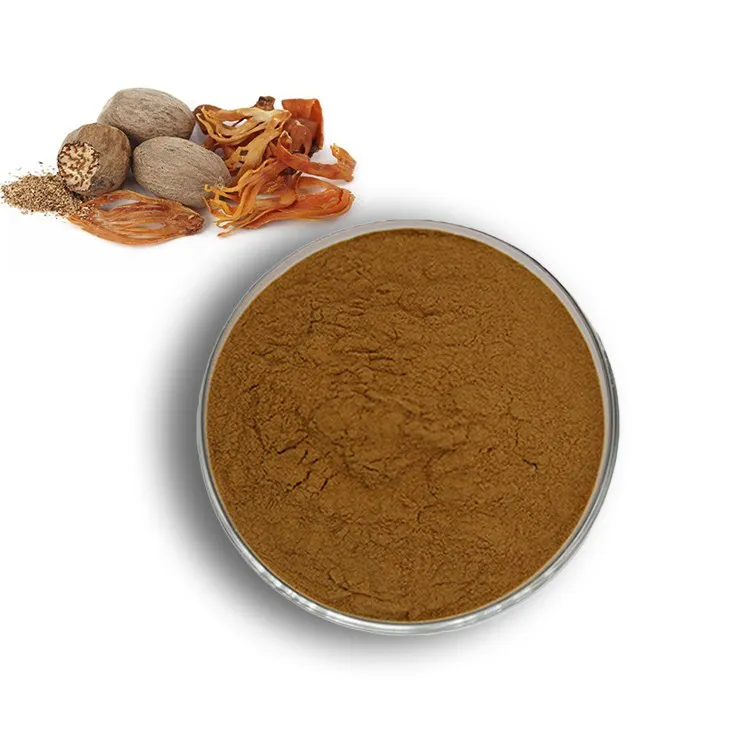
Nutmeg Extract
2026-11-23
-
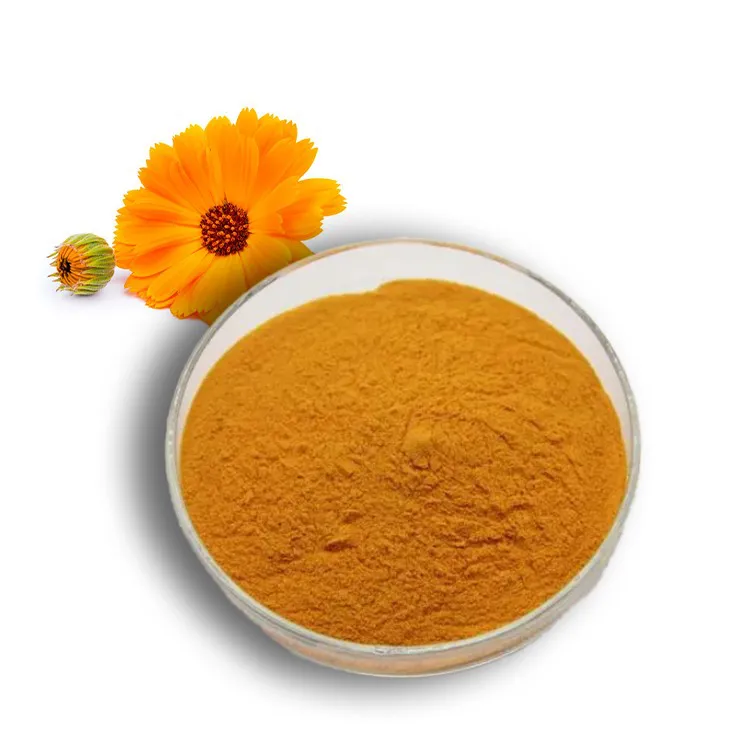
Calendula Extract
2026-11-23