- 0086-571-85302990
- [email protected]




Red Yeast Rice and Monacolin K: Complete Guide for Supplement Manufacturers (2026)
2026-11-28

Table of Contents
What Is Red Yeast Rice?
Red yeast rice (红曲米, hóng qū mǐ) is a traditional Chinese functional food produced by fermenting white rice with the mold Monascus purpureus. This fermentation process has been documented for over 1,000 years in Chinese medicine and cuisine, where red yeast rice was used both as a food coloring agent and for its health-promoting properties.
Modern science has identified that red yeast rice naturally produces Monacolin K—the same active compound found in the pharmaceutical statin lovastatin—during the fermentation process. This discovery has positioned red yeast rice as one of the most commercially significant functional ingredients in the global cardiovascular health supplement market.
At Greensky Bio, our subsidiary Hangzhou Tianqu Biological-Tech Co., Ltd. specializes exclusively in the research, development, production, and sales of functional red yeast rice with Monacolin K concentrations ranging from 0.2% to 5%, serving supplement manufacturers worldwide.
Monacolin K: The Key Active Compound
What Is Monacolin K?
Monacolin K (化学名: lovastatin) is a naturally occurring compound produced during the fermentation of rice by Monascus purpureus. It works by inhibiting HMG-CoA reductase, the key enzyme responsible for cholesterol synthesis in the liver.
How Monacolin K Works
The mechanism of action follows a well-established pathway:
HMG-CoA Reductase Inhibition – Monacolin K blocks the enzyme that produces cholesterol in the liver
Reduced Hepatic Cholesterol Synthesis – The liver produces less cholesterol
Increased LDL Receptor Expression – Liver cells increase LDL receptor activity to compensate
Enhanced LDL Clearance – More LDL cholesterol is removed from the bloodstream
Additional Bioactive Compounds
Red yeast rice contains a complex matrix of beneficial compounds beyond Monacolin K:
Monacolins L, X, J, and others – Related compounds with complementary effects
Gamma-aminobutyric acid (GABA) – Supports relaxation and cardiovascular function
Ergosterol – A precursor to vitamin D2
Isoflavones – Antioxidant phytochemicals
Natural pigments – Monascus red and yellow pigments with antioxidant properties
This multi-compound synergy is what distinguishes whole red yeast rice from isolated synthetic statins, potentially offering broader cardiovascular support with a more favorable tolerability profile.
Clinical Evidence for Cardiovascular Health
Cholesterol Management
The most robust clinical evidence for red yeast rice centers on its cholesterol-lowering effects:
A landmark study published in the Chinese Journal of Integrative Medicine followed 5,000 patients with prior myocardial infarction and found that red yeast rice extract (containing Monacolin K) significantly reduced total cholesterol by 23%, LDL cholesterol by 28%, and triglycerides by 20% over 4.5 years.
A meta-analysis in the Journal of Clinical Lipidology reviewed 20 randomized controlled trials and concluded that red yeast rice supplementation reduced LDL cholesterol by an average of 1.02 mmol/L (approximately 39 mg/dL).
Cardiovascular Event Reduction
Beyond cholesterol numbers, red yeast rice has demonstrated benefits for clinical cardiovascular outcomes:
The CCSPS study (China Coronary Secondary Prevention Study) showed a 45% reduction in major coronary events among patients taking red yeast rice extract compared to placebo.
Reduced risk of cardiovascular mortality in long-term follow-up studies
Anti-Inflammatory Effects
Emerging research suggests that red yeast rice may provide cardiovascular benefits beyond cholesterol reduction:
Reduced C-reactive protein (CRP) levels, a marker of systemic inflammation
Improved endothelial function – better blood vessel health
Antioxidant activity – reducing oxidative stress on cardiovascular tissues
Understanding Monacolin K Content Levels
Red yeast rice products vary significantly in their Monacolin K concentration. Understanding these levels is essential for both supplement manufacturers and consumers:
Standard Content Ranges
Monacolin K Level Typical Use Case 0.2–0.5% General wellness, food-grade applications 0.5–1.0% Standard dietary supplement formulations 1.0–2.0% Targeted cardiovascular support supplements 2.0–5.0% High-potency therapeutic formulations
Why Content Standardization Matters
Consistent Monacolin K content is critical for several reasons:
Dosing Accuracy – Supplement manufacturers need precise active ingredient levels for accurate label claims
Regulatory Compliance – Many markets have specific limits on Monacolin K per daily serving
Product Consistency – Batch-to-batch variability undermines consumer trust and product efficacy
Safety Management – Proper dosing requires knowing the exact Monacolin K concentration
At our specialized red yeast rice facility, we produce materials with precisely controlled Monacolin K levels from 0.2% to 5%, with each batch verified through HPLC analysis.
Red Yeast Rice vs. Synthetic Statins
Key Differences
Factor Red Yeast Rice (Monacolin K) Synthetic Statins Source Natural fermentation Chemical synthesis Active Compounds Multiple monacolins + synergistic compounds Single isolated compound Side Effect Profile Generally well-tolerated at recommended doses Muscle pain, liver enzyme elevation common Co-Q10 Impact Less depletion of natural Co-Q10 Significant Co-Q10 depletion Regulatory Status Dietary supplement (varies by country) Prescription medication
The Whole-Food Advantage
The "entourage effect" of red yeast rice—the synergistic interaction between Monacolin K and other naturally occurring compounds—may explain why some clinical studies show comparable cholesterol-lowering effects to low-dose statins with fewer reported side effects.
Research published in the American Journal of Cardiology noted that patients taking red yeast rice reported significantly fewer musculoskeletal side effects compared to those taking equivalent doses of synthetic lovastatin.
Quality Standards and Safety Considerations
Critical Quality Parameters
For B2B sourcing of red yeast rice, the following quality parameters must be verified:
Parameter Standard Testing Method Monacolin K Content As specified (0.2–5%) HPLC Citrinin (mycotoxin) ≤ 50 ppb (EU standard) HPLC-FLD Heavy Metals Compliant with USP/EP ICP-MS Microbial Limits Meets USP standards Plate count Moisture ≤ 10% Loss on drying
Citrinin: The Critical Safety Factor
Citrinin is a mycotoxin that can be produced during red yeast rice fermentation. Reputable manufacturers implement strict controls to minimize citrinin formation:
Strain selection – Using Monascus purpureus strains with low citrinin production
Fermentation control – Precise temperature, humidity, and pH management
Post-fermentation testing – Every batch tested for citrinin levels
EU compliance – Meeting the stringent EU limit of 50 ppb (micrograms per kilogram)
Our production processes are designed and operated in strict accordance with GMP standards, with independent laboratory testing for every batch.
Sourcing Red Yeast Rice for B2B Applications
For Supplement Manufacturers
When sourcing red yeast rice extract for dietary supplement production:
Define your target Monacolin K level based on your product positioning and regulatory requirements
Request Certificates of Analysis for multiple batches to verify consistency
Verify citrinin testing – this is non-negotiable for market compliance
Confirm delivery format – powder, capsule-ready, or custom formulation
For Food and Beverage Companies
Red yeast rice serves multiple functions in food applications:
Natural colorant – Provides attractive red to purple hues
Functional ingredient – Adds cardiovascular health positioning
Fermentation agent – Traditional use in food preservation and flavor development
Market Trends
The global red yeast rice market is projected to exceed $300 million by 2027, driven by:
Growing consumer awareness of natural cholesterol management
Increasing demand for plant-based health ingredients
Rising cardiovascular disease prevalence worldwide
Expansion of the nutraceutical sector in Asia-Pacific markets
Frequently Asked Questions
What is the recommended daily intake of Monacolin K?
Most clinical studies use 3–10 mg of Monacolin K daily. European regulations currently limit supplements to a maximum of 3 mg Monacolin K per day. Always check local regulatory requirements before formulating products.
Is red yeast rice safe for long-term use?
Clinical studies have demonstrated the safety of red yeast rice supplementation for periods up to several years when citrinin levels are properly controlled. Regular monitoring of liver function is recommended, consistent with standard cardiovascular health management practices.
Can red yeast rice be combined with other supplements?
Yes. Red yeast rice is commonly combined with:
Co-Q10 – To support natural Co-Q10 levels
Omega-3 fatty acids – For comprehensive cardiovascular support
Garlic extract – For additional cholesterol management
Plant sterols/stanols – For complementary cholesterol-lowering mechanisms
What certifications should a red yeast rice manufacturer have?
Key certifications include ISO 22000, BRCGS, GMP, HALAL, and Kosher. For organic positioning, Ecocert Organic Standard certification is also valuable.
- ▶ Hesperidin
- ▶ Citrus Bioflavonoids
- ▶ Plant Extract
- ▶ lycopene
- ▶ Diosmin
- ▶ Grape seed extract
- ▶ Sea buckthorn Juice Powder
- ▶ Fruit Juice Powder
- ▶ Hops Extract
- ▶ Artichoke Extract
- ▶ Mushroom extract
- ▶ Astaxanthin
- ▶ Green Tea Extract
- ▶ Curcumin
- ▶ Horse Chestnut Extract
- ▶ Other Product
- ▶ Boswellia Serrata Extract
- ▶ Resveratrol
- ▶ Marigold Extract
- ▶ Grape Leaf Extract
- ▶ New Product
- ▶ Aminolevulinic acid
- ▶ Cranberry Extract
- ▶ Red Yeast Rice
- ▶ Red Wine Extract
- ▶ blog
-
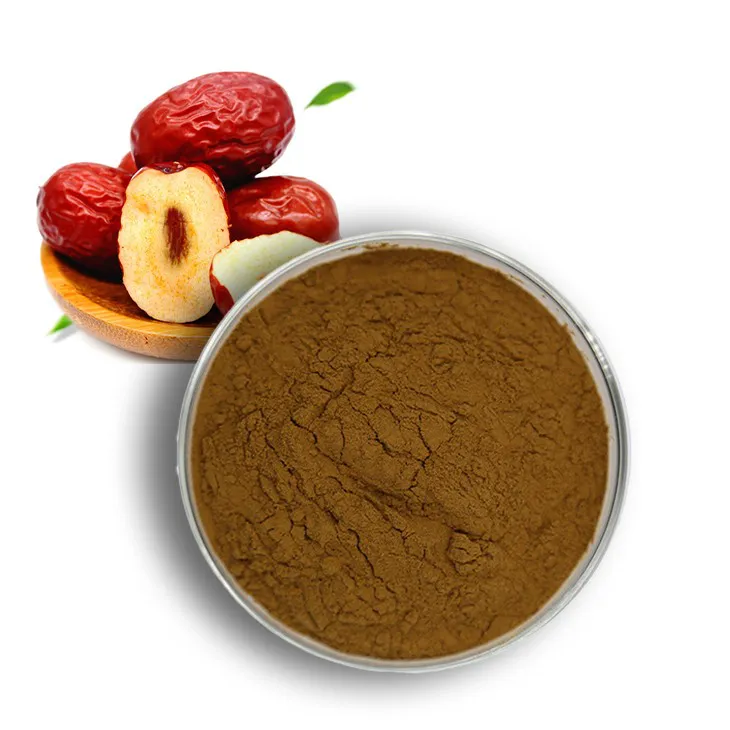
Jujube Extract
2026-11-28
-
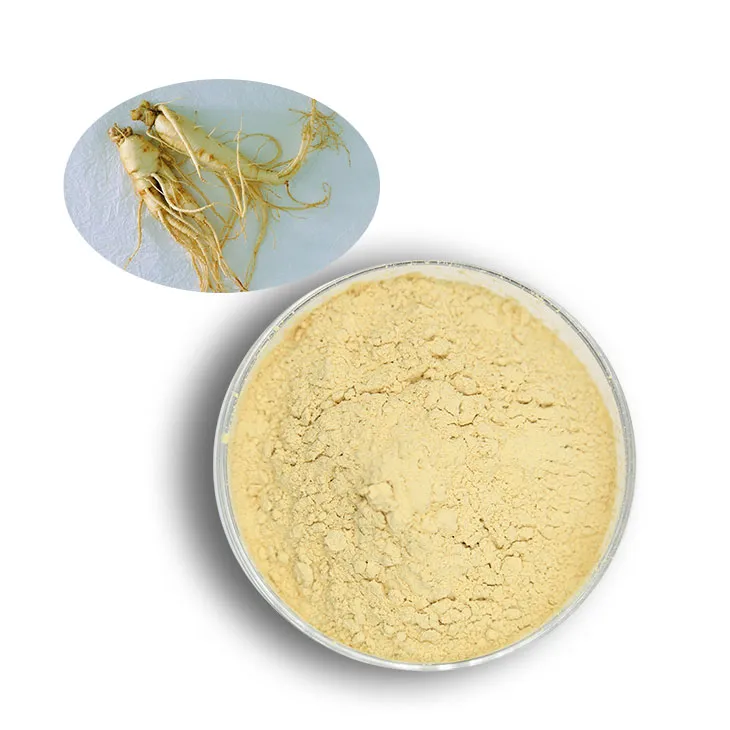
American Ginseng Root Extract
2026-11-28
-
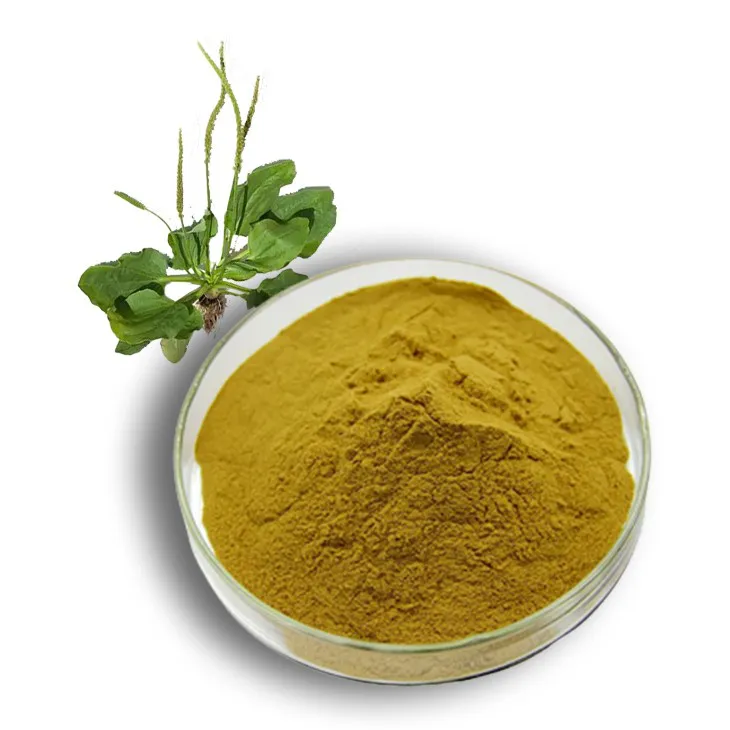
Plantain extract
2026-11-28
-
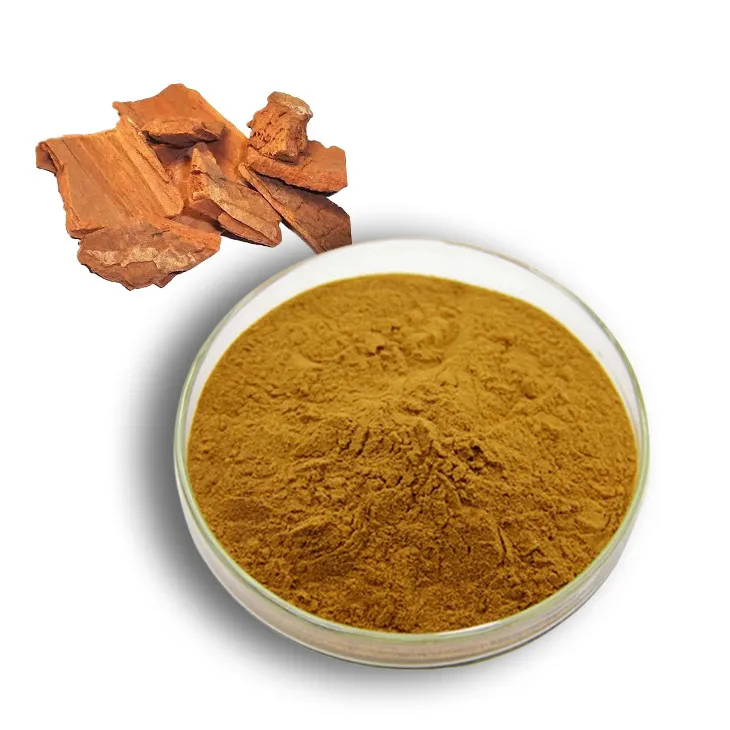
Yohimbine Bark Extract
2026-11-28
-
Giant Knotweed Extract
2026-11-28
-
Citrus bioflavonoids
2026-11-28
-
Centella Asiatica Extract
2026-11-28
-
Kupilu Extract
2026-11-28
-
Fenugreek Extract Powder
2026-11-28
-
Licorice Root Extract Powder
2026-11-28