- 0086-571-85302990
- [email protected]




What Is Quercetin? Immune Support Science, Antioxidant Benefits & B2B Sourcing Guide (2026)
2026-10-31
1. What Is Quercetin and Why Is It the Most Abundant Dietary Flavonoid?
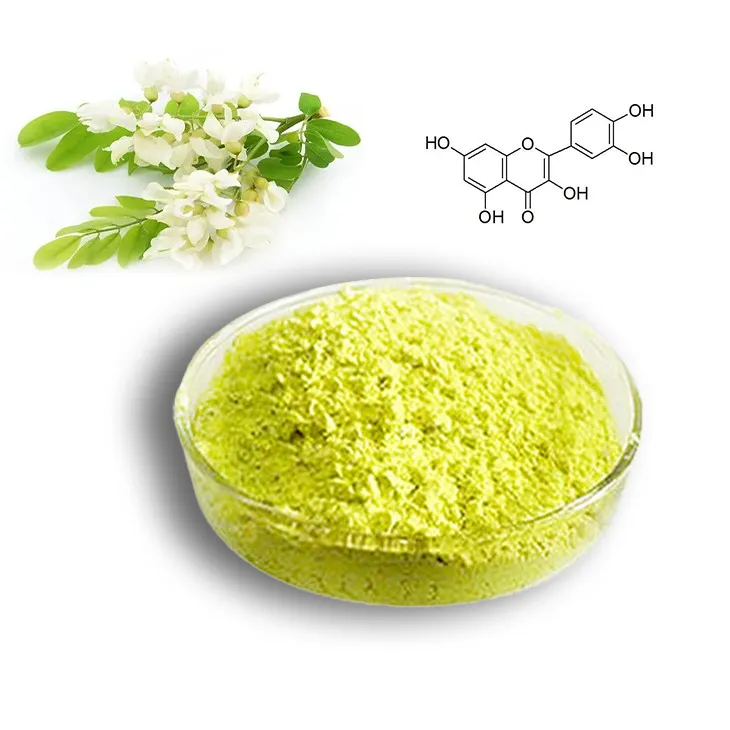
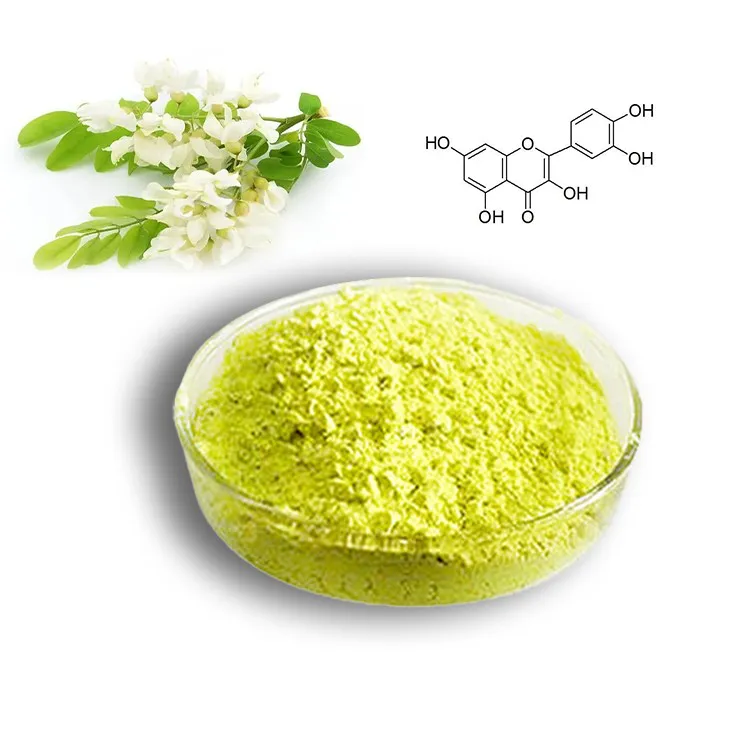
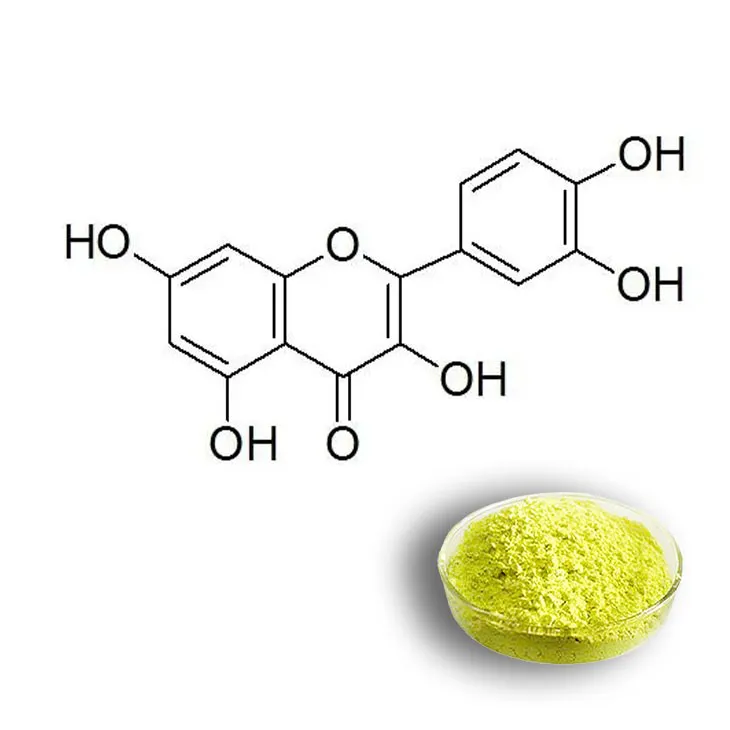
Quercetin (3,3',4',5,7-pentahydroxyflavone) is a flavonol — a subclass of flavonoid polyphenols — found abundantly in fruits, vegetables, grains, and beverages. First isolated in 1857, quercetin is the most prevalent flavonoid in the human diet, with average daily intake estimated at 10–100mg in Western populations.
In 2026, the global quercetin market is valued at over $200 million and growing rapidly, driven by demand for immune support supplements, anti-inflammatory formulations, sports recovery products, and natural antihistamine alternatives. For B2B buyers and product formulators, understanding quercetin's science, bioavailability challenges, and quality sourcing is essential for developing effective products.
2. Natural Sources and Commercial Extraction
Quercetin is widely distributed in the plant kingdom. The most significant commercial sources include:
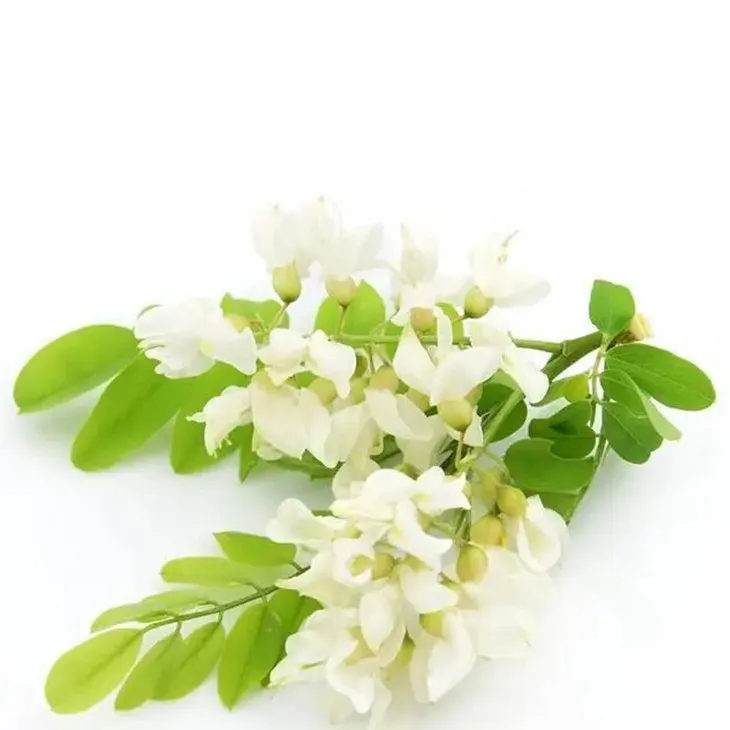
Source Quercetin Content Notes Sophora japonica (Japanese Pagoda Tree) buds 15%–25% (rutin) Primary source for quercetin production Onion (Allium cepa) skin 1–5% (aglycone) Food-grade byproduct extraction Apple peel 1–5 mg/100g Limited commercial scale Buckwheat (Fagopyrum esculentum) 10–200 mg/100g Functional food ingredient Capers 150–250 mg/100g Highest food source, impractical for extraction Citrus processing waste Variable Emerging sustainable source
Commercial quercetin is typically produced by enzymatic or acid hydrolysis of rutin (quercetin-3-rutinoside) extracted from Sophora japonica buds. The resulting quercetin dihydrate offers high purity (≥95%) and excellent stability for supplement manufacturing.
3. Key Biological Mechanisms
3.1 Antioxidant Activity
Quercetin is one of the most potent dietary antioxidants, with an ORAC value significantly higher than vitamin C. Its mechanisms include:
Free radical scavenging: Direct neutralization of ROS (reactive oxygen species) via phenolic hydroxyl groups
Metal chelation: Binding of iron and copper ions to prevent Fenton reaction-driven oxidative damage
Antioxidant enzyme upregulation: Enhancement of superoxide dismutase (SOD), catalase, and glutathione peroxidase activity
3.2 Anti-Inflammatory Effects
Quercetin inhibits multiple inflammatory pathways:
NF-κB pathway suppression: Reduces production of pro-inflammatory cytokines (TNF-α, IL-6, IL-1β)
COX-2 and LOX inhibition: Modulates prostaglandin and leukotriene synthesis
Mast cell stabilization: Reduces histamine release, supporting natural allergy relief
3.3 Immune Modulation
Research demonstrates quercetin's ability to:
Enhance natural killer (NK) cell activity
Modulate T-cell differentiation toward regulatory phenotypes
Support barrier function in respiratory and gastrointestinal epithelium
Exhibit antiviral properties against multiple viral strains through zinc ionophore activity
4. Clinical Evidence and Health Applications
4.1 Immune and Respiratory Health
A 2020 study in Nutrients found that quercetin supplementation (500–1000mg/day) significantly reduced upper respiratory tract infection (URTI) incidence and severity in trained athletes
Research in the Journal of Allergy and Clinical Immunology supports quercetin's role in managing seasonal allergic rhinitis through mast cell stabilization
4.2 Cardiovascular Health
Meta-analyses indicate quercetin supplementation modestly reduces blood pressure (3–5 mmHg) in hypertensive individuals
Improves endothelial function and reduces oxidized LDL cholesterol
May support healthy arterial stiffness markers
4.3 Exercise Performance and Recovery
Studies show quercetin may improve endurance capacity and reduce exercise-induced inflammation
Combined with resveratrol and creatine, quercetin enhanced mitochondrial biogenesis in training studies
Post-exercise supplementation reduces DOMS (delayed onset muscle soreness) markers
5. Bioavailability and Formulation Strategies
Quercetin aglycone has limited oral bioavailability (~2%–20%) due to poor water solubility and extensive first-pass metabolism. Advanced delivery technologies include:
Technology Bioavailability Improvement Application Quercetin phytosome 20x increase Premium capsules Liposomal quercetin 15–20x increase Liquid formulations Nanoemulsion 10–15x increase Beverages, gummies Quercetin + Bromelain Synergistic absorption Joint health formulas Quercetin + Vitamin C Enhanced plasma retention Immune support blends Micronized quercetin 2–3x improvement Cost-effective option
6. Recommended Dosage by Application
Application Daily Dosage Form General antioxidant support 250–500mg Quercetin dihydrate Immune support 500–1000mg With vitamin C or bromelain Allergy relief 500–1000mg Divided doses, 2–3x daily Athletic recovery 500–1000mg Pre- and post-exercise Cardiovascular support 500mg With meals
7. Quality Sourcing Checklist for B2B Buyers
Purity: ≥95% quercetin dihydrate (HPLC verified)
Rutin Content: Residual rutin < 3% (if producing from rutin hydrolysis)
Heavy Metals: Pb < 1ppm, As < 1ppm, Cd < 0.5ppm, Hg < 0.1ppm
Solvent Residue: Ethanol/methanol within ICH Q3C limits
Microbial Limits: Total plate count < 10,000 CFU/g
Particle Size: D90 < 150μm for optimal dissolution
Certifications: ISO22000, GMP, HALAL, Kosher for global market compliance
8. Market Trends and Opportunities (2026)
Zinc ionophore formulations combining quercetin with zinc for immune support
Gummy and chewable formats using nanoemulsified quercetin for consumer-friendly delivery
Pet health supplements targeting inflammation and immune support
Functional beverages with stabilized quercetin formulations
9. Why Choose Greensky for Quercetin Extract
Hangzhou Greensky Biological Tech. Co., Ltd. brings over two decades of plant extract manufacturing excellence to quercetin production:
High-purity quercetin dihydrate (≥95% by HPLC) from sustainable Sophora japonica sources
Custom specifications available: 85%, 95%, 98% purity grades
Comprehensive analytical documentation: COA, HPLC reports, heavy metal screening, microbial testing
GMP-compliant production with ISO22000, BRCGS, and Ecocert certifications
Advanced in-house laboratory with HPLC, GC, and UV for quality verification
With established export markets across Europe, the United States, South Korea, and Russia, Greensky is your reliable B2B quercetin extract supplier.
Contact Greensky
- ▶ Hesperidin
- ▶ Citrus Bioflavonoids
- ▶ Plant Extract
- ▶ lycopene
- ▶ Diosmin
- ▶ Grape seed extract
- ▶ Sea buckthorn Juice Powder
- ▶ Fruit Juice Powder
- ▶ Hops Extract
- ▶ Artichoke Extract
- ▶ Mushroom extract
- ▶ Astaxanthin
- ▶ Green Tea Extract
- ▶ Curcumin
- ▶ Horse Chestnut Extract
- ▶ Other Product
- ▶ Boswellia Serrata Extract
- ▶ Resveratrol
- ▶ Marigold Extract
- ▶ Grape Leaf Extract
- ▶ New Product
- ▶ Aminolevulinic acid
- ▶ Cranberry Extract
- ▶ Red Yeast Rice
- ▶ Red Wine Extract
- ▶ blog
-
Mango flavored powder
2026-10-31
-
Horse Chestnut Extract
2026-10-31
-
5-HTP (5-Hydroxytryptophan)
2026-10-31
-
Tamarind extract powder
2026-10-31
-
Acerola Extract
2026-10-31
-
Baobab Fruit Extract
2026-10-31
-
Oyster Mushroom Extract Powder
2026-10-31
-
Cocoa Extract
2026-10-31
-
Gamma-Aminobutyric Acid
2026-10-31
-
Mangosteen extract powder
2026-10-31