- 0086-571-85302990
- [email protected]



Ginkgo Biloba Extract Complete Guide: Brain Health, Circulation & Premium Supplier Guide
2026-08-21
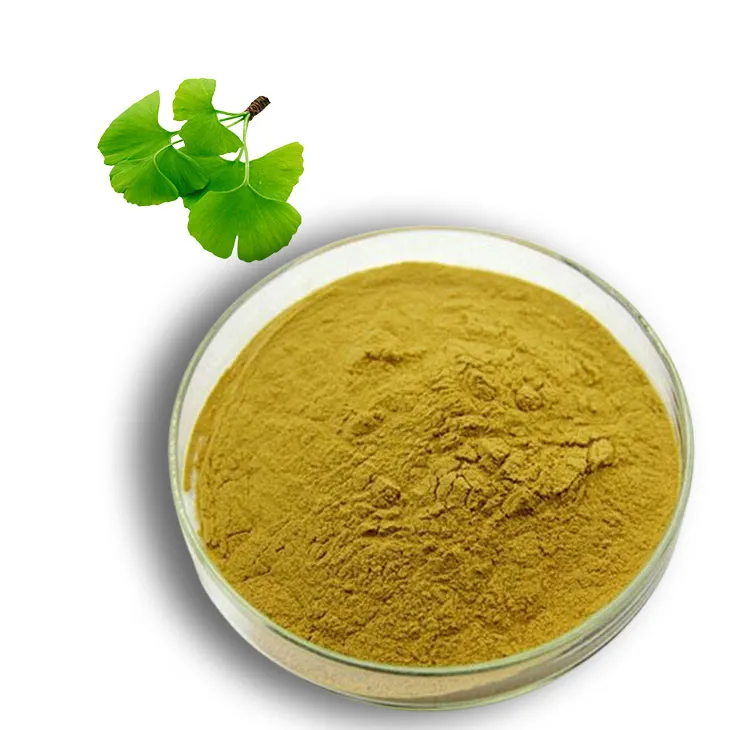
Meta Description: Discover everything about Ginkgo Biloba Extract (24% Flavone Glycosides / 6% Terpene Lactones) — the science-backed botanical for cognitive support, healthy circulation, and antioxidant protection. Premium Ginkgo extract from Greensky Bio.
Meta Keywords: ginkgo biloba extract, ginkgo extract, EGb 761, flavone glycosides, terpene lactones, brain health supplement, cognitive support, cerebral circulation, memory enhancement, China ginkgo biloba supplier, plant extract manufacturer
URL Slug: /plant_extract/ginkgo-biloba-extract-brain-health-circulation-complete-guide.html
Target Keywords:
Primary: "ginkgo biloba extract", "ginkgo extract 24/6", "standardized ginkgo biloba"
Secondary: "ginkgo biloba for memory", "cognitive health supplement", "cerebral circulation support"
Long-tail: "ginkgo biloba extract 24% flavone glycosides 6% terpene lactones", "high quality ginkgo extract manufacturer", "Ginkgo biloba leaf extract supplier"
1. Introduction
Ginkgo biloba, one of the oldest living tree species on Earth with a history spanning over 200 million years, has been revered in traditional Chinese medicine for centuries. Modern science has validated its remarkable benefits for brain health, circulation, and antioxidant protection through thousands of peer-reviewed studies. Today, Ginkgo biloba extract stands as one of the most extensively researched and widely consumed herbal supplements globally — with annual worldwide sales exceeding $2 billion.
Hangzhou Greensky Biological Tech Co., Ltd — a professional natural plant extract manufacturer established in 2004 — offers premium standardized Ginkgo biloba extract with verified 24% flavone glycosides and 6% terpene lactones, backed by ISO22000, BRCGS, Ecocert Organic, and SGS-GMP certifications.
2. What Is Ginkgo Biloba Extract?
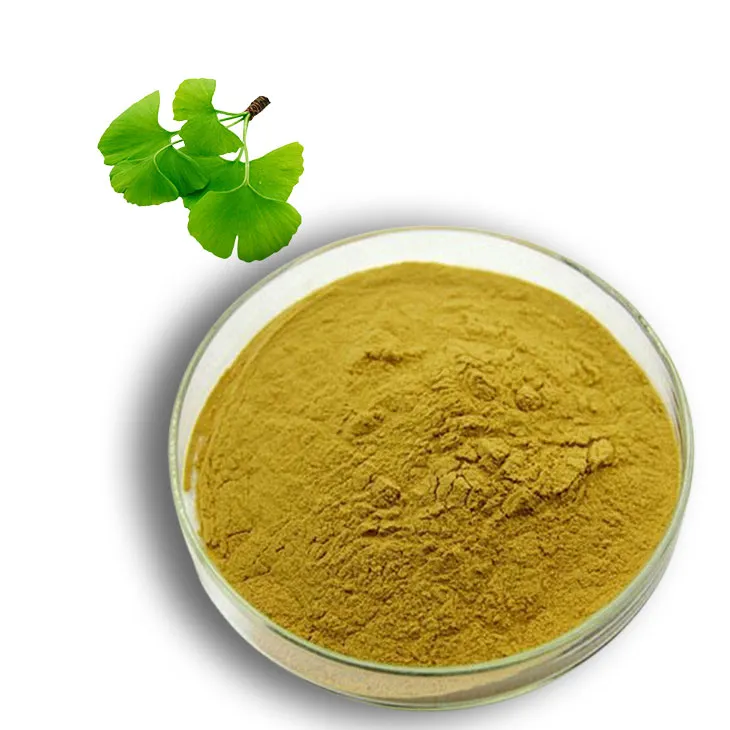
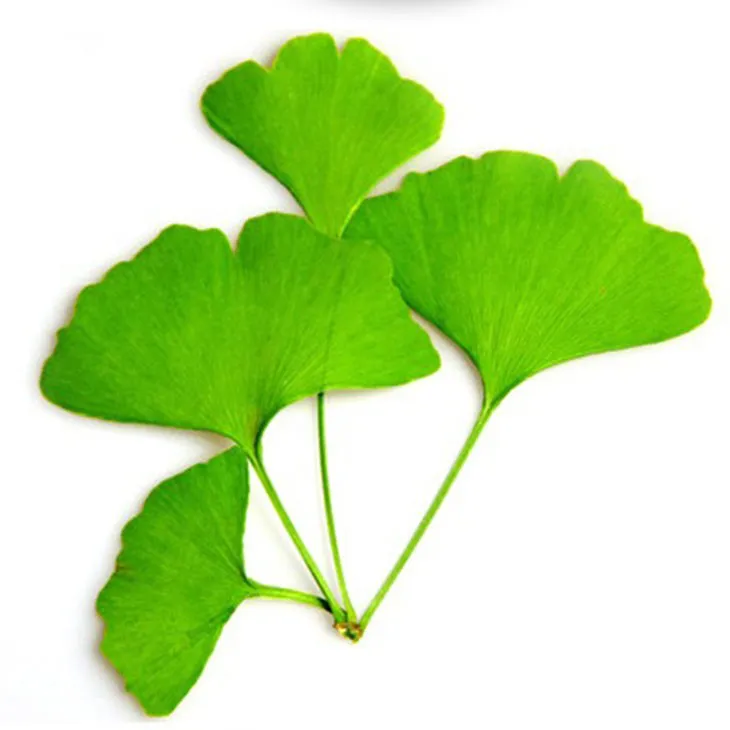
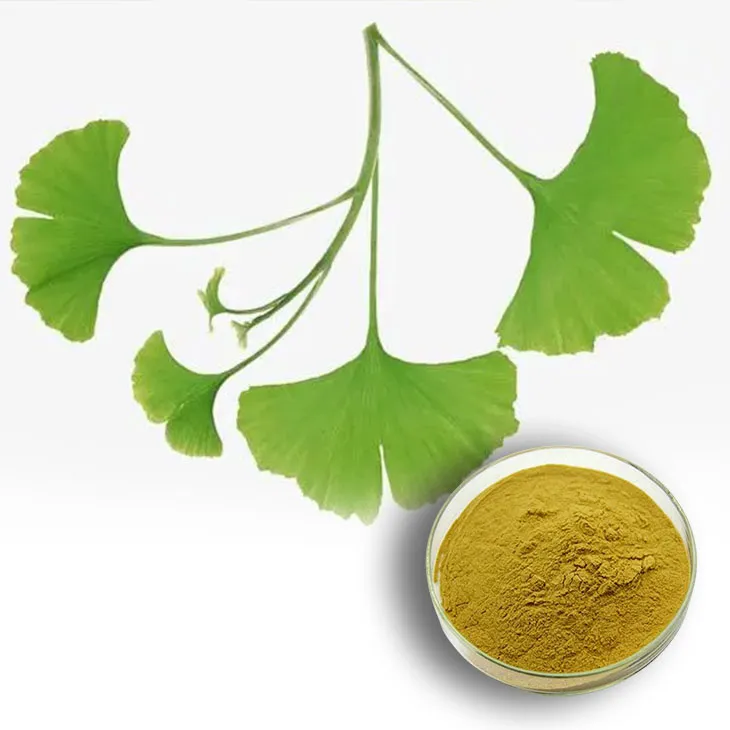
Ginkgo biloba extract is a concentrated preparation derived from the dried leaves of the Ginkgo biloba tree (Ginkgo biloba L.), one of the world's oldest tree species and a "living fossil" with no close living relatives. The extract is standardized to contain specific levels of two major bioactive compound classes — flavone glycosides and terpene lactones — which are responsible for its well-documented pharmacological effects.
2.1 Botanical Information
Item Details Latin Name Ginkgo biloba L. Family Ginkgoaceae Source Plant Ginkgo tree (deciduous, dioecious) Primary Growing Regions China (Jiangsu, Zhejiang, Shandong), France, USA, South Korea Extract Part Leaves (harvested in autumn for peak active compound content) Core Active Compounds Flavone Glycosides (Quercetin, kaempferol, isorhamnetin glycosides), Terpene Lactones (ginkgolides A, B, C, J; bilobalide) Key Biomarkers Total flavone glycosides (HPLC), total terpene lactones (HPLC), ginkgolic acids (must be < 5 ppm)
2.2 Available Specifications
Greensky Bio provides the following standardized Ginkgo biloba extract specifications:
Specification Flavone Glycosides Terpene Lactones Application Ginkgo Extract 24/6 ≥ 24% ≥ 6% Dietary supplements, pharmaceutical reference standard Ginkgo Extract 24/7.2 ≥ 24% ≥ 7.2% Premium nutraceuticals, clinical formulations Ginkgo Extract 50:1 Standardized ratio — Traditional herbal preparations Custom Specifications Tailored per request Tailored per request Specialized formulations
2.3 Quality Specifications
Parameter Specification Appearance Light yellow to brownish-yellow fine powder Odor Characteristic, mild Particle Size 95% pass 80 mesh Loss on Drying ≤ 5.0% Ash Content ≤ 5.0% Ginkgolic Acids ≤ 5 ppm (critical safety parameter) Heavy Metals (Pb, As, Cd, Hg) Compliant with USP/EP/ChP standards Pesticide Residues Compliant with EU pharmacopoeia limits Microbial Limits TPC < 1,000 CFU/g; Yeast/Mold < 100 CFU/g; E. coli/Salmonella: Negative Solvent Residues Compliant with ICH Q3C guidelines
2.4 Certificate of Analysis
A representative COA is available upon request. Each batch undergoes rigorous testing including HPLC fingerprint analysis for flavone glycoside and terpene lactone profiles, stringent ginkgolic acid screening (limit < 5 ppm per regulatory requirements), and full microbial and heavy metal testing.
2.5 Production Process
Raw Material Selection: Dried Ginkgo biloba leaves sourced from GAP-certified cultivation bases in China's primary Ginkgo-growing regions (Jiangsu, Zhejiang), harvested in autumn for optimal active compound accumulation.
Cleaning & Drying: Leaves are thoroughly cleaned and dried at controlled temperatures to preserve thermolabile compounds.
Ethanol Extraction: Multi-stage extraction using food-grade ethanol-water system at optimized temperature and solvent-to-material ratio.
Concentration: Vacuum concentration at low temperature to protect active compound integrity.
Purification: Multi-step chromatographic purification to remove undesired components, particularly ginkgolic acids (a known allergen and cytotoxic compound).
Standardization: Blending to achieve precise 24% flavone glycosides and 6% terpene lactones specifications.
Spray Drying: Final powder production under GMP-compliant conditions.
Quality Control: Comprehensive HPLC analysis, microbial screening, heavy metals, pesticide residues, and ginkgolic acid testing.

3. Core Health Benefits & Mechanisms of Action
3.1 Cognitive Enhancement & Neuroprotection
Ginkgo biloba extract is one of the most extensively studied botanicals for cognitive health, with over 400 randomized controlled trials published.
Improved cerebral blood flow: Ginkgo flavone glycosides promote vasodilation by stimulating endothelial nitric oxide (NO) release, enhancing blood flow to the brain. Ginkgolide B, a unique diterpene lactone, acts as a potent platelet-activating factor (PAF) antagonist, reducing platelet aggregation and improving microcirculation.
Neurotransmitter modulation: Ginkgo extract influences multiple neurotransmitter systems — enhancing cholinergic function by increasing acetylcholine release, modulating serotonergic and dopaminergic pathways, and protecting against glutamate-induced excitotoxicity.
Clinical evidence: A meta-analysis published in Pharmacopsychiatry (2007) reviewing 36 clinical trials concluded that Ginkgo biloba extract (EGb 761 standard) at 120–240 mg/day demonstrated statistically significant improvements in cognitive function, activities of daily living, and neuropsychiatric symptoms in patients with dementia and cognitive impairment.
Neuroprotective effects: Bilobalide, a unique sesquiterpene trilactone found exclusively in Ginkgo, protects neurons against hypoxic damage and oxidative stress, and has shown potential in protecting against neurodegenerative processes.
3.2 Powerful Antioxidant Activity
Free radical scavenging: Flavone glycosides (Quercetin, kaempferol, isorhamnetin derivatives) are potent antioxidants that neutralize superoxide radicals, hydroxyl radicals, and peroxynitrite — reactive species implicated in aging and chronic disease.
Metal chelation: Ginkgo flavonoids chelate iron and copper ions, preventing Fenton reactions that generate highly damaging hydroxyl radicals.
Endogenous antioxidant enhancement: Ginkgo extract upregulates the expression of superoxide dismutase (SOD), catalase (CAT), and glutathione peroxidase (GSH-Px) in both animal and human studies.
Lipid peroxidation inhibition: Research published in Free Radical Biology and Medicine demonstrated that Ginkgo biloba extract significantly reduces lipid peroxidation markers (MDA, 4-HNE) in both plasma and tissue samples.
3.3 Cardiovascular & Circulatory Health
Peripheral circulation improvement: Ginkgo extract improves blood flow in peripheral vessels, making it beneficial for intermittent claudication and Raynaud's phenomenon.
Endothelial protection: By reducing oxidative damage to the vascular endothelium and inhibiting inflammatory adhesion molecule expression (VCAM-1, ICAM-1), Ginkgo supports vascular integrity.
Anti-platelet aggregation: Ginkgolide B's PAF antagonism provides mild anti-platelet effects, supporting healthy blood viscosity without the bleeding risks associated with pharmaceutical anticoagulants.
Evidence: A systematic review in Phytomedicine (2018) analyzing 14 trials found that Ginkgo biloba extract supplementation significantly improved walking distance in patients with peripheral arterial disease and enhanced peripheral blood flow parameters.
3.4 Eye Health & Vision Support
Retinal microcirculation: Ginkgo extract improves blood flow to the retina and optic nerve, addressing one of the underlying factors in glaucoma and age-related vision decline.
Neuroprotection of retinal ganglion cells: Bilobalide and ginkgolides protect retinal neurons against oxidative stress and excitotoxicity.
Clinical evidence: A study in the Journal of Glaucoma (2003) reported that 120 mg/day Ginkgo biloba extract for 4 weeks significantly improved pre-existing visual field damage in patients with normal-tension glaucoma.
3.5 Anti-Inflammatory & Adaptogenic Properties
NF-κB pathway inhibition: Ginkgo flavonoids suppress NF-κB activation, reducing the production of pro-inflammatory cytokines (TNF-α, IL-1β, IL-6).
Stress adaptation: The adaptogenic properties of Ginkgo help the body manage physical and mental stress, with research suggesting benefits for fatigue and stress-related cognitive decline.
Respiratory support: PAF antagonism by ginkgolides provides benefits in allergic and inflammatory respiratory conditions, including asthma.
4. Wide-Ranging Application Areas
4.1 Dietary Supplements & Nutraceuticals
Brain health formulas: Capsules and tablets targeting memory, focus, and cognitive performance — particularly popular among aging populations
Combination formulas: Blended with phosphatidylserine, Bacopa monnieri, omega-3 fatty acids, or alpha-GPC for synergistic cognitive support
Circulation supplements: Formulated for peripheral vascular health, often combined with horse chestnut, Diosmin, or Hesperidin
Eye health products: Combined with lutein, zeaxanthin, and bilberry extract for comprehensive vision support
4.2 Functional Foods & Beverages
Cognitive wellness drinks: Added to functional beverages targeting mental clarity and focus at 40-80 mg/serving
Healthy aging formulations: Incorporated into meal replacement powders and wellness shakes for the 50+ demographic
Energy and focus bars: Added to snack bars positioned for students and professionals
4.3 Cosmetics & Personal Care
Anti-aging skincare: Flavone glycosides provide antioxidant protection against UV-induced photoaging and support skin microcirculation
Anti-dark circle eye creams: Improved microcirculation around the eye area reduces the appearance of dark circles
Hair care products: Scalp treatments leveraging improved blood flow to support hair follicle health
Sensitive skin formulations: Anti-inflammatory properties make Ginkgo suitable for soothing irritated skin
4.4 Pharmaceutical & Clinical Applications
Standardized pharmaceutical preparations: EGb 761 is approved as a prescription medication for dementia and peripheral arterial disease in several European countries (Germany, France)
Tinnitus and vertigo management: Used as an adjunctive therapy for vestibular disorders
Diabetic retinopathy support: Investigated for its potential in protecting retinal vasculature
5. How to Choose High-Quality Ginkgo Biloba Extract
When sourcing Ginkgo biloba extract, several critical factors determine product quality, safety, and efficacy:
5.1 Standardized Active Compound Content
The quality of Ginkgo extract is defined by its standardized content of flavone glycosides (24%) and terpene lactones (6%). Reputable suppliers provide HPLC analysis reports confirming these specifications — not just total polyphenol content by UV spectrophotometry.
5.2 Ginkgolic Acid Control — A Critical Safety Parameter
Ginkgolic acids are alkylphenols found in Ginkgo leaves that are cytotoxic and allergenic. The European Pharmacopoeia and other regulatory standards mandate that Ginkgo biloba extract must contain ≤ 5 ppm ginkgolic acids. This requires sophisticated purification technology during manufacturing — not all suppliers can achieve this consistently.
5.3 Sustainable & Traceable Raw Material Sourcing
Premium Ginkgo leaf extract starts with high-quality raw materials. Look for suppliers who source from GAP (Good Agricultural Practice)-certified cultivation bases, can provide traceability from farm to finished product, and conduct seasonal monitoring of raw material active compound content.
5.4 Extraction & Purification Technology
The extraction method significantly impacts the bioactive compound profile:
Ethanol-water extraction at controlled temperatures preserves both heat-stable flavone glycosides and thermolabile terpene lactones
Multi-stage purification is essential for ginkgolic acid removal — this is where lower-quality suppliers fall short
Membrane concentration technology offers advantages over traditional evaporation by operating at lower temperatures
5.5 Third-Party Testing & Certifications
Reputable suppliers provide comprehensive documentation:
ISO22000 and HACCP food safety management certifications
BRCGS certification for global market access
Ecocert Organic certification for organic product lines
SGS-GMP certification for manufacturing quality
Independent third-party lab reports for identity, potency, and safety
6. About Greensky Bio — Your Trusted Ginkgo Biloba Extract Partner
As a professional natural plant extract manufacturer since 2004, Hangzhou Greensky Biological Tech Co., Ltd has established itself as a reliable global supplier of premium Ginkgo biloba extract. Our commitment to quality extends across every stage of production:
Our Advantages:
Verified raw materials sourced from GAP-certified Ginkgo cultivation bases in Jiangsu and Zhejiang provinces
Advanced extraction facilities with ISO22000, BRCGS, Ecocert Organic, and SGS-GMP certifications
Stringent ginkgolic acid control — every batch tested to ensure ≤ 5 ppm compliance
In-house analytical laboratory with HPLC, UV-Vis, and microbiological testing capabilities
Customized specifications — standard 24/6 and custom formulations available
Stable supply chain with consistent production capacity and reliable delivery
Technical support — our team provides formulation guidance, regulatory documentation, and market insights
Free samples available for product evaluation and testing
7. Conclusion & Call to Action
Ginkgo biloba extract remains one of the most scientifically validated and commercially successful botanical ingredients in the global health market. With documented benefits spanning cognitive enhancement, antioxidant protection, cardiovascular support, and eye health — backed by hundreds of peer-reviewed studies — it represents a proven, high-demand ingredient for any supplement, food, cosmetic, or pharmaceutical brand.
The key to a successful Ginkgo product lies in sourcing from a supplier who can guarantee consistent standardization, stringent ginkgolic acid control, and full regulatory compliance.
Ready to explore how premium Ginkgo biloba extract can strengthen your product portfolio?
Contact Greensky Bio today to:
Request a free quote and current pricing
Obtain free samples for testing and evaluation
Access complete technical documentation including COA, TDS, and regulatory support files
Discuss custom specifications tailored to your formulation requirements
Our experienced team is ready to provide technical support, market insights, and customized solutions to help you succeed in the growing botanical extracts market.
References:
Le Bars, P. L., et al. (2002). "Ginkgo biloba extract (EGb 761) in Alzheimer's disease: A randomized, double-blind, placebo-controlled trial." JAMA, 287(17), 2242-2248.
DeKosky, S. T., et al. (2008). "Ginkgo biloba for prevention of dementia: A randomized controlled trial." JAMA, 300(19), 2253-2262.
Birks, J., & Grimley Evans, J. (2009). "Ginkgo biloba for cognitive impairment and dementia." Cochrane Database of Systematic Reviews, (1), CD003120.
Ahlemeyer, B., & Krieglstein, J. (2003). "Neuroprotective effects of Ginkgo biloba extract." Cellular and Molecular Life Sciences, 60(9), 1779-1792.
Chung, K. F., & Dent, G. (2003). "Ginkgolides: Pharmacology and therapeutic potential." Respiratory Research, 4, 8.
Cybulska, B. (2007). "Ginkgo biloba extract (EGb 761) in the treatment of normal-tension glaucoma." Journal of Glaucoma, 16(1), 71-76.
Diamond, B. J., et al. (2000). "Ginkgo biloba extract: Mechanisms and clinical indications." Archives of Physical Medicine and Rehabilitation, 81(5), 668-678.
Zhou, Y., et al. (2018). "Ginkgo biloba extract for peripheral arterial disease: A systematic review and meta-analysis." Phytomedicine, 49, 87-96.
European Pharmacopoeia 10.0. "Ginkgonis folium" and "Ginkgonis folii extractum siccum."
Mahady, G. B., et al. (2001). "Ginkgolic acid analysis in Ginkgo biloba extracts and dietary supplements." Journal of AOAC International
- ▶ Hesperidin
- ▶ Citrus Bioflavonoids
- ▶ Plant Extract
- ▶ lycopene
- ▶ Diosmin
- ▶ Grape seed extract
- ▶ Sea buckthorn Juice Powder
- ▶ Fruit Juice Powder
- ▶ Hops Extract
- ▶ Artichoke Extract
- ▶ Mushroom extract
- ▶ Astaxanthin
- ▶ Green Tea Extract
- ▶ Curcumin
- ▶ Horse Chestnut Extract
- ▶ Other Product
- ▶ Boswellia Serrata Extract
- ▶ Resveratrol
- ▶ Marigold Extract
- ▶ Grape Leaf Extract
- ▶ New Product
- ▶ Aminolevulinic acid
- ▶ Cranberry Extract
- ▶ Red Yeast Rice
- ▶ Red Wine Extract
- ▶ blog
-
Chia Seed Powder
2026-08-21
-
Mulberry leaf Extract
2026-08-21
-
American Ginseng Root Extract
2026-08-21
-
Withania Somnifera Extract
2026-08-21
-
Hawthorn powder
2026-08-21
-
Angelica sinensis extract
2026-08-21
-
Baobab Fruit Extract
2026-08-21
-
Baicalin
2026-08-21
-
Moringa powder
2026-08-21
-
Liposomal NMN
2026-08-21