- 0086-571-85302990
- [email protected]




Global Plant Extract Industry News: Market Trends, Research Breakthroughs & Regulatory Updates — Aug
2026-08-07
Global Plant Extract Industry News: Market Trends, Research Breakthroughs & Regulatory Updates — August 2026
The global plant extract industry is experiencing unprecedented momentum in 2026. From blockbuster corporate acquisitions to breakthrough clinical trials demonstrating the cognitive and immune benefits of botanical compounds, the botanical extract sector is reshaping the future of preventive health and personalized wellness worldwide.
In this comprehensive roundup, we cover the most significant developments across Plant Extracts Botanical Research Market Trends Regulatory Updates Clinical Trials.
1. P&G Acquires Thorne: A Landmark Move for Science-Backed Botanical Wellness
One of the biggest stories in the dietary supplement and plant extract industry this year is Procter & Gamble's (P&G) agreement to acquire Thorne Health, a leading science-backed wellness brand known for its premium supplement formulations that heavily feature botanical and plant-derived ingredients.
Key figures: Thorne has grown at over 30% CAGR since 2023, surpassing $500 million in annual revenue in 2025 and on track to reach $650 million this year. The company expects to become a "billion-dollar brand" within the next few years.
Thorne's product portfolio includes numerous plant extract-based supplements such as Curcumin (turmeric extract), ashwagandha, milk thistle, and berberine formulations. The acquisition signals major consumer goods companies' growing recognition that plant extracts and botanical ingredients are central to the future of the wellness industry.
According to Thorne CEO Colin Watts, approximately 60% of Thorne's revenue now comes from consumers under 40, reflecting a dramatic generational shift in how younger demographics approach health through natural and plant-derived supplements.
"Consumer interest in self-care, prevention, wellness and personalized health continues to grow, and Thorne strengthens our position in premium wellness with a trusted, science-backed brand that complements our existing portfolio." — Paul Gama, CEO of P&G Health Care
Implications for the plant extract industry: This acquisition validates the commercial potential of science-backed botanical extracts and is likely to drive increased investment in clinical research, quality standardization, and innovation across the plant extract supply chain globally.
2. Breakthrough Research: Turmeric Extract Shown to Improve Cognitive Function in 24-Week Clinical Trial
Researchers at Japan's House Wellness Foods Corporation have published compelling results from a randomized, double-blind, placebo-controlled trial demonstrating that a proprietary Curcuma longa (turmeric) extract significantly improved orientation and attention scores in healthy adults with subtle cognitive weaknesses.
Study Highlights
| Parameter | Detail |
|---|---|
| Participants | 40 healthy adults aged 40–69 years |
| Duration | 24 weeks |
| Intervention | Curcuma Longa Extract (CLE) — dual extraction (hot water + supercritical CO₂) |
| Active Compounds | Turmeronols A & B, bisacurone (non-Curcuminoid sesquiterpenoids) |
| Key Finding | Significant improvement in orientation and attention scores vs. placebo |
| Safety | No adverse effects reported |
What makes this study particularly noteworthy is its focus on non-Curcuminoid compounds in turmeric — specifically the sesquiterpenoids turmeronols A and B, and bisacurone. These compounds appear to suppress inflammatory pathways by targeting microglial activation in the brain, operating through mechanisms independent of curcumin's well-known antioxidant properties.
Why this matters: Orientation and attention are among the first cognitive domains affected in early dementia. While this study did not assess clinical dementia outcomes directly, the researchers noted that "improvements in these functions may have broader implications" for reducing the risk of mild cognitive impairment (MCI) and dementia.
Market impact: Turmeric extract remains one of the most commercially significant botanical extracts globally, and this new clinical evidence is expected to further expand its applications in the brain health and cognitive wellness segments.
Source: Frontiers in Nutrition, 2026. DOI: 10.3389/fnut.2026.1866285
3. Berberine Under Regulatory Scrutiny — But Market Demand Remains Strong
Berberine, a naturally occurring plant alkaloid extracted from herbs such as goldenseal (Hydrastis canadensis), barberry (Berberis vulgaris), and Oregon grape (Berberis aquifolium), has found itself at the center of a significant regulatory debate in Europe — even as its global market continues to surge.
The Regulatory Situation
The European Food Safety Authority (EFSA) has been reviewing the safety of plant preparations containing berberine after the French health agency ANSES raised concerns about potential risks including genotoxicity, hepatotoxicity, and carcinogenicity. EFSA's draft opinion concluded that no safe intake level could currently be established due to data gaps.
However, the Alliance for Natural Health (ANH) Europe has warned against using this conclusion to justify blanket bans, arguing for "proportionate, targeted risk management, not blanket prohibition."
Market Growth Defies Regulatory Uncertainty
| Market | Data Point |
|---|---|
| U.S. Market (SPINS data) | $96 million in sales over past 12 months — up 39% year-over-year |
| NOW Foods | Over 20% growth in 2025, with even higher growth estimated for 2026 |
| Holland & Barrett (UK) | Sales up 167% year-over-year; triple-digit growth for two consecutive years |
Industry experts emphasize that EFSA's conclusion reflects incomplete data rather than proven danger. "EFSA's conclusion doesn't say berberine is dangerous; it says the dataset isn't complete enough to draw a firm safe-intake number," said Dr. Umar Jan of Sabinsa Corporation.
Key takeaway for the plant extract industry: The berberine case highlights the critical importance of robust clinical data, strain-specific safety profiles, and transparent supply chain documentation for botanical extract manufacturers operating in global markets.
Source: NutraIngredients.com, July 31, 2026
4. China's New Probiotic Health Food Regulations: Implications for Botanical-Probiotic Combinations
China's State Administration for Market Regulation (SAMR) has drafted new regulations for the filing and registration of health foods containing probiotic raw materials, open for public consultation until August 24, 2026.
Five Key Changes Proposed
Higher minimum CFU requirements during product shelf life, ensuring potency through expiration
Mandatory strain specification — manufacturers must identify exact probiotic strains used
Functionality documentation — specific health functions must be defined and substantiated
Genetic stability requirements to ensure strain integrity over time
Enhanced traceability and quality control across the entire supply chain
For plant extract companies, this is significant because the combination of botanical extracts with probiotics is one of the fastest-growing product categories in China and across Asia. The new regulations, once implemented, will set a higher bar for quality and traceability — areas where well-established plant extract suppliers with rigorous quality systems will have a competitive advantage.
5. Postbiotics & Fermented Plant Extracts: Cargill's EpiCor Demonstrates Rapid Immune Modulation
A new randomized, placebo-controlled crossover trial has shown that a single dose of EpiCor, a postbiotic fermentate derived from Saccharomyces cerevisiae, produces rapid and significant changes in immune-related biomarkers in healthy adults.
Key Findings
Within 1 hour: Significant reductions in IFN-γ and IL-1ra (key inflammatory cytokines)
Within 2 hours: Further decreases in IL-4, IL-7, and IL-8
Changes occurred without broad immune suppression, suggesting targeted modulation
Effects were most pronounced in NKT cells and non-NK/non-T cells
Why postbiotics matter for the plant extract industry: The postbiotic and fermented botanical ingredient segment represents a significant growth opportunity. Fermentation can enhance the bioavailability and biological activity of plant compounds — creating new value-added products from traditional botanical raw materials.
This research, published in Frontiers in Nutrition, reinforces the trend toward science-backed, clinically validated botanical and microbiome-targeted ingredients — a direction that benefits manufacturers with strong R&D capabilities and quality documentation.
Source: Frontiers in Nutrition, 2026. DOI: 10.3389/fnut.2026.1897550
6. Industry Investment & M&A Activity: A Market on the Move
IM8 Raises $1 Billion in Growth Financing
Premium supplement brand IM8 (backed by David Beckham) secured a landmark $1 billion growth financing deal from General Catalyst's Customer Value Fund, just 19 months after launch. The company, headquartered in Hong Kong, is using this capital to accelerate international expansion and broaden its product portfolio — including plant-based formulations.
Lallemand Acquires BIO-CAT
Global biotech company Lallemand has expanded its U.S. manufacturing footprint through the acquisition of BIO-CAT, strengthening capacity for enzyme and specialty ingredient production — including applications relevant to botanical extract processing.
Blackmores Expands Digital Engagement
Australian supplements leader Blackmores has leveraged community engagement and digital content strategies for new product launches, reflecting the broader industry shift toward digital-first consumer education around botanical and plant-based wellness products.
7. Key Market Trends Shaping the Plant Extract Industry in 2026
Trend 1: The Generational Shift
The plant extract and botanical supplement market is being driven by Gen Z and millennial consumers who view supplementation as performance enhancement rather than disease prevention. Key categories include energy, cognitive function, stress management, and workout recovery — all areas where adaptogenic herbs and plant extracts play central roles.
Trend 2: Science-Backed Botanicals
Consumers and retailers increasingly demand clinical evidence behind botanical ingredients. Companies investing in human trials, mechanistic studies, and quality documentation are winning market share. The turmeric cognition trial and berberine safety debate are both examples of this trend.
Trend 3: Clean Label & Transparency
Federal court actions against counterfeit supplement sellers (including a recent $5.3 million judgment against fake urolithin A sellers) underscore the growing importance of supply chain transparency and ingredient authentication — core competencies for established plant extract manufacturers.
Trend 4: Personalization & Precision Nutrition
The P&G-Thorne acquisition highlights the rise of personalized health solutions built on individual health testing and customized botanical supplement programs. This trend creates demand for a wider range of standardized, high-quality plant extract ingredients.
Trend 5: Fermented & Bio-Enhanced Botanicals
Research on postbiotics and fermentation-enhanced plant compounds (such as the turmeric dual-extraction approach and EpiCor fermentate) points to a growing opportunity for bioavailability-optimized botanical ingredients.
Looking Ahead: What This Means for Plant Extract Manufacturers & Buyers
The international plant extract industry in 2026 is defined by three converging forces:
Regulatory scrutiny is increasing — particularly in Europe and China, where safety documentation, strain/species identification, and traceability are becoming mandatory requirements.
Clinical evidence is becoming the differentiator — from turmeric's cognitive benefits to berberine's safety profile, data-driven ingredients are winning in the marketplace.
Major corporate investment validates the sector — P&G's acquisition of Thorne and billion-dollar financings signal that plant-based wellness is a mainstream growth priority for global consumer companies.
For plant extract suppliers, manufacturers, and buyers, the message is clear: invest in quality, invest in science, and invest in transparency. The companies that do so will be best positioned to capitalize on the accelerating global demand for botanical extracts across health, nutrition, cosmetics, and pharmaceutical applications.
About Us: [Your Company Name] is a professional manufacturer and supplier of high-quality plant extracts and botanical ingredients. With rigorous quality control, advanced extraction technology, and a commitment to science-backed products, we serve clients worldwide in the nutraceutical, food & beverage, cosmetics, and pharmaceutical industries. Contact us to learn more about our product range and custom extraction capabilities.
Disclaimer: This article is for informational purposes only and does not constitute medical, regulatory, or investment advice. All data and figures are sourced from publicly available industry reports and peer-reviewed publications. Always consult qualified professionals for health, regulatory, or business decisions.
Sources: NutraIngredients.com, Frontiers in Nutrition, CNBC, SPINS, European Food Safety Authority (EFSA), Alliance for Natural Health Europe.
- ▶ Hesperidin
- ▶ Citrus Bioflavonoids
- ▶ Plant Extract
- ▶ lycopene
- ▶ Diosmin
- ▶ Grape seed extract
- ▶ Sea buckthorn Juice Powder
- ▶ Fruit Juice Powder
- ▶ Hops Extract
- ▶ Artichoke Extract
- ▶ Mushroom extract
- ▶ Astaxanthin
- ▶ Green Tea Extract
- ▶ Curcumin
- ▶ Horse Chestnut Extract
- ▶ Other Product
- ▶ Boswellia Serrata Extract
- ▶ Resveratrol
- ▶ Marigold Extract
- ▶ Grape Leaf Extract
- ▶ New Product
- ▶ Aminolevulinic acid
- ▶ Cranberry Extract
- ▶ Red Yeast Rice
- ▶ Red Wine Extract
- ▶ blog
-
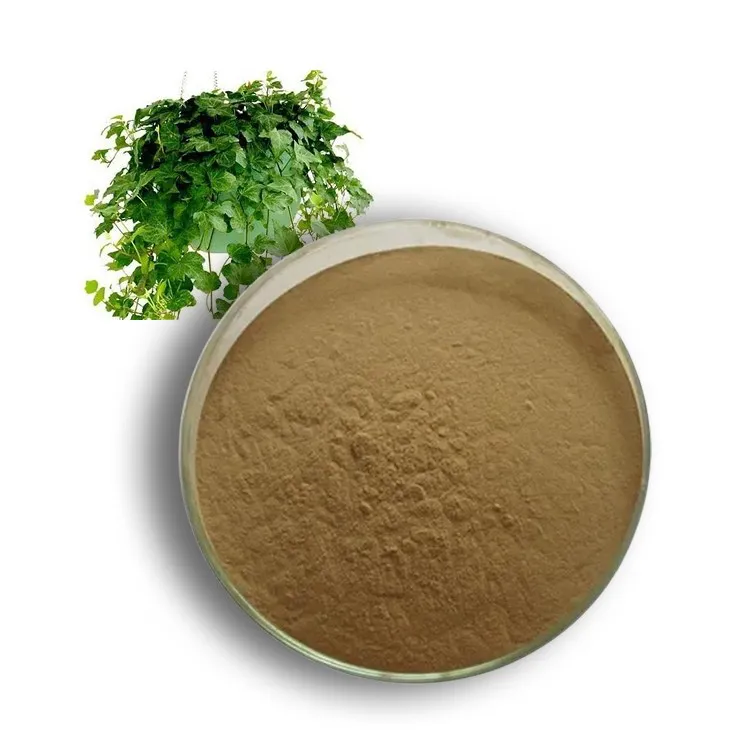
Ivy Extract
2026-08-07
-
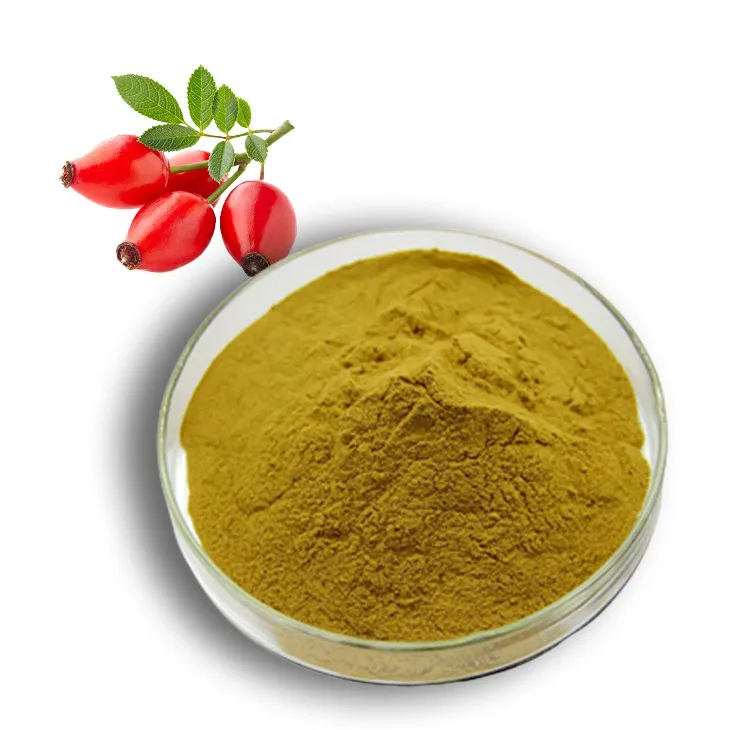
Rose Hip Extract
2026-08-07
-
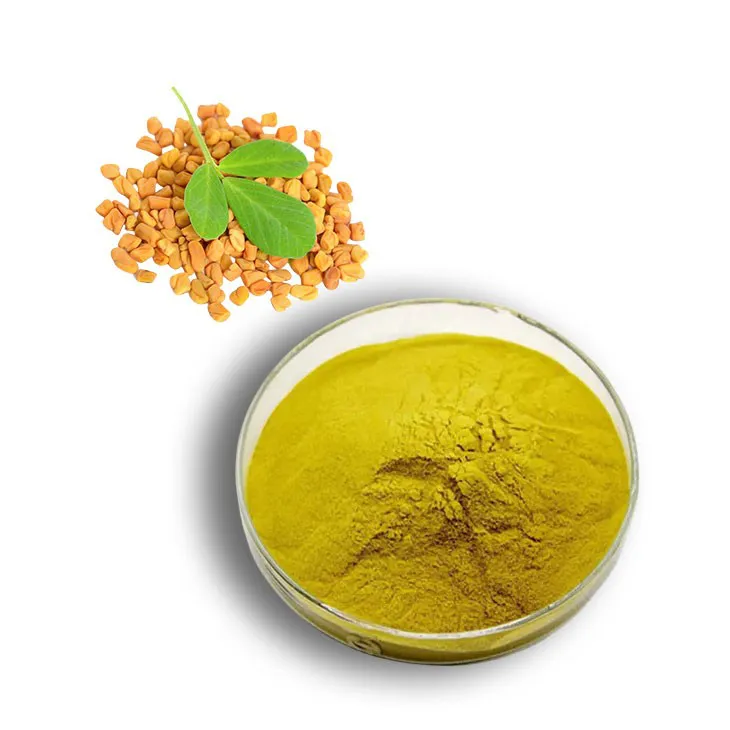
Fenugreek Extract Powder
2026-08-07
-
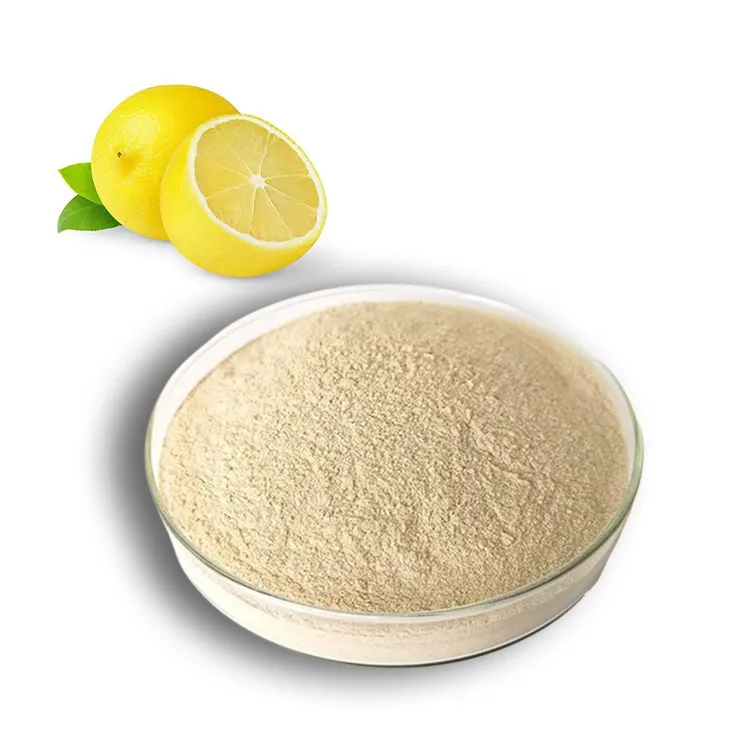
Lemon Extract
2026-08-07
-
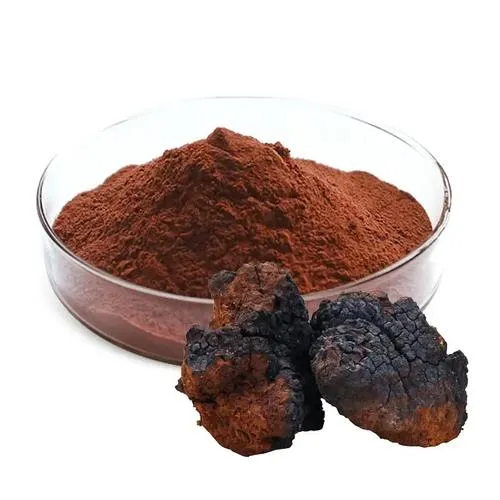
Chaga Mushroom Extract
2026-08-07
-
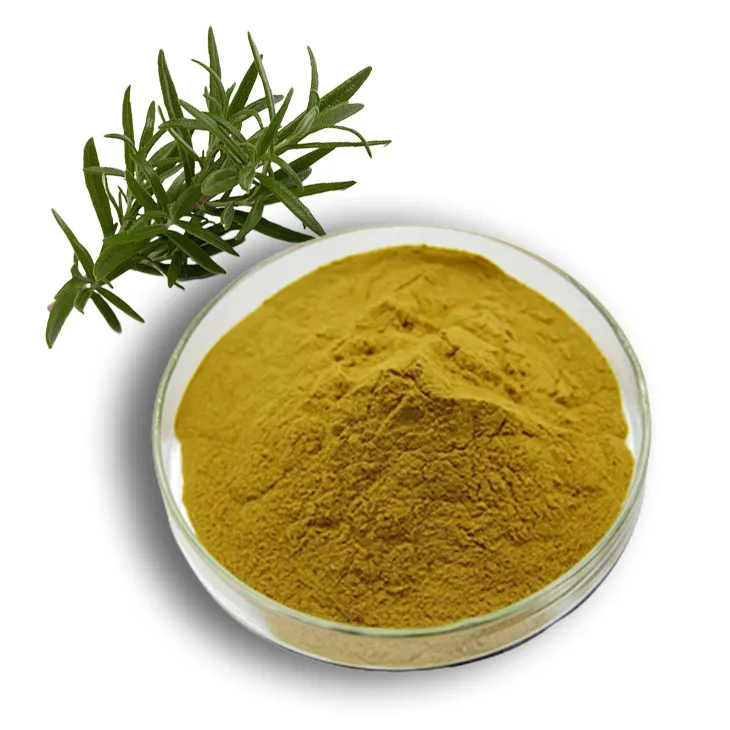
Rosemary extract
2026-08-07
-
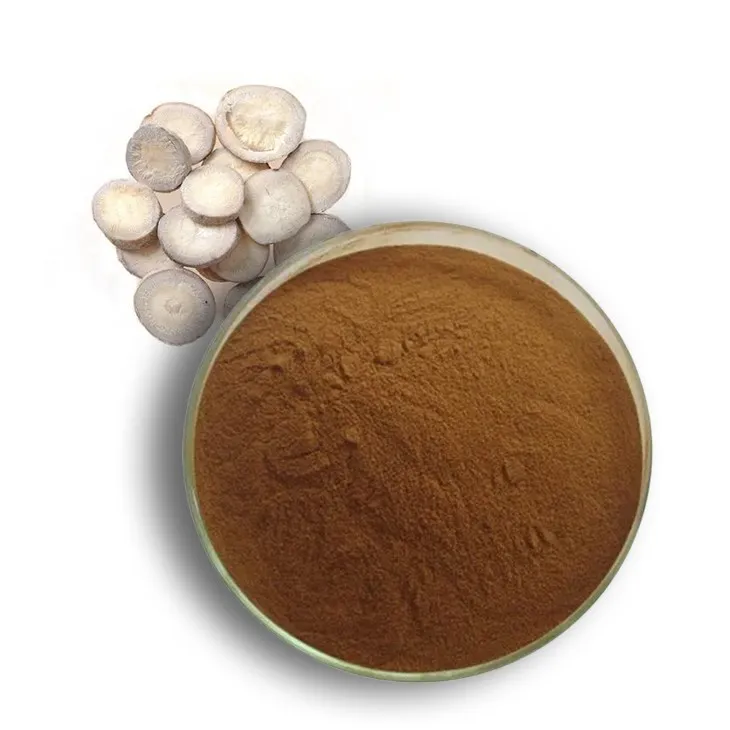
White Peony Extract
2026-08-07
-
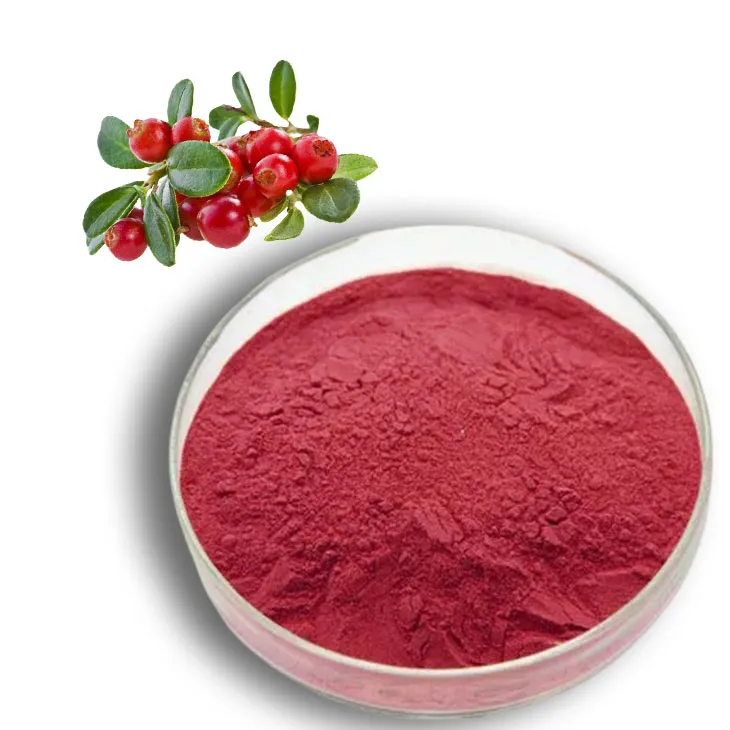
Cranberry Extract
2026-08-07
-
Lycopene
2026-08-07
-
Panax Ginseng Leaf Extract
2026-08-07