- 0086-571-85302990
- [email protected]






Guide to the Anti-Inflammatory Diet: Benefits, Foods, and Tips
2025-06-16
Anti-Inflammatory Diet Shown to Lower Risk of Chronic Disease
Adopting an anti-inflammatory diet – a nutritional approach that prioritizes whole, minimally processed foods and plant-based ingredients – has been widely recognized for its ability to reduce inflammation and decrease the likelihood of developing chronic illnesses.
Distinguishing Anti-Inflammatory and Pro-Inflammatory Foods
This diet highlights the importance of foods that are abundant in antioxidants and omega-3 fatty acids, both of which play crucial roles in reducing inflammation and lowering chronic disease risk. In contrast, a diet high in processed foods, sugary beverages, red meat, and excess alcohol can increase inflammation and contribute to long-term health problems.
Key Health Benefits
Several notable health benefits are associated with anti-inflammatory eating patterns:
- Healthier aging and longevity
- Improved mental well-being
- Enhanced metabolic health
- Reduced pain and symptoms for conditions like rheumatoid arthritis
- Lower risk of major diseases such as cancer, diabetes, and heart disease
- General decrease in bodily inflammation
These benefits are largely due to nutrients such as dietary fiber, omega-3 fatty acids, and plant compounds like polyphenols, all of which help neutralize harmful molecules in the body.
Foods to Avoid
For the best results, limit or avoid the following:
- Excessive alcohol (over one drink daily for women, or two for men)
- Fried products such as French fries
- Margarine, shortening, and lard
- Processed meats including deli meats and sausages
- Red meat
- Refined carbohydrates like white bread and pastries
- Regular sodas and sweetened beverages
- Syrups including maple, agave, and corn syrup
Recommended Foods
An anti-inflammatory diet includes:
- Dark chocolate
- Eggs
- Fatty fish such as salmon, mackerel, sardines, tuna, anchovies, and herring
- Fermented foods
- Herbs and spices like garlic, ginger, and turmeric
- Leafy greens such as kale, spinach, and collards
- Legumes including beans, lentils, chickpeas, and peas
- Low-fat dairy
- A range of colorful, non-starchy vegetables
- Nuts, particularly walnuts
- Olive oil
- Plant-based proteins such as soy, seeds, and legumes
- Seeds, among them chia, flax, hemp, pumpkin, and sunflower
- Whole grains
Getting Started: Practical Tips
To introduce an anti-inflammatory approach to your meals:
- Make gradual changes—add more vegetables, swap in fatty fish for red meat, and choose whole grains over refined ones
- Build balanced meals using the plate method: half non-starchy vegetables, a quarter protein, and a quarter whole grains or starchy vegetables
- Prioritize healthy fats from sources like fish, walnuts, and flaxseed
- Make healthy substitutions such as using olive oil instead of butter and choosing water or unsweetened tea over sugary drinks
- Experiment with herbs and spices in place of salt or sugar
- Stay well-hydrated, aiming for about 11.5 cups of water daily for women and 15.5 for men
- Keep alcohol intake within recommended limits
Sample Meal Ideas
Breakfast options: chia seed pudding with berries, oatmeal with walnuts, whole-grain avocado toast with smoked salmon and egg
Lunch ideas: quinoa bowls with roasted veggies and chickpeas, tuna sandwich on whole grain bread, pasta primavera with beans
Dinner suggestions: baked salmon with sweet potatoes and broccoli, cod with ratatouille, turmeric-roasted cauliflower steaks
Snack choices: dark chocolate with almonds, low-fat yogurt with fruit, roasted chickpeas with turmeric
Consulting Healthcare Providers
Before beginning an anti-inflammatory diet, it is important to speak with a healthcare provider to ensure safety, prevent negative interactions with medications, and verify that your nutritional needs are being met. A registered dietitian can also tailor an eating plan to suit your health history and goals.
This overview highlights the key elements, benefits, and strategies for adopting an anti-inflammatory diet to support long-term health and reduce the risk of chronic disease.
- ▶ Hesperidin
- ▶ Citrus Bioflavonoids
- ▶ Plant Extract
- ▶ lycopene
- ▶ Diosmin
- ▶ Grape seed extract
- ▶ Sea buckthorn Juice Powder
- ▶ Fruit Juice Powder
- ▶ Hops Extract
- ▶ Artichoke Extract
- ▶ Mushroom extract
- ▶ Astaxanthin
- ▶ Green Tea Extract
- ▶ Curcumin
- ▶ Horse Chestnut Extract
- ▶ Other Product
- ▶ Boswellia Serrata Extract
- ▶ Resveratrol
- ▶ Marigold Extract
- ▶ Grape Leaf Extract
- ▶ New Product
- ▶ Aminolevulinic acid
- ▶ Cranberry Extract
- ▶ Red Yeast Rice
- ▶ Red Wine Extract
- ▶ blog
-
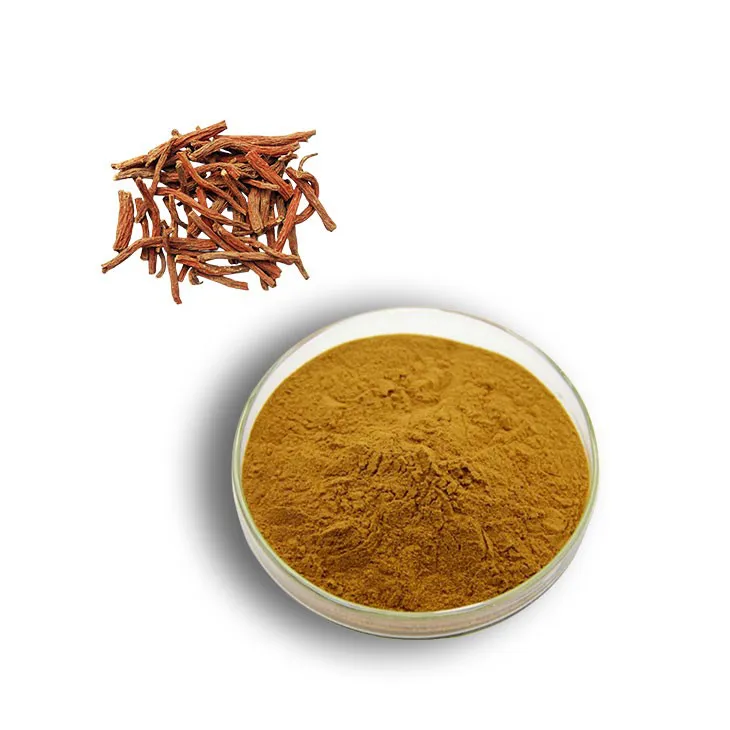
Dan Shen Root Extract/Salvia Root Extract
2025-06-16
-
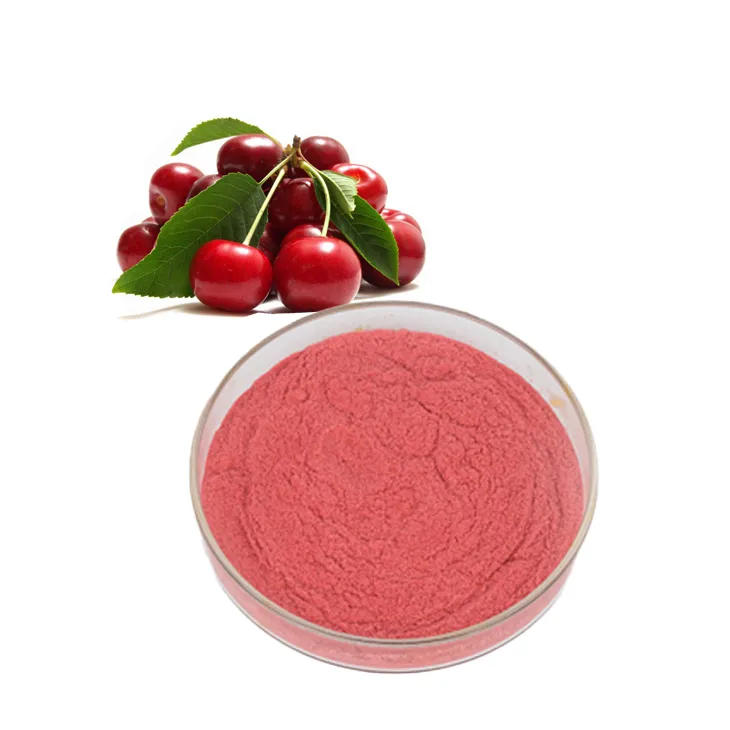
Acerola Extract
2025-06-16
-
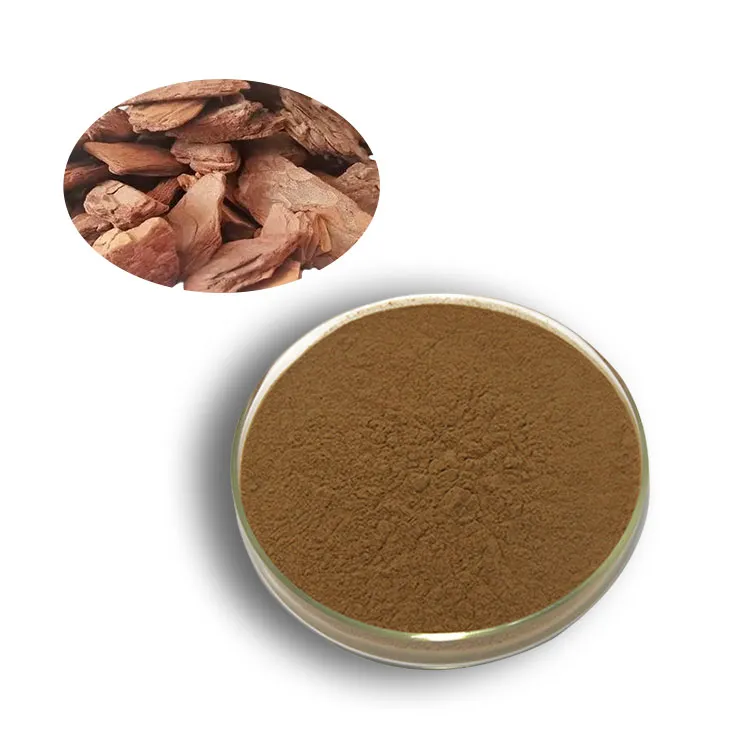
Pine bark Extract Powder
2025-06-16
-
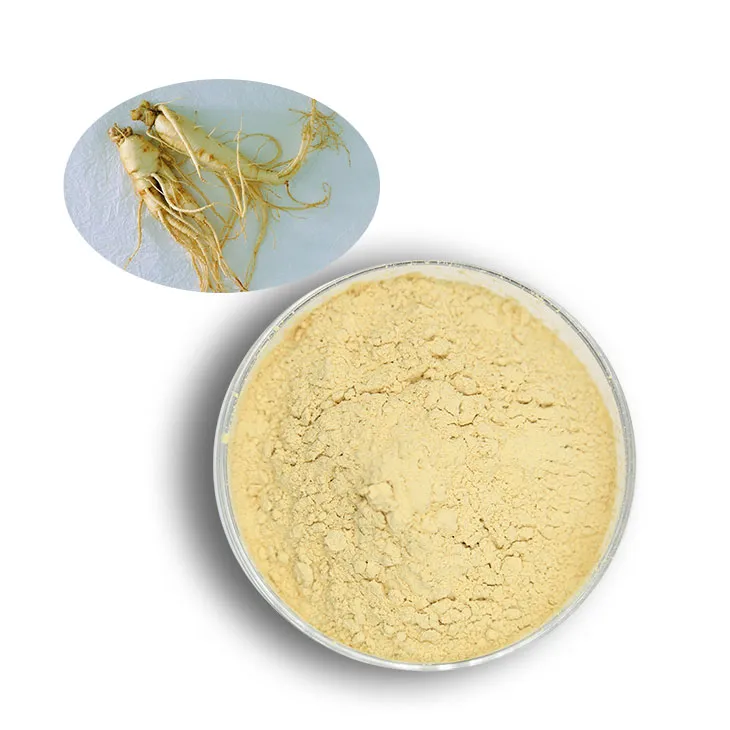
American Ginseng Root Extract
2025-06-16
-
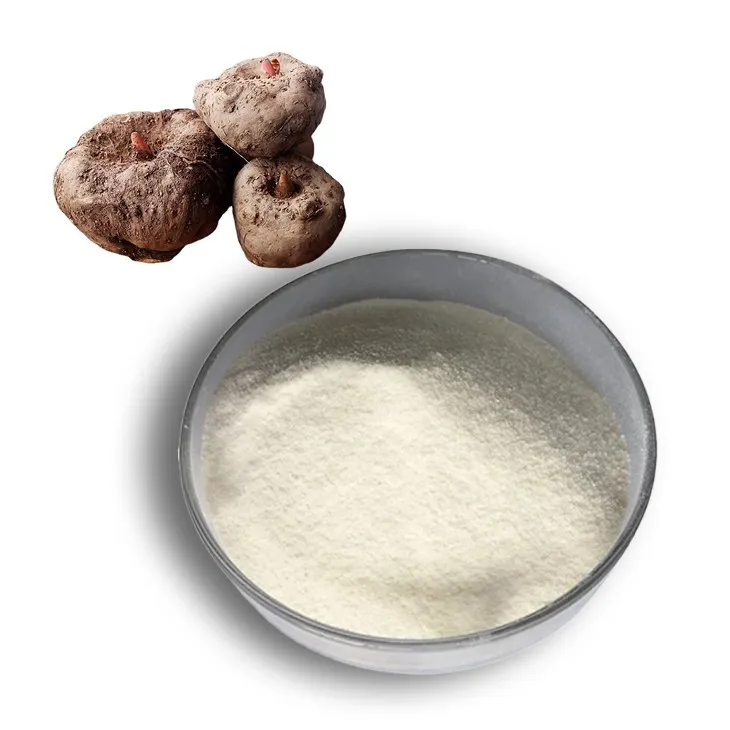
Konjac Powder
2025-06-16
-
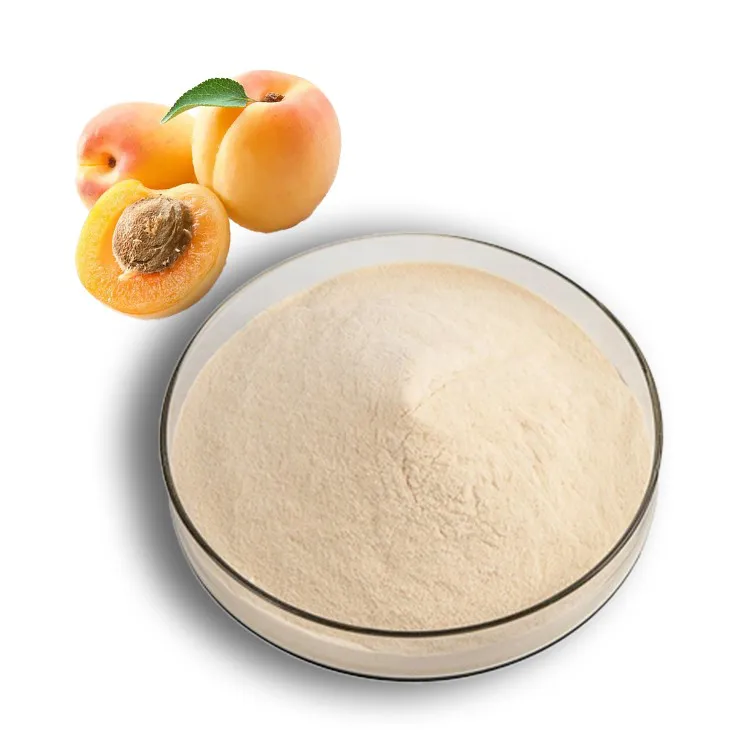
Apricot Powder
2025-06-16
-
Beta Carotene
2025-06-16
-
Passionflower Extract
2025-06-16
-
Artichoke Extract
2025-06-16
-
Grapefruit Seed Extract Powder
2025-06-16
