- 0086-571-85302990
- [email protected]




Resveratrol Extract: Japanese Knotweed Sourcing, Anti-Aging Science & Quality Guide (2026)
2026-10-25
Date: 2026-10-22 Author: Greensky Bio Research Team
What Is Resveratrol?
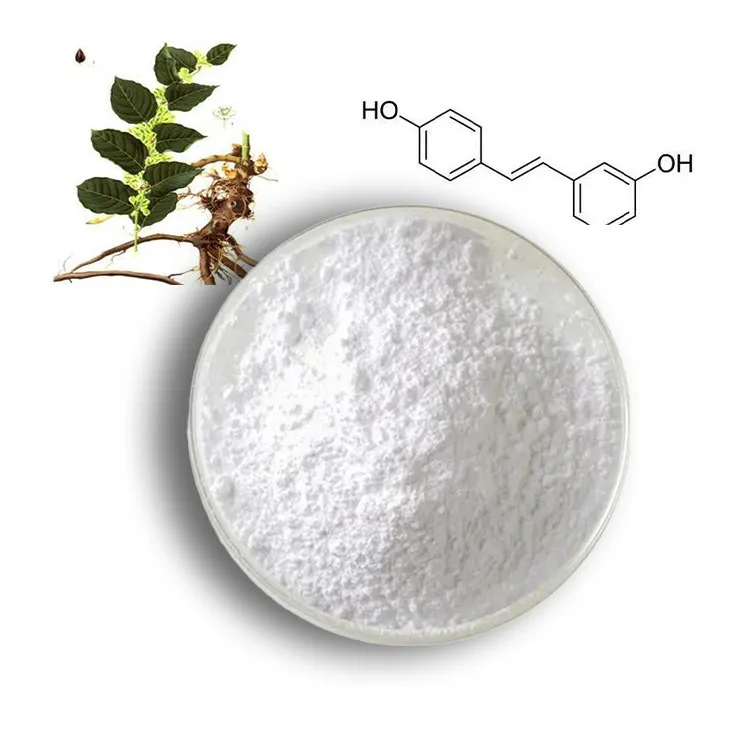
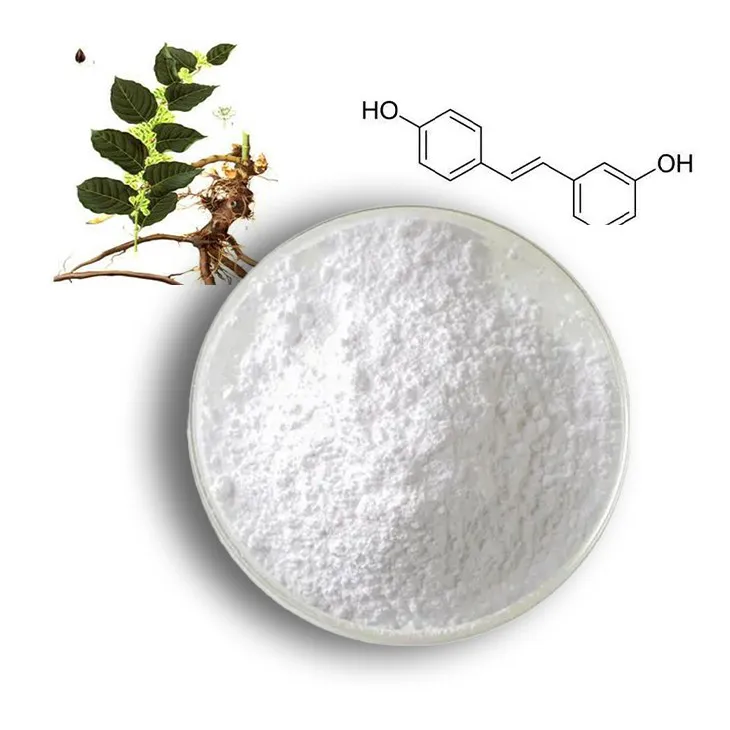
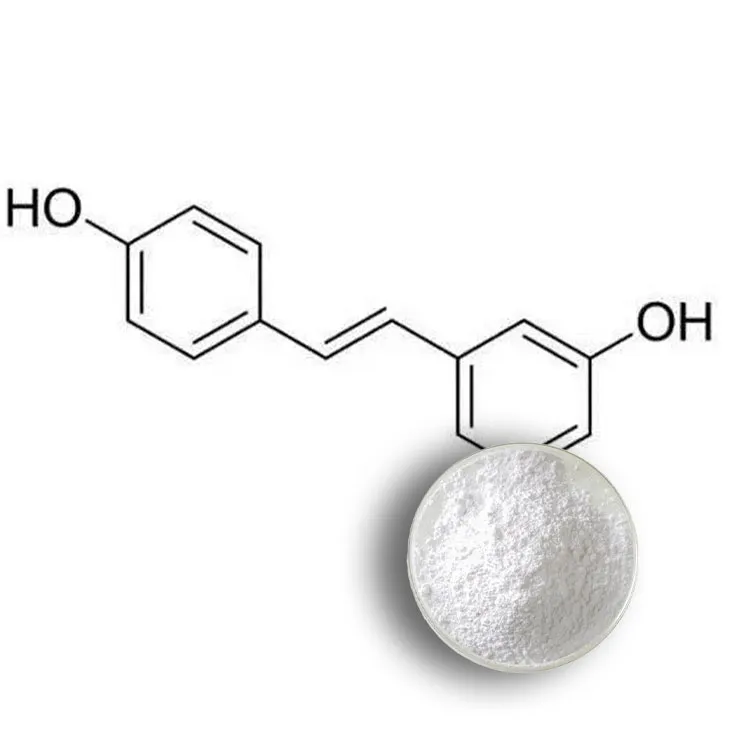
Resveratrol (3,5,4'-trihydroxystilbene) is a naturally occurring polyphenolic compound classified as a stilbenoid — a type of natural phenol produced by plants in response to stress, injury, fungal infection, or UV radiation. It was first isolated from the roots of white hellebore (Veratrum grandiflorum) in 1940, but gained widespread scientific and public attention in the 1990s when researchers identified it as a potential explanation for the "French Paradox" — the observation that French populations have relatively low rates of cardiovascular disease despite diets high in saturated fats.
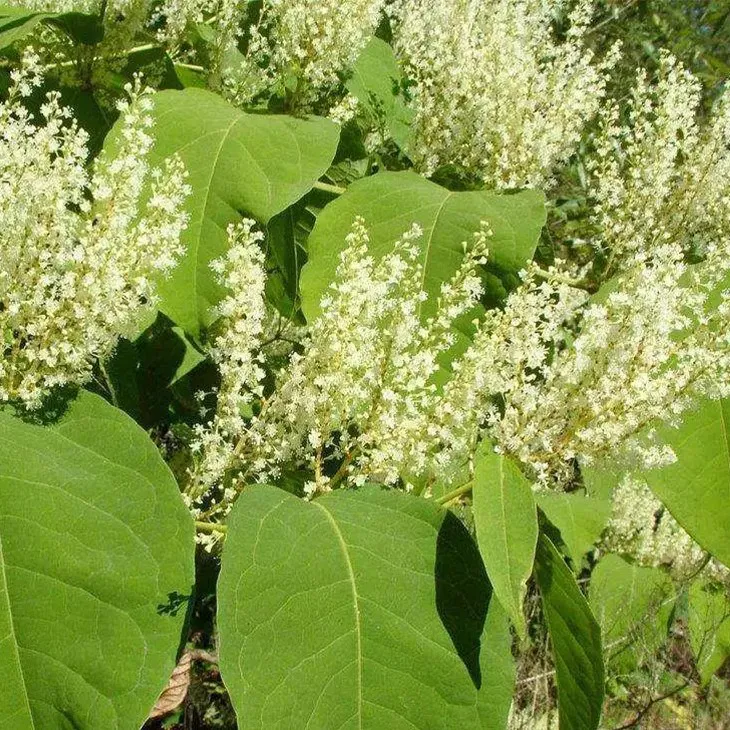
While resveratrol is found in grapes, red wine, blueberries, cranberries, and peanuts, the primary commercial source for concentrated Resveratrol extract is Japanese knotweed (Polygonum cuspidatum), which contains significantly higher concentrations of resveratrol in its roots and rhizomes than any other natural source.
— a professional established in 2004 — offers premium Resveratrol extract from Japanese knotweed, standardized to 50% and 98% purity for dietary supplement and cosmetic applications.
The Science of Resveratrol: Anti-Aging and Beyond
Sirtuin Activation and Longevity Research
Resveratrol gained prominence as a potential anti-aging compound through its ability to activate sirtuins — a family of proteins that regulate cellular health, DNA repair, and metabolic function. Specifically, resveratrol activates SIRT1, the human homolog of the yeast SIR2 gene, which has been linked to lifespan extension in multiple model organisms.
Key research milestones:
2003: Howitz et al. published in Nature, demonstrating that resveratrol activates SIRT1 and extends yeast lifespan by 70%
2006: Research in Nature showed resveratrol improves health and survival in mice on a high-calorie diet
2011: A study in Cell Metabolism confirmed metabolic benefits of resveratrol supplementation in humans
Cardiovascular Health
Resveratrol supports cardiovascular health through multiple mechanisms:
Endothelial function: Stimulates nitric oxide (NO) production, promoting vasodilation and healthy blood pressure
Antioxidant protection: Reduces LDL oxidation, a key step in atherosclerosis development
Anti-inflammatory effects: Inhibits NF-κB signaling and reduces pro-inflammatory cytokine production
Platelet aggregation: Moderate antiplatelet effects support healthy blood flow
Lipid metabolism: Modulates lipid profiles through activation of AMPK pathways
Neuroprotective Effects
Emerging research suggests resveratrol may offer neuroprotective benefits through:
Reduction of beta-amyloid plaque formation (relevant to Alzheimer's disease)
Protection against oxidative stress in neuronal cells
Anti-inflammatory effects in brain tissue
Enhancement of cerebral blood flow
Potential modulation of neurotransmitter systems
Metabolic Health
Clinical studies have documented resveratrol's impact on metabolic parameters:
Improved insulin sensitivity in prediabetic and type 2 diabetic populations
Reduction in fasting blood glucose levels
Modulation of lipid profiles
Activation of AMPK, a key regulator of cellular energy metabolism
Japanese Knotweed vs. Grape-Derived Resveratrol
Comparison Factor Japanese Knotweed Grape Skin/Seed Resveratrol Content 0.5–3% in dried root 0.01–0.1% in grape skin Yield per Kilogram 5–50 g resveratrol/kg 0.1–1 g rescinnn/kg Cost Efficiency Significantly lower Higher cost due to low concentration Purity Potential Up to 98%+ achievable Typically limited to 50% Scalability Highly scalable; knotweed is abundant Limited by wine industry byproduct availability Sustainability Uses an invasive species (environmental benefit) Dependent on wine production volume
Industry reality: Over 90% of commercial resveratrol extract is derived from Japanese knotweed due to its superior yield, cost efficiency, and ability to achieve high purity levels.
Resveratrol Specifications and Quality Parameters
Common Commercial Specifications
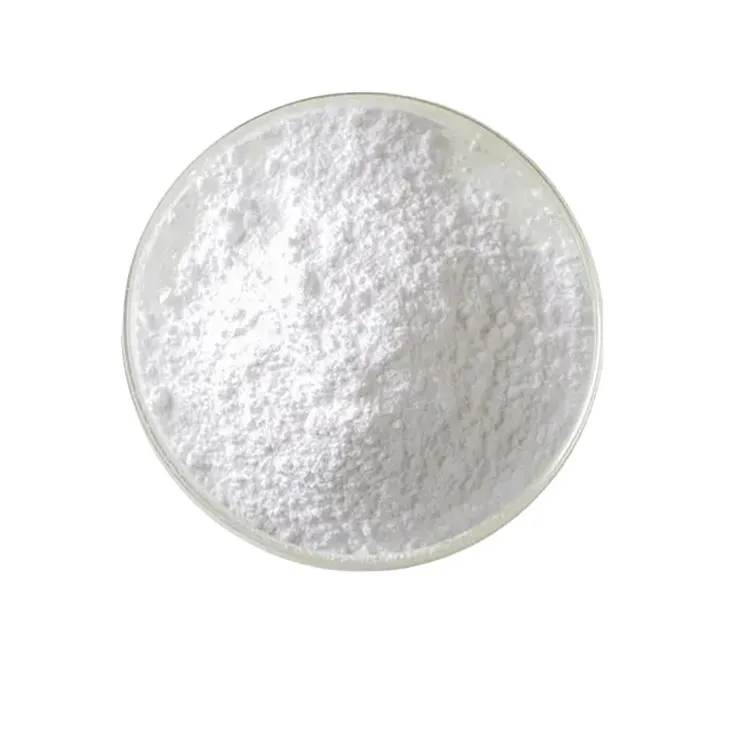
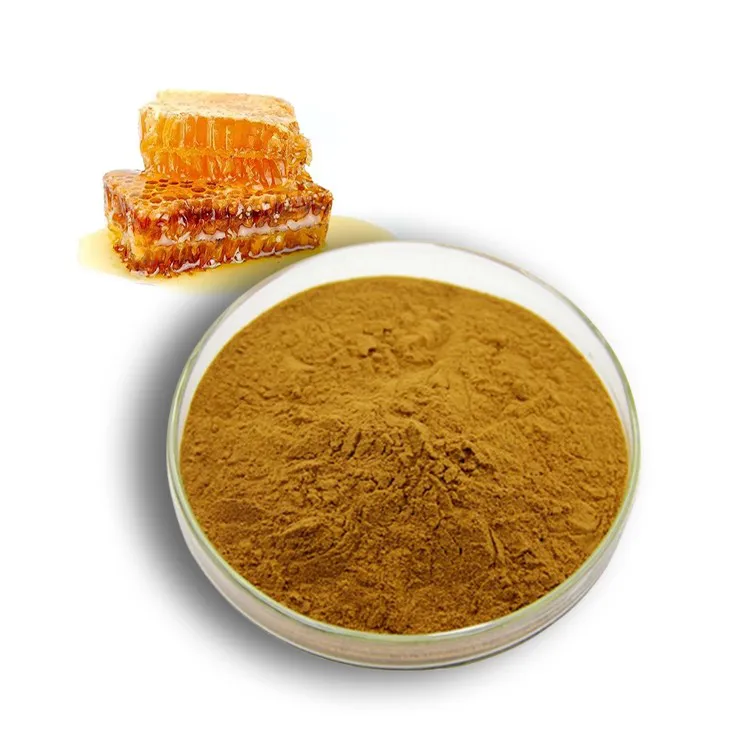
Specification Purity Format Primary Application 50% Resveratrol 50% (HPLC) Brown powder Standard dietary supplements 98% Resveratrol ≥98% (HPLC) White to off-white powder Premium supplements, cosmetics, research 99%+ Resveratrol ≥99% (HPLC) White crystalline powder Pharmaceutical, advanced research
Key Quality Parameters
Parameter 50% Specification 98% Specification Resveratrol (trans-) ≥50% ≥98% Resveratrol (cis-) ≤5% ≤1% Emodin ≤5% ≤0.5% Physcion ≤3% ≤0.3% Heavy Metals ≤10 ppm ≤10 ppm Residual Solvents Compliant with ICH Q3C Compliant with ICH Q3C Microbiological Compliant with USP/EP Compliant with USP/EP
Trans-Resveratrol vs. Cis-Resveratrol
Trans-resveratrol is the biologically active form of resveratrol and the form used in the majority of clinical studies. Cis-resveratrol is the isomerized form that can be produced during extraction, processing, or exposure to UV light. Quality resveratrol extract should have a trans-to-cis ratio of at least 98:2, with premium grades exceeding 99:1.
Impurity Considerations
Japanese knotweed root contains several other compounds that may co-extract with resveratrol:
Emodin: An anthraquinone with laxative properties — should be minimized in dietary supplement-grade resveratrol
Physcion: A methoxyanthraquinone — similar considerations to emodin
Polygonum cuspidatum polysaccharides: Removed during purification
A quality supplier will document emodin and physcion content and ensure levels are appropriate for your target application.
Applications in the Dietary Supplement and Cosmetic Industries
1. Anti-Aging Supplements
Resveratrol is a core ingredient in anti-aging supplement formulations, often combined with:
NAD+ precursors (NMN, NR): Synergistic sirtuin activation
PQQ: Mitochondrial biogenesis support
CoQ10: Cardiovascular and cellular energy support
Quercetin: Senolytic and anti-inflammatory synergy
2. Cardiovascular Health Formulations
Resveratrol's multi-mechanism cardiovascular benefits make it a valuable component of heart health supplements, typically dosed at 100–500 mg per day (for 50% extract) or 50–250 mg per day (for 98% extract).
3. Premium Skincare and Cosmetics
The cosmetic industry increasingly uses resveratrol for:
Anti-aging serums: Topical antioxidant protection and collagen support
Sun care products: UV-induced damage protection
Brightening formulations: Tyrosinase inhibition for even skin tone
Sensitive skin products: Anti-inflammatory soothing properties
4. Wine and Beverage Fortification
A growing niche involves resveratrol fortification of wines, juices, and functional beverages, leveraging the compound's association with the health benefits of red wine consumption.
How to Evaluate a Resveratrol Supplier
Critical Evaluation Criteria
Purity Verification: Request HPLC chromatograms confirming trans-resveratrol content and documenting cis-resveratrol, emodin, and physcion levels
Extraction Method: Ethanol extraction with purification is the industry standard for high-purity resveratrol. Ask about the specific process used
Isomer Stability: Ensure the supplier has data on trans-to-cis isomerization rates under recommended storage conditions
Batch Consistency: Resveratrol content in Japanese knotweed root varies by harvest season and origin. Demand consistent standardization
Regulatory Documentation: COAs, TDS, SDS, and market-specific compliance certificates
Why Choose Greensky Bio for Resveratrol Extract
provides premium resveratrol extract with:
Sourced from Japanese Knotweed: Abundant, sustainable raw material from controlled cultivation
Advanced Purification: Multi-step extraction and purification achieving 50% and 98% specifications with minimal impurities
Certified Production: ISO22000, BRCGS, Ecocert Organic, and SGS-GMP certified facilities
Comprehensive Testing: In-house HPLC analysis with full resveratrol profiling, including trans/cis ratio and impurity documentation
Multiple Specifications: 50% for standard supplement use; 98% for premium formulations and cosmetic applications
Global Supply: Reliable production capacity with consistent batch-to-batch quality for international markets
Conclusion
Resveratrol remains one of the most researched and commercially significant polyphenol ingredients in the global dietary supplement and cosmetic markets. Its multi-target mechanism of action — spanning sirtuin activation, antioxidant defense, anti-inflammatory modulation, and metabolic support — makes it uniquely valuable for anti-aging, cardiovascular, and cognitive health formulations.
For brands seeking a reliable, certified supplier of Japanese knotweed-derived resveratrol extract, brings over 20 years of extraction expertise, rigorous quality control, and global regulatory support.
Interested in Resveratrol Extract? today for:
Latest pricing and minimum order quantity information
Free samples for testing and evaluation
Complete technical documentation package with HPLC chromatograms
Custom specification consultation
- ▶ Hesperidin
- ▶ Citrus Bioflavonoids
- ▶ Plant Extract
- ▶ lycopene
- ▶ Diosmin
- ▶ Grape seed extract
- ▶ Sea buckthorn Juice Powder
- ▶ Fruit Juice Powder
- ▶ Hops Extract
- ▶ Artichoke Extract
- ▶ Mushroom extract
- ▶ Astaxanthin
- ▶ Green Tea Extract
- ▶ Curcumin
- ▶ Horse Chestnut Extract
- ▶ Other Product
- ▶ Boswellia Serrata Extract
- ▶ Resveratrol
- ▶ Marigold Extract
- ▶ Grape Leaf Extract
- ▶ New Product
- ▶ Aminolevulinic acid
- ▶ Cranberry Extract
- ▶ Red Yeast Rice
- ▶ Red Wine Extract
- ▶ blog
-
Polygonum Cuspidatum Extract
2026-10-25
-
Green coffee bean Extract
2026-10-25
-
Troxerutin
2026-10-25
-
Kelp Extract Powder
2026-10-25
-
Saw Palmetto Extract
2026-10-25
-
Beta Carotene
2026-10-25
-
Tamarind extract powder
2026-10-25
-
Hericium erinaceus extract powder
2026-10-25
-
Maitake Mushroom Extract
2026-10-25
-
Magnolia Bark Extract
2026-10-25