- 0086-571-85302990
- [email protected]



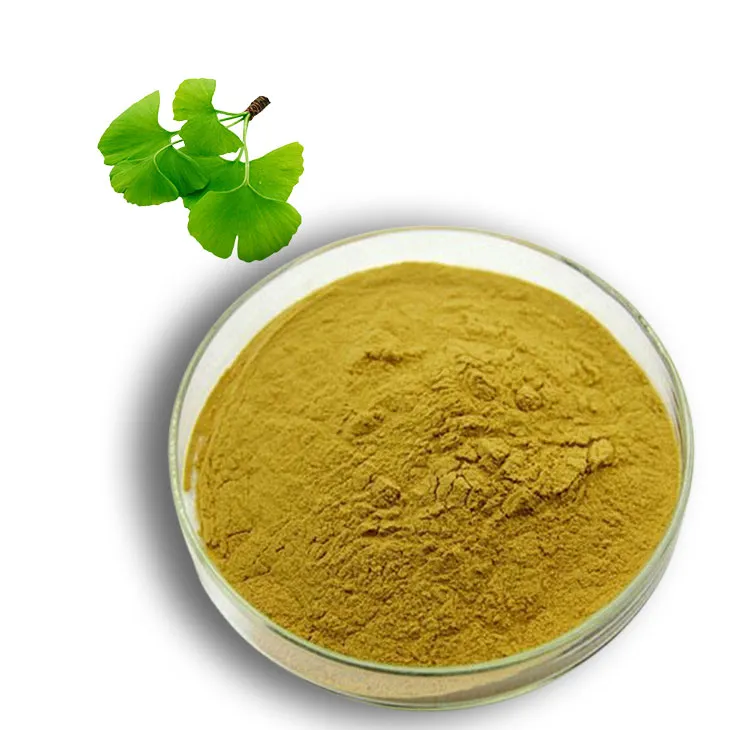
Greensky supplies standardized Ginkgo Biloba Extract (EGb 761 equivalent) with 24% flavone glycoside
2026-11-23
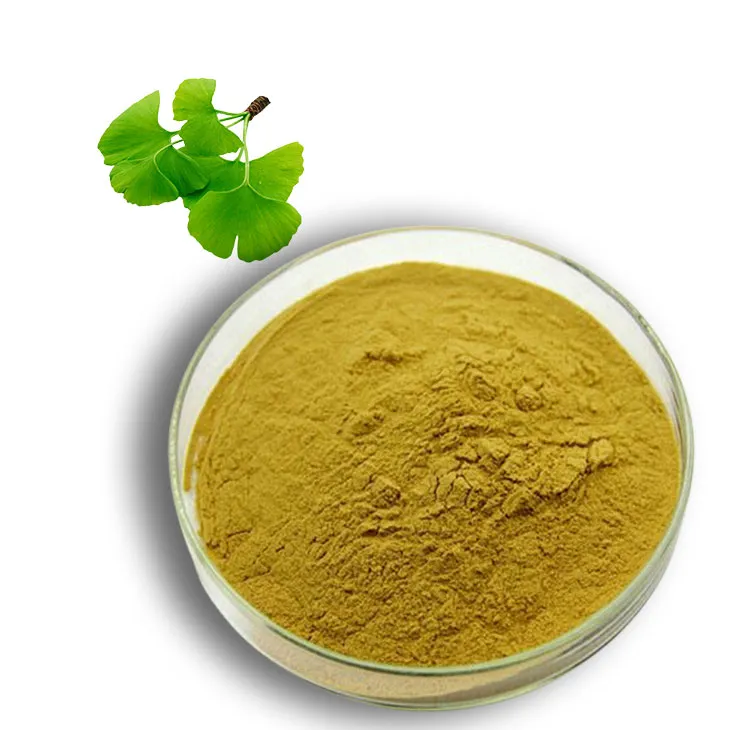
Table of Contents
What Is Ginkgo Biloba Extract and Why Is It the World's Most Studied Herbal Cognitive Enhancer?
Botanical Origins: The 270-Million-Year-Old Living Fossil
Active Compounds: Flavone Glycosides, Terpene Lactones, and Ginkgolic Acids
Clinical Evidence for Cognitive Function and Memory Enhancement
Cerebral Blood Flow and Neurovascular Protection
Peripheral Circulation: Tinnitus, Vertigo, and Claudication
Antioxidant and Anti-Inflammatory Mechanisms
Eye Health: Glaucoma and Diabetic Retinopathy Support
Quality Standards and the Ginkgolic Acid Safety Threshold
How to Source Premium Ginkgo Biloba Extract: A B2B Buyer's Guide
Applications in Supplements, Pharmaceuticals, and Functional Beverages
Why Choose Greensky as Your Ginkgo Biloba Extract Supplier
1. What Is Ginkgo Biloba Extract and Why Is It the World's Most Studied Herbal Cognitive Enhancer?
Ginkgo biloba, often called the "living fossil," is the sole surviving species of the Ginkgoaceae family, which existed over 270 million years ago — predating the dinosaurs. Native to China, the ginkgo tree has been cultivated in temple gardens for over a thousand years, revered in Traditional Chinese Medicine (TCM) for its medicinal properties.
Ginkgo biloba extract (GBE) is one of the most extensively researched herbal supplements in the world, with more than 3,000 peer-reviewed publications and over 400 clinical trials. In Germany and other European countries, standardized ginkgo extract (EGb 761) is a prescription medication approved for treating dementia, vertigo, tinnitus, and peripheral arterial disease.
The global ginkgo biloba extract market was valued at USD 1.2 billion in 2024 and is projected to reach USD 2.1 billion by 2032, driven by:
Rising prevalence of age-related cognitive decline and dementia
Growing demand for natural nootropics and brain health supplements
Expanding applications in cardiovascular and peripheral circulation health
Increasing scientific validation of traditional uses
For B2B buyers, ginkgo biloba extract represents one of the most reliable herbal ingredients for building evidence-based supplement products with strong consumer recognition and repeat purchase rates.

2. Botanical Origins: The 270-Million-Year-Old Living Fossil
2.1 Botanical Profile
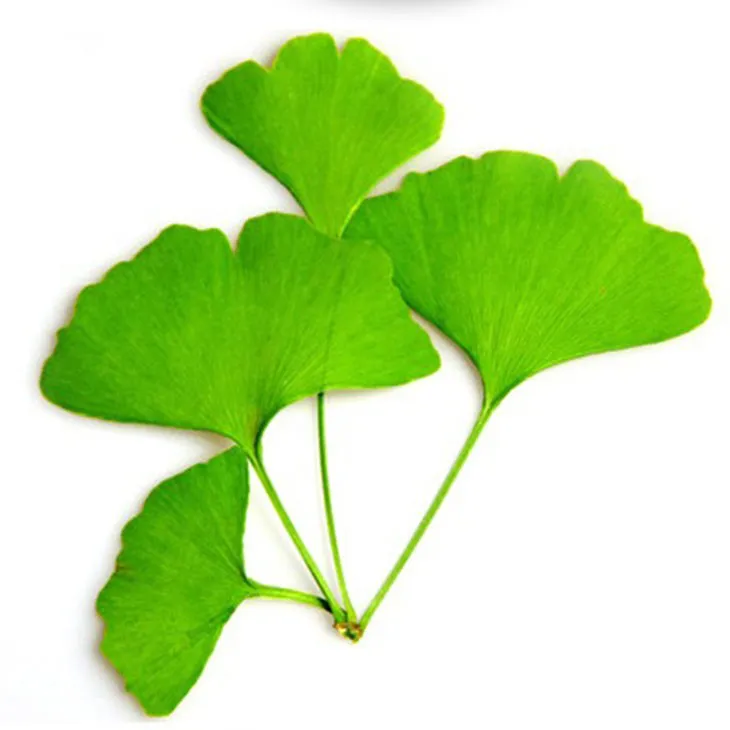
Scientific name: Ginkgo biloba L.
Family: Ginkgoaceae (monotypic family — only one living species)
Part used medicinally: Dried leaves
Key growing regions: China (Jiangsu, Shandong, Guangxi), France, South Carolina (USA)
Harvest time: Late summer to early autumn (peak flavonoid content)
2.2 Why Chinese Ginkgo Is Superior
China produces over 80% of the world's ginkgo leaf supply, and several factors contribute to the superior quality of Chinese-sourced material:
Climate: The temperate zones of eastern China provide optimal conditions for flavonoid and terpene lactone biosynthesis
Cultivation history: Centuries of selective breeding have produced high-yield, high-potency cultivars
Processing infrastructure: Established extraction industry with decades of optimization
Scale: Large-scale cultivation ensures consistent supply for industrial buyers
3. Active Compounds: Flavone Glycosides, Terpene Lactones, and Ginkgolic Acids
3.1 Primary Bioactive Constituents
Compound Class Specific Compounds Standardized Content Primary Activity Flavone Glycosides Quercetin, Kaempferol, Isorhamnetin glycosides 24% Antioxidant, vasodilatory, neuroprotective Terpene Lactones Ginkgolides A, B, C, J; Bilobalide 6% Platelet-activating factor (PAF) antagonism, neuroprotection Ginkgolic Acids C13:0, C15:1, C17:1 <5 ppm (safety limit) Allergenic — must be minimized
3.2 The 24/6 Standardization
The internationally recognized standard for ginkgo biloba extract is 24% flavone glycosides and 6% terpene lactones, established by the European Pharmacopoeia and adopted globally. This standardization ensures:
Consistent efficacy: Every batch delivers the same therapeutic dose of active compounds
Safety: Controlled ginkgolic acid content prevents allergic reactions
Regulatory compliance: Meets USP, EP, and ChP pharmacopoeial requirements
3.3 Mechanism of Action
Ginkgo biloba extract works through multiple complementary pathways:
PAF antagonism: Ginkgolides B and C are potent platelet-activating factor antagonists, reducing platelet aggregation and improving blood flow
Antioxidant cascade: Flavone glycosides scavenge free radicals and upregulate endogenous antioxidant enzymes
Mitochondrial protection: Bilobalide protects neurons from hypoxic damage and mitochondrial dysfunction
Neurotransmitter modulation: Influences cholinergic, serotonergic, and dopaminergic signaling
4. Clinical Evidence for Cognitive Function and Memory Enhancement
4.1 Dementia and Alzheimer's Disease
Study Population Dose Duration Key Findings Le Bars et al. (1997) Alzheimer's/vascular dementia (n=202) 240 mg/day 52 weeks Significant cognitive improvement vs. placebo Herrschaft et al. (2012) Dementia (n=410) 240 mg/day 24 weeks Non-inferior to donepezil for cognitive symptoms Snitz et al. (2009) JAMA Healthy elderly (n=118) 240 mg/day 6 years No prevention of cognitive decline in healthy adults
Key insight: Ginkgo biloba extract is most effective for individuals with existing cognitive impairment. The evidence for prevention in healthy adults is inconclusive, which is why product positioning should focus on "cognitive support" rather than "dementia prevention."
4.2 Mild Cognitive Impairment (MCI)
Meta-analysis (13 RCTs, n=1,278): Ginkgo extract significantly improved MMSE scores in MCI patients (WMD = 1.67 points)
Combined therapy: Ginkgo + donepezil showed superior outcomes to donepezil monotherapy in moderate Alzheimer's patients
4.3 Cognitive Performance in Healthy Adults
Working memory: Single doses of 120–240 mg improved working memory performance in healthy young adults
Attention: Improved attention and processing speed in middle-aged adults (45–65 years)
Mental fatigue: Reduced subjective mental fatigue during prolonged cognitive tasks
5. Cerebral Blood Flow and Neurovascular Protection
5.1 Cerebral Perfusion
Ginkgo biloba extract improves cerebral blood flow through multiple mechanisms:
Vasodilation: Flavone glycosides promote nitric oxide release, dilating cerebral blood vessels
Blood rheology: Reduced blood viscosity and improved erythrocyte deformability
Microcirculation: Enhanced capillary blood flow in the cerebral cortex
Imaging studies:
fMRI: Increased cerebral blood flow in prefrontal cortex and hippocampus
SPECT: Improved cerebral perfusion in patients with cognitive impairment
Transcranial Doppler: Increased middle cerebral artery blood velocity
5.2 Blood-Brain Barrier Protection
Tight junction preservation: GBE protects blood-brain barrier integrity during oxidative stress
Edema reduction: Bilobalide reduces cerebral edema in animal models of stroke
Neuroinflammation: Suppressed microglial activation and cytokine production
6. Peripheral Circulation: Tinnitus, Vertigo, and Claudication
6.1 Tinnitus and Vertigo
Meta-analysis (10 RCTs): Ginkgo extract significantly improved tinnitus symptoms, particularly in patients with vascular etiologies
Vertigo of vascular origin: Clinical trials demonstrate 40–60% improvement in vertigo symptoms with 120–240 mg/day over 6–12 weeks
Mechanism: Improved inner ear microcirculation through PAF antagonism and vasodilation
6.2 Intermittent Claudication
Meta-analysis (9 RCTs, n=686): Ginkgo extract increased pain-free walking distance by 34–76 meters compared to placebo
Ankle-brachial index (ABI): Modest improvement in peripheral arterial disease patients
Comparison: Less effective than cilostazol but better tolerated with fewer side effects
6.3 Raynaud's Phenomenon
RCT (n=22): 120 mg/day ginkgo extract reduced the frequency and severity of Raynaud's attacks by 56%
Mechanism: Vasodilation and improved peripheral microcirculation
7. Antioxidant and Anti-Inflammatory Mechanisms
7.1 Antioxidant Properties
Ginkgo biloba extract demonstrates one of the broadest antioxidant profiles among herbal medicines:
Free radical scavenging: Direct neutralization of superoxide, hydroxyl, and peroxyl radicals
Lipid peroxidation inhibition: Protects cell membranes from oxidative damage
Antioxidant enzyme upregulation: Increases SOD, catalase, and glutathione peroxidase activity
Metal chelation: Binds iron and copper ions, preventing Fenton reaction-mediated free radical generation
7.2 Anti-Inflammatory Effects
NF-κB inhibition: Suppresses pro-inflammatory cytokine production
COX-2 downregulation: Reduces prostaglandin synthesis
Platelet-activating factor antagonism: Ginkgolides are among the most potent natural PAF antagonists known
8. Eye Health: Glaucoma and Diabetic Retinopathy Support
8.1 Glaucoma
RCT (n=50): Ginkgo extract (120 mg/day for 4 weeks) improved visual field indices in patients with normal-tension glaucoma
Mechanism: Improved optic nerve blood flow, neuroprotection of retinal ganglion cells
Oxidative stress: Reduced retinal oxidative damage in animal models
8.2 Diabetic Retinopathy
Animal models: GBE reduced retinal vascular permeability and VEGF expression
Clinical observations: Improved microcirculation in the retinal vasculature
Combination therapy: Potential synergistic effects with lutein and zeaxanthin for comprehensive eye health
9. Quality Standards and the Ginkgolic Acid Safety Threshold
9.1 Pharmacopoeial Specifications
Parameter USP Standard EP Standard Flavone glycosides 22–27% 22–27% Terpene lactones 5.4–7.8% 5.0–9.0% Ginkgolic acids <5 ppm <5 ppm Heavy metals Pb < 3 ppm, As < 2 ppm Pb < 2 ppm, As < 1 ppm Moisture <5.0% <5.0% Loss on drying <5.0% <5.0%
9.2 The Ginkgolic Acid Critical Safety Issue
Ginkgolic acids are structurally similar to urushiol (the allergen in poison ivy) and can cause allergic reactions, including contact dermatitis and mucosal irritation. This is the single most important quality parameter for ginkgo extract buyers.
Premium manufacturers use specialized extraction and purification processes to reduce ginkgolic acids to <5 ppm. Low-quality extracts may contain 50–500 ppm, posing significant safety risks.
Buyer verification checklist:
Request HPLC test results for ginkgolic acid content
Verify the manufacturer uses counter-current chromatography or similar advanced purification
Confirm third-party testing for allergenic compounds
10. How to Source Premium Ginkgo Biloba Extract: A B2B Buyer's Guide
10.1 Key Sourcing Considerations
Standardization verification: Confirm 24% flavone glycosides and 6% terpene lactones via independent HPLC analysis
Ginkgolic acid testing: Must be <5 ppm; request COA and third-party verification
Solvent residues: Ensure ethanol extraction meets ICH Q3C limits
Heavy metals: Chinese-sourced material requires testing for Pb, As, Cd, and Hg
Pesticide residues: Compliant with EU maximum residue limits (MRLs)
Particle size and flowability: For capsule/tablet manufacturing, consistent particle size (80–120 mesh) ensures uniform filling
10.2 Supply Chain Transparency
Origin documentation: Ginkgo leaf should be sourced from GAP-certified cultivation areas in China
Batch traceability: Full documentation from harvest to finished extract
Stability data: Request 24-month stability studies under ICH conditions
10.3 Pricing Factors
Standardization level: 24/6 extract commands a premium over 24% flavone-only extracts
Ginkgolic acid control: Sub-5 ppm purification adds processing cost but is essential for safety
Certifications: ISO22000, GMP, Organic, Kosher, and Halal certifications add value
Order volume: Consistent annual contracts typically secure 10–20% pricing advantages
11. Applications in Supplements, Pharmaceuticals, and Functional Beverages
11.1 Dietary Supplements
Brain health formulas: 120–240 mg per serving (standardized 24/6), often combined with Bacopa monnieri, Phosphatidylserine, and Omega-3 DHA
Circulation support: Combined with Horse Chestnut, Diosmin, and Butcher's Broom for venous health
Eye health complexes: Paired with Lutein, Zeaxanthin, and Bilberry Extract
11.2 Pharmaceutical Applications
Prescription GBE: EGb 761 is approved in Germany, France, and other EU countries for dementia treatment
Generic formulations: Multiple generic GBE products available worldwide
11.3 Functional Beverages and Foods
Energy and focus drinks: Added to functional beverages targeting cognitive performance
Nootropic formulations: Combined with L-Theanine, caffeine, and B vitamins
12. Why Choose Greensky as Your Ginkgo Biloba Extract Supplier
Hangzhou Greensky Biological Tech.Co., Ltd delivers premium Ginkgo Biloba Extract with uncompromising quality:
24% flavone glycosides / 6% terpene lactones standardization, verified by HPLC
Ginkgolic acids <5 ppm, well below pharmacopoeial safety limits
ISO22000, BRCGS, Ecocert Organic, SGS-GMP certified production facilities
100,000-class clean area ensures pharmaceutical-grade manufacturing
Independent laboratory with HPLC, GC, and UV for comprehensive quality control
GAP-certified raw material sourcing from China's premier ginkgo cultivation regions
Full documentation package: COA, MSDS, allergen statements, and third-party testing
Export experience to Europe, the United States, South Korea, and Russia
- ▶ Hesperidin
- ▶ Citrus Bioflavonoids
- ▶ Plant Extract
- ▶ lycopene
- ▶ Diosmin
- ▶ Grape seed extract
- ▶ Sea buckthorn Juice Powder
- ▶ Fruit Juice Powder
- ▶ Hops Extract
- ▶ Artichoke Extract
- ▶ Mushroom extract
- ▶ Astaxanthin
- ▶ Green Tea Extract
- ▶ Curcumin
- ▶ Horse Chestnut Extract
- ▶ Other Product
- ▶ Boswellia Serrata Extract
- ▶ Resveratrol
- ▶ Marigold Extract
- ▶ Grape Leaf Extract
- ▶ New Product
- ▶ Aminolevulinic acid
- ▶ Cranberry Extract
- ▶ Red Yeast Rice
- ▶ Red Wine Extract
- ▶ blog
-
Shikonin
2026-11-23
-
Purple Sweet Potato Extract
2026-11-23
-
Nettle Root Extract
2026-11-23
-
Horse Chestnut Extract
2026-11-23
-
Bamboo Leaf extract
2026-11-23
-
Hawthorn powder
2026-11-23
-
Polygonum multiflorum extract
2026-11-23
-
White Willow Bark Extract
2026-11-23
-
Sugarcane Extract
2026-11-23
-
Phellodendron Extract
2026-11-23